If you have more than one cat, you’ve probably noticed how much they enjoy grooming themselves. But wouldn’t it be great if your cats also groomed each other?
Mutual grooming isn’t just adorable to watch—it helps build a stronger bond between your cats and keeps their coats healthy. You’ll discover simple, effective ways to encourage your cats to start grooming each other. Keep reading, and soon you’ll see your feline friends becoming closer and happier together.
Benefits Of Mutual Grooming
Mutual grooming among cats is more than just a cute behavior to watch. It plays a key role in their social lives and overall well-being. Understanding the benefits of mutual grooming can help you encourage this natural habit in your cats.
Strengthening Cat Bonds
When cats groom each other, they build trust and deepen their connection. This act is a sign of friendship and acceptance within their social group.
If your cats start grooming one another, it often means they feel safe and comfortable together. Have you noticed your cats spending more time close after a grooming session? That’s a clear sign their relationship is growing stronger.
Improving Cat Hygiene
Mutual grooming helps cats reach spots they can’t clean on their own, like the back of the head and neck. This keeps them cleaner and reduces the risk of skin problems.
Regular grooming also removes loose fur and dirt, preventing hairballs and irritation. By encouraging your cats to groom each other, you help maintain their coat health without extra effort on your part.
Reducing Stress And Anxiety
Grooming releases calming hormones in cats, lowering their stress levels. When they groom each other, this soothing effect doubles, making them feel more relaxed.
If your cats seem anxious or restless, encouraging mutual grooming can be a natural way to ease their tension. Have you tried observing their behavior after grooming sessions? You might find they’re calmer and more content afterward.
Signs Cats Are Ready To Groom
Recognizing when your cats are ready to groom each other is key to encouraging this natural bonding behavior. Cats don’t just start grooming one another randomly; they show clear signs that they feel comfortable and connected. Paying attention to these signs helps you know the right moment to gently support their interaction.
Observing Social Behaviors
Look for moments when your cats are calm and close together. Cats that sit side-by-side, rest heads against each other, or sleep curled up together are often ready to take grooming a step further.
Notice if they engage in gentle nose touches or soft blinking at each other. These peaceful interactions indicate trust, which is essential for grooming to happen.
Have you ever seen your cats sharing a favorite spot without fuss? That’s a strong sign they feel secure enough to start grooming soon.
Recognizing Grooming Invitations
Grooming invitations are subtle but clear. One cat might nudge the other’s head or lick a paw and then pause, waiting for a response.
Sometimes, a cat will gently paw or nuzzle the other’s neck or back. This is their way of asking, “Can I groom you?”
Watch for slow, deliberate movements as one cat leans in close without aggression. This calm approach often means they are ready to begin mutual grooming.
Creating A Comfortable Environment
Creating a comfortable environment is key to encouraging your cats to groom each other. Cats are sensitive creatures who rely on feeling safe and relaxed to engage in social behaviors. By carefully setting up their surroundings, you can help build trust between your cats and promote bonding through grooming.
Providing Safe Spaces
Your cats need areas where they feel completely secure. Provide cozy hiding spots like covered beds, cardboard boxes, or cat trees with enclosed perches. These safe spaces let your cats retreat when they feel overwhelmed, reducing tension and helping them stay calm around each other.
Place these spots in quiet corners away from loud noises and heavy foot traffic. Watching my two cats slowly start grooming each other only happened after they had their own “safe zones” to escape to when needed. Do your cats have places they can call their own?
Minimizing Stressors
Stress can block your cats from socializing comfortably. Look for anything that might be stressing them out—loud noises, sudden changes, or even new scents. Try to keep their routine consistent and avoid introducing too many new things at once.
Using pheromone diffusers or sprays can also help lower stress levels. I noticed a big difference in my cats’ behavior when I removed the noisy vacuum cleaner from their usual resting area. What small changes could you make today to create a calmer atmosphere for your cats?
Encouraging Interaction Between Cats
Encouraging your cats to groom each other starts with building a positive bond. Cats need to feel safe and comfortable together before they begin grooming. Interaction helps them trust each other and develop a close connection. Creating moments for cats to engage gently can lead to natural grooming behavior. Patience and gentle encouragement go a long way in fostering this interaction.
Using Playtime To Build Trust
Playtime creates a fun and relaxed atmosphere for cats. Use toys that encourage teamwork, like feather wands or laser pointers. Let them chase and pounce together without forcing contact. This shared activity reduces tension and helps cats see each other as friends. Short, regular play sessions work best to keep their interest high. Reward calm behavior with treats to reinforce positive feelings.
Introducing Scent Sharing Techniques
Cats use scent to recognize and accept each other. Swap bedding or toys between your cats to mix their scents gently. This helps them get used to each other’s smell without direct contact. Rub a soft cloth on one cat, then on the other. Repeat this daily to build comfort and familiarity. Scent sharing creates a bond that can lead to grooming and close interaction.
Positive Reinforcement Techniques
Encourage your cats to groom each other using positive reinforcement techniques. Reward them with treats when they show interest in grooming. Create a relaxed environment where they feel safe and comfortable.
Positive reinforcement techniques can help your cats groom each other. These methods encourage positive behaviors through rewards. They enhance the bond between your feline friends. Training your cats requires consistency and patience. Let’s explore some effective techniques.Rewarding Grooming Behavior
Recognize moments when your cats groom each other. Offer immediate praise to reinforce this behavior. Use a calm and soothing voice. This helps them associate grooming with positive experiences. Over time, they will groom more often.Using Treats And Praise
Treats can be powerful motivators. Keep their favorite treats handy. When they groom each other, give a treat immediately. This encourages them to repeat the behavior. Praise them with gentle words. This builds positive associations with grooming. Be patient and consistent. Positive reinforcement takes time but yields rewarding results. Your cats will learn to enjoy grooming each other. Their bond will grow stronger, bringing harmony to your home.Tools To Support Grooming
Helping your cats groom each other can strengthen their bond and keep their coats healthy. Using the right tools makes this easier and more enjoyable for both you and your furry friends. Let’s look at some effective tools that support grooming and how to use them safely.
Brushes To Facilitate Grooming
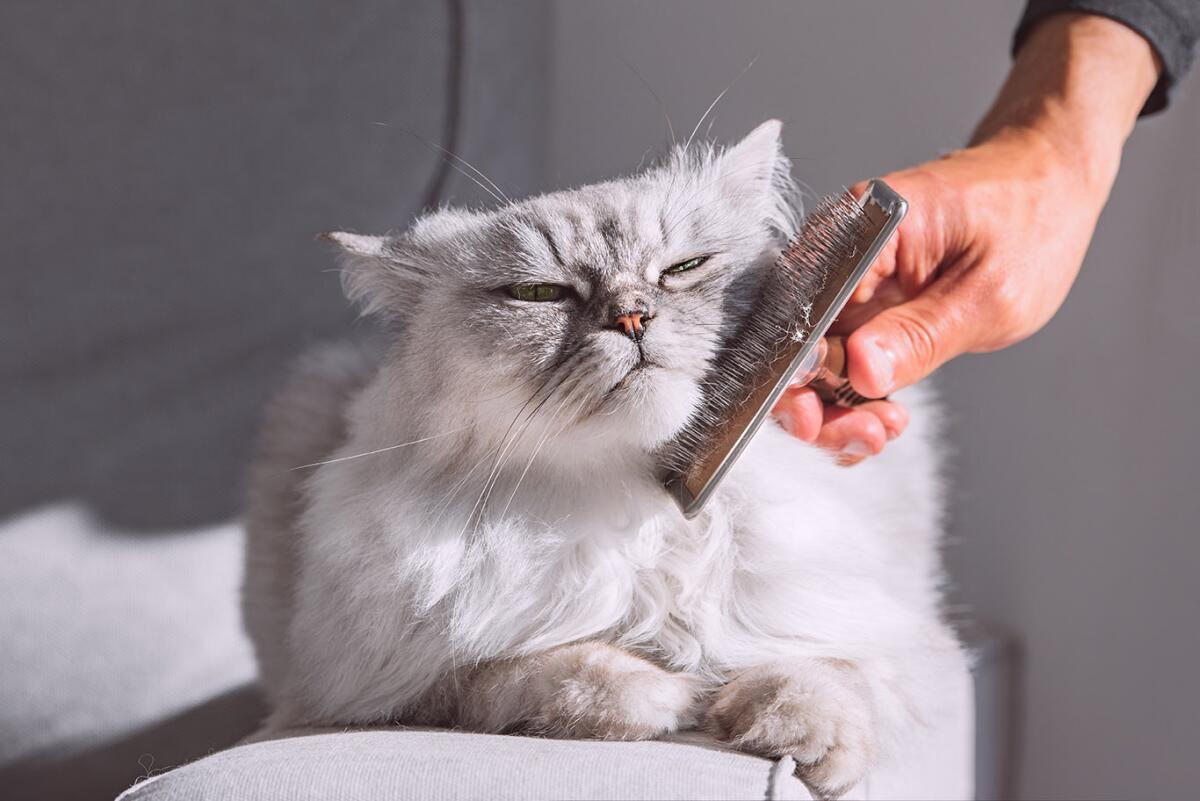
Choose brushes that encourage cats to groom each other by mimicking the feel of a cat’s tongue. Rubber brushes or soft-bristled grooming gloves work well because they are gentle and can stimulate mutual grooming behavior.
Try using a grooming glove during petting sessions. It feels like a gentle massage, which can prompt your cats to start grooming one another. You might notice your cats become more comfortable and curious about touching each other’s fur.
Remember, different cats prefer different textures. If one cat is hesitant, experiment with various brushes to find one that both enjoy. This small change can make a big difference in encouraging your cats to groom each other more often.
Using Grooming Aids Safely
Always supervise your cats when introducing new grooming tools. Some cats might get overstimulated or stressed if the tool feels strange or uncomfortable. Watch their reactions closely to avoid any negative experiences.
Keep grooming aids clean to prevent skin irritation or infections. Wash brushes regularly and check for any loose parts that could harm your cats. A clean tool ensures grooming stays a positive experience.
Have you noticed your cats reacting differently to certain tools? Adjust the pressure and duration of grooming sessions accordingly. Gentle encouragement helps build trust and promotes healthy grooming habits between your cats.
Handling Challenges And Setbacks
Getting your cats to groom each other can be a rewarding experience. Challenges and setbacks are common during this process. Understanding how to handle these issues helps keep your cats comfortable and safe. Patience and calmness are key to overcoming obstacles.
Dealing With Aggression
Aggression may appear when cats feel stressed or threatened. Watch their body language closely. Signs include hissing, growling, or swatting. Interrupt any aggressive behavior gently but firmly. Use a soft voice to calm them down. Separate cats if tension rises too high. Give them space to relax. Avoid forcing interactions to prevent fights. Reward calm behavior with treats or praise. Gradually reintroduce them in a controlled way. Create a safe and peaceful environment for both cats.
Patience During Gradual Progress
Getting cats to groom each other takes time. Some cats may warm up quickly. Others need weeks or even months. Celebrate small steps like sitting near each other. Let them explore at their own pace. Avoid rushing or pushing them together. Positive experiences build trust and confidence. Keep routines consistent and familiar. Be patient with setbacks or slow progress. Stay calm and encouraging throughout the process. Remember, every cat is unique and learns differently.
Frequently Asked Questions
How Can I Encourage Cats To Groom Each Other?
Create a calm environment and reward gentle interactions. Use treats and praise to reinforce grooming behavior. Spend time playing together to build trust and reduce stress. Gradually introduce them to each other if they are new companions.
Why Do Cats Groom Each Other?
Cats groom each other to bond and build social connections. It helps reduce stress and maintain hygiene. Mutual grooming also strengthens trust and establishes a friendly hierarchy within a group of cats.
What If My Cats Don’t Groom Each Other?
Some cats may not naturally groom each other due to personality or stress. Ensure they feel safe and relaxed. Increase positive interactions through play and treats. If needed, consult a vet or behaviorist for advice.
Can Grooming Reduce Cat Aggression?
Yes, grooming can reduce aggression by promoting bonding and trust. It helps cats feel secure and lowers tension. Encourage grooming to improve their relationship and create a peaceful environment.
Conclusion
Helping your cats groom each other takes time and patience. Create a calm space where they feel safe and relaxed. Encourage gentle play and close contact between them. Offer treats and praise to reward positive behavior. Watch their body language to avoid stress or fights.
Small steps lead to better bonding and grooming habits. Enjoy the process and celebrate their progress. Your cats will appreciate the care and attention. Keep trying and stay consistent for best results. Grooming builds trust and friendship between your cats.

Leave a Reply