If you have both cats and dogs at home, you might wonder how their grooming needs stack up against each other. Knowing the differences can save you time, money, and even some stress.
You want your furry friends to look great and feel comfortable, but do you really know what each pet needs? Keep reading to discover the key grooming tips for cats and dogs—so you can keep your pets happy and healthy without any guesswork.
Grooming Basics For Cats
Understanding the grooming basics for cats is essential for keeping your feline friend happy and healthy. Cats have unique needs that differ significantly from dogs, so knowing how to care for their coat, nails, ears, and eyes will help you provide the best care possible. Let’s break down the essential grooming practices every cat owner should know.
Coat Types And Their Care
Cats come with a variety of coat types, from short-haired to long-haired breeds. Short-haired cats usually need less frequent brushing, about once a week, to remove loose fur and reduce shedding.
Long-haired cats require daily brushing to prevent mats and tangles. If you notice hairballs becoming a problem, more regular grooming can help reduce them by removing loose hair before your cat ingests it.
Brushing Techniques
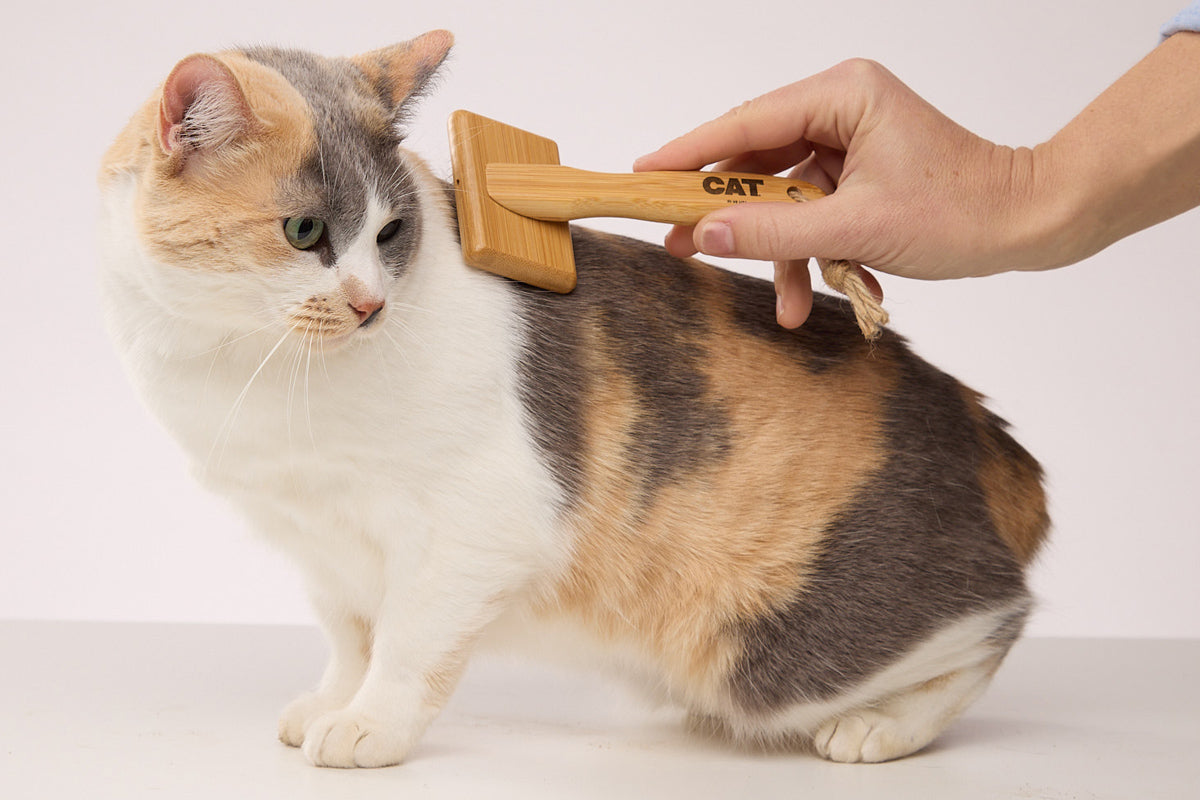
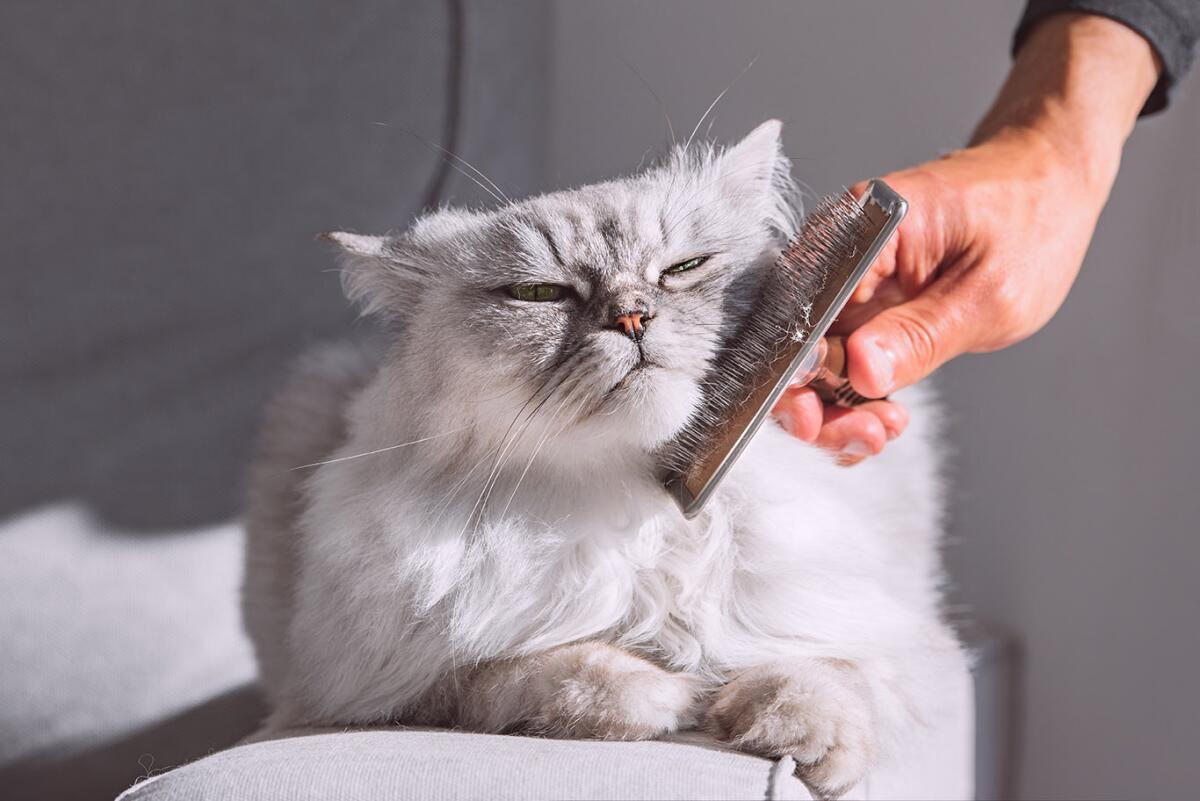
Use a brush suited to your cat’s coat type. Soft-bristle brushes work well for short-haired cats, while slicker brushes or combs with wider teeth are better for long-haired cats.
Start brushing gently along the direction of hair growth. Pay special attention to areas like behind the ears and under the legs, where mats often develop. Do you notice your cat enjoying certain strokes more? Focus on those to make grooming a bonding time.
Bathing Frequency
Unlike dogs, cats usually groom themselves and rarely need baths. Bathing too often can strip their coat of natural oils, leading to dry skin.
Only bathe your cat if they get into something particularly dirty or sticky, or if your vet advises it. When you do bathe your cat, use a shampoo specifically made for felines and keep the experience calm to avoid stress.
Nail Trimming Tips
Regular nail trimming prevents your cat from scratching furniture and helps avoid painful overgrowth. Trim nails every two to three weeks, depending on how active your cat is.
Use a sharp, cat-specific nail clipper. Hold your cat’s paw firmly but gently, and trim only the sharp tip, avoiding the pink quick inside the nail. If you’re unsure, ask your vet to show you the proper technique.
Ear And Eye Cleaning
Check your cat’s ears weekly for dirt, wax buildup, or signs of infection like redness or odor. Clean ears gently with a damp cotton ball or a vet-approved ear cleaner—never use cotton swabs deep inside the ear.
For eyes, wipe away any discharge with a soft, damp cloth. Persistent redness or excessive tearing should prompt a vet visit. Keeping these areas clean helps prevent infections and keeps your cat comfortable.
Grooming Basics For Dogs
Grooming is essential for a dog’s health and happiness. Regular care keeps their coat shiny and skin healthy. It also helps prevent infections and discomfort. Understanding basic grooming needs makes the process easier and safer for your pet.
Different Coat Types
Dogs have various coat types that need specific care. Some have short, smooth fur, while others have long or curly coats. Double coats are thick and need more attention. Each coat type affects how often you groom your dog and the tools you use.
Brushing And Dematting
Brushing removes loose hair and dirt from the coat. It prevents tangles and mats that cause pain. Use a brush suited to your dog’s coat type. Work gently to avoid hurting your dog. Regular brushing keeps the coat clean and healthy.
Bathing Guidelines
Bathe your dog only when necessary. Too many baths can dry out their skin. Use a mild dog shampoo to protect their coat. Rinse well to remove all soap. Dry your dog completely to avoid skin problems.
Nail Care
Trim your dog’s nails to prevent overgrowth and pain. Long nails can cause walking issues. Use a sharp nail clipper made for dogs. Cut small amounts at a time to avoid bleeding. Regular nail checks help maintain comfort.
Ear And Teeth Maintenance
Clean your dog’s ears with a damp cloth or vet-approved solution. Check for redness or bad odor. Brush your dog’s teeth with a pet-safe toothpaste. Healthy teeth prevent bad breath and dental diseases. Regular care keeps ears and teeth in good shape.
Comparing Coat Maintenance
Coat maintenance plays a big role in the grooming needs of cats and dogs. Both animals have unique hair types and shedding habits. Understanding these differences helps keep pets healthy and comfortable. It also makes grooming easier and less stressful for owners.
Shedding Patterns
Cats usually shed lightly all year. Some breeds shed more during spring and fall. Dogs show more variety. Some dogs shed heavily, others very little. Breeds with thick coats often shed large amounts twice a year.
Regular brushing helps control shedding in both cats and dogs. It removes loose fur before it falls around the home.
Matting Risks
Cats rarely develop mats if brushed weekly. Their fur is softer and shorter on many breeds. Long-haired cats need more frequent grooming to avoid tangles and mats.
Dogs face higher matting risks, especially breeds with curly or long hair. Mats can cause skin problems and pain. Grooming with the right tools reduces matting risks.
Seasonal Changes
Both cats and dogs grow thicker coats in winter. This natural process keeps them warm. In warmer months, they shed to cool down.
Pets may need more grooming during these changes. Removing extra fur helps prevent overheating and skin issues.
Credit: thevets.com
Health Benefits Of Grooming
Grooming your pet does more than keep them looking good—it plays a crucial role in their overall health. Both cats and dogs benefit from regular grooming sessions that support their skin and coat, help catch health issues early, and reduce the risk of infections. Understanding these health benefits can motivate you to make grooming a consistent part of your pet’s routine.
Skin And Coat Health
Regular grooming removes dirt, dead hair, and excess oils from your pet’s skin and coat. This helps prevent mats and tangles that can cause discomfort, especially for long-haired dogs and cats. When I started brushing my dog twice a week, I noticed his coat became shinier and softer within a month.
Grooming also stimulates natural oil production, which keeps the skin hydrated and healthy. Cats tend to groom themselves, but they often miss spots, especially as they age. Dogs usually need more help, particularly breeds with thick or curly coats.
Detecting Parasites
Grooming is a perfect time to check for parasites like fleas and ticks. These pests can hide in dense fur and cause serious health problems if left untreated. During a routine brush, you might spot tiny black specks (flea dirt) or even the ticks themselves before they become a bigger issue.
Have you ever found a tick during grooming? Catching it early can save you costly vet visits and prevent diseases like Lyme disease. Cats and dogs both need these checks, but dogs are more likely to pick up ticks during outdoor play.
Preventing Infections
Keeping your pet clean reduces the risk of skin infections caused by bacteria and yeast. Grooming helps remove allergens and irritants that can trigger inflammation or hotspots. I once ignored a small patch of redness on my cat’s skin, but after regular cleaning, it healed quickly without needing medication.
Pay special attention to areas like ears, paws, and under the tail, where infections are common. Dogs often get ear infections if their ears aren’t cleaned regularly, while cats can develop infections from scratches if their claws aren’t trimmed. Simple grooming steps can keep your pet comfortable and healthy.
Tools For Grooming Cats And Dogs
Grooming pets is a crucial aspect of their care. Cats and dogs have different grooming needs. Each type of pet requires specific tools. These tools ensure their coat and skin remain healthy. Let’s explore the essential grooming tools for both cats and dogs.
Brushes And Combs
Brushes and combs vary for cats and dogs. Cats often need fine-toothed combs. These remove loose fur and prevent matting. Dogs may require different brushes based on their coat type. Slicker brushes suit long-haired breeds. Short-haired dogs benefit from bristle brushes. Regular brushing keeps their coat shiny and reduces shedding.
Clippers And Scissors
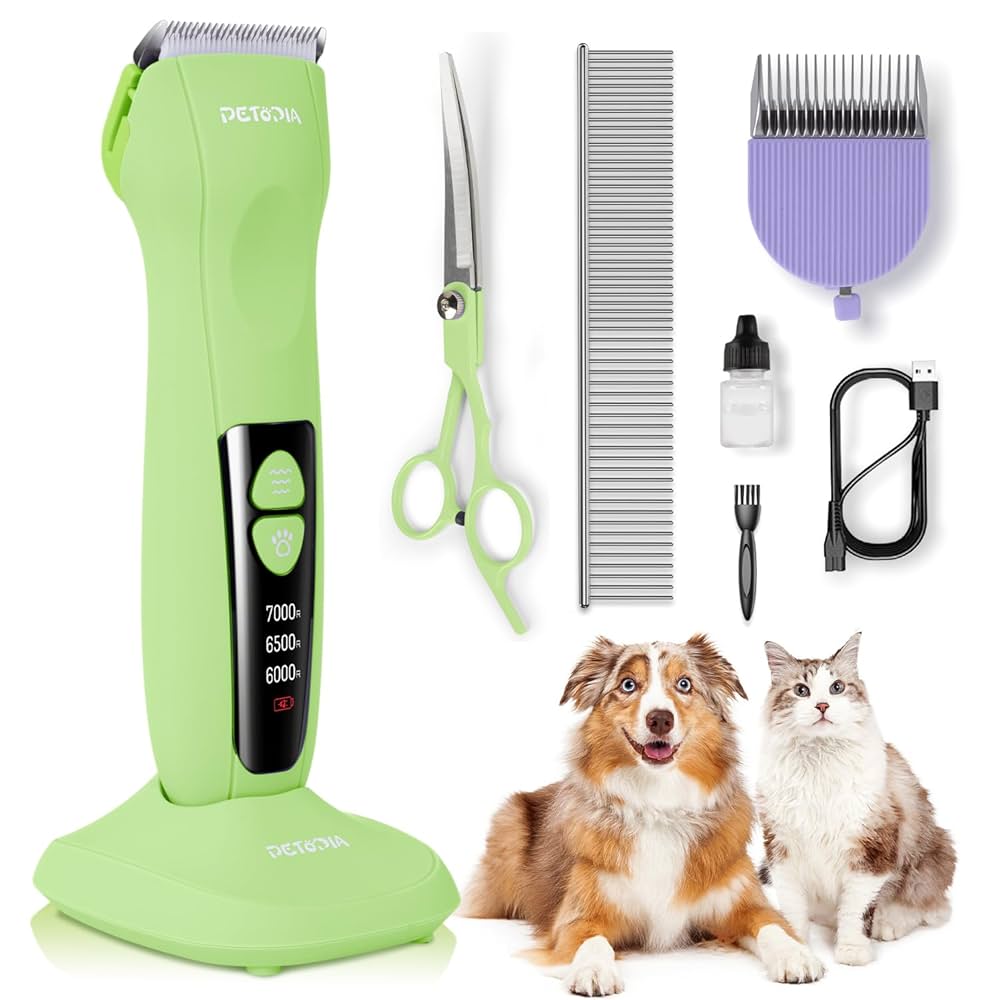
Clippers are vital for both pets. Cats usually need clippers for their nails. This prevents them from becoming sharp and dangerous. Dogs often require both clippers and scissors. Clippers trim long hair, while scissors handle delicate areas. Proper tools ensure a safe grooming experience.
Bathing Supplies
Bathing supplies differ for cats and dogs. Cats need gentle shampoo. This protects their sensitive skin. Dogs might need specific shampoos for their coat type. Bathing also requires towels and a safe, non-slip surface. Regular baths keep pets clean and comfortable. Always choose pet-friendly products for their safety.
Handling Grooming Challenges
Handling grooming challenges for cats and dogs requires patience and understanding. Each pet has unique reactions to grooming, and recognizing these behaviors helps you manage their needs better. Let’s look at how to deal with common issues you might face during grooming sessions.
Dealing With Anxious Pets
Many pets feel nervous during grooming, especially cats who often dislike being restrained. To ease anxiety, create a calm environment with soft voices and gentle movements. Try short grooming sessions initially to build trust and gradually increase the time.
Using treats or favorite toys can distract your pet and make grooming feel like a positive experience. Have you noticed your pet’s body language changing when they get anxious? Learning these signs early can prevent stressful situations.
Managing Aggressive Behavior
Some pets may become aggressive due to fear or discomfort. If your dog or cat shows signs like growling, hissing, or snapping, stop immediately to avoid injury. Use protective gloves and keep grooming tools out of reach until your pet calms down.
Breaking grooming into smaller tasks can help reduce frustration. For example, brush one area at a time instead of tackling the whole body at once. Have you tried talking softly and reassuring your pet during these moments? It often helps lower their stress levels.
Professional Grooming Services
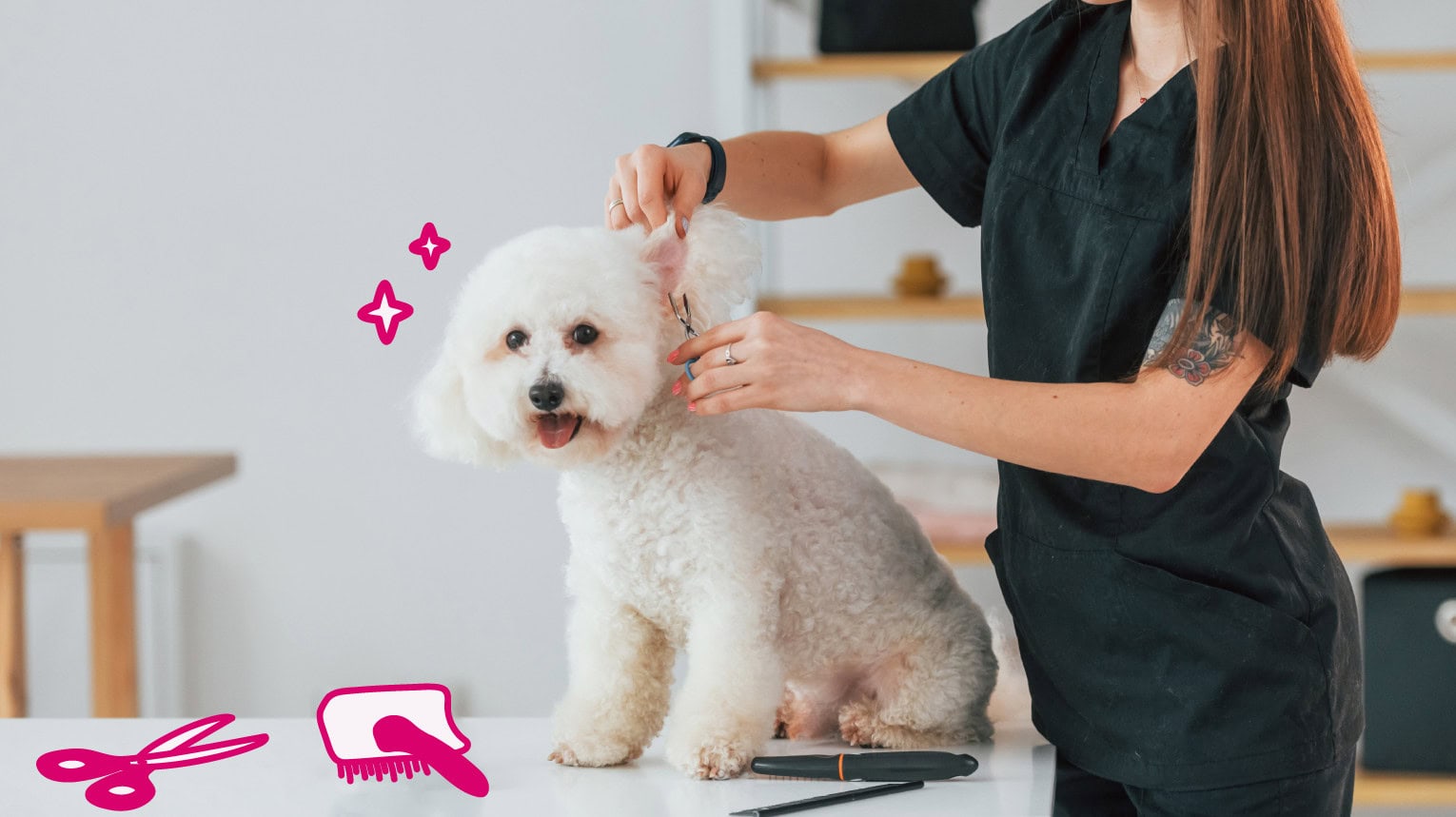
When handling grooming challenges becomes overwhelming, consider professional groomers. They are trained to manage anxious or aggressive pets safely and efficiently. Professionals also have specialized tools that make the process quicker and less stressful.
Look for groomers who offer a trial session or are willing to discuss your pet’s specific needs. This can give you peace of mind and ensure your pet feels comfortable. Would you be more confident leaving your pet with a professional after a consultation?
Grooming Frequency And Scheduling
Grooming frequency and scheduling vary greatly between cats and dogs. Both animals have unique needs based on their coat type, lifestyle, and health. Establishing a proper grooming routine helps keep pets clean, comfortable, and healthy. This section explores how often cats and dogs require grooming and the factors that influence these schedules.
Daily Vs Weekly Routines
Cats usually groom themselves daily. They lick their fur to remove dirt and loose hair. Owners may only need to brush long-haired cats once or twice a week. Dogs often require more regular grooming. Many dogs benefit from brushing several times a week to reduce shedding and tangles. Baths for dogs usually happen every few weeks, depending on activity and coat type.
Seasonal Adjustments
Pets shed more during seasonal changes. Cats shed loose fur mainly in spring and fall. Dogs often experience heavy shedding during these times. Increasing grooming frequency helps manage shedding and prevents mats. Extra brushing sessions can remove dead hair and keep the coat healthy. Seasonal grooming also supports skin health by distributing natural oils.
Age And Breed Considerations
Young pets often need more frequent grooming to adapt to coat changes. Older pets may require gentler care and shorter sessions. Breed plays a big role in grooming needs. Short-haired breeds need less frequent brushing. Long-haired or double-coated breeds require regular, thorough grooming. Some breeds need professional grooming every few months for trimming and styling.
Credit: dogbydrlisa.com
Diy Grooming Vs Professional Care
Cats often need less frequent grooming than dogs, but both benefit from regular care. Professional grooming handles tough tasks, while DIY works well for simple brushing. Each pet’s coat and behavior shape the best grooming approach.
Deciding between DIY grooming and professional care for your beloved pets can be a tricky choice. Both cats and dogs have unique grooming needs, and understanding when to tackle these tasks yourself or when to seek a professional’s help can make all the difference. Let’s dive into the nuances of DIY grooming versus professional care for your furry friends.When To Groom At Home
Grooming your pet at home can be both rewarding and budget-friendly. If your cat or dog has a short coat and is generally well-behaved during grooming sessions, home grooming might be the way to go. Regular brushing, nail trimming, and occasional baths can often be managed with basic tools like a brush, nail clippers, and pet-friendly shampoo. Consider your pet’s comfort level. Does your dog enjoy being brushed, or does your cat purr contentedly during a bath? If yes, then home grooming can strengthen the bond between you and your pet. Plus, you’ll have the satisfaction of knowing you’re taking an active role in their well-being.Signs You Need A Pro
Sometimes, it’s best to leave grooming to the professionals. If your pet has a thick or matted coat, it might be beyond what you can handle at home. Professional groomers have the expertise and tools to safely and effectively manage these situations. Look out for signs of distress during grooming. If your pet becomes anxious or aggressive, it might be time to call in a pro. Additionally, if there are any skin conditions or parasites, a professional groomer can address these with specialized treatments.Cost And Time Factors
Grooming costs can vary widely depending on your location and the size of your pet. Professional grooming can be more expensive, but it often saves you time and ensures a thorough job. Consider what your time is worth and the convenience of having someone else handle the task. DIY grooming is typically less expensive upfront, as you only need to invest in grooming tools. However, it requires a time commitment. Ask yourself: do you have the time to consistently groom your pet? Balancing cost with time and expertise is key to deciding which option suits you best. Choosing between DIY grooming and professional care doesn’t have to be an all-or-nothing decision. You might find a combination of both works best for you and your pet. What matters most is ensuring your pet is clean, healthy, and happy.
Credit: www.amazon.com
Frequently Asked Questions
What Are The Basic Grooming Needs Of Cats Versus Dogs?
Cats primarily groom themselves but need occasional brushing, especially long-haired breeds. Dogs require regular baths, brushing, nail trimming, and ear cleaning depending on their breed and coat type.
How Often Should Cats And Dogs Be Bathed?
Cats rarely need baths unless very dirty or ill. Dogs usually need bathing every 4 to 6 weeks, but it varies by breed, activity level, and skin condition.
Do Cats And Dogs Need Nail Trimming Equally?
Yes, both cats and dogs need regular nail trimming. Dogs’ nails grow fast and may require monthly trimming. Cats also benefit from trimming to avoid overgrowth and damage.
How Does Brushing Differ Between Cats And Dogs?
Cats need gentle brushing to reduce shedding and hairballs. Dogs require brushing frequency based on coat type, from daily for long-haired breeds to weekly for short-haired ones.
Conclusion
Cats and dogs have different grooming needs. Dogs often need regular baths and brushing. Cats usually groom themselves but still need help sometimes. Both pets benefit from nail trims and ear cleaning. Knowing these differences helps keep them healthy and happy.
Simple care routines make grooming easier. Pay attention to your pet’s unique needs. Small efforts can build a strong bond. Taking time for grooming shows love and care. It helps prevent health problems too. Keep your furry friend clean and comfortable every day.


Leave a Reply