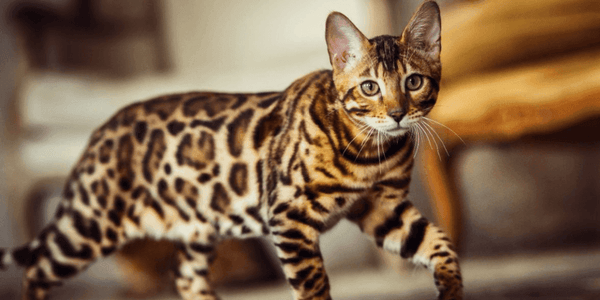
Are you fascinated by the stunning looks and playful nature of Bengal cats? Imagine not just owning one but becoming a breeder who shapes the future of this unique breed.
Getting into breeding Bengal cats is more than just a hobby—it’s a chance to connect deeply with these beautiful animals and share their charm with others. But how do you start? What should you know before taking this exciting step?
Keep reading, and you’ll discover everything you need to turn your passion into a rewarding experience.
Credit: pethelpful.com
Choosing Bengal Cats
Choosing the right Bengal cats is the first step in successful breeding. The selection affects the health, temperament, and quality of the kittens. Take time to learn about the breed and find cats that meet high standards. This helps ensure strong and beautiful offspring.
Selecting Healthy Cats
Health is the top priority when selecting Bengal cats. Look for cats with clear eyes, clean ears, and shiny coats. Check for any signs of illness or genetic problems. Vaccinations and vet checks should be up to date. Healthy cats have good energy and a strong appetite.
Understanding Bengal Traits
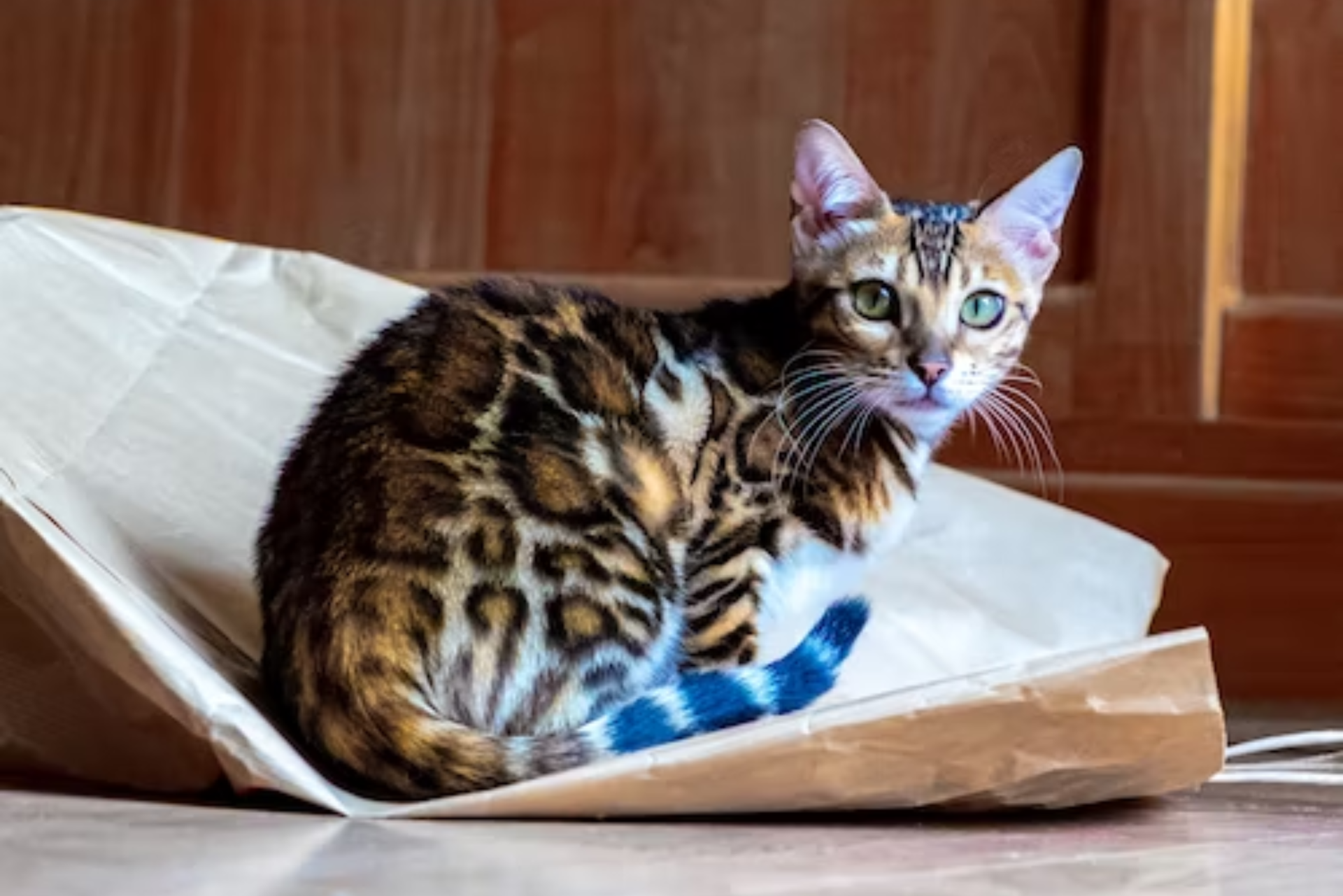
Bengal cats have unique physical and behavioral traits. Their spotted or marbled coat resembles wild leopards. They are active, curious, and playful. Understanding these traits helps in choosing cats that fit your breeding goals. Select cats with strong markings and balanced temperaments for best results.
Finding Reputable Breeders
Reputable breeders provide healthy, well-socialized Bengal cats. They follow ethical breeding practices and offer health guarantees. Research breeders carefully by reading reviews and visiting their cattery. A good breeder shares knowledge and supports new breeders. This connection is valuable for guidance and advice.
Setting Up Your Breeding Space
Setting up the right space is vital for breeding Bengal cats. The area must keep cats safe, comfortable, and stress-free. A well-prepared environment helps with healthy pregnancies and happy kittens. Thoughtful planning creates a smooth breeding experience.
Creating A Safe Environment
Choose a quiet, low-traffic room for breeding. Ensure the space is secure with no escape routes. Keep harmful objects and chemicals out. Provide hiding spots to help cats feel safe. Good ventilation is important for fresh air and comfort. Maintain a steady temperature to avoid stress.
Essential Supplies For Breeding
Gather these items to support your Bengal cats:
- Comfortable bedding for rest and warmth
- Separate litter boxes to keep the area clean
- Food and water bowls with fresh supplies
- Heating pads or lamps for newborn kittens
- Health and grooming tools like brushes and nail clippers
- Safe toys to reduce stress and boredom
Managing Hygiene And Comfort
Clean the breeding space daily to prevent illness. Change bedding often to keep it fresh. Use mild, pet-safe cleaning products. Monitor humidity to avoid dampness or dryness. Provide soft blankets and warm areas for kittens. Regularly check for signs of discomfort or health issues. A clean, cozy space supports strong, healthy cats.
Breeding Basics
Breeding Bengal cats can be a rewarding experience. Understanding the basics is crucial. This section will guide you through the key aspects of breeding. Start by familiarizing yourself with the Bengal cat’s breeding cycle. Ensure you know the mating process and the timing involved. Recognizing pregnancy signs and providing proper care is essential.
Knowing The Breeding Cycle
Bengal cats have a specific breeding cycle. It usually occurs every 14 to 21 days. The cycle has four phases: proestrus, estrus, metestrus, and anestrus. During proestrus, the female shows interest in males but doesn’t mate. Estrus is the fertile period. Here, the female seeks a mate. Metestrus follows estrus if mating doesn’t occur. Anestrus is the resting phase, with no breeding activity.
Mating Process And Timing
Timing is crucial for successful mating. The female is most receptive during estrus. This period lasts about four to six days. Introduce the male at this time. Ensure the environment is calm and stress-free. Mating often requires multiple attempts. Observe the pair to ensure successful mating. Note any signs of aggression or discomfort.
Pregnancy Signs And Care
After successful mating, watch for pregnancy signs. Increased appetite and nipple changes may occur. Weight gain and a gentle temperament are also indicators. Provide a nutritious diet and regular vet check-ups. Keep the environment quiet and comfortable. Prepare a birthing area as the due date nears. Supportive care ensures a healthy pregnancy and delivery.

Credit: purebredkitties.com
Caring For Bengal Kittens
Caring for Bengal kittens is a rewarding experience that demands attention, patience, and knowledge. These energetic and curious cats need proper care from birth to ensure they grow into healthy, well-adjusted adults. Understanding the essentials of kitten care can help you give your Bengals the best start in life.
Newborn Kitten Care
Newborn Bengal kittens rely entirely on their mother for warmth and nutrition. You should make sure the nesting area is quiet, clean, and warm—around 85°F (29°C) during the first week. Keep a close eye on the kittens to ensure they are nursing frequently and gaining weight steadily.
If the mother is unavailable or unable to nurse, you must feed the kittens with a kitten milk replacer every 2-3 hours. Avoid cow’s milk as it can cause digestive upset. Handling the kittens gently and minimally during the first two weeks helps prevent stress and supports their development.
Weaning And Nutrition
Starting at about 4 weeks old, kittens begin the weaning process. Introduce soft, wet kitten food mixed with kitten milk replacer to make the transition easier. Gradually reduce the milk replacer as they start eating more solid food.
By 8 weeks, kittens should be fully eating a high-quality kitten diet rich in protein and essential nutrients. You can monitor their weight and energy levels to ensure they are thriving. If you notice any digestive issues, consult a vet promptly to adjust their diet.
Socializing Kittens
Socialization shapes how your Bengal kittens behave throughout their lives. Begin gentle handling and play sessions at around 3 weeks old to get them comfortable with human interaction. Expose them to various sounds, sights, and safe experiences gradually to build their confidence.
Encourage positive interactions with other pets and people to avoid future aggression or fear. Have you noticed how a well-socialized kitten adapts quickly to new environments? Your early efforts here pay off in a friendly, well-rounded Bengal cat.
Health And Genetics
Understanding health and genetics is crucial if you want to breed Bengal cats responsibly. These cats are beautiful and unique, but their well-being depends heavily on good genetic practices and health care. Focusing on these areas can help you avoid serious problems and produce strong, healthy kittens.
Genetic Testing And Screening
Genetic testing helps you identify potential hereditary issues before breeding. It’s important to test for diseases common in Bengals, such as hypertrophic cardiomyopathy (HCM) and progressive retinal atrophy (PRA). Knowing your cat’s genetic status prevents passing on harmful traits to the next generation.
Many breeders trust specialized labs that offer quick and reliable results. You can also screen for common traits like coat patterns to ensure breed standards. Have you considered how much peace of mind genetic testing could add to your breeding program?
Common Health Issues
Bengal cats are prone to specific health problems that breeders should watch closely. Apart from HCM and PRA, they might face hip dysplasia or patellar luxation. Early detection is key—regular vet check-ups can catch these problems before they worsen.
It helps to keep a health record for each cat. This way, you track symptoms and treatments easily. What steps are you taking to spot health issues early in your cats?
Preventive Healthcare
Preventive healthcare keeps your Bengal cats in top shape and reduces risks. Vaccinations, parasite control, and dental care should be routine. A balanced diet and regular exercise are just as important to maintain their muscular build and energy.
Routine blood tests and heart screenings can catch hidden problems before symptoms appear. Preventive care is an investment that saves you from costly treatments later. Are you ready to create a healthcare plan that supports your cats’ long-term health?
Legal And Ethical Considerations
Before diving into Bengal cat breeding, you need to understand the legal and ethical responsibilities involved. These considerations protect the cats, your reputation, and ensure you operate within the law. Breeding Bengal cats isn’t just about pairing two beautiful animals; it requires careful attention to rules and moral guidelines.
Licensing And Regulations
Check your local and national laws about animal breeding. Some areas require specific licenses to breed cats legally. Without the right permits, you could face fines or even be forced to stop breeding.
Research the regulations on animal welfare, sales, and breeding limits. For example, some states limit the number of cats you can keep or sell annually. Staying informed helps you avoid legal trouble and keeps your Bengal cats safe.
Ethical Breeding Practices
Ethical breeding means prioritizing the health and well-being of your Bengal cats over profits. You should screen breeding pairs for genetic diseases common in Bengals, like hypertrophic cardiomyopathy. Ignoring health can lead to suffering and poor-quality kittens.
Think about the living conditions you provide. Are your cats comfortable, clean, and mentally stimulated? Ethical breeders only sell kittens to responsible owners who can give them lifelong care.
Ask yourself: Are you ready to invest time and resources into each cat’s health and happiness? This commitment defines your success as an ethical breeder.
Record Keeping
Keep detailed records of your cats’ health, breeding history, and lineage. This data is crucial for tracking genetic traits and ensuring responsible breeding decisions. It also helps you provide accurate information to buyers.
Good records include vaccination dates, vet visits, and any health issues. Organize this information in a digital or physical format you can easily update and access.
How will you maintain transparency with buyers and regulatory bodies? Accurate record keeping builds trust and demonstrates your professionalism in Bengal cat breeding.
Marketing And Selling Kittens
Marketing and selling Bengal kittens requires careful planning and clear communication. The goal is to find buyers who will provide loving homes. Presenting kittens well helps attract serious buyers. Pricing must reflect the kitten’s quality and market demand.
Finding The Right Buyers
Target people who understand Bengal cats’ needs and traits. Use breed-specific forums and social media groups. Attend cat shows and local pet events to meet enthusiasts. Screen potential buyers with questions about their experience and home environment. This ensures kittens go to caring homes.
Setting Prices
Research prices for Bengal kittens in your area. Consider the kitten’s pedigree, health, and markings. Avoid setting prices too low or too high. Fair pricing builds trust and attracts genuine buyers. Include costs for vaccinations and initial vet checks in the price.
Creating Effective Listings
Write clear and honest descriptions of each kitten. Include details about personality, health, and care. Use high-quality photos showing the kitten’s appearance and behavior. Highlight special traits like unique spots or patterns. Add contact information and buying terms clearly.

Credit: zigly.com
Resources For Bengal Breeders
Starting as a Bengal cat breeder needs access to good resources. These resources help you care for cats and run your breeding program well. They offer support, knowledge, and tools to improve your breeding efforts.
Finding the right communities, veterinary care, and learning materials is key. These elements build a strong foundation for success and healthy Bengals.
Breeder Communities
Joining breeder communities connects you with others who share your passion. These groups share advice, experiences, and support. They often meet online or in person.
- Forums and social media groups offer daily tips and discussions.
- Local breeder clubs provide networking and events.
- National Bengal cat associations set breeding standards and offer resources.
Being part of a community helps solve problems quickly. It also keeps you updated on breeding trends and regulations.
Veterinary Support
Trusted veterinary care is essential for Bengal cats’ health. Find vets experienced with exotic and pedigree breeds. They guide you on vaccinations, nutrition, and breeding health.
- Routine check-ups ensure cats stay healthy.
- Genetic testing helps avoid hereditary diseases.
- Emergency care is vital for unexpected health issues.
Work closely with your vet to monitor breeding cats and kittens. Good veterinary support improves your breeding outcomes.
Educational Materials
Learning about Bengal cats helps you breed responsibly. Use books, online courses, and videos focused on Bengal care and breeding.
- Books cover genetics, nutrition, and breeding techniques.
- Webinars and courses offer expert advice and new research.
- Videos demonstrate care routines and breeding best practices.
These materials build your knowledge and confidence. They prepare you for challenges and enhance your breeding skills.
Frequently Asked Questions
What Are The First Steps To Start Bengal Cat Breeding?
Begin by researching Bengal cat genetics, health, and breed standards. Find reputable mentors and join Bengal cat breeder groups. Prepare a clean, safe environment and secure proper licenses before acquiring your first breeding cats.
How Do I Choose Healthy Bengal Cats For Breeding?
Select Bengal cats with excellent health, clear pedigrees, and no genetic disorders. Prioritize cats with strong temperaments and conformation that meets breed standards to ensure quality offspring.
What Legal Requirements Apply To Bengal Cat Breeding?
Check local and national regulations for animal breeding licenses, health certificates, and business permits. Comply with animal welfare laws and maintain proper documentation for all cats.
How Can I Ensure Good Care For Bengal Kittens?
Provide a clean, warm environment, balanced nutrition, and regular veterinary check-ups. Socialize kittens early to encourage healthy behavior and monitor their growth closely.
Conclusion
Breeding Bengal cats takes patience and care. You must learn about their health and behavior first. Choose healthy cats with good traits to start. Keep their environment clean and safe. Track their growth and watch for any problems. Talk to other breeders and join clubs.
This helps you learn and improve your skills. Enjoy the journey of raising these beautiful cats. It brings joy and new challenges every day. Stay committed, and you can raise strong, happy Bengal cats.

Leave a Reply