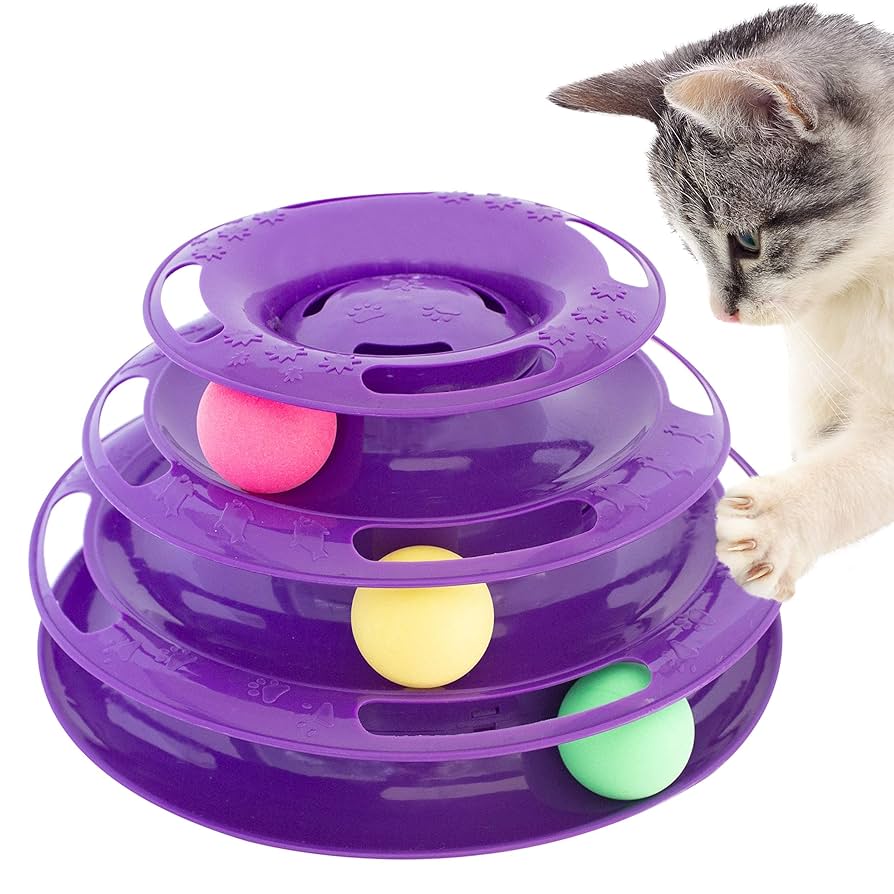
If you have rats as pets, you want to make sure their toys are safe and fun. You might be wondering, are plastic cat toy balls okay for your rats?
It’s a smart question because not all toys made for cats are suitable for small animals like rats. Your rats’ health and happiness depend on the right choices. Keep reading to find out what you should know before giving your rats those colorful plastic balls, and how to keep their playtime safe and exciting.

Credit: www.ebay.com
Plastic Cat Toys For Rats
Plastic cat toys can catch a rat’s interest. Rats love to explore and chew things around them. Plastic cat toy balls often come in bright colors and different shapes. These toys can provide both fun and mental exercise for rats. But not all plastic toys are safe. Choosing the right kind is very important for your pet’s health.
Types Of Plastic Toys Used
- Simple hollow balls with holes for easy gripping
- Rolling balls with bells inside to make noise
- Textured balls with small bumps or ridges
- Interlocking plastic rings or shapes that attach together
Each type offers different ways for rats to interact. Some encourage chewing, others promote chasing or carrying. The design affects how safe and engaging the toy is for your pet.
Common Features Of Cat Toy Balls
- Lightweight material for easy movement
- Non-toxic plastic to avoid harm if chewed
- Holes or openings for paws and teeth
- Bright colors to attract attention
- Durable enough to last but soft enough to avoid injury
These features make plastic cat toy balls a good option for rats. They help keep rats active and entertained. Always supervise your rat to ensure the toy stays intact and safe.
Safety Concerns For Rats
When considering plastic cat toy balls for your rats, safety should be your top priority. Rats are curious and enthusiastic chewers, which means the toys you choose must not pose risks to their health. Understanding the potential safety concerns can help you make better choices for your furry friends.
Potential Choking Hazards
Plastic cat toy balls often have small parts or holes that can trap a rat’s teeth or tongue. This can cause choking or injury if they get stuck. Always check the size of the toy—if it’s small enough to fit in your rat’s mouth, it might be a choking hazard.
Think about how your rat plays. Does it aggressively chew or try to dismantle toys? If yes, you should avoid toys with detachable or breakable parts. Your rat’s safety is more important than saving a few dollars on a toy.
Toxicity Of Plastic Materials
Not all plastics are safe for chewing animals like rats. Some contain harmful chemicals like BPA or phthalates that can leach out and harm your pet. If the toy isn’t labeled as non-toxic or safe for pets, it’s best to avoid it.
Consider this: rats constantly chew to wear down their teeth. If they ingest tiny plastic shards, it could lead to internal damage or poisoning. Always look for products made from food-grade or pet-safe materials.
Durability And Chewing Risks
Rats have strong teeth and can quickly destroy flimsy plastic toys. Once broken, sharp edges or small pieces can injure your pet. A toy that isn’t durable enough might do more harm than good.
Choose toys designed specifically for rodents or made of harder, chew-resistant materials. You want a toy that lasts and keeps your rat safe, not one that becomes a hazard after a few minutes of play.
Behavioral Impact On Rats
Plastic cat toy balls may cause stress or harm to rats if chewed or swallowed. Observing rats’ behavior helps decide if these toys are safe for them. Providing proper rat-friendly toys is a safer choice for their well-being.
Understanding the behavioral impact of plastic cat toy balls on rats can help you make better choices for your pet. Rats, like many animals, thrive on stimulation and enrichment, and their environment plays a crucial role in their overall well-being. However, not all toys are suitable for every pet, and it’s essential to recognize how these toys might affect your rat’s behavior.Stimulation And Enrichment
Plastic cat toy balls can be a great source of stimulation for your rats. These toys encourage physical activity as your pet pushes, chases, or even climbs over them. The bright colors and the rattling noise can captivate your rat’s attention, promoting mental engagement. Consider introducing these toys alongside other enrichment activities like tunnels or chew toys. This variety ensures your rat remains entertained and mentally stimulated. Have you noticed how your rat reacts to different textures and sounds? Observing their preferences can guide you in selecting the most enriching toys.Stress Or Anxiety Triggers
While plastic cat toy balls can be stimulating, they might also induce stress or anxiety in some rats. Loud noises or unexpected movements from these toys might startle your pet. If your rat seems hesitant or avoids the toy, it might be best to remove it. Observe your rat’s behavior closely when introducing new toys. Are they hiding more often or displaying aggressive behaviors? These could be signs that the toy is causing stress. Balancing fun and comfort is key to a happy pet environment. Always prioritize your rat’s comfort and well-being over introducing new toys.
Credit: petscathouse.com
Alternatives To Plastic Toys
Plastic toys might seem convenient, but they aren’t always the best choice for your rat’s health and happiness. Many plastics can contain harmful chemicals or break into sharp pieces, posing risks. Fortunately, there are safer, more enjoyable alternatives that your rat will love.
Natural Material Toys
Rats enjoy chewing and exploring textures. Toys made from natural materials like untreated wood, wicker, or cardboard provide safe and satisfying options. These materials break down harmlessly if nibbled, unlike plastic which can splinter dangerously.
You can find natural chew sticks or tunnels made from hay or coconut fiber. These not only keep your rat entertained but also help maintain healthy teeth. Ever noticed how your rat prefers the crunch of wood over plastic? That’s a good sign!
Diy Toy Ideas
Making toys at home can save money and let you customize for your rat’s preferences. Use simple household items like paper towel rolls, cardboard boxes, or fabric scraps. Cut holes in boxes to create hideouts or stuff paper tubes with treats to encourage foraging.
Adding safe, natural scents like a bit of dried herbs can make playtime more stimulating. Have you tried watching your rat solve a homemade puzzle? It’s amazing how clever and engaged they get with simple DIY toys.
Commercial Safe Toys For Rats
Many pet stores now offer toys designed specifically for small animals, made from safe, non-toxic materials. Look for items labeled as rat-safe or made from natural fibers. Examples include wooden ladders, woven balls, and fabric hammocks.
Choose toys without paint or chemical coatings, and always check for loose parts that could be swallowed. Investing in quality commercial toys can give you peace of mind and your rat hours of fun.
Tips For Choosing Safe Toys
Choosing safe toys for your rat is more than just picking something that looks fun. It involves careful thought about the materials, size, and how you watch your pet play. You want toys that keep your rat entertained without risking their health or safety.
Material Safety Guidelines
Always check what the toy is made of. Avoid plastics that contain harmful chemicals like BPA or phthalates, which can be toxic to rats if chewed. Opt for toys labeled as non-toxic or made from natural materials such as untreated wood or food-grade silicone.
Think about your rat’s chewing habits. Rats love to gnaw, so a toy with peeling paint or loose parts can be dangerous. I once saw a rat get sick from swallowing small plastic shards, which taught me to prioritize solid, durable materials.
Size And Design Considerations
Choose toys that are the right size for your rat to prevent choking hazards. A ball too small can easily be swallowed or get stuck in their throat. On the other hand, a toy that’s too big might be intimidating or difficult for them to handle.
Look for simple designs without sharp edges or detachable parts. Toys with holes should not be large enough for your rat’s head to get stuck. Ask yourself: Could your rat get trapped or injured playing with this toy?
Supervision And Monitoring
Even the safest toy can become a hazard if left unsupervised. Watch how your rat interacts with new toys, especially plastic cat toy balls, during the first few play sessions. This helps you spot any dangerous behavior or potential breakage early.
Regularly inspect toys for signs of wear and tear. Discard any toys that crack, splinter, or break apart. Your rat’s safety depends on your vigilance as much as the toy’s design.
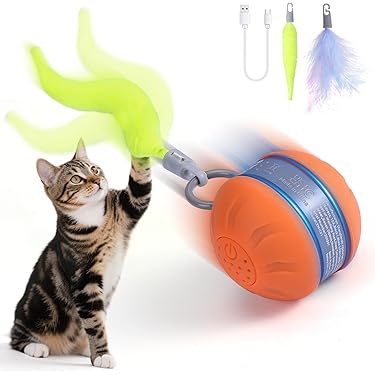
Credit: www.amazon.com
Frequently Asked Questions
Are Plastic Cat Toy Balls Safe For Rats?
Plastic cat toy balls can be risky for rats. Rats may chew and swallow plastic pieces, causing choking or injury. Opt for rat-safe toys made from natural materials or sturdy, non-toxic plastics designed for small animals to ensure safety and durability.
Can Rats Chew Through Plastic Cat Toy Balls?
Yes, rats can chew through plastic cat toy balls. Their sharp teeth can break plastic easily, posing ingestion hazards. Choose toys specifically made for rats to prevent harm and provide safe, engaging play options.
What Are Safer Alternatives To Plastic Cat Toy Balls?
Safer alternatives include wooden blocks, cardboard tubes, and woven grass balls. These materials are natural, non-toxic, and less likely to cause injury. Providing a variety of textures enriches rat playtime and supports their dental health safely.
How To Supervise Rats With Plastic Toys?
Always supervise rats when introducing plastic toys. Monitor for signs of chewing or damage to avoid ingestion risks. Remove toys immediately if broken to prevent choking or internal injuries, ensuring a safe play environment.
Conclusion
Plastic cat toy balls might seem fun for rats, but safety matters most. Rats love to chew, and some plastics can break into sharp pieces. These small parts can hurt or block their stomach. Choose toys made for rats or soft materials like wood or fabric.
Always watch your rat play to keep them safe. Giving your pet safe toys helps them stay happy and healthy. Keep their playtime fun, but also worry-free. Your rat deserves the best care every day.

Leave a Reply