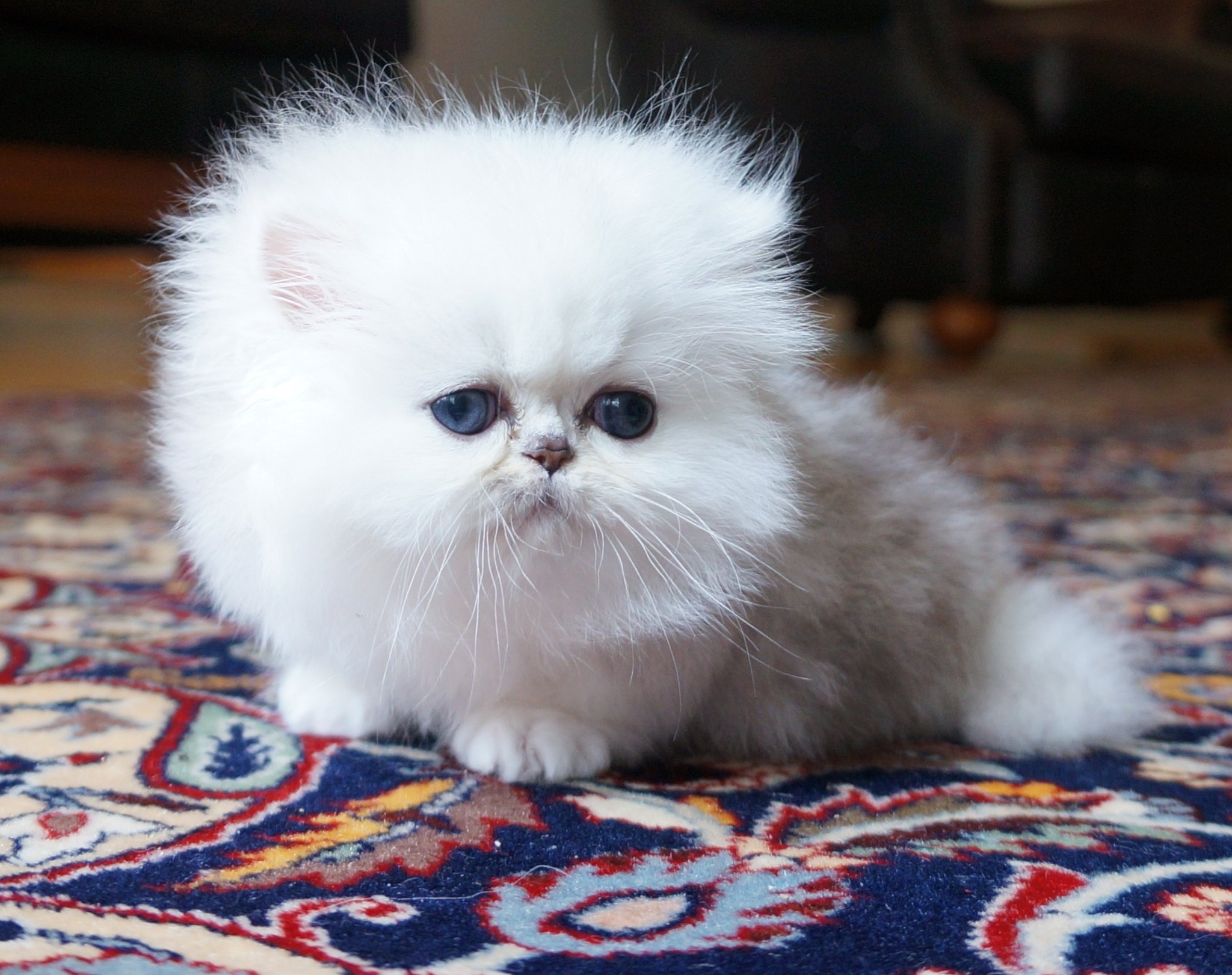
Are you passionate about Persian cats and want to turn that love into a rewarding hobby or business? Becoming a Persian cat breeder isn’t just about having cute cats—it’s about understanding their unique needs, ensuring their health, and raising kittens that bring joy to families.
If you want to know the secrets to breeding healthy, beautiful Persian cats and making your breeding efforts successful, you’re in the right place. Keep reading, and you’ll discover everything you need to start your journey as a confident Persian cat breeder.

Credit: www.kijiji.ca
Choosing Persian Cats
Choosing the right Persian cats is crucial for a successful breeding journey. It affects the health, appearance, and temperament of future litters. This step requires careful thought and attention. Focus on three main areas to ensure quality breeding stock.
Selecting Healthy Cats
Health is the top priority when choosing Persian cats. Look for cats with clear eyes, clean ears, and shiny coats. Avoid cats with signs of illness or injury. Regular vet check-ups and vaccinations are essential. Strong immune systems help reduce risks of hereditary diseases. Ask about the cat’s medical history and any genetic testing done.
Evaluating Breed Standards
Breed standards guide the ideal features of Persian cats. These include body shape, fur length, and facial structure. The cat’s eyes should be large and round. Their coat must be thick and silky. A flat face with a short nose is typical. Knowing these traits helps maintain the breed’s purity. Judges in cat shows use these standards to score cats.
Finding Reputable Sources
Finding trusted breeders or catteries is vital. Good sources prioritize cat health and breed integrity. They provide proper care, socialization, and clear records. Avoid buying from unknown or unreliable sellers. Ask for references and visit the cattery if possible. Online reviews and cat clubs can help identify reputable breeders.
Setting Up Your Breeding Space
Setting up the right breeding space is key to raising healthy Persian cats. A well-prepared area ensures comfort and safety for the mother and her kittens. It also helps you manage the breeding process smoothly. Thoughtful planning can reduce stress for the cats and make your work easier.
Creating A Safe Environment
Choose a quiet, warm room away from loud noises. The space should have good ventilation but no drafts. Use soft bedding to keep the cats comfortable. Keep harmful objects and chemicals out of reach. Make sure the area is secure to prevent escapes or injuries.
Essential Supplies And Equipment
- Cozy nesting boxes for mother and kittens
- Food and water dishes that are easy to clean
- Litter boxes placed in quiet spots
- A heating pad or lamp to keep the area warm
- Grooming tools like brushes and nail clippers
- Scale to monitor kitten growth
- Record-keeping materials for health and breeding data
Maintaining Cleanliness
Clean the breeding area daily to reduce germs and odors. Change bedding often to keep it fresh and dry. Disinfect food and water dishes regularly. Remove litter box waste every day. Wash your hands before and after handling cats. This keeps infections away and creates a healthy space.
Breeding Preparation
Preparing to breed Persian cats demands careful planning and attention. It ensures healthy kittens and maintains breed quality. Breeding preparation involves multiple steps, each important for success and cat well-being.
Health Checks And Vaccinations
Start with a full health exam for both cats. A vet checks for diseases and genetic issues common in Persians. Vaccinations must be up to date to protect mother and kittens. Parasite control is essential. Healthy parents lead to healthy litters.
Tracking Heat Cycles
Understand the female’s heat cycle to plan breeding time. Heat cycles happen every few weeks during breeding season. Signs include vocalizing, restlessness, and affectionate behavior. Record the start and length of each cycle. Accurate tracking helps identify the best time for mating.
Pairing For Best Traits
Choose mates based on health, temperament, and appearance. Aim to improve or maintain Persian breed traits. Avoid breeding cats with known genetic defects. Consider coat color, eye shape, and body structure. Proper pairing creates strong, beautiful kittens.

Credit: lapa.shop
Pregnancy And Birth Care
Caring for pregnant Persian cats requires a quiet and safe space. Regular vet visits and proper nutrition support healthy births and kittens’ growth. Monitoring the mother closely helps ensure a smooth delivery and strong, happy babies.
Pregnancy and birth care are crucial for Persian cat breeders. Proper care ensures healthy mothers and kittens. With attention and preparation, you can support your pregnant cat effectively. This section covers key aspects like monitoring pregnancy, preparing for delivery, and caring for newborns.Monitoring Pregnancy Signs
Observe changes in your cat’s behavior and appetite. Pregnant cats may eat more and seek comfort. Look for physical signs like a swollen belly and larger nipples. Regular vet check-ups confirm pregnancy and assess health.Preparing For Delivery
Create a quiet, warm space for the birth. A box with soft bedding works well. Keep supplies like towels and scissors nearby. Know your vet’s contact information in case of emergencies.Caring For Newborn Kittens
Ensure kittens are warm and nursing properly. Weigh them daily to monitor growth. Clean the nest regularly to maintain hygiene. Watch for signs of illness and consult a vet if needed.Raising Healthy Kittens
Raising healthy Persian kittens requires careful attention from birth. Their early days shape their health and behavior. Good care helps them grow strong and happy. This section covers nutrition, social skills, and health checks. Each part plays a key role in kitten development.
Nutrition And Feeding
Kittens need balanced food for proper growth. Start with the mother’s milk for the first four weeks. It provides essential nutrients and antibodies. After that, introduce high-quality wet kitten food. Offer small, frequent meals throughout the day. Provide fresh water at all times. Avoid giving cow’s milk; it can cause stomach upset.
Socialization Techniques
Early social interaction is vital for Persian kittens. Gently handle them daily to build trust. Introduce different sounds and sights to reduce fear. Let them meet other healthy cats and humans. Playtime encourages mental and physical development. Social kittens become confident and friendly pets.
Regular Health Assessments
Schedule vet visits for vaccinations and check-ups. Watch for signs of illness like sneezing or loss of appetite. Keep their living area clean to prevent infections. Monitor weight and behavior changes closely. Early detection of health issues improves recovery chances.

Credit: www.kittensup4sale.com
Marketing And Selling Kittens
Marketing and selling Persian kittens requires more than just finding buyers; it’s about creating trust, showcasing your cats’ unique qualities, and ensuring they go to loving homes. Your approach can make or break your success as a breeder. How do you stand out in a crowded market while maintaining high standards?
Building A Reputation
Your reputation is the foundation of your breeding business. It grows from consistent quality, ethical practices, and positive interactions with buyers and fellow breeders.
Share detailed stories and photos of your cats’ lineage and health records. This transparency builds confidence and sets you apart from breeders who offer little information.
Think about the last time you trusted a seller—was it because they had good reviews or because they showed genuine care? Your reputation should evoke that same trust.
Advertising Effectively
Choose your advertising channels wisely to reach serious buyers interested in Persian kittens. Social media platforms like Instagram and Facebook allow you to showcase your kittens’ personalities through photos and videos.
Use clear, honest descriptions highlighting traits like coat quality, temperament, and health guarantees. Avoid exaggerations; buyers appreciate straightforwardness.
- Post regularly with updates on kitten growth and milestones.
- Engage with your audience by answering questions promptly.
- Use hashtags relevant to Persian cats to boost visibility.
Have you tried local pet shows or breeder directories? These can connect you with buyers who value pedigree and responsible breeding.
Screening Potential Owners
Not every interested buyer is the right match for your kittens. Screening helps ensure kittens go to homes that will provide love and proper care.
Ask about their experience with cats, living environment, and plans for the kitten. A simple questionnaire can reveal a lot about their readiness.
Consider scheduling a phone call or video chat to discuss expectations. This personal touch not only protects your kittens but also builds relationships with future owners.
Legal And Ethical Considerations
Starting as a Persian cat breeder requires more than love for cats. Legal and ethical rules guide responsible breeding. These rules protect the cats, breeders, and buyers. Understanding these rules helps build trust and a good reputation.
Licensing And Permits
Check local laws about breeding cats. Many places require a license or permit. This ensures breeders follow health and safety rules. Apply for the correct license before starting. Keep it updated to avoid fines or closure.
Animal Welfare Practices
Animal welfare means caring for cats properly. Provide clean, safe, and comfortable living spaces. Feed high-quality food and offer fresh water daily. Give regular vet checkups and vaccinations. Avoid overbreeding to keep cats healthy and happy.
Record Keeping
Keep detailed records of each cat and kitten. Include health history, vaccinations, and breeding dates. Track sales and new owners’ contacts. Good records help with health care and legal proof. Use clear and organized files for easy access.
Continuous Learning
Continuous learning is vital for any Persian cat breeder. The breed has specific needs and standards that evolve over time. Staying informed helps improve breeding quality and cat health. It also strengthens your reputation in the breeding community.
Joining Breeder Communities
Joining breeder communities connects you with experienced breeders. You can share tips, ask questions, and learn from others’ experiences. These groups often discuss health issues, genetics, and care techniques. Being part of a community offers support and updates on best practices.
Attending Cat Shows
Cat shows provide real-life experience with Persian cats. You see different types and qualities of the breed. Judges offer feedback that helps improve your breeding standards. Shows also allow networking with other breeders and experts. This experience sharpens your eye for selecting breeding cats.
Staying Updated On Breed Trends
Breed trends change based on new research and preferences. Follow breed clubs, newsletters, and official breed standards. Learn about health screenings and genetic testing advancements. This knowledge guides you to breed healthier and better-looking Persian cats. Staying updated keeps your breeding program modern and responsible.
Frequently Asked Questions
What Are The First Steps To Start Persian Cat Breeding?
Begin by researching Persian cat genetics and breed standards. Find reputable breeders or clubs for guidance. Prepare a clean, safe environment. Invest in quality food, veterinary care, and proper breeding knowledge before starting.
How Do I Choose Healthy Persian Cats For Breeding?
Select cats with strong health, clear eyes, and good temperament. Check for genetic diseases and pedigree authenticity. Choose cats that meet breed standards for size, coat, and color.
What Are Common Health Issues In Persian Cats?
Persian cats often face respiratory problems, kidney disease, and eye conditions. Regular vet check-ups and proper care help prevent or manage these issues effectively.
How Can I Ensure Ethical Breeding Practices?
Breed responsibly by prioritizing cats’ health and welfare. Avoid overbreeding and genetic defects. Provide proper care, socialization, and transparency with buyers. Follow legal and breed club regulations strictly.
Conclusion
Breeding Persian cats takes patience and care. Know their needs well. Keep their health as a top priority. Choose mates carefully for good traits. Provide a clean and safe home. Learn about genetics and cat behavior. Stay committed to ethical breeding practices.
Enjoy watching your kittens grow strong. This journey brings joy and responsibility. Start small, keep learning every day. Your love helps create happy, healthy cats.

Leave a Reply