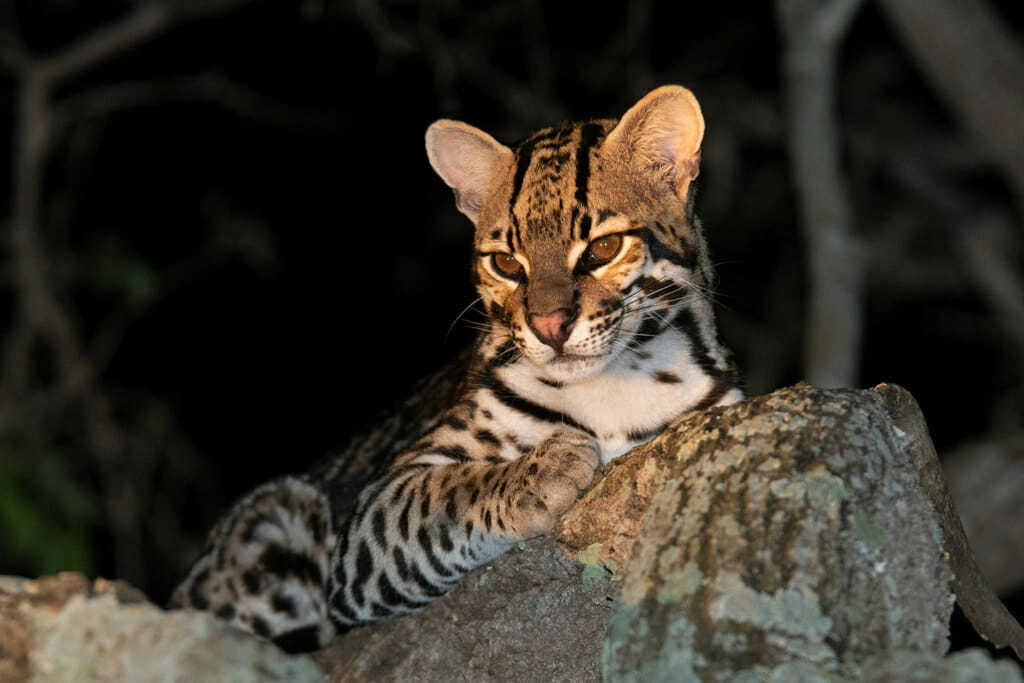
Have you ever wondered how many different kinds of big cats roam the wild? These majestic creatures capture our imagination with their power, beauty, and mystery.
Knowing the exact number of big cat breeds can surprise you and deepen your appreciation for wildlife. You’ll discover the variety of big cats that exist and what makes each one unique. Ready to uncover the secrets of these incredible animals?
Keep reading, and you’ll see the big cats in a whole new light.
Credit: www.thewildlifediaries.com
Big Cat Species Count
Counting the number of big cat species might seem straightforward, but it actually involves understanding what defines a “big cat.” These majestic animals captivate many, yet the exact count depends on classification criteria like size, genetics, and behavior.
Let’s break down the species count to give you a clear picture of how many big cats exist and what makes each unique.
What Defines A Big Cat?
Not every large feline is classified as a big cat. Typically, the term includes members of the Panthera genus, which are capable of roaring due to a specific larynx structure. This group includes lions, tigers, leopards, and jaguars.
Other large cats, like cougars or cheetahs, don’t roar but are still impressive predators. So, the big cat count varies depending on whether you include only roaring cats or all large wild cats.
Official Big Cat Species
- Lion (Panthera leo):Known for their social pride structure and iconic manes.
- Tiger (Panthera tigris):The largest of all big cats, with distinct stripes.
- Leopard (Panthera pardus):Famous for its adaptability and spotted coat.
- Jaguar (Panthera onca):The powerful swimmer with the strongest bite force.
- Snow Leopard (Panthera uncia):Adapted for cold mountain habitats.
These five are widely accepted as the main big cat species. Each has unique traits that make them fascinating to observe or study.
Other Large Cats Often Included
- Cheetah (Acinonyx jubatus):The fastest land animal, known for speed rather than strength.
- Cougar (Puma concolor):Also called mountain lions, with a huge range across the Americas.
- Clouded Leopard (Neofelis nebulosa):Smaller but with a distinct cloud-like pattern on its fur.
While these cats don’t roar, they are often grouped with big cats due to their size and predatory nature. Including them raises the count beyond the classic five Panthera species.
How Many Big Cat Species Are There Exactly?
If you focus strictly on the Panthera genus, there are five recognized big cat species. Adding the non-roaring large cats brings the total to around eight. Your interest might guide which list you consider more relevant.
Have you ever wondered why some cats roar while others don’t? This difference can help you decide which animals fit your idea of a big cat.
Characteristics Of Big Cats
Big cats captivate us with their power and grace. Understanding their characteristics helps you appreciate these majestic creatures beyond their size. From their physical features to how they behave and where they live, big cats show unique traits that set them apart in the animal kingdom.
Physical Traits
Big cats share some common physical traits, such as strong muscles and sharp claws that make them excellent hunters. Their size varies greatly—from the sleek leopard to the massive tiger. Notice how their fur patterns, like the spots on a jaguar or the stripes on a tiger, serve as camouflage in the wild.
Many big cats have retractable claws, which keep their claws sharp for catching prey. Their teeth, especially the large canines, are designed to deliver a powerful bite. Have you ever wondered why their whiskers are so sensitive? These help them navigate in the dark and sense nearby movements.
Behavior Patterns
Big cats often show solitary behavior, unlike other social animals. They mark territories with scent to avoid conflicts. This means you won’t usually see a group of them together, except mothers with cubs.
Hunting styles differ too. Some, like lions, hunt in groups, while others, such as leopards, prefer to stalk prey alone. Their activity levels can surprise you; many big cats are more active at dawn or dusk, adapting to the habits of their prey.
Habitat Preferences
Each big cat adapts to specific environments. Tigers thrive in dense forests and mangroves, while cheetahs prefer open savannas where they can sprint. These habitat choices affect their hunting and survival strategies.
Have you thought about how habitat loss impacts these cats? When you learn where they live, you see why protecting these areas is critical. Understanding their habitat helps you support conservation efforts in a meaningful way.
Major Big Cat Types
Big cats include lions, tigers, leopards, jaguars, and snow leopards. These species belong to the Panthera genus. Each has unique traits and habitats across the world.
Understanding the major types of big cats offers a fascinating glimpse into the wild world of these majestic creatures. With their powerful presence and distinct characteristics, big cats captivate our imagination. From the king of the jungle to the elusive spotted hunters, each big cat type has unique traits that make them stand out.Lions
Lions, often referred to as the kings of the jungle, are known for their majestic manes and social behavior. Unlike other big cats, lions live in prides, which are family units that provide a sense of community. Have you ever wondered how these social dynamics affect their hunting strategies?Tigers
Tigers are the largest of the big cat species and are famous for their striking orange coats with black stripes. Each tiger’s stripes are unique, much like human fingerprints. Next time you see a tiger, consider the intricate patterns that make each one distinct.Leopards
Leopards are renowned for their adaptability and stealth, often found resting in trees or blending into their surroundings. Their beautiful rosettes serve as camouflage, making them incredibly effective hunters. Did you know leopards are capable of carrying prey twice their weight up a tree?Jaguars
Jaguars, primarily found in the Americas, are known for their powerful build and beautiful rosette-patterned coats. Unlike many big cats, jaguars are excellent swimmers and often hunt in water. The next time you think of jaguars, imagine their prowess in both land and aquatic environments. Understanding these major big cat types not only enriches our knowledge but also deepens our appreciation for their role in the ecosystem. What traits do you find most intriguing about these magnificent creatures?
Credit: www.thewildlifediaries.com
Lesser-known Big Cats
While lions and tigers often steal the spotlight, there are several big cats that don’t get as much attention but are just as fascinating. These lesser-known big cats have unique traits and play important roles in their ecosystems. Learning about them can change how you see the diversity of big cats around the world.
Snow Leopards
Snow leopards live high up in the mountains of Central and South Asia. Their thick fur and long tails help them survive freezing temperatures. Have you ever wondered how a big cat manages to stay almost invisible in snowy landscapes? Their smoky-gray coat with rosettes blends perfectly with rocky terrain, making them masters of camouflage.
These elusive cats are solitary and mostly active at dawn and dusk. Spotting one in the wild is a rare treat, even for experienced wildlife watchers. If you want to protect snow leopards, supporting conservation efforts focused on their mountain habitats can make a real difference.
Cheetahs
Cheetahs are the fastest land animals, capable of reaching speeds up to 60-70 mph in short bursts. Unlike other big cats, they rely on speed rather than strength to catch prey. Have you noticed their unique tear-like black streaks running from their eyes to their mouths? These markings reduce glare and help them focus during high-speed chases.
Cheetahs have slender bodies and non-retractable claws, which give them extra grip while running. You might be surprised to learn that their hunting success depends heavily on open spaces where they can sprint. Protecting large savanna landscapes is crucial for their survival.
Cougars
Also called mountain lions or pumas, cougars have the largest range of any wild terrestrial mammal in the Western Hemisphere. From Canadian forests to South American mountains, they adapt to many environments. Have you ever thought about how a big cat manages to live so quietly and avoid humans despite sharing the same regions?
Cougars are excellent stalkers and can leap great distances to catch prey. They don’t roar like other big cats but communicate through screams and growls. If you live near cougar habitats, understanding their behavior helps reduce conflicts and promotes peaceful coexistence.
Geographical Distribution
Big cats live in different parts of the world. Their species spread across continents based on climate, food, and habitat. Each region has unique big cats that adapt to their surroundings. Understanding where these cats live helps us know more about their behavior and survival.
Asia
Asia hosts several big cat species. The Bengal tiger roams India and Bangladesh. The Siberian tiger lives in Russia’s cold forests. Leopards are common across many Asian countries. Snow leopards thrive in high mountain areas. Asiatic lions survive in India’s Gir Forest.
Africa
Africa is home to some famous big cats. Lions live in savannas and grasslands. Leopards spread across forests and deserts. Cheetahs prefer open lands for speed. African regions provide diverse habitats for these cats. They play important roles in the ecosystem.
Americas
The Americas have distinct big cats too. Jaguars mostly live in rainforests of Central and South America. Cougars, or mountain lions, cover wide areas from Canada to South America. These cats adapt to various climates and landscapes. Their presence shapes the balance of nature there.
Conservation Status
The conservation status of big cats varies widely across species. Some thrive in protected areas, while others face severe risks. Understanding their status helps focus efforts where they are needed most. Many big cats are listed as vulnerable, endangered, or critically endangered.
Threats Facing Big Cats
- Habitat loss due to deforestation and human expansion.
- Poaching for fur, bones, and other body parts.
- Conflict with humans over livestock and territory.
- Climate change affecting prey availability and habitats.
- Illegal wildlife trade driving population declines.
Protection Efforts
Conservation groups and governments work to protect big cats. They create national parks and wildlife reserves. Anti-poaching laws and patrols help reduce illegal hunting. Community education raises awareness and encourages coexistence. Breeding programs in zoos support population recovery.
Big Cats In Culture
Big cats have fascinated humans for centuries. They appear in stories, art, and beliefs worldwide. These majestic animals symbolize power, mystery, and beauty. Their presence influences culture deeply. Understanding their cultural roles helps us appreciate their importance beyond the wild.
Mythology And Symbolism
Big cats often appear as symbols in myths and legends. Many cultures see them as protectors or spirits. For example, lions represent courage and strength in many traditions. Tigers symbolize bravery and power in Asian cultures. Panthers often stand for mystery and secrecy. These animals inspire stories about gods and heroes. Their symbolism connects people to nature and life lessons.
Role In Ecosystems
Big cats play a key role in nature. They control animal populations by hunting prey. This keeps ecosystems balanced and healthy. Without big cats, some animals might overpopulate. That leads to problems like habitat damage. These cats also help maintain diversity in forests and grasslands. Protecting big cats means protecting entire ecosystems.
Credit: www.thewildlifediaries.com
Frequently Asked Questions
How Many Big Cat Species Exist Worldwide?
There are seven recognized big cat species globally. These include lions, tigers, leopards, jaguars, snow leopards, cheetahs, and cougars. Each species has unique features and habitats. Together, they represent the largest members of the Felidae family.
What Defines A Big Cat Species?
Big cats are defined by their size, strength, and hunting skills. They usually weigh over 60 kilograms and have powerful builds. Most can roar, except for the cheetah and cougar. These traits distinguish them from smaller wild cats.
Are All Big Cats Endangered?
Not all big cats are endangered, but many face threats. Tigers and snow leopards are critically endangered due to habitat loss and poaching. Lions and leopards are vulnerable. Conservation efforts are vital to protect their populations worldwide.
Which Big Cat Is The Largest?
The Siberian tiger is the largest big cat species. Males can weigh up to 300 kilograms. They are known for their powerful physique and thick fur, which helps them survive in cold climates.
Conclusion
Big cats are a fascinating group of animals. There are about eight main breeds worldwide. Each breed has unique features and habitats. They play important roles in their ecosystems. Protecting these big cats is vital for nature. Learning about them helps us appreciate wildlife more.
Their strength and beauty inspire many people. Knowing their numbers shows how special they are. Let’s respect and care for these amazing animals.




Leave a Reply