Does your cat ignore all the toys you buy? You’re not alone.
Cats can be picky, and sometimes they just don’t seem interested in anything new. But what if you could change that? Imagine your cat excitedly chasing after a ball or batting at a feather wand instead of staring off into space.
You’ll discover simple, effective ways to spark your cat’s curiosity and get them playing with toys again. Keep reading—you’re about to turn playtime into your cat’s favorite part of the day.
Why Cats Lose Interest In Toys
Have you noticed your cat losing interest in toys that once had them pouncing with joy? It’s a common issue and can be confusing or frustrating. Understanding why cats lose interest is key to re-engaging their playful side and keeping their environment stimulating.
Common Causes Of Toy Boredom
Cats are natural hunters, and their play mimics hunting behavior. If a toy doesn’t challenge their instincts, it quickly becomes dull.
- Lack of novelty:Toys that don’t change or offer new experiences become predictable and unexciting.
- Over-familiarity:Playing with the same toy every day can lead to disinterest.
- Inappropriate toy size or texture:If a toy is too big, too small, or doesn’t feel right to bite or bat, your cat may ignore it.
- Physical discomfort:Pain or health issues can reduce a cat’s desire to play.
Think about your cat’s favorite toys. Are they always the same type or shape? Changing up textures or sizes might spark their curiosity again.
Impact Of Routine On Playtime
Routine can be comforting, but it can also dull excitement. Cats are sensitive to predictability, and repetitive play sessions might lose their appeal.
Does your cat get the same toy at the same time every day? If yes, consider varying the timing or mixing different toys during playtime.
- Try randomizing playtimes to break the monotony.
- Introduce surprise elements, like hiding toys or using interactive options.
- Rotate toys weekly to keep the environment fresh and stimulating.
Engaging your cat’s senses with new sounds or movements can reignite their interest. What small changes can you make to your play routine to keep your cat curious and active?
Choosing The Right Toys
Choosing the right toys is key to sparking a cat’s interest. Cats have unique preferences that affect how they play. Toys that match their instincts and senses often grab their attention quickly. Knowing what types and materials cats prefer helps select toys that excite and engage them. This increases the chances your cat will explore new playthings and stay active.
Types Of Toys Cats Prefer
- Interactive toys that move or make noise capture attention.
- Small toys that mimic prey encourage hunting behavior.
- Feather wands or string toys invite chasing and pouncing.
- Soft balls and plush toys are good for batting and carrying.
- Catnip-filled toys can boost interest and playfulness.
Materials And Textures That Attract Cats
- Soft fabrics like fleece or felt feel pleasant for biting.
- Crinkly materials produce sounds that intrigue cats.
- Rubber and latex offer chew-friendly textures.
- Natural fibers such as sisal are great for scratching toys.
- Lightweight materials help toys move easily during play.
Techniques To Spark Curiosity
Getting your cat interested in new toys can sometimes feel like a challenge. Cats are naturally curious creatures, but sparking that curiosity often requires a bit of creativity from you. Using simple techniques can make a big difference in how your cat responds to unfamiliar playthings.
Using Movement To Engage
Movement grabs your cat’s attention instantly. Try gently shaking or waving a toy to mimic the motion of prey. This triggers your cat’s hunting instincts and makes the toy irresistible.
Drag the toy slowly along the floor or toss it lightly into the air to create unpredictable motion. Notice how your cat reacts—sometimes a small twitch or sudden stop in movement can renew their interest.
Have you observed how your cat follows even the tiniest movement? Use this to your advantage by changing the speed and direction of the toy’s movement. This keeps playtime dynamic and exciting.
Incorporating Catnip And Scents
Scents can be powerful motivators for cats. Adding a bit of catnip to a toy often sparks immediate interest because it stimulates their senses and creates a playful mood.
If your cat isn’t a fan of catnip, try other scents like valerian root or silver vine. These can work similarly to attract your cat’s attention. Rub a small amount on toys or place scented pouches inside.
Have you ever noticed how your cat reacts differently to certain smells? Experiment with different scents to find what excites your cat the most and brings new life to their toys.
Creating A Stimulating Play Environment
Offering a variety of toys with different shapes and textures sparks curiosity in cats. Changing toys regularly keeps playtime fresh and exciting for your feline friend.
Creating a stimulating play environment for your cat is essential. It helps keep their interest in toys alive. Cats are curious creatures. They love exploring new things. By creating an engaging space, you keep their mind active.Setting Up Play Zones
Designate specific areas in your home for play. Use different textures and levels. A mix of soft and hard surfaces can intrigue your cat. Use shelves to create vertical spaces. Cats enjoy climbing and observing from heights. Place toys at various levels. This encourages movement and exploration.Rotating Toys To Maintain Interest
Keep a variety of toys available. Change them regularly. This maintains your cat’s curiosity. Store toys in a box. Rotate a few each week. This prevents boredom. Cats love novelty and fresh experiences. Reintroduce old toys after a break. They become exciting again.Involving Yourself In Play
Getting your cat interested in new toys often needs your active involvement. Cats love attention and interaction more than just toys alone. Your presence can turn any toy into a thrilling adventure. This builds excitement and keeps your cat curious about playtime. Engaging with your cat strengthens trust and encourages playful behavior.
Interactive Play Sessions
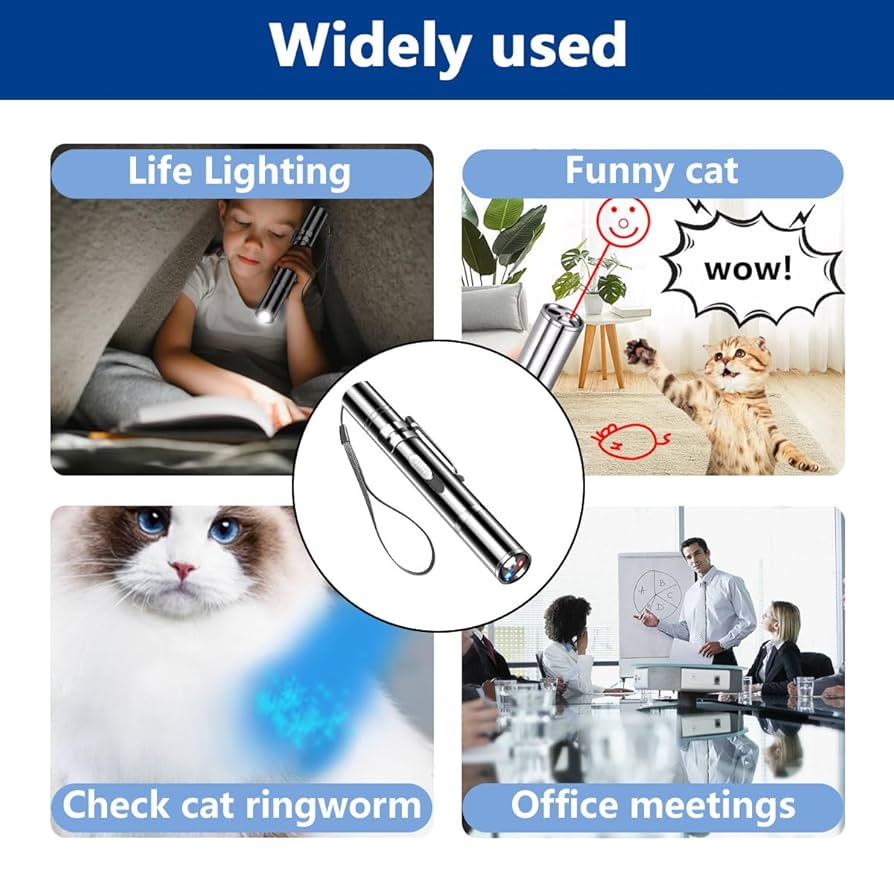
Spend time playing with your cat using different toys. Move the toy slowly to mimic prey movements. Let your cat chase, pounce, and bat at it. Change the speed and direction to keep the game interesting. Short, frequent play sessions work best to hold your cat’s attention. Use toys like feather wands or laser pointers for active engagement. Watch your cat’s reaction and adjust the play style accordingly.
Using Toys To Strengthen Bond
Playing together creates a stronger bond between you and your cat. Use toys as a way to share fun moments. Praise your cat softly during play to build positive feelings. This makes your cat more likely to come back for more play. Rotate toys regularly to keep the experience fresh. Your active role shows your cat that playtime is special and safe.
Monitoring And Adjusting Strategies
Keeping your cat interested in new toys takes more than just offering them once. It involves watching how your cat reacts and making small changes based on those reactions. Monitoring and adjusting your approach helps you find the right balance that keeps your cat curious and engaged over time.
Observing Your Cat’s Preferences
Watch closely how your cat interacts with different toys. Does it prefer toys that move, like feathers on a string, or does it like soft plush toys to carry around? Notice the time spent playing and the level of excitement your cat shows.
Sometimes, a cat might ignore a new toy at first but come back to it later. Give your cat space and time to explore without forcing play. Pay attention to subtle signs like pawing, sniffing, or even just sitting near the toy.
Adapting To Changing Interests
Your cat’s preferences can change quickly. What was exciting last week might be boring today. Keep a variety of toys and rotate them regularly to avoid boredom.
If your cat loses interest, try changing how you present the toy. Adding a bit of catnip or using the toy during interactive play sessions can renew excitement. Have you tried letting your cat watch you play with the toy first? Sometimes your involvement sparks curiosity.
Frequently Asked Questions
How Can I Make My Cat Interested In New Toys?
Introduce toys slowly and rotate them regularly. Use treats or catnip to attract your cat. Play interactively to boost interest and engagement.
Why Does My Cat Ignore Certain Toys?
Cats may ignore toys due to lack of stimulation or scent. Toys that mimic prey attract cats more. Variety and texture also matter to keep their attention.
What Types Of Toys Do Cats Prefer?
Cats prefer toys that mimic prey, like feather wands or small balls. Interactive toys and puzzle feeders also encourage play and mental stimulation.
How Often Should I Introduce New Toys To My Cat?
Introduce new toys every few weeks to maintain interest. Rotate old toys to keep the environment fresh and exciting for your cat.
Conclusion
Cats love variety, but they need time to adjust. Try different toys often and watch their reactions. Play with your cat to make toys more fun. Change the toy’s location to catch their interest. Patience helps your cat enjoy new playthings.
Small steps lead to big changes in play habits. Keep toys fresh and exciting to keep your cat happy. Enjoy bonding moments while your cat explores new toys. This way, your cat stays active and entertained every day.


Leave a Reply