Have you ever watched your indoor cat carefully lick its fur and wondered, “Do indoor cats groom themselves enough?” Grooming is more than just a habit for cats—it’s how they stay clean, healthy, and comfortable. But if your cat never steps outside, does it still need to groom as much?
Understanding how your indoor cat takes care of its coat can help you keep it happy and healthy. Keep reading to discover why grooming matters for your indoor feline friend and what you can do to support their natural habits.
Indoor Cats’ Grooming Habits
Indoor cats have unique grooming habits shaped by their environment. They rely heavily on self-cleaning to stay healthy. Grooming keeps their fur clean and skin healthy. It also reduces stress and helps them relax. Understanding these habits helps owners care better for their pets.
Frequency Of Self-grooming
Indoor cats groom themselves several times a day. On average, they spend 30 to 50 percent of their waking hours grooming. This regular cleaning removes dirt and loose fur. Grooming also controls body temperature by spreading natural oils. Cats may groom more during shedding seasons or after meals.
Common Grooming Behaviors
- Licking their fur to remove dirt and debris.
- Nibbling or biting to untangle knots.
- Using their paws to clean hard-to-reach areas.
- Rubbing their face and head with paws.
- Stretching and twisting to reach all body parts.
These actions keep their coat shiny and healthy. Grooming also helps cats feel calm and safe indoors.
Benefits Of Grooming For Cats
Grooming is a natural and essential activity for cats. It keeps them clean and healthy. Grooming helps cats stay comfortable and feel good. It has many benefits beyond just looking neat.
Maintaining Coat Health
Grooming removes dirt and loose fur from the coat. It prevents mats and tangles that can cause pain. A clean coat helps stop skin infections. Grooming spreads natural oils, making fur soft and shiny.
Regulating Body Temperature
Cats use grooming to control their body heat. Licking helps cool them down when it is hot. The saliva evaporates, which lowers body temperature. Grooming also keeps the fur in good shape to protect against cold.
Reducing Stress
Grooming calms cats and reduces anxiety. It acts like a soothing activity during stressful moments. Cats often groom after play or when they feel nervous. This behavior helps them relax and feel safe.
When Grooming Becomes Excessive
Grooming is a natural and essential habit for indoor cats. It helps them stay clean and comfortable. But sometimes, grooming can go beyond normal behavior and become excessive, which might signal a problem.
Signs Of Over-grooming
How can you tell if your cat is grooming too much? Watch for areas where the fur looks thin or patchy, especially around the belly, legs, or face. You might also notice red or irritated skin, which shows your cat is licking or biting too hard.
Another sign is if your cat spends a lot of time grooming, often interrupting other activities like eating or playing. You may even see bald spots or scabs. Does your cat seem restless or stressed while grooming? That can be a red flag.
Possible Causes
Why do cats over-groom? One common cause is stress or anxiety. Changes in their environment, such as new pets or loud noises, can trigger this behavior. Your cat might use grooming as a way to calm down.
Skin problems also lead to excessive grooming. Fleas, allergies, or infections cause itching, making your cat lick or scratch a lot. Sometimes, pain from arthritis or injuries makes them focus on one spot.
If you notice these signs, ask yourself: has anything changed in your cat’s routine? Could they be uncomfortable or bored? Identifying the cause is key to helping your furry friend feel better and keep grooming healthy.
Owner’s Role In Cat Grooming
Caring for an indoor cat’s grooming needs goes beyond just letting them lick their fur. While cats are naturally good groomers, your involvement can make a big difference in their comfort and health. Knowing when and how to step in helps prevent mats, skin problems, and other issues that your cat might not be able to handle alone.
Helping With Difficult Areas
Some spots on your cat’s body are hard for them to reach. Areas like the base of the tail, under the collar, or behind the ears can easily get missed. You can gently help by using your fingers or a soft cloth to clean these spots, especially if your cat is older or less flexible.
Have you noticed your cat struggling to groom certain places? It might be a sign that they need a little help from you. Regularly checking these areas can stop dirt and oil buildup before it becomes a problem.
Using Grooming Tools
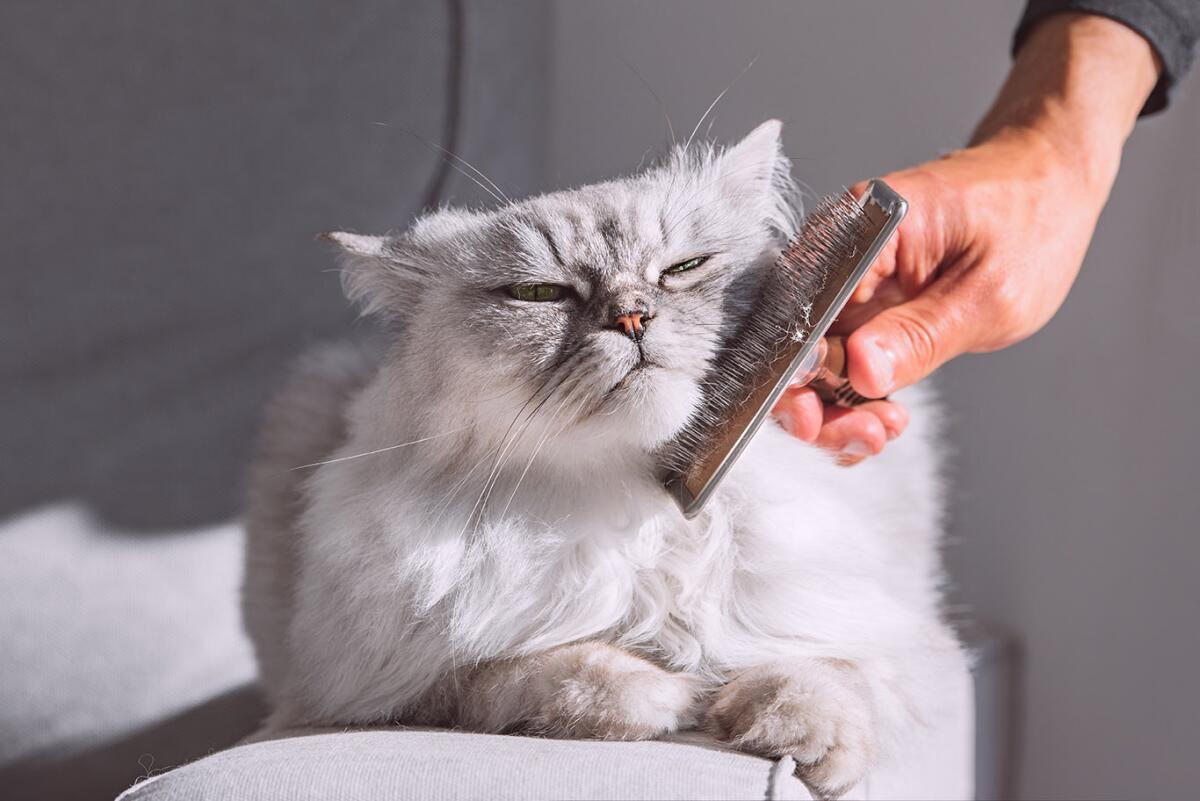
Brushes, combs, and grooming gloves can make a big difference in your cat’s coat health. Choose tools that suit your cat’s fur type—slicker brushes work well for long-haired cats, while rubber gloves can remove loose hair from short-haired cats.
Brushing your cat not only keeps their fur clean but also reduces shedding and hairballs. Try making grooming time a calm, positive experience with treats or gentle petting to keep your cat relaxed and cooperative.
When To Seek Veterinary Advice
Sometimes, grooming issues signal health problems. If your cat suddenly stops grooming, develops bald spots, or has skin irritations, it’s time to consult your vet. These signs can indicate pain, dental problems, or skin infections that need professional care.
Don’t wait if you see changes in your cat’s grooming habits. Early veterinary advice can prevent minor issues from becoming serious health concerns.
Differences Between Indoor And Outdoor Cats
Indoor cats often groom themselves regularly to stay clean and comfortable. Unlike outdoor cats, they face fewer dirt and parasite challenges. This difference affects how much time and effort each type spends on grooming.
Differences Between Indoor and Outdoor Cats Cats, whether indoor or outdoor, have unique grooming habits influenced by their environment. Indoor cats often enjoy a cleaner, more controlled setting, while outdoor cats navigate diverse terrains and weather conditions. These differences can significantly impact their grooming needs and overall lifestyle.Grooming Needs
Indoor cats generally have less dirt and debris to contend with, so their grooming sessions might focus more on shedding and maintaining fur health. My indoor cat, Whiskers, spends hours meticulously cleaning his fur, ensuring every strand is in place. Outdoor cats, on the other hand, encounter mud, twigs, and insects, which means they might groom more frequently or require additional help from you to stay clean. Have you ever noticed an outdoor cat with a burr stuck in its fur? They rely on both self-grooming and human assistance for a pristine coat.Environmental Impact
The environment plays a crucial role in shaping a cat’s grooming habits. Indoor environments are typically climate-controlled, reducing exposure to extreme weather and minimizing fur matting or skin irritation. This controlled setting helps indoor cats maintain a consistent grooming routine without external disruptions. Conversely, outdoor cats face seasonal changes, rain, and even snow, which can affect their grooming frequency and technique. Outdoor cats might develop thicker coats for insulation, necessitating more frequent grooming to manage shedding and maintain comfort. Have you considered how your cat’s environment influences their grooming behavior? Understanding these differences can help you support your feline friend in maintaining their health and happiness.Frequently Asked Questions
Do Indoor Cats Groom Themselves Regularly?
Yes, indoor cats groom themselves frequently to stay clean and healthy. Grooming helps remove dirt, loose fur, and prevents skin issues.
Why Do Indoor Cats Spend Time Grooming?
Indoor cats groom to regulate body temperature, reduce stress, and strengthen bonds with their owners. Grooming is a natural and essential behavior.
Can Indoor Cats Over-groom Themselves?
Yes, indoor cats can over-groom due to stress, allergies, or skin problems. Excessive grooming may require a vet’s attention.
How Often Should Indoor Cats Groom Daily?
Indoor cats typically groom themselves for 30-50% of their waking hours. This varies by cat age, health, and environment.
Conclusion
Indoor cats do groom themselves regularly. They keep their fur clean and tidy. Sometimes, they need help from owners. Brushing your cat can remove loose hair. It also stops matting and hairballs. Watch your cat’s grooming habits for changes. Changes might show health problems early.
A clean cat feels comfortable and happy. Remember, grooming is part of your cat’s care. Keep your indoor cat healthy and clean. Simple steps make a big difference for them.

Leave a Reply