Do you ever wonder how to get your cat excited about her toys? You’re not alone.
Cats can be picky, and sometimes it feels like no toy is interesting enough. But what if you could spark your cat’s natural curiosity and watch her come alive with play? Getting your cat to engage with her toys isn’t just fun—it’s important for her health and happiness.
You’ll discover simple, effective ways to make playtime irresistible for your furry friend. Keep reading, and soon your cat will be chasing, pouncing, and enjoying her toys like never before.
Choosing The Right Toy
Choosing the right toy is key to getting your cat excited and engaged. Not every toy will spark your cat’s interest, so understanding her preferences and needs makes all the difference. Let’s look at how to pick toys that will really get her playing.
Types Cats Prefer
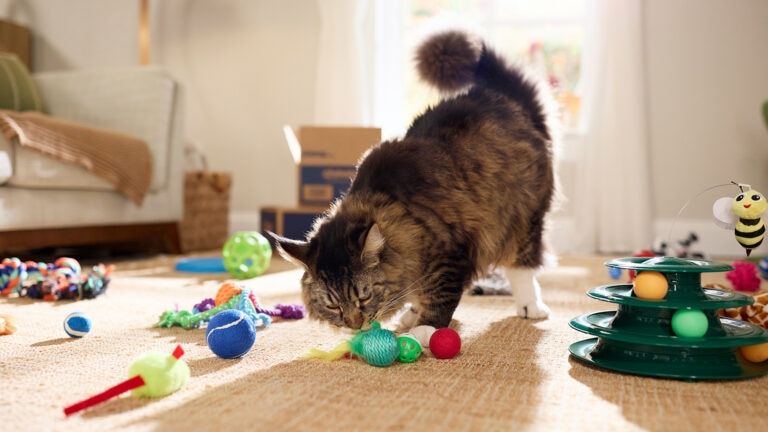
Cats often go for toys that mimic prey. Small, lightweight items like feathers, balls, or mice replicas catch their eye quickly.
Does your cat chase moving objects? Toys that flutter or roll can trigger her natural hunting instincts. Some cats love crinkly textures or toys that make noise, while others prefer soft, plush companions.
Watch how she reacts to different toys to find what excites her most. Have you noticed if she prefers toys that move on their own or those she can bat around?
Material And Size Matters
Material affects how safe and interesting a toy is. Soft fabric toys are gentle on paws, while rubber or plastic ones can be more durable for rough play.
Size is crucial too. If a toy is too big, your cat might ignore it; too small, and it could be a choking hazard. Aim for a toy about the size of your cat’s paw or slightly smaller to ensure easy batting and carrying.
Consider if the toy can be washed, especially if your cat likes to chew. Clean toys keep her healthy and more likely to stay interesting over time.
Interactive Vs Solo Play
Interactive toys require you to join in, like wand toys or laser pointers. These can strengthen your bond and keep your cat mentally active.
Solo play toys, such as balls or puzzle feeders, let your cat entertain herself. These are perfect when you’re busy or not at home.
Does your cat get bored quickly? Switching between interactive and solo toys can keep things fresh and exciting. Which type does your cat seem to enjoy more?
Creating A Play-friendly Environment
Getting your cat to play with her toy often depends on the environment you create around her. Cats need a space that feels inviting and safe to encourage their natural curiosity and playfulness. Setting up the right atmosphere makes your cat more likely to engage actively with her toys.
Safe And Comfortable Space
Your cat needs a spot where she feels secure and relaxed before she’ll want to play. Choose a quiet corner or a cozy nook where she can focus without feeling threatened.
I once noticed my cat ignored her toys until I moved her playthings to a sunny window seat she already loved. Suddenly, she became much more interested in chasing the toy mouse. Try observing where your cat likes to rest and bring her toys there.
Minimizing Distractions
Too much noise or activity can make your cat anxious or distracted, reducing her interest in toys. Turn off loud TVs or radios during playtime, and ask family members to keep voices low.
Also, limit access to busy areas like hallways or kitchens during play sessions. A calm environment helps your cat focus on the toy instead of other stimuli.
Using Cat Furniture
Cat trees, shelves, and scratching posts create vertical and interactive spaces that naturally attract play. Adding toys to these structures encourages your cat to climb, jump, and chase in a safe setting.
When I added a small hanging ball to my cat’s climbing post, she started batting at it daily. Consider attaching toys to your cat furniture to stimulate her hunting instincts and keep playtime exciting.
Timing Play Sessions
Timing is key when it comes to getting your cat interested in her toy. Playing at the right moments can turn a disinterested feline into an eager participant. Understanding your cat’s natural rhythms helps you choose the best play times, making sessions more fun and effective.
Best Times Of Day
Cats tend to be most active during dawn and dusk, which is when their hunting instincts kick in. Try scheduling play sessions early in the morning or in the evening to match these peaks in energy. You might notice your cat responding more eagerly during these times than midday or late at night.
Have you noticed your cat suddenly zooming around the house at odd hours? Those bursts of energy are perfect opportunities to introduce her toy.
Short And Frequent Sessions
Cats often lose interest if play goes on too long. Short sessions, about 5 to 10 minutes, keep her engaged without overwhelming her. Several quick playtimes spread throughout the day work better than one long session.
Think of it like snacking rather than a big meal. This approach keeps your cat’s curiosity alive and makes playtime a highlight of her day.
Observing Your Cat’s Energy Levels
Each cat has her own unique energy pattern. Watch for signs like tail flicking, focused eyes, or a twitching ear to tell when she’s ready to play. If she seems uninterested or walks away, it’s probably best to pause and try again later.
Pay close attention to her mood. Does she seem more playful after a nap or after eating? Tailoring play sessions around these signals makes the toy more appealing and the experience more rewarding for both of you.
Encouraging Engagement
Getting your cat to engage with her toys can sometimes feel like a challenge. Cats have unique personalities and moods that affect their interest in play. Encouraging engagement means finding ways to spark her curiosity and excitement, turning playtime into a fun and rewarding experience for both of you.
Using Treats And Rewards
Treats can be powerful motivators. Try hiding small treats near or inside the toy to create a game of discovery. This encourages your cat to explore and interact with the toy more actively.
Reward your cat immediately when she plays with the toy. A quick reward reinforces the behavior and makes her more likely to repeat it. Think about what she loves most—maybe a special treat or a few extra pets.
Mimicking Prey Movements
Cats are natural hunters. Moving the toy like prey—quick, unpredictable, and enticing—can trigger her hunting instincts. Drag the toy slowly, then dart it away suddenly to catch her attention.
Notice how your cat reacts to different speeds and directions. Adjust your movements based on what excites her the most. This interaction keeps the play dynamic and engaging.
Involving Yourself In Play
Your presence can make a big difference. Use a wand toy or hold the toy yourself to create a connection during playtime. Your cat often enjoys the interaction more when you are part of the game.
Don’t just toss the toy and walk away; stay involved and respond to her actions. This shared experience strengthens your bond and makes playtime something she looks forward to.
Overcoming Playtime Challenges
Getting your cat to engage with her toys can sometimes be a bit of a puzzle. While some cats instantly pounce and play, others might need a little more encouragement. Understanding the challenges that come with playtime is crucial to helping your feline friend enjoy her toys.
Dealing With Disinterest
If your cat seems uninterested in her toys, it might be time to mix things up. Cats can quickly become bored with the same old playthings. Rotate her toys weekly to keep her curiosity piqued.
Consider what types of toys she prefers. Some cats love chasing feathers, while others might enjoy batting at balls. Experimenting with different textures, sounds, and movements can make a huge difference.
Handling Overstimulation
Overstimulation can lead to a cranky cat. If your cat suddenly stops playing or seems agitated, it might be a sign that she’s had enough. Pay attention to her body language and cues.
Allow for short play sessions to prevent burnout. This is especially important if your cat is young and full of energy. Give her breaks in between to rest and recharge.
Adapting To Age And Health
As cats age, their play style and energy levels change. Older cats might not be as spry, but they still enjoy a good game. Opt for toys that are easier to catch and less demanding physically.
Health issues can also impact playtime. If your cat has arthritis or other health concerns, choose toys that require minimal movement. Consult your vet for advice on safe play activities for your cat’s specific condition.
Have you noticed any unique playtime quirks with your cat? Understanding these nuances can make playtime more enjoyable for both of you. Share your experiences in the comments below!
Maintaining Interest Over Time
Keeping your cat interested in her toy can be challenging. Cats get bored quickly. They need variety and new experiences to stay engaged. Playtime should stay fun and exciting for your cat. This helps her stay active and happy over time.
Rotating Toys
Switch toys regularly to keep your cat curious. Put some toys away for a few days. Then bring them back as if they are new. This simple trick makes old toys feel fresh. It prevents your cat from losing interest.
Try to have several types of toys. Use balls, feathers, or small stuffed animals. Change the toys every few days. This keeps playtime exciting and different.
Introducing New Play Ideas
Change how you play with the toy. Move it in different ways to catch her attention. Try tossing, dragging, or hiding the toy. Let her chase or pounce on it. Different actions keep her mind active.
Try new play spots around the house. Play near windows or in cozy corners. New surroundings make playtime more fun. Your cat will look forward to each session.
Monitoring Your Cat’s Preferences
Watch how your cat reacts to each toy. Notice which toys she prefers and which she ignores. Pay attention to how she plays. Does she like chasing or batting toys?
Use this information to choose toys she enjoys. Tailor playtime to her favorite styles. This keeps her engaged and happy for longer periods.
Frequently Asked Questions
How Do I Encourage My Cat To Play With Toys?
Use interactive toys and gentle movement to spark curiosity. Play during your cat’s active times and offer treats as rewards. Rotate toys regularly to keep interest high.
What Types Of Toys Do Cats Prefer Most?
Cats like toys that mimic prey, such as feather wands or small balls. Toys that move or make noise can also engage them effectively.
How Often Should I Play With My Cat Daily?
Aim for two to three play sessions daily, each lasting 10-15 minutes. Regular play helps keep your cat physically and mentally stimulated.
Can I Use Homemade Toys For My Cat?
Yes, homemade toys like crumpled paper balls or cardboard boxes can entertain cats. Ensure they are safe and free of small parts to avoid choking hazards.
Conclusion
Getting your cat to enjoy her toy takes patience and fun moments. Try different toys and watch her reactions closely. Play during times she feels most active and curious. Use gentle movements to catch her interest quickly. Keep play sessions short but regular to build excitement.
Remember, every cat is unique and learns in her own way. Celebrate small wins and enjoy these bonding times together. With care and attention, playtime will become a favorite part of her day. Keep trying—you’ll both have a great time!

Leave a Reply