Choosing the perfect toy for your cat can feel tricky, but it doesn’t have to be. You want something that grabs your cat’s attention, keeps them active, and brings out their playful side.
Picking the right toy isn’t just about fun—it’s about your cat’s health and happiness too. You’ll discover simple tips to find toys that your cat will love, helping you create moments of joy and bonding every day. Keep reading, and you’ll become a pro at choosing toys that truly fit your cat’s unique personality.
Cat Play Behavior
Understanding your cat’s play behavior is key to selecting the right toy. Cats don’t just play for fun—they act out instincts that shape how they interact with the world. Watching your cat’s unique play style can reveal what kind of toys will keep them engaged and happy.
Natural Hunting Instincts
Every cat has a built-in hunter inside. They love to stalk, pounce, and chase because these actions mimic hunting prey. Toys that move unpredictably, like feather wands or laser pointers, tap into these instincts and can hold your cat’s attention for longer periods.
Have you noticed how your cat reacts to a simple string or a bouncing ball? Their eyes lock on, body crouches low, and then they leap. This behavior shows they crave toys that simulate the thrill of the hunt.
Types Of Play
Cats enjoy different kinds of play, and your toy choice should match what excites them the most. Some cats prefer solo play with toys they can bat around or carry in their mouths. Others thrive on interactive play where you join in, like chasing a wand or playing fetch.
- Solo Play:Balls, stuffed mice, or puzzle feeders that challenge your cat’s mind.
- Interactive Play:Feather wands, laser pointers, and toys on strings that you control.
- Chasing and Pouncing:Toys that move quickly or unpredictably to trigger your cat’s reflexes.
Which kind of play does your cat seem to prefer? Observing this can guide you to the perfect toy.
Age And Activity Levels
Kittens are bundles of energy and need toys that keep up with their fast pace. Soft, lightweight toys and those that encourage jumping or climbing work well for them. Older cats might prefer gentler toys that don’t require as much running but still stimulate their minds.
Activity levels vary, too. A lazy cat might enjoy puzzle feeders or small, slow-moving toys, while a high-energy cat needs something more challenging to burn off energy. Matching the toy to your cat’s age and activity prevents boredom and supports their health.
Toy Types For Cats
Cats enjoy different types of toys that match their moods and energy. Picking the right toy helps keep your cat active and happy. Understanding toy types guides you to better choices for playtime.
Interactive Toys
Interactive toys involve you and your cat playing together. These toys encourage movement and mental focus. Common examples include wand toys and laser pointers. They help build a strong bond between you and your pet.
Interactive toys often mimic prey, triggering your cat’s hunting instincts. Use these toys for short, frequent play sessions. This keeps your cat entertained and prevents boredom.
Solo Play Toys
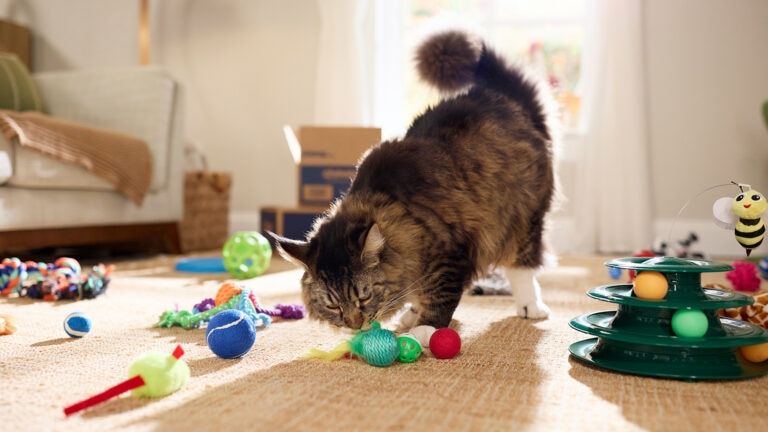
Solo play toys let your cat play alone safely. These toys often have built-in motion or interesting textures. Examples include balls, stuffed mice, and rolling toys. They provide fun and exercise without your involvement.
Choose solo toys that are durable and safe to chew. Rotate toys regularly to keep your cat curious and engaged. Solo play toys are great for busy pet owners.
Diy And Homemade Options
DIY toys offer a budget-friendly way to entertain cats. Simple items like cardboard boxes, paper balls, or string can become great toys. Homemade toys let you customize for your cat’s preferences.
Always supervise play with DIY toys to avoid hazards. Use safe materials free from small parts that can be swallowed. These toys add variety and fun to your cat’s playtime.
Material And Safety
Choosing the right material for your cat’s toy is key to their safety and enjoyment. The toy should be made from safe, strong materials that can handle your cat’s play style. Unsafe materials can harm your cat or break easily, causing hazards.
Focus on toys that use non-toxic materials and have good quality. Avoid toys with small parts that your cat might swallow. Safety is just as important as fun.
Non-toxic Materials
Always pick toys made from non-toxic substances. Cats often chew and lick their toys. Toxic chemicals can cause sickness or allergies.
Look for natural fibers like cotton or wool. Safe plastics and rubber are fine if labeled non-toxic. Avoid toys with harmful dyes or paints.
Durability And Quality
Choose toys built to last. Cats scratch, bite, and toss toys around. Weak toys break and lose shape quickly.
High-quality stitching and strong materials prevent toys from falling apart. Durable toys save money and keep cats happy. Avoid toys that feel flimsy or poorly made.
Avoiding Choking Hazards
Small parts can easily become choking dangers. Loose buttons, beads, or feathers may come off during play. These parts can block your cat’s throat or cause injury.
Check toys for secure attachments and no loose pieces. Toys should be large enough that your cat cannot swallow them. Always supervise your cat with new toys until sure they are safe.
Choosing Toys By Cat Personality
Choosing the right toy for your cat means understanding their personality first. Each cat interacts with toys differently based on their energy levels, comfort zones, and social habits. Selecting toys that match your cat’s behavior not only keeps them entertained but also strengthens your bond.
Active And Energetic Cats
Active cats love toys that challenge their agility and hunting instincts. Look for toys that move unpredictably, like feather wands or motorized mice. These toys keep your cat engaged and help burn off excess energy.
Interactive toys that require your participation can also be great. Try laser pointers or balls that your cat can chase around the room. Does your cat get bored quickly? Rotating toys regularly keeps their interest high.
Shy Or Older Cats
Shy or older cats prefer gentle toys that don’t overwhelm them. Soft plush toys or small balls they can bat around at their own pace work well. Avoid noisy or fast-moving toys that might scare them.
Consider toys that encourage quiet play, like crinkle tunnels or treat-dispensing toys. These can stimulate their minds without pushing them out of their comfort zone. Have you noticed your cat’s favorite type of toy during calm moments?
Multiple Cat Households
In homes with several cats, choose toys that promote sharing and interaction. Larger toys like sturdy climbing trees or interactive puzzle feeders can accommodate multiple cats at once. This prevents conflicts over toys and keeps everyone entertained.
Provide a variety of toys to suit different personalities and avoid competition. Observe how your cats play together—do they prefer chasing the same toy or having their own separate ones? This insight helps you select the best toys for harmony.
Encouraging Playtime
Encouraging playtime is essential for your cat’s health and happiness. Regular play keeps their mind sharp and body active. It also strengthens the bond between you and your feline friend. Choosing the right toys can make playtime more enjoyable.
Rotating Toys
Rotating toys prevent boredom by keeping things fresh. Cats lose interest if they see the same toy every day. Swap toys weekly to maintain their curiosity. This simple trick can extend the life of each toy. Consider a mix of balls, feathers, and plush toys. Each type offers a different play experience.
Incorporating Treats
Incorporating treats into playtime can boost your cat’s motivation. Use treat-dispensing toys to engage their hunting instincts. These toys challenge your cat to work for their reward. It combines mental stimulation with physical activity. Start with easy toys and gradually increase the difficulty. Ensure treats are healthy and suitable for your cat.
Interactive Play Sessions
Interactive play sessions strengthen your bond with your cat. Use wand toys to mimic prey movements. Engage your cat with quick, unpredictable motions. This mimics the chase, satisfying their natural instincts. Keep sessions short to maintain their interest. Ten to fifteen minutes is ideal. End each session with a catch to give a sense of victory.
Monitoring Toy Use
Keeping a close eye on your cat’s toy use helps maintain their safety and enjoyment. Cats play hard, and toys can wear down fast. Regular checks ensure toys stay fun and safe for your furry friend. Observing how your cat interacts with their toys also reveals their preferences and play style. This information helps in choosing better toys in the future.
Signs Of Wear And Tear
Look for loose parts, torn fabric, or broken pieces. Frayed strings or stuffing coming out are warning signs. Toys with sharp edges or small detached pieces pose choking risks. Notice if your cat avoids a toy; it might be damaged or uncomfortable. Regularly inspect toys to catch damage early.
When To Replace Toys
Replace toys showing damage that could harm your cat. Toys with missing parts or exposed stuffing need immediate replacement. If your cat loses interest, try new toys to keep playtime exciting. Replace worn-out toys every few months for fresh fun. Always keep backup toys to swap during replacements.
Safe Storage Practices
Store toys in a clean, dry place away from dust and dirt. Use containers or bins to keep toys organized and easy to find. Separate broken or chewed-up toys from good ones to avoid accidents. Rotate toys regularly to keep your cat curious and engaged. Avoid leaving toys on the floor to prevent damage or loss.
Frequently Asked Questions
What Type Of Toys Do Cats Prefer Most?
Cats usually prefer toys that mimic prey, like feather wands or laser pointers. Interactive toys keep them engaged and active, fulfilling their hunting instincts and providing exercise.
How To Choose Safe Toys For My Cat?
Select toys made of non-toxic materials without small parts. Avoid toys that can break easily or be swallowed to ensure your cat’s safety during play.
Which Toys Help Reduce My Cat’s Stress?
Toys that encourage play and exercise, like puzzle feeders or interactive toys, can reduce stress. They keep your cat mentally stimulated and physically active, promoting well-being.
Can I Choose Toys Based On My Cat’s Age?
Yes, kittens enjoy lightweight, soft toys, while adult cats prefer interactive and challenging toys. Tailor toys to your cat’s age and activity level for best results.
Conclusion
Choosing the right toy keeps your cat happy and healthy. Think about your cat’s size, age, and play style. Safe materials and easy-to-clean toys work best. Variety in toys stops your cat from getting bored. Watch how your cat reacts to different toys.
Playtime strengthens the bond between you and your cat. Remember, simple toys often bring the most joy. A little thought helps you pick the perfect toy. Your cat will thank you with fun and purrs.

Leave a Reply