If your kitten is teething, you know how uncomfortable it can be for them—and how much they want to chew on everything in sight. Getting your cat to use a teething toy can save your furniture, fingers, and sanity.
But how do you encourage your furry friend to actually bite the toy instead of your favorite shoes? You’re about to discover simple, effective tips that will make your cat eager to chew on the right things. Keep reading, and you’ll learn how to turn teething time into a fun and stress-free experience for both of you.
Why Cats Bite During Teething
Understanding why cats bite during teething is essential if you want to encourage your furry friend to use a teething toy. Biting isn’t just random behavior; it’s a natural response to discomfort and curiosity. When you grasp the reasons behind this habit, you can better support your cat through the teething phase.
Teething Symptoms In Cats
Teething can be a tough time for kittens. You might notice them chewing on everything in sight, from furniture to your fingers. This happens because their new teeth are pushing through the gums, causing irritation and soreness.
Other signs include drooling, mild bleeding, and sometimes a slight decrease in appetite. If your cat seems restless or irritable, it’s likely due to the discomfort in their mouth. Recognizing these symptoms helps you respond with patience and provide the right relief.
Natural Biting Instincts
Cats use biting as a way to explore the world and relieve stress. Their instinct drives them to bite and chew, especially when their gums are sore. This behavior is their way of self-soothing and learning about their environment.
Have you ever noticed how your kitten nibbles on your shoelaces or fingers? That’s not just playfulness—it’s instinct kicking in. Offering a teething toy taps into this natural urge, guiding your cat to bite something safe rather than harmful.
Choosing The Right Teething Toy
Choosing the right teething toy helps your cat enjoy biting safely. It keeps their teeth healthy and eases discomfort. The right toy suits your cat’s needs and encourages chewing. Focus on materials, size, and texture to find the best fit.
Safe Materials For Cats
Select teething toys made from non-toxic materials. Natural rubber, silicone, and soft plastics are good choices. Avoid toys with small parts that can break off. Harmful chemicals or dyes must not be present. Safe materials protect your cat’s health and ensure fun without risks.
Size And Texture Preferences
Pick a toy size that fits your cat’s mouth comfortably. Too small toys can be swallowed. Too large toys may be hard to chew. Texture matters for comfort and interest. Soft toys soothe sore gums. Some cats like rough or bumpy surfaces to clean teeth. Test different textures to see what your cat prefers.
Introducing The Toy To Your Cat
Introducing a teething toy to your cat can be a delicate process. Cats are naturally cautious creatures, and a new object in their environment might not immediately spark interest. Your goal is to make the toy feel safe and appealing, encouraging your cat to engage with it on their own terms.
Creating A Positive Environment
Start by placing the teething toy in an area where your cat feels comfortable and relaxed. Avoid busy or noisy spots that could stress them out or distract their attention. You might want to sit nearby and gently pet your cat, helping them associate the toy with calm and positive moments.
Try offering the toy during playtime when your cat is already active. This can make the toy seem like part of the fun rather than a strange, unfamiliar object. Remember, patience is key—your cat might need several tries before showing interest.
Using Scent To Attract Interest
Cats rely heavily on their sense of smell, so adding a familiar scent to the teething toy can make it more inviting. Rub the toy with a small amount of your cat’s favorite treat or even their own fur. This subtle scent cue can pique their curiosity and encourage them to bite or chew.
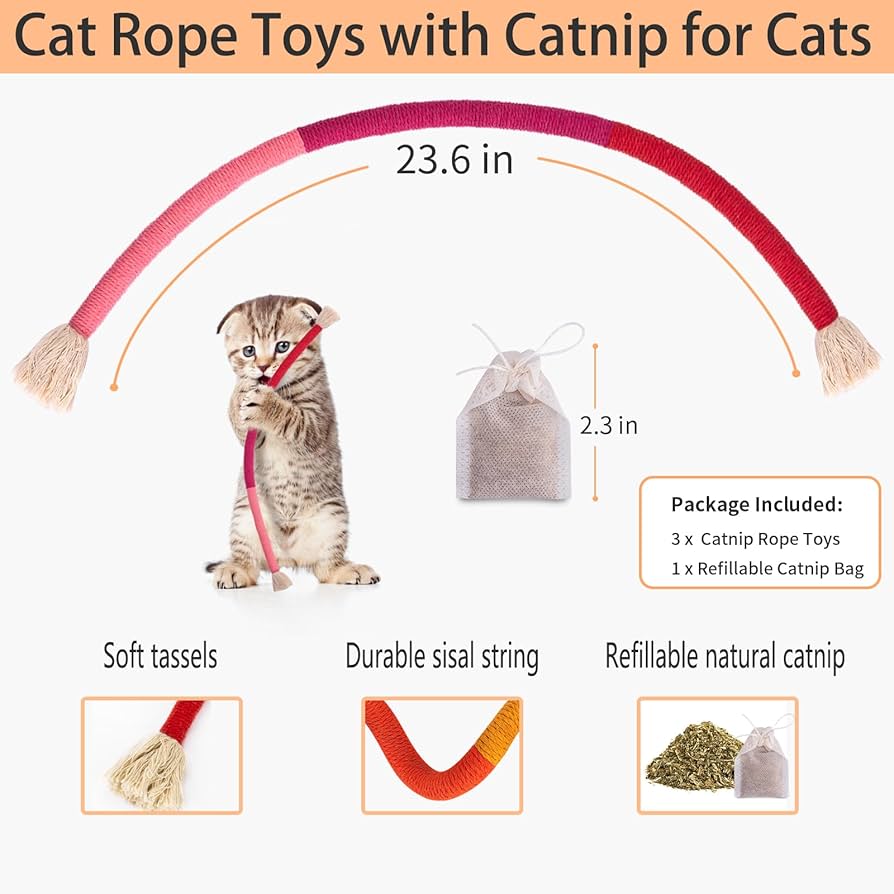
Another trick is to use catnip or silvervine if your cat responds to these herbs. Sprinkling a little on the toy can turn it into an irresistible item. Have you noticed how your cat reacts to different smells? Use that knowledge to make the toy more appealing.

Credit: www.amazon.com
Encouraging Play And Biting
Offering a teething toy during play helps redirect your cat’s biting instinct safely. Gently encouraging your cat to bite the toy keeps teeth healthy and satisfies their need to chew. Using toys with different textures can make biting more fun and engaging.
Encouraging your cat to engage with a teething toy can be a fun and rewarding experience for both of you. Cats, especially kittens, need to bite and chew to ease the discomfort of teething. By guiding them towards teething toys, you not only protect your furniture but also provide a safe outlet for their natural instincts. Let’s explore some effective strategies to encourage your feline friend to enjoy their teething toys.Interactive Play Techniques
Cats are naturally curious and love interactive play. Introduce a teething toy by incorporating it into your cat’s playtime. Wiggle the toy around like prey to catch their attention. Use strings or feathers attached to the toy to make it more enticing. This movement mimics the hunt, sparking their predatory instincts. Be patient and keep the sessions short but frequent. A few minutes several times a day can be more effective than one long session.Rewarding Biting Behavior
Positive reinforcement is key in encouraging your cat to use their teething toy. When your cat bites the toy, offer them a treat or affection as a reward. This association helps them understand that biting the toy is good behavior. Consistency is crucial; ensure everyone in the household follows the same rewarding routine. Have you ever noticed how your cat responds to praise? Use this to your advantage by offering verbal encouragement when they engage with their toy.Avoiding Unwanted Biting
Unwanted biting can quickly turn playtime into frustration for both you and your cat. It’s important to guide your cat gently but firmly toward acceptable behavior. Teaching your cat to bite a teething toy instead of your hands protects your skin and helps your furry friend develop healthier habits.
Redirecting Biting Away From Hands
When your cat starts to bite your fingers, immediately offer a teething toy as a substitute. Hold the toy close to their mouth to catch their attention, making it clear what’s allowed to be bitten. Over time, your cat will associate toys with biting rather than your skin.
Try different textures and shapes of teething toys to find what your cat prefers. Some cats love soft plush toys, while others prefer rubbery or knotted ones. Pay attention to your cat’s reaction and keep a variety handy to maintain their interest.
Consistent Training Methods
Consistency is crucial to stopping unwanted biting. Always respond the same way when your cat bites—redirect them to the toy and avoid giving mixed signals. If you sometimes allow biting and sometimes don’t, your cat will get confused.
Use gentle but firm verbal cues like “no” or “ouch” every time your cat bites your hands. Reward your cat immediately with praise or treats when they choose the teething toy instead. This positive reinforcement encourages them to repeat the good behavior.

Credit: outwardhound.com
Maintaining Your Cat’s Interest
Keeping your cat interested in a teething toy can be a bit of a challenge. Cats are curious but also easily bored. You need to keep the toy fresh and exciting so your cat stays engaged and motivated to bite and chew on it.
Rotating Toys Regularly
Try not to leave all the toys out at once. Instead, keep some hidden and swap them every few days. This makes each toy feel new again and sparks your cat’s curiosity.
Imagine how you feel when you see a new gadget versus one you’ve used every day. Your cat’s interest works the same way. Rotating toys helps prevent boredom and encourages your cat to explore the teething toy more eagerly.
Incorporating Treats And Catnip
Add a little excitement by hiding treats inside or around the teething toy. This turns the toy into a fun challenge and reward system for your cat. You can also sprinkle a bit of catnip on the toy to make it irresistible.
My own cat went from ignoring a plain rubber toy to eagerly biting it once I added catnip. The scent instantly grabbed her attention. Have you tried mixing treats or catnip with your cat’s toys to see if it makes a difference?

Credit: www.amazon.com
Frequently Asked Questions
How Do I Introduce A Teething Toy To My Cat?
Start by placing the teething toy near your cat’s favorite resting spot. Gently encourage your cat to sniff and explore the toy. Use treats or catnip to make the toy more appealing. Be patient and repeat daily to build interest.
What Type Of Teething Toy Is Best For Cats?
Choose toys made from safe, non-toxic materials like rubber or silicone. The toy should be soft enough to bite but durable. Opt for toys with textures that mimic natural prey to engage your cat’s instincts. Avoid toys with small parts that can be swallowed.
How Can I Make My Cat Bite The Teething Toy More Often?
Use positive reinforcement like treats and praise when your cat bites the toy. Rotate toys regularly to maintain interest. Play interactive games involving the toy to stimulate biting. Avoid forcing your cat, as patience is key to success.
Can Teething Toys Help With My Cat’s Dental Health?
Yes, chewing on teething toys helps clean your cat’s teeth and gums. It reduces plaque buildup and soothes sore gums during teething. Regular use promotes better oral hygiene and prevents dental issues. Always choose vet-approved teething toys for safety.
Conclusion
Encouraging your cat to bite a teething toy takes time and patience. Offer the toy gently and praise your cat when it shows interest. Use treats or catnip to make the toy more appealing. Keep sessions short and fun to hold your cat’s attention.
With regular practice, your cat will learn to enjoy the teething toy. This helps protect their teeth and keeps them happy. Small steps lead to big results in cat training. Stay calm and consistent for the best outcome.



Leave a Reply