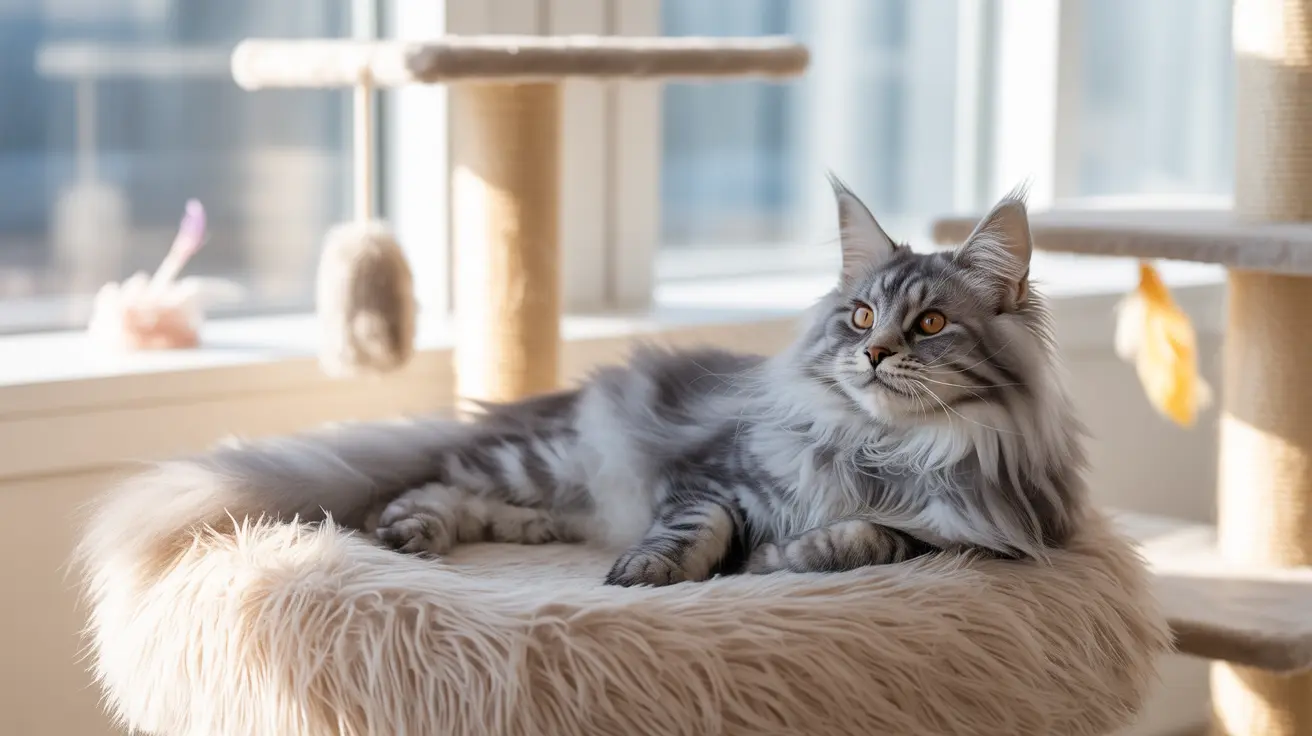
Are you passionate about cats and want to take your love for them to the next level? Becoming a registered breeder of cats can open up new opportunities for you, but it’s not just about loving cats—it requires knowledge, commitment, and following certain rules.
If you’re wondering how to start, what steps you need to take, and how to do it the right way, this guide is made just for you. By the end, you’ll know exactly what it takes to become a trusted, registered cat breeder and create a safe, healthy environment for your feline friends.
Ready to learn how to turn your passion into a rewarding and responsible venture? Keep reading.
Requirements For Registration
Becoming a registered cat breeder requires meeting specific requirements. These rules ensure the welfare of cats and maintain breeding standards. Understanding these requirements helps prepare for a smooth registration process.
Age And Experience Criteria
Applicants must be at least 18 years old. Some associations may require more experience with cats. Experience can come from owning, caring for, or breeding cats. Proof of experience might include references or training certificates.
Necessary Documentation
Registration requires submitting several documents. These often include:
- Proof of identity and age
- Home or facility address details
- Records of cat pedigrees and ownership
- Health certificates for breeding cats
- Completed application form from the registering body
All documents must be accurate and up to date. Proper paperwork speeds up approval.
Health And Safety Standards
Breeders must provide a clean and safe environment. Housing should protect cats from harm and stress. Regular veterinary care is essential for all cats. Vaccinations and parasite control must be current. Breeding cats should be screened for hereditary diseases. These standards protect the cats and improve breeding quality.

Credit: www.petscare.com
Choosing A Cat Breed
Choosing a cat breed is a key step in becoming a registered cat breeder. It affects your breeding goals, care routine, and the cats’ health. Select a breed that fits your lifestyle and interests. Understanding breed traits helps you prepare for the responsibilities ahead.
Popular Breeds For Breeding
Some cat breeds are more popular for breeding due to their traits and demand. These include:
- Siamese – known for their vocal and social nature
- Maine Coon – large size and friendly personality
- Persian – long hair and calm temperament
- Bengal – striking coat and active behavior
- Ragdoll – gentle and affectionate
Choosing a popular breed can help with finding buyers and building a reputation.
Breed-specific Needs
Each breed has unique needs. Some require special grooming due to long fur. Others need more space and exercise. Certain breeds may have dietary requirements. Prepare to meet these needs to keep cats healthy and happy. Know the grooming, feeding, and exercise demands before deciding.
Genetic Considerations
Genetics play a major role in breeding. Learn about common health issues in your breed. Avoid breeding cats with genetic diseases. Use health testing and pedigree records. Aim to improve the breed’s traits, not harm them. Responsible breeding means protecting the cats’ genetic health for future generations.
Setting Up Your Breeding Space
Setting up your breeding space is a crucial step in becoming a registered cat breeder. This space must prioritize the health and comfort of your cats while meeting regulatory standards. Thoughtful preparation here lays the foundation for successful breeding and happy, healthy kittens.
Creating A Safe Environment
Your breeding area should be secure and free from hazards. Ensure windows and doors are escape-proof to keep cats safe indoors. Avoid toxic plants, sharp objects, and electrical cords within reach.
Consider separate spaces for pregnant queens, mothers with kittens, and other cats to reduce stress and prevent fights. Good ventilation and natural light are essential but avoid direct drafts or excessive sunlight. How can you balance openness with security in your setup?
Essential Equipment And Supplies
Stock your breeding space with key items to support health and comfort. Essential supplies include:
- Comfortable bedding that is washable and easy to replace
- Quiet hiding spots for cats to retreat and feel secure
- High-quality litter boxes placed in accessible, low-traffic areas
- Separate feeding stations to prevent food aggression
- Heating pads or lamps for newborn kittens needing extra warmth
Quality food and clean water bowls should be readily available. Investing in these supplies upfront saves time and stress later.
Sanitation And Maintenance
Cleanliness in your breeding space is non-negotiable for preventing disease. Establish a daily cleaning routine for litter boxes and feeding areas. Use pet-safe disinfectants to sanitize surfaces regularly.
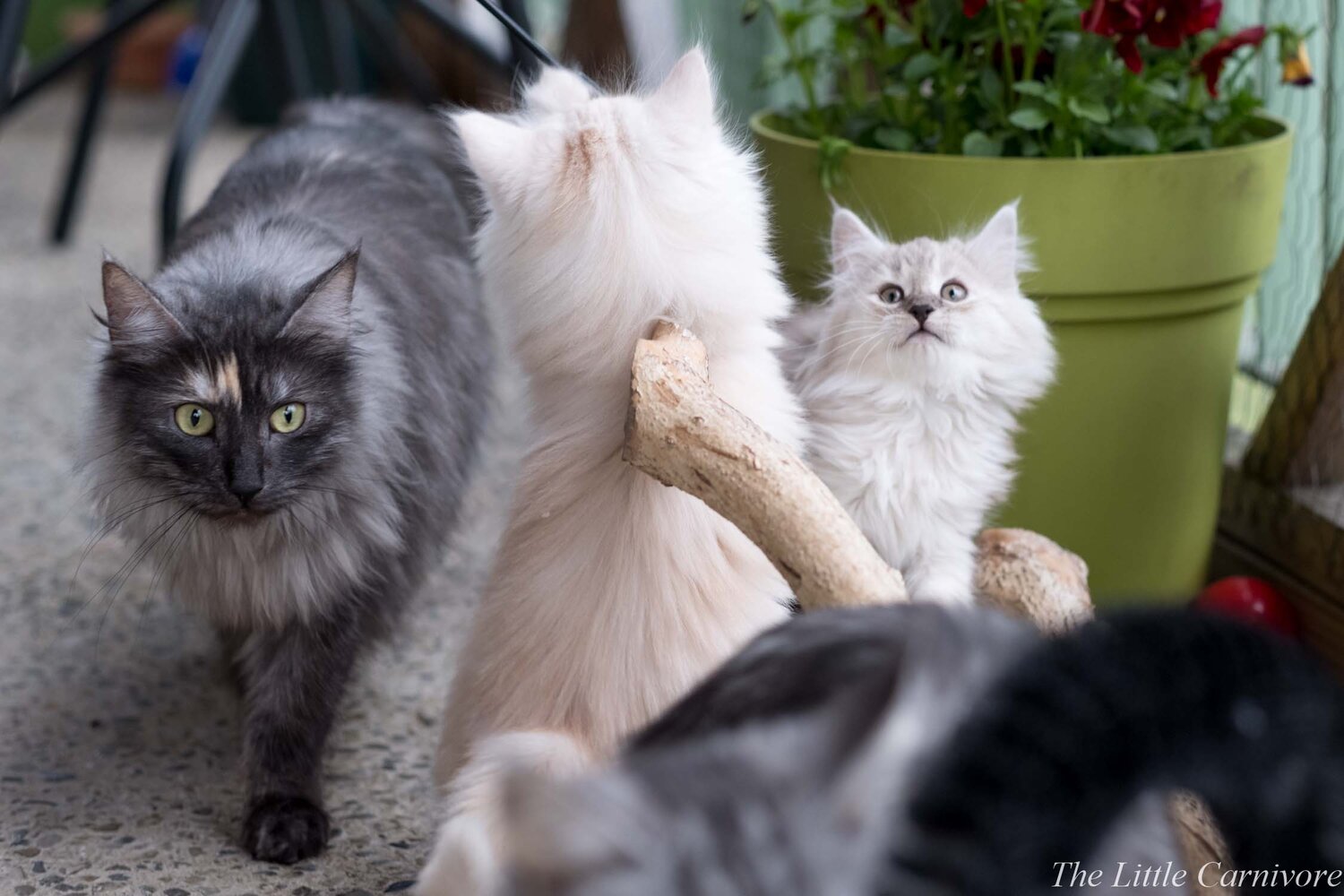
Remove waste promptly and wash bedding weekly or more often if needed. How might you design your space to make cleaning easier and faster? Smooth, non-porous surfaces and minimal clutter help maintain hygiene efficiently.
Credit: thelittlecarnivore.com
Finding And Caring For Breeding Cats
Becoming a registered cat breeder involves researching breed standards and fulfilling registration requirements. Proper care includes regular vet visits, balanced nutrition, and a safe environment for breeding cats.
Finding and caring for breeding cats requires dedication and knowledge. Selecting the right cats and ensuring their well-being is crucial. This process involves understanding their health, providing proper nutrition, and monitoring their breeding cycles. Let’s explore these aspects in detail.Selecting Healthy Cats
Choosing healthy cats is essential for successful breeding. Look for cats with a strong genetic background. They should have a robust physical build and a pleasant temperament. Ensure they have no hereditary diseases. A vet check is vital before making a decision. This helps in identifying any hidden health issues. Healthy cats lead to healthy litters.Nutrition And Veterinary Care
Proper nutrition is the foundation of cat health. Provide a balanced diet rich in proteins and vitamins. Fresh water should always be available. Regular veterinary check-ups are important. Vaccinations and parasite control keep cats in top condition. A good vet can guide on specific dietary needs. This ensures your breeding cats remain healthy and strong.Monitoring Breeding Cycles
Understanding breeding cycles is crucial for timing. Female cats have several cycles a year. Keep a record of these cycles to plan breeding. Look for signs of heat in female cats. This includes increased affection and vocalization. Timing is key to successful mating. Keep males and females separated when not breeding. This prevents unwanted pregnancies and ensures planned breeding.Registration Process Steps
The registration process is essential for becoming a recognized cat breeder. It ensures your breeding practices meet specific standards. This process also helps maintain the quality and health of the cats you breed.
Each step in the registration process requires careful attention. Following these steps correctly will speed up your approval and avoid delays. Let’s explore the key actions needed to complete your registration.
Filling Out Applications
Start by obtaining the breeder registration application form. You can find this form on the official cat registry website. Fill out all sections carefully and accurately. Provide your personal details, breeding experience, and information about your cats. Double-check to avoid mistakes or missing information. Accurate details help the registry process your application faster.
Submitting Required Documents
Gather all necessary documents before submission. Commonly required documents include:
- Proof of identity
- Health certificates of your cats
- Previous breeding records, if any
- Photos of your cats and breeding facilities
Scan or copy these documents as per the registry’s instructions. Submit them along with your filled application. Missing documents can delay your approval.
Paying Fees And Waiting Periods
Each registry charges a fee for breeder registration. Check the exact amount on their website. Pay the fee using the accepted payment methods. Keep a copy of your payment receipt for your records.
After payment, there is usually a waiting period. This time allows the registry to review your application and documents. The waiting period can range from a few weeks to a couple of months. Use this time to prepare your breeding space and learn about best practices.
Credit: www.bearmary.com
Breeding Ethics And Best Practices
Breeding cats is more than just pairing animals; it demands a deep sense of responsibility and respect for the animals’ well-being. Ethical breeding ensures that you contribute positively to the breed’s health and reputation. Let’s focus on key best practices that protect your cats and support your success as a registered breeder.
Avoiding Inbreeding
Inbreeding can cause serious health problems, including genetic defects and weakened immune systems. You need to carefully plan your breeding pairs to keep genetic diversity high. Using tools like pedigree charts and genetic testing helps identify the best matches without repeating close relatives.
Ask yourself: Are your breeding cats too closely related? If so, it’s time to look for new bloodlines to improve the health and vitality of your kittens. It’s a practical step that benefits both the cats and your breeding program.
Ensuring Animal Welfare
Your cats’ health and happiness must always come first. Providing clean, safe environments and regular veterinary care is essential. Watch for any signs of stress or illness and address them immediately.
Think about how your cats spend their days—do they have enough space, stimulation, and social interaction? You can’t breed responsibly if the animals aren’t thriving physically and emotionally. Your commitment to their welfare sets you apart as a breeder people trust.
Maintaining Accurate Records
Good record-keeping might seem tedious, but it’s crucial. Keep detailed files on each cat’s health, lineage, vaccinations, and breeding history. This information not only helps track genetic traits but also ensures transparency with buyers and breed registries.
Consider digital tools or dedicated software to organize your records efficiently. Accurate documentation supports your credibility and helps you make informed breeding decisions over time. How well do you track your cats’ information now?
Marketing And Selling Kittens
Marketing and selling kittens is a vital part of being a registered cat breeder. It helps you find loving homes for your cats and builds your reputation. Clear communication and honesty are keys to success. Focus on reaching the right buyers and ensuring the kittens go to safe, caring families.
Advertising Your Breeding Program
Start by creating a simple, attractive website. Include photos, kitten details, and your contact information. Use social media platforms to share updates and engage with cat lovers. Join cat forums and local groups to connect with potential buyers. Show your knowledge and passion for cats. Share stories about your breeding goals and care routines. This builds trust and interest.
Screening Potential Buyers
Ask questions to understand buyers’ homes and experience with cats. Check if they can provide a safe and loving environment. Explain the responsibilities of owning a kitten. Ensure buyers agree to proper care and follow-up. This helps protect your kittens and your breeding program. Trust your instincts. Avoid buyers who seem unprepared or unclear.
Legal Considerations In Sales
Know the laws about selling animals in your area. Prepare a simple sales contract to protect both parties. Include details about health guarantees and return policies. Provide buyers with vaccination and health records. Follow all local rules about pet sales and transportation. This keeps your business professional and safe.
Renewal And Continuing Education
Renewal and continuing education are vital for every registered cat breeder. Staying current ensures your breeding practices remain legal and ethical. It also helps you improve your knowledge about cat health and genetics. Regular renewal keeps your breeder status active, avoiding any lapses in certification.
Maintaining Registration Status
Keep track of your registration expiration date. Submit renewal forms and fees on time. Some registries require proof of continued breeding activity. Follow all rules to avoid penalties or loss of status. Maintaining accurate records of your cats helps during renewal.
Staying Updated On Regulations
Animal welfare laws and breeding rules can change. Check official breeder websites regularly. Sign up for newsletters or alerts from regulatory bodies. Understanding new guidelines protects your business and the cats. Keeping updated avoids fines or legal trouble.
Joining Breeder Associations
Associations offer training and support for breeders. Members gain access to workshops and seminars. Networking with other breeders helps share knowledge and tips. Some groups provide discounts on registration renewals. Joining builds your reputation and credibility.
Frequently Asked Questions
What Are The Basic Requirements To Become A Registered Cat Breeder?
To become a registered breeder, you need to meet local regulations, obtain breeding licenses, and follow ethical breeding practices. Proper facilities, health checks, and documentation are essential for registration with recognized cat breeding organizations.
How Do I Register My Cattery With Official Cat Associations?
Register your cattery by applying to cat associations like CFA or TICA. Submit required documents, pay fees, and meet their breeding standards. This registration legitimizes your breeding activities and allows participation in cat shows.
What Legal Obligations Do Cat Breeders Have To Follow?
Cat breeders must comply with animal welfare laws, licensing requirements, and health regulations. They need to ensure proper care, vaccination, and humane treatment of cats to avoid legal issues and maintain reputation.
How Can I Ensure Ethical Breeding Practices?
Ethical breeding involves health testing, genetic screening, and responsible mating to avoid hereditary diseases. Prioritize cats’ well-being, provide proper socialization, and avoid overbreeding to maintain breed quality and animal welfare.
Conclusion
Becoming a registered cat breeder takes time and effort. You must learn the rules and follow them closely. Keep your cats healthy and happy. Always keep good records and stay organized. Join a breeder’s association for support and advice. This helps you grow and improve your skills.
Start small and build your reputation with care. Breeding cats responsibly benefits both you and the animals. Stay patient and focused on your goals. Success comes with dedication and respect for the cats.



Leave a Reply