Are you tired of your home smelling like a litter box? Controlling cat litter box odor can feel like a never-ending battle.
But what if you could keep your space fresh and clean without constant scrubbing? You’ll discover simple and effective ways to stop those unpleasant smells before they take over. Keep reading, and you’ll learn easy tips that make a big difference—so you and your cat can enjoy a fresher, happier home.

Credit: www.amazon.ca
Choose The Right Litter
Choosing the right cat litter plays a big role in controlling litter box odor. The type of litter affects how well smells are trapped and how easy the box is to clean. Picking a litter that suits your cat’s habits and your home environment helps keep the area fresh. Understanding different litter types can guide you to the best choice for odor control.
Clumping Vs Non-clumping Options
Clumping litter forms solid clumps when wet. It makes cleaning easier by removing urine and waste quickly. This helps reduce odor since waste is taken out daily.
Non-clumping litter absorbs moisture but does not form clumps. It requires more frequent changing to keep smells away. Some cats prefer non-clumping due to texture.
Choosing between clumping and non-clumping depends on cleaning habits and your cat’s preference. Clumping usually controls odor better.
Odor-absorbing Materials
Different litters use various materials to absorb and mask smells. Common options include:
- Clay: Good at absorbing moisture and odor but can be dusty.
- Silica gel crystals: Trap moisture and odor effectively, lasting longer.
- Natural materials like corn, wheat, or pine: Biodegradable and odor-absorbing.
Materials with strong odor-absorbing properties help keep the litter box fresher longer.
Scented Vs Unscented Litter
Scented litter masks odors with fragrances. It can make the litter box smell pleasant.
Unscented litter does not add any fragrance. It controls odor through absorption only.
Some cats dislike scented litter, which can cause avoidance or irritation. Unscented litter suits sensitive cats better.
Choosing between scented and unscented depends on your cat’s comfort and your odor control needs.
Keep The Litter Box Clean
Keeping your cat’s litter box clean is the most effective way to control odor. A fresh litter box doesn’t just reduce smells; it also encourages your cat to use it consistently. Neglecting cleanliness can quickly turn the area into a source of unpleasant odors and potential health issues for both you and your pet.
Daily Scooping Routine
Scoop out clumps and waste at least once a day to stop odors before they start. Leaving waste in the box allows bacteria to multiply, which produces strong smells. Use a dedicated scoop and dispose of waste in a sealed bag to keep your home smelling fresh.
Try setting a reminder on your phone if you often forget. It only takes a few minutes but makes a huge difference in odor control.
Weekly Deep Cleaning
Once a week, empty the entire litter box and replace the litter completely. This helps remove lingering smells that daily scooping can’t fix. It’s also a good chance to check for any cracks or damage in the box that might trap odors.
Consider using baking soda or a litter deodorizer to add extra odor-fighting power during the deep clean. Have you noticed how a thoroughly cleaned box invites your cat to use it more willingly?
Proper Washing Techniques
After emptying the litter, wash the box with warm water and mild soap. Avoid harsh chemicals or strong-scented cleaners, as these can repel your cat. Rinse thoroughly to remove any soap residue that might irritate your pet’s paws.
Dry the box completely before adding fresh litter. A damp box can cause litter to clump prematurely and worsen odors. Regular washing keeps the environment hygienic and odor-free for both you and your cat.
Use Odor Control Additives
Odor control additives help reduce unpleasant smells in cat litter boxes. They work by neutralizing odors quickly and keeping the area fresh. Adding these products makes cleaning easier and improves air quality around the litter box.
Use Odor Control AdditivesAre you tired of the unmistakable smell wafting from the litter box? Odor control additives could be your new best friend. These handy solutions can transform a smelly situation into a breath of fresh air. Adding the right elements to your cat’s litter can significantly reduce unpleasant odors. Let’s explore some practical options you can use today.Baking Soda Benefits
Baking soda is a simple yet effective way to combat litter box odor. A sprinkle at the bottom of the litter box can neutralize smells without harming your cat. Plus, it’s an affordable option you probably already have in your pantry. Imagine the relief of entering a room without being greeted by a pungent litter box smell. It’s worth giving baking soda a try just for that peace of mind.Activated Charcoal Options
Activated charcoal is another powerful odor absorber. Place a small pouch in the vicinity of the litter box, and it will work quietly to absorb smells. Many pet owners swear by its effectiveness, noting a noticeable difference in air quality. It’s a natural choice that doesn’t interfere with your cat’s sensitive nose.Commercial Deodorizers
Commercial deodorizers are specifically designed to tackle tough litter box odors. They come in a variety of formulas, including sprays and powders, to suit your preference. These products often include enzymes that break down odor-causing bacteria, keeping your home smelling fresh. Experiment with different brands to find the one that works best for you and your feline friend. Do you have a favorite odor control strategy? It might be time to mix things up and try one of these proven methods. Your nose—and your cat—will thank you!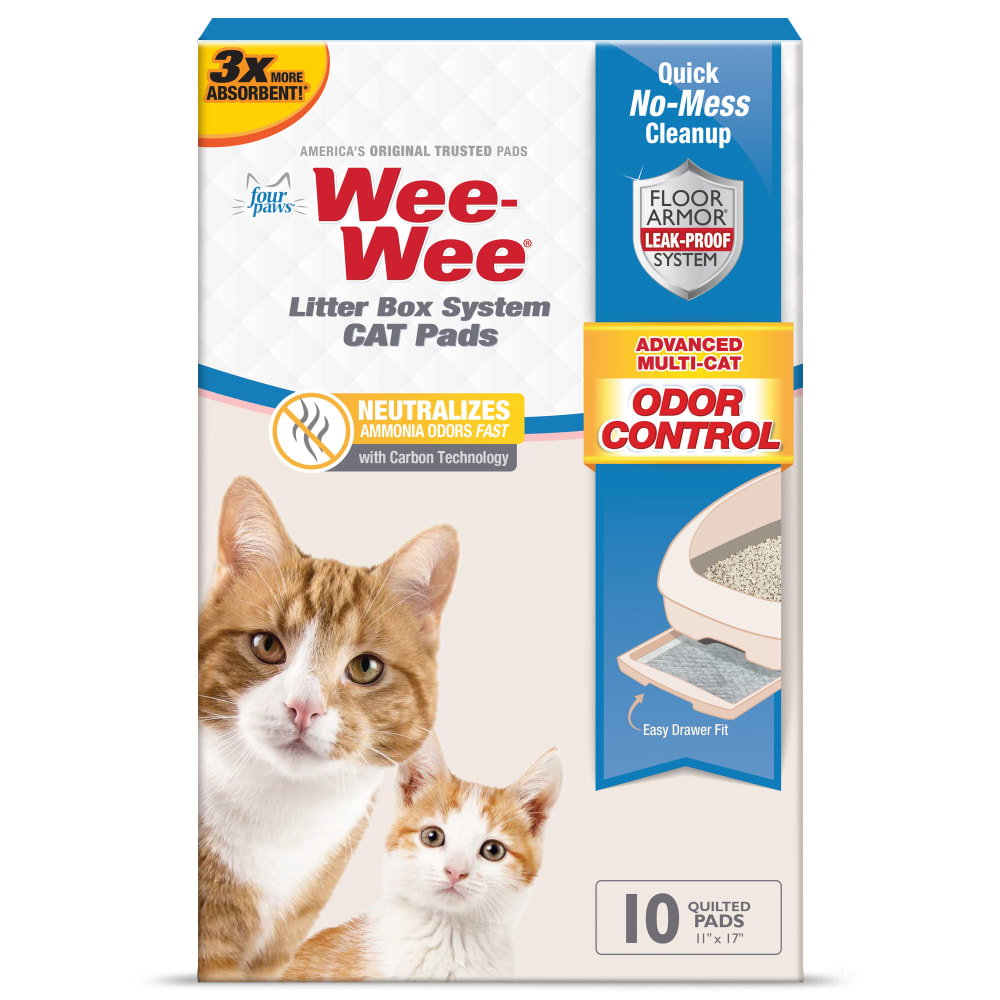
Credit: www.fourpaws.com
Select The Best Litter Box
Choosing the right litter box plays a big role in controlling odors. The box should suit your cat’s habits and your home space. A well-chosen litter box can keep smells at bay and make cleaning easier.
Covered Vs Open Boxes
Covered boxes trap odors inside but may limit airflow. Some cats like privacy, while others feel trapped. Open boxes allow better air circulation, which helps reduce moisture. Cleaning is easier with open boxes. Watch your cat’s preference to pick the best type.
Self-cleaning Models
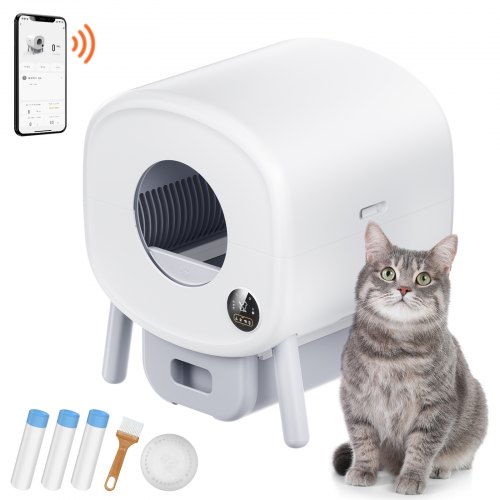
Self-cleaning litter boxes remove waste automatically. This keeps the box fresh longer and lowers odor build-up. They need electricity and regular maintenance. These models save time but cost more. Check if your cat accepts this style before buying.
Size And Placement Tips
Choose a litter box big enough for your cat to move freely. Small boxes trap waste close to the cat, causing more smell. Place the box in a quiet, ventilated spot. Avoid cramped or damp areas. Good placement helps air flow and keeps odors down.
Maintain Good Ventilation
Maintaining good ventilation is key to controlling cat litter box odor. Proper airflow reduces trapped smells and helps keep the area fresh. A well-ventilated space lowers moisture and ammonia buildup from urine. This creates a healthier environment for both cats and humans.
Ideal Location For Fresh Air
Place the litter box in a spot with natural air circulation. Avoid small, enclosed rooms with little airflow. A corner near a window or an open door works well. Keep the box away from heating vents or direct sunlight. This helps prevent strong odors from settling.
Using Air Purifiers
Air purifiers remove airborne particles and odors effectively. Choose a purifier with a carbon filter designed for pet smells. Position it close to the litter box area. Run the purifier consistently to maintain clean air. This reduces odor and improves indoor air quality.
Natural Ventilation Solutions
Open windows or doors regularly to let fresh air in. Use fans to increase air movement if needed. Installing a small exhaust fan near the litter box can help. Plants like spider plants or peace lilies also improve air naturally. These simple steps keep the litter area well-ventilated and odor-free.
Monitor Your Cat’s Health
Keeping your cat’s litter box smelling fresh isn’t just about cleaning it regularly. Your cat’s health plays a big role in the odor coming from the litter box. By monitoring their health closely, you can catch issues early and reduce unpleasant smells at the source.
Signs Of Urinary Issues
Have you noticed a sudden strong smell or your cat spending more time in the litter box? These could be signs of urinary problems like infections or bladder stones. Watch for symptoms such as:
- Frequent or painful urination
- Blood in the urine
- Accidents outside the litter box
Ignoring these signs can make the odor worse and harm your cat’s health. Prompt attention helps both your cat and your home environment.
Diet’s Impact On Odor
Your cat’s diet directly affects the smell of their waste. Foods high in protein or certain additives can make urine smell stronger. You might want to try:
- Feeding a balanced, high-quality diet
- Adding water-rich foods like wet cat food or broth
- Avoiding sudden food changes that upset digestion
Have you ever noticed a diet change causing a spike in odor? Adjusting what your cat eats can make a big difference in litter box freshness.
When To Consult A Vet
If you see persistent strong odors or your cat shows unusual behavior, it’s time to get professional advice. A vet can diagnose infections, kidney issues, or other health problems that cause smelly urine. Don’t wait until the smell is unbearable—early treatment can save your cat discomfort and your nose.
Have you taken your cat to the vet because of litter box odor issues? Sharing your experience might help others spot the signs sooner.
Additional Freshness Tips
Keeping your cat’s litter box smelling fresh can be a challenge, but some simple habits and tools can make a big difference. Beyond the basics of scooping daily and choosing the right litter, these additional freshness tips help maintain a cleaner, odor-free environment for both you and your feline friend.
Using Litter Mats
Litter mats catch stray litter that sticks to your cat’s paws when they exit the box. This prevents litter from scattering around your floor, which can trap odors and spread them throughout your home.
Choose a mat with deep grooves or a textured surface to effectively trap litter. I found that placing a washable mat right outside the box made cleanup easier and kept my living space fresher between deep cleanings.
Regular Litter Replacement
Even if you scoop daily, the litter itself can hold onto smells over time. Completely replacing the litter at least once a week refreshes the box and cuts down on lingering odors.
Try setting a schedule to dump out all old litter, wash the box with mild soap and water, then add fresh litter. You’ll notice the difference in the air immediately, and your cat will appreciate the cleaner space.
Multi-cat Household Strategies
More cats mean more litter box usage, which can increase odors quickly. You need to adjust your cleaning routine and box setup accordingly.
- Provide one litter box per cat, plus one extra, to prevent overcrowding.
- Increase scooping frequency—consider twice daily if possible.
- Use high-quality clumping litter designed to absorb and neutralize odors.
Have you noticed that your cats avoid a dirty box? Keeping multiple clean boxes can reduce accidents and help keep your home smelling fresh.
Credit: www.vevor.ca
Frequently Asked Questions
How Often Should I Clean The Cat Litter Box?
Clean the litter box daily by scooping waste. Fully change the litter and wash the box weekly. Regular cleaning prevents odor and keeps cats healthy.
What Type Of Litter Best Controls Odor?
Clumping clay litter with activated charcoal or baking soda controls odor well. Natural litters like pine or corn also absorb smells effectively. Choose unscented options to avoid irritating your cat.
Can Deodorizing Sprays Help With Litter Box Smell?
Yes, deodorizing sprays can mask odors temporarily. Use sprays made for cat litter boxes only. However, regular cleaning and proper litter choice are more effective for long-term odor control.
Does The Litter Box Location Affect Odor Control?
Yes, placing the litter box in a well-ventilated, low-traffic area helps reduce odors. Avoid enclosed spaces or near food areas. Proper location improves air circulation and minimizes smell buildup.
Conclusion
Controlling cat litter box odor takes simple daily steps. Clean the box often to keep smells away. Use good quality litter that absorbs moisture well. Place the litter box in a well-ventilated spot. Try adding baking soda to reduce strong smells.
Remember, a fresh-smelling home keeps both you and your cat happy. Small changes make a big difference. Stay consistent, and odor problems will fade fast. Your cat’s comfort matters as much as yours. Keep the litter box fresh and enjoy a cleaner home.



Leave a Reply