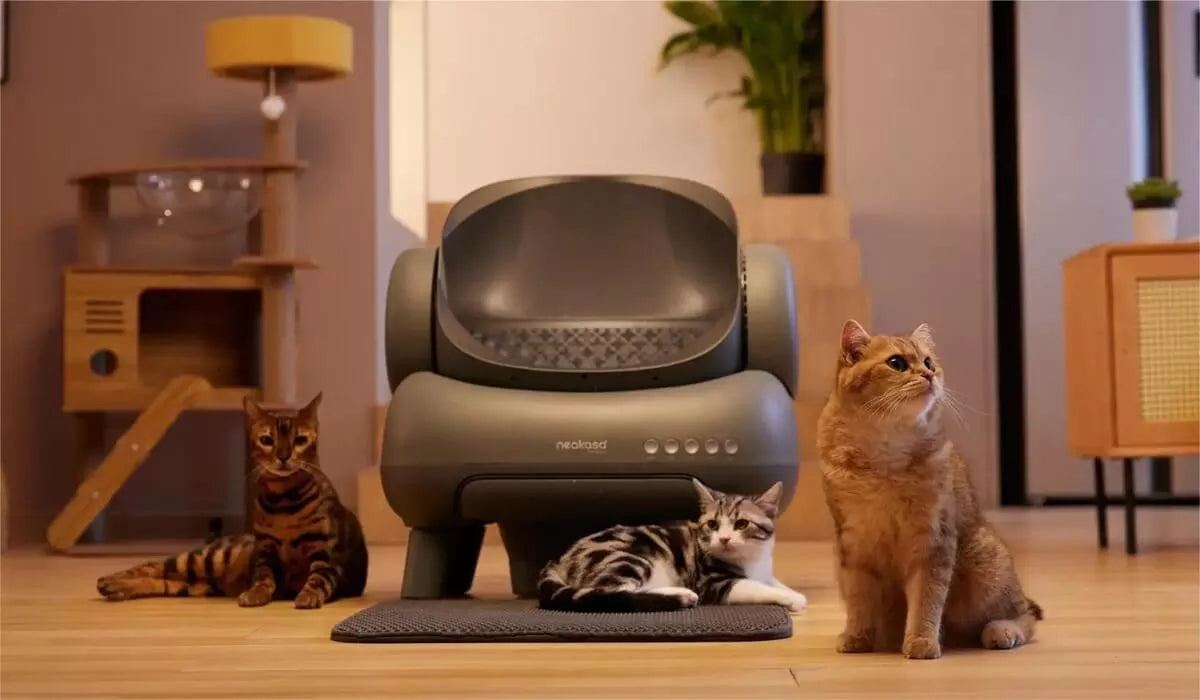
If you have more than one cat, you might be wondering how many litter boxes you really need. Getting this right isn’t just about keeping your home clean—it can make a big difference in your cats’ happiness and health.
Too few litter boxes can lead to accidents and stress, while too many might feel like clutter. You’ll discover the simple rule that helps you find the perfect number of litter boxes for your furry friends. Keep reading to make sure your cats stay comfortable and your home stays fresh.

Credit: www.purewow.com
Ideal Number Of Cats Per Litter Box
Knowing the ideal number of cats per litter box helps keep your home clean and your pets happy. Cats prefer having enough space for their bathroom needs. Too few boxes can cause stress and accidents. Proper litter box management supports good cat health and behavior.
General Recommendations
The common advice is one litter box per cat, plus one extra. For example, two cats need three boxes. This rule gives cats options and reduces fights over boxes. It also keeps boxes cleaner longer. Place boxes in different quiet spots around your home. This helps shy cats feel safe.
Factors Influencing The Ratio
Several factors affect how many litter boxes you need. Consider these:
- Cat personalities:Some cats guard boxes, needing more space.
- House size:Larger homes need more boxes in multiple areas.
- Health issues:Cats with health problems may use boxes differently.
- Type of litter box:Covered boxes might cause some cats to avoid them.
- Number of floors:Multi-level homes benefit from boxes on each floor.
Adjust box numbers based on these points. Watch your cats’ behavior and clean boxes often. This creates a comfortable environment for all your cats.

Credit: www.businessinsider.com
Types Of Litter Boxes
Choosing the right litter box is crucial for the comfort and hygiene of your cats. Different types of litter boxes can affect how often they need cleaning and how comfortable your feline friends feel while using them. The type you choose can also influence how many cats can comfortably share a single litter box. Let’s explore the various options available.
Open Vs Covered Boxes
Open litter boxes are simple and provide easy access for cats. They are easy to clean and allow for good airflow, which can help reduce odors. However, they might not contain litter scatter as effectively.
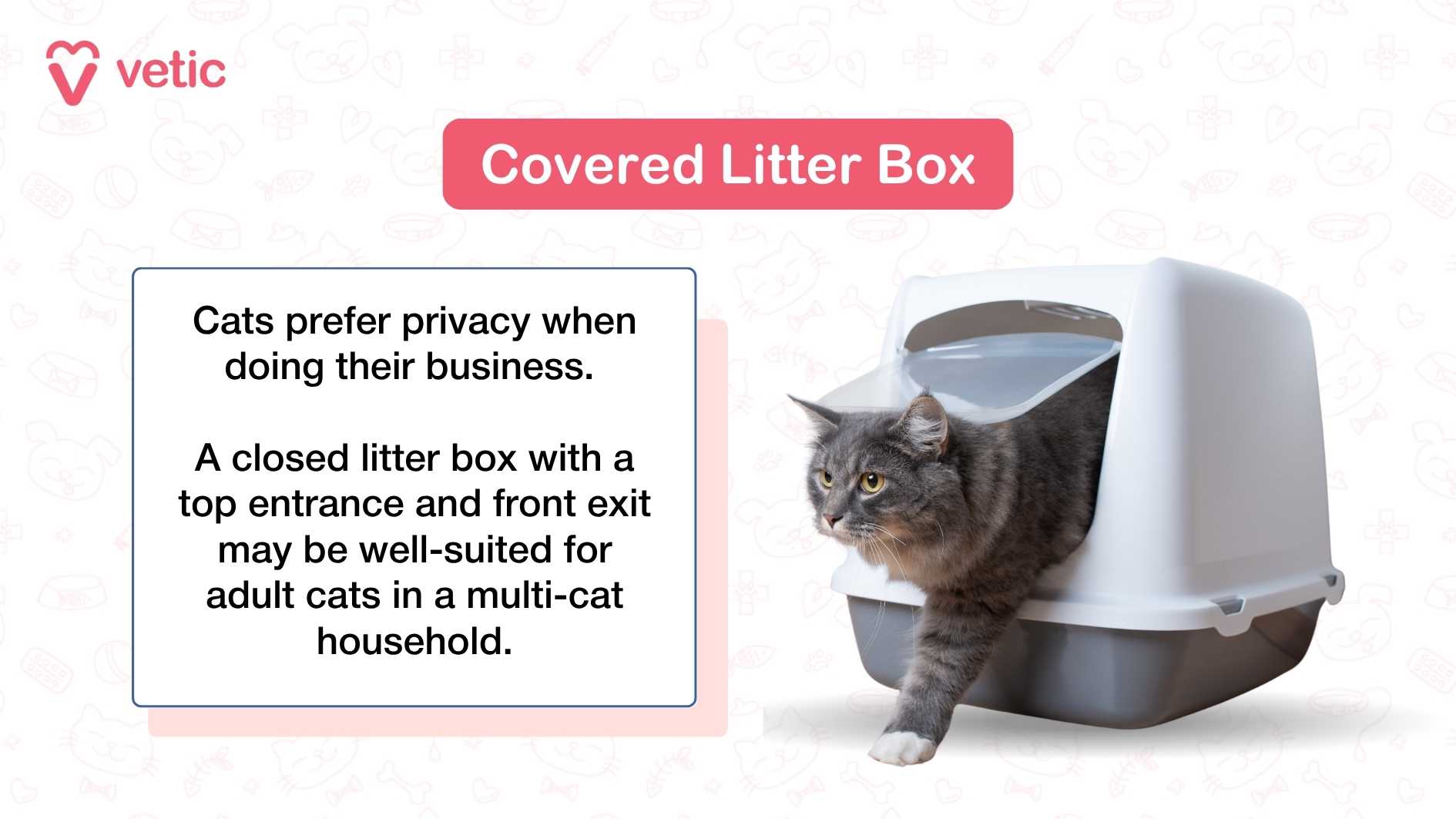
Covered boxes offer more privacy for your cat and can help contain odors better than open boxes. They might also prevent litter from being kicked out, keeping your area tidier. But, some cats might feel trapped or intimidated by enclosed spaces.
Self-cleaning Options
Self-cleaning litter boxes are a game-changer for busy cat owners. They automatically sift through the litter, removing waste and keeping the box clean with minimal effort on your part. While they can be more expensive, the time saved on daily scooping might be worth the investment.
Consider your cat’s reaction to noise, as some self-cleaning models can be a bit loud. Would your cat be comfortable with the sounds and movements these boxes make? Testing a self-cleaning model could save you from a future litter box rebellion.
Litter Box Placement Tips
Placing litter boxes correctly is key for happy cats and a clean home. Cats need privacy and easy access to feel safe using their boxes. Thoughtful placement helps prevent accidents and stress.
Quiet And Accessible Locations
Choose calm spots away from loud noises and busy areas. Cats prefer quiet places to do their business. Make sure the box is easy to find and reach for all cats. Avoid putting boxes near their food and water bowls. This keeps smells separate and encourages use.
Avoiding Common Placement Mistakes
Do not place litter boxes in cramped or hard-to-reach areas. Avoid noisy spots like near washing machines or heaters. Never block the box with furniture or doors. Don’t put all boxes in one room; spread them out. This helps reduce fights and stress among multiple cats.
Signs Of Litter Box Problems
Noticing signs of litter box problems early can save your cats from distress and keep your home clean. Cats are usually very particular about their bathroom habits, so changes in behavior or health related to litter boxes can signal issues. Watching closely can help you spot problems before they escalate.
Behavioral Indicators
If your cat suddenly avoids the litter box, it’s a clear warning sign. You might see them scratching around the box without using it or choosing unusual spots to relieve themselves. These changes often mean the box is dirty, too small, or there aren’t enough boxes for the number of cats.
Sometimes, cats will meow more loudly or seem anxious near the litter box. This can mean discomfort or pain when they try to go. Have you noticed your cat spending too much time in the box or repeatedly going without producing anything? These are signals you shouldn’t ignore.
- Avoidance or reluctance to use the box
- Frequent attempts but little output
- Loud vocalizations or signs of distress
- Urinating or defecating outside the box
Health Concerns Linked To Litter Issues
Problems with the litter box can sometimes point to health issues like urinary tract infections or constipation. If your cat is straining or showing blood in the urine, it’s urgent to consult your vet. Ignoring these signs can lead to serious conditions that are painful and expensive to treat.
Stress from litter box problems can also lower your cat’s immunity, making them more vulnerable to illness. Cats that feel uncomfortable using their box may hold in waste, causing discomfort and potential bladder issues. Are you providing enough clean and accessible boxes to prevent these problems?
Keeping your litter boxes clean and in quiet, accessible locations can prevent many health and behavioral issues. Remember, one box per cat plus one extra is a good rule to keep your cats happy and healthy.
Cleaning And Maintenance
Keeping litter boxes clean is key to happy cats and a fresh home. Regular care prevents odors and stops bacteria growth. It also helps cats feel comfortable using their boxes. Good cleaning habits keep the litter box area neat and safe.
Daily Cleaning Routines
Remove clumps and solid waste every day. Use a scoop with small holes to catch clean litter. Dispose of waste in a sealed bag. Stir the litter to keep it fresh. Check for wet spots and clean as needed. This quick routine cuts down smells and mess.
Deep Cleaning Methods
Wash the litter box fully once a week. Use warm water and mild soap for cleaning. Avoid harsh chemicals that hurt cats or leave smells. Rinse well to remove all soap. Dry the box completely before adding new litter. Consider replacing the litter box every year for hygiene.
Credit: vetic.in
Adjusting Litter Box Numbers For Multi-cat Homes
Adjusting the number of litter boxes in a home with multiple cats requires careful observation and thoughtful action. Every cat has unique preferences and habits, which can make finding the right balance tricky. If you want to keep your cats happy and your home clean, paying attention to how your cats interact with their litter boxes is key.
Monitoring Cat Behavior
Watch how your cats use the litter boxes. Are some cats avoiding certain boxes? Do you notice any signs of stress, like urinating outside the box? These behaviors can tell you if your current setup is working or if changes are needed.
Look for competition around the boxes. If one cat is guarding a box or if others seem hesitant to use them, it might be a sign that you need more boxes. Keep an eye on how often boxes are used and cleaned too—dirty boxes can push cats away.
When To Add More Boxes
Adding more litter boxes can prevent accidents and reduce tension in multi-cat homes. A good rule to start with is one box per cat plus one extra. For example, if you have three cats, aim for four litter boxes.
Consider adding boxes if you notice any of these signs:
- Frequent accidents outside the box
- One or more cats avoiding using the litter box
- Fighting or bullying around the boxes
- Boxes getting dirty too quickly
Have you ever thought about how your cats’ personalities affect their litter box use? Some cats prefer private spots, while others don’t mind sharing space. Adjust your box placement and numbers to fit your cats’ needs and watch the improvement.
Choosing The Right Litter
Choosing the right litter is key for a happy cat and a clean home. Cats can be picky about their litter. The litter affects how often you clean and how your cat uses the box. Picking the right type keeps your cat comfortable and healthy.
Types Of Cat Litter
- Clumping Clay:Forms solid clumps for easy scooping. Common and affordable.
- Non-Clumping Clay:Absorbs moisture but does not clump. Needs frequent changing.
- Silica Gel:Absorbs moisture and controls odor well. Low dust but more expensive.
- Natural/Plant-Based:Made from corn, wheat, or pine. Biodegradable and less dusty.
- Recycled Paper:Soft and dust-free. Good for cats with allergies.
Litter Preferences By Cats
Cats prefer fine, soft litter that feels good on their paws. Some cats avoid scented litters because they find the smell strong. Dust can irritate sensitive noses. Texture matters: some cats like clumping litter, others choose natural materials.
Watch your cat’s behavior near the litter box. Change the litter if they avoid the box. Test small amounts of different litter types. Find what your cat prefers for better litter box use.
Frequently Asked Questions
How Many Litter Boxes Do I Need For Multiple Cats?
You should provide one litter box per cat, plus one extra. This helps prevent territorial issues and keeps cats comfortable. For example, if you have three cats, provide four litter boxes.
Can Too Few Litter Boxes Cause Behavioral Problems?
Yes, limited litter boxes can cause stress and inappropriate elimination. Cats may avoid dirty boxes or fight over them. Providing enough boxes reduces these issues and promotes healthy habits.
What Is The Ideal Litter Box Ratio For Cats?
The ideal ratio is one litter box per cat, plus one extra. This ensures each cat has access to a clean, private space. It supports hygiene and reduces conflicts among cats.
Does Box Placement Affect Cat Usage?
Yes, placing boxes in quiet, accessible locations encourages use. Avoid high-traffic or noisy areas to make cats comfortable. Proper placement reduces accidents and stress for your cats.
Conclusion
Cats need enough litter boxes to stay happy and healthy. One box per cat is a good rule to follow. This helps prevent problems like accidents or stress. Clean the boxes often to keep them fresh. Watch your cats’ behavior to see if they need more boxes.
A calm cat is a happy cat. Giving your pets the right number of litter boxes shows you care. It makes life easier for both you and your furry friends. Simple steps can make a big difference in your home.



Leave a Reply