Are you curious about how to breed different kinds of cats and create unique feline companions? Whether you want to start a new hobby or improve your current breeding skills, understanding the basics is key.
Breeding cats isn’t just about pairing two animals—it’s about knowing their traits, health, and behavior to bring out the best in each generation. You’ll discover clear, simple steps to help you breed cats successfully. Keep reading to unlock tips that can make your breeding experience rewarding and enjoyable.
Choosing Cat Breeds
Choosing the right cat breeds for breeding is an important step. It affects the health, temperament, and appearance of future kittens. Breeders must consider many factors to ensure good results. Understanding breed traits helps in making informed decisions. This section explores key points to consider when selecting cat breeds for breeding purposes.
Popular Cat Breeds For Breeding
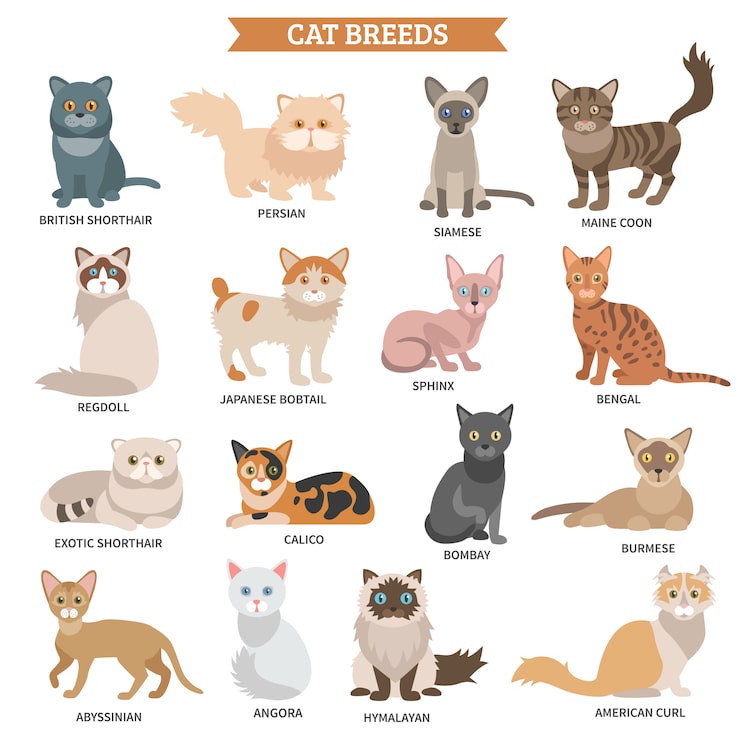
Some cat breeds are more popular for breeding due to their unique features and demand. These breeds often have stable traits and a friendly nature.
- Siamese: Known for their striking appearance and vocal personality.
- Maine Coon: Large size and gentle temperament make them a favorite.
- Persian: Famous for their long fur and calm behavior.
- Bengal: Wild look with playful and active nature.
- Ragdoll: Soft, affectionate cats that go limp when held.
Choosing popular breeds can increase the chances of successful breeding. These cats usually have well-documented care and health guidelines.
Matching Temperaments
Temperament is key in breeding. Cats with compatible personalities create healthier, happier kittens.
- Calm with calm: Produces peaceful kittens suited for families.
- Active with active: Results in playful and energetic offspring.
- Social with social: Creates friendly and outgoing cats.
Understanding each breed’s behavior helps in pairing cats. Avoid pairing aggressive or overly shy cats together.
Health Considerations
Health is a top priority in breeding. Select cats free from hereditary diseases.
- Check for genetic disorders common in the breed.
- Ensure vaccinations and vet checks are up to date.
- Consider lifespan and breed-specific health risks.
- Choose cats with strong immune systems and good physical condition.
Keeping health in mind reduces risks and supports kitten well-being. Regular health screening is essential before breeding.

Credit: www.freepik.com
Preparing For Breeding
Preparing for breeding is a key part of raising healthy cats. It takes time and effort to get everything ready. Proper preparation helps ensure strong kittens and happy cats. Focus on health, environment, and care before starting the breeding process.
Selecting Healthy Cats
Choose cats with no health problems. Check their vaccination and medical history. Look for good temperament and physical traits. Avoid cats with genetic diseases or bad behavior. Healthy parents increase the chances of healthy kittens.
Setting Up A Breeding Space
Create a quiet, clean area for breeding and birth. Use soft bedding and keep the space warm. Make sure the space is safe and free from hazards. Provide privacy for the cats to reduce stress. A calm environment helps cats feel secure.
Nutrition And Care
Feed the cats high-quality food rich in nutrients. Increase nutrition for the female before and during pregnancy. Provide fresh water at all times. Regular veterinary check-ups keep cats in good health. Proper care supports strong growth and healthy kittens.
Breeding Process
The breeding process for cats involves careful planning and knowledge. Breeding different cat kinds requires understanding their specific needs. This ensures healthy and happy litters.
Timing The Mating
Timing is crucial in the cat breeding process. Female cats, or queens, have cycles. These cycles determine when they can mate. Mating should occur during the female’s heat period. This increases the chances of successful breeding. Breeders often track these cycles closely. Doing so helps in planning the right time for mating.
Signs Of Heat In Cats
Recognizing heat signs is essential for breeding. Female cats show clear heat signs. They become more affectionate. Increased vocalization is common. Rolling on the floor and raising the rear are also signs. These behaviors indicate readiness for mating. Breeders should be observant and ready to act.
Breeding Techniques
Various techniques are used for cat breeding. Natural mating is the most common. The male and female are introduced in a controlled environment. Another method is artificial insemination. This technique requires professional expertise. It is used when natural mating is not possible. Each technique has its advantages. Breeders choose based on specific circumstances and cat breed needs.

Credit: www.rd.com
Pregnancy And Birth
Pregnancy and birth are critical stages when breeding different kinds of cats. Your role shifts from caretaker to guardian, ensuring the queen and her kittens stay safe and healthy. Understanding what to watch for and how to prepare can make a big difference in the outcome.
Monitoring The Queen
Keep a close eye on the queen’s behavior and physical condition throughout her pregnancy. Changes in appetite, energy levels, or unusual discharge can signal health issues that need immediate attention.
Track her weight weekly to ensure steady growth, but avoid stressing her with too much handling. Regular vet check-ups are essential to catch complications early and keep vaccinations up to date.
Have you noticed subtle signs your cat might be about to give birth? Learning these cues can help you provide timely support.
Preparing For Delivery
Create a quiet, warm, and comfortable nesting area for the queen well before her due date. Use soft blankets and a box with low sides so she can easily enter and exit.
- Place the box in a low-traffic room to minimize stress.
- Keep clean towels and scissors nearby, but only intervene if necessary.
- Have the vet’s contact info ready in case of emergency.
Remember, your calm presence can reassure the queen as she goes through labor. Are you prepared to stay alert through the long night?
Caring For Newborn Kittens
Newborn kittens need warmth and constant care during their first weeks. Check they are nursing regularly and gaining weight daily.
If a kitten seems weak or isn’t feeding, gently stimulate it to nurse or consult your vet immediately. The queen usually handles cleaning, but you may need to assist if she seems overwhelmed.
Keep the nesting area clean and monitor the kittens’ progress closely. How will you balance giving attention without disturbing their fragile new routine?
Raising Kittens
Raising kittens requires patience and gentle care. These young cats need a safe space to grow and learn. Their early days shape their behavior and health. Paying attention to their needs helps them become happy, healthy adults.
Feeding And Socialization
Kittens need frequent meals of special kitten food. This food has extra nutrients for growth. Offer small portions every few hours. Socializing kittens means gentle handling and new experiences. Let them meet people and other pets calmly. This builds confidence and reduces fear.
Health Checks And Vaccinations
Regular vet visits keep kittens healthy. The vet checks for parasites, infections, and growth issues. Vaccinations protect kittens from serious diseases. Start shots at six to eight weeks old. Follow the vet’s schedule for boosters and treatments. Early health care prevents many problems.
Weaning And Growth Milestones
Weaning begins around four weeks of age. Slowly replace milk with soft, wet food. Offer clean water in a shallow bowl. Watch kittens learn to eat on their own. Growth milestones include opening eyes, walking, and playing. Track these to ensure healthy development.

Credit: www.youtube.com
Ethical Breeding Practices
Ethical breeding practices are essential for healthy and happy cats. They ensure the well-being of the animals and help maintain strong, diverse gene pools. Following these practices protects cats from genetic diseases and supports responsible ownership.
Avoiding Inbreeding
Inbreeding can cause health problems and weak genetics in cats. Breeders should carefully select mates to avoid close relatives. This reduces the risk of inherited diseases. Tracking family history is important for safe pairings.
Maintaining Genetic Diversity
Genetic diversity keeps cat populations strong and healthy. Breeders should introduce new bloodlines regularly. This prevents traits from becoming too common or harmful. Diversity helps cats adapt to changes and resist illnesses.
Responsible Placement Of Kittens
Kittens deserve loving and safe homes. Breeders must screen potential owners carefully. Providing proper guidance about care is crucial. Ensuring kittens go to responsible homes supports their well-being throughout life.
Frequently Asked Questions
What Are The Basic Steps To Breed Different Cat Breeds?
Breeding different cat breeds involves selecting healthy parents, understanding genetics, and ensuring proper care. Start by researching breed traits and health issues. Provide a safe environment, balanced nutrition, and regular vet checkups. Monitor the pregnancy and care for kittens properly to ensure healthy offspring.
How Do I Choose The Right Cats For Breeding?
Choose cats with strong health, good temperament, and breed standards. Avoid genetic diseases and ensure compatibility. Select cats with desirable traits to improve the breed. Proper selection increases the chances of healthy and quality kittens.
What Are The Common Challenges In Cat Breeding?
Challenges include genetic disorders, pregnancy complications, and kitten health issues. Managing proper nutrition, hygiene, and veterinary care is crucial. Breeders must be prepared for unexpected problems and invest time and resources in responsible breeding.
How Long Is The Gestation Period For Cats?
The gestation period for cats typically lasts 63 to 65 days. It may vary slightly depending on the breed and individual cat. Proper care and nutrition during this time are essential for the health of the mother and kittens.
Conclusion
Breeding different kinds of cats takes patience and care. Each breed has unique needs and traits. Know your cats well and provide a safe space. Watch their health and behavior closely every day. Enjoy the process of learning and bonding with them.
Breeding cats can bring joy and new furry friends. Stay responsible and kind to all animals involved. Keep learning to improve your skills over time. The journey is rewarding for both you and your cats.



Leave a Reply