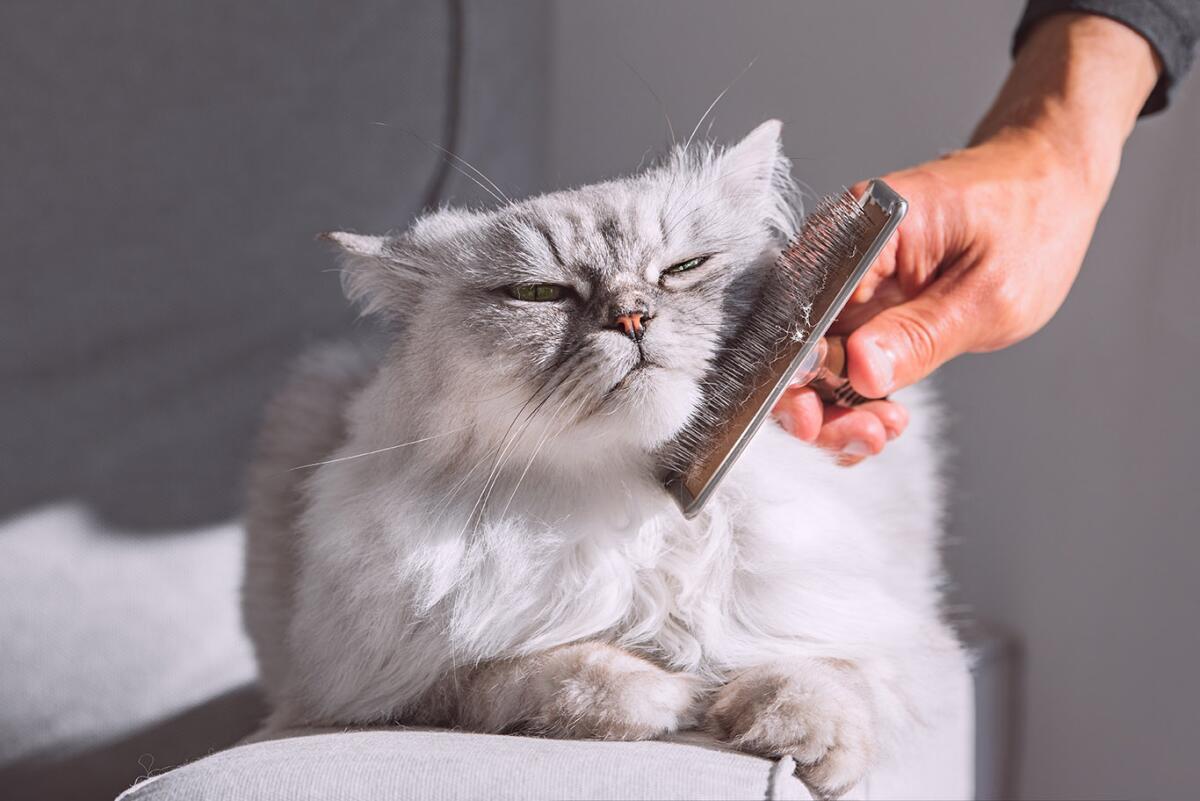
Have you ever watched a cat grooming itself and wondered how it never seems to run out of saliva? You might think their mouths would dry up after all that licking.
But cats have a fascinating way of keeping their saliva flowing, which helps them stay clean and healthy. If you’ve ever been curious about what makes your furry friend such a perfect groomer, this article will reveal the surprising reasons behind it.
Keep reading to discover the secrets of your cat’s endless saliva supply during grooming—and why it matters to their well-being.
Cat Grooming Basics
Cats spend a lot of time grooming themselves. This behavior helps them stay clean and healthy. Grooming removes dirt and loose fur. It also controls parasites like fleas. Understanding the basics of cat grooming helps us appreciate their habits. It also answers why cats do not run out of saliva during grooming.
How Cats Groom Themselves
Cats use their tongues to clean their fur. Their tongues have tiny, hook-like structures. These hooks help remove dirt and loose hair. Cats lick their fur in a specific pattern. They start from their head and move toward the tail. Grooming also spreads natural oils from their skin. These oils keep their coat shiny and soft. Cats may groom for several minutes to hours daily.
Role Of Saliva In Grooming
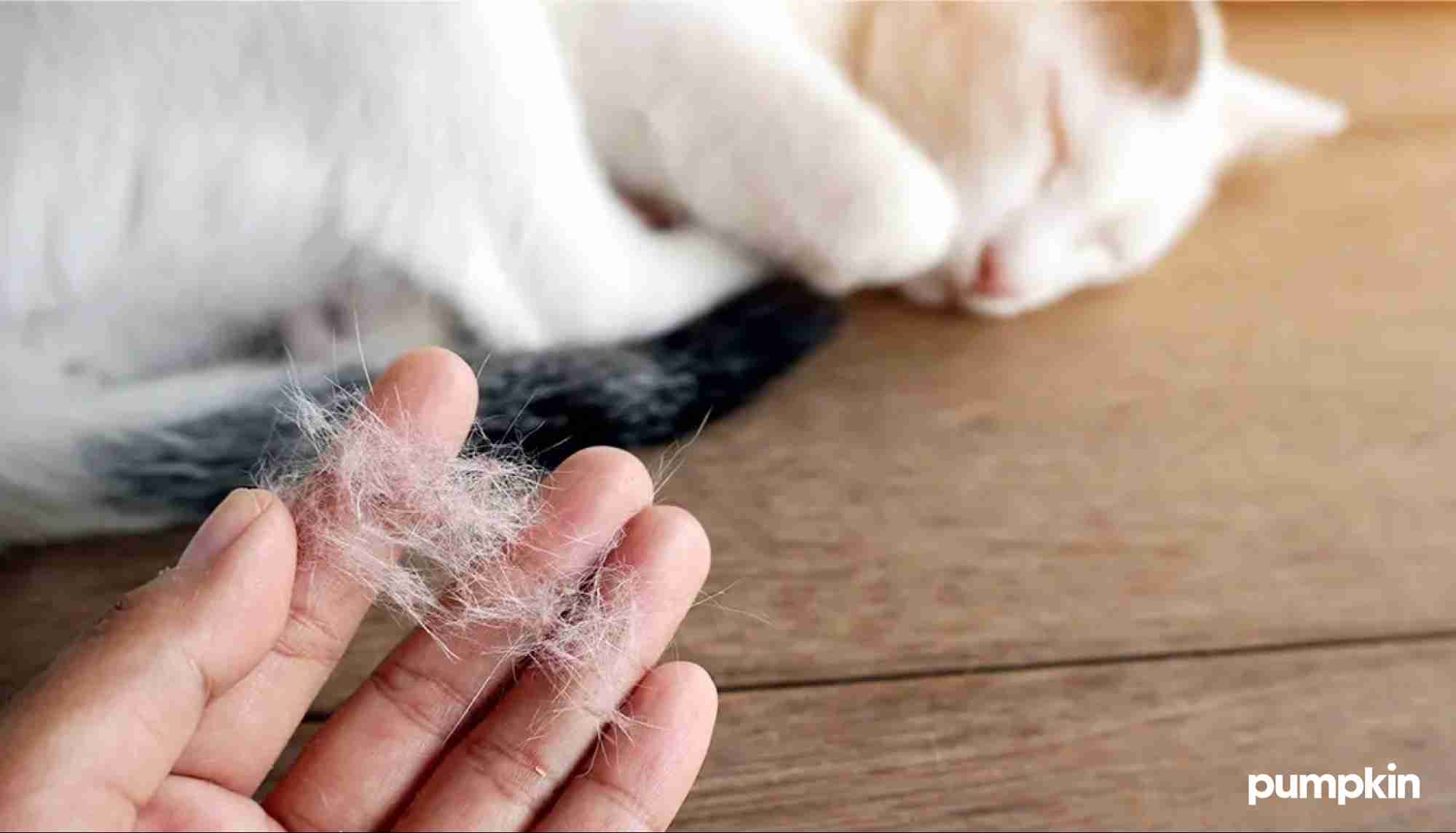
Saliva plays a key role in cat grooming. It helps clean the fur and skin. Saliva contains enzymes that break down dirt and oils. Cats produce saliva continuously, not just during grooming. Their saliva glands work steadily to keep up with grooming needs. Cats also swallow some saliva, which prevents it from running out. This balance allows cats to groom thoroughly without drying out their mouths.
Credit: www.pumpkin.care
Saliva Production In Cats
Cats use saliva to clean their fur and stay fresh. Their grooming habit seems endless, yet they never run out of saliva. This ability comes from their unique saliva production system. Understanding how cats produce saliva reveals why they groom so effectively.
Salivary Glands And Their Function
Cats have several salivary glands in their mouths. These glands create saliva continuously. The main glands are:
- Parotid glands near the ears
- Submandibular glands under the jaw
- Sublingual glands beneath the tongue
Each gland adds moisture to the mouth. Saliva helps moisten food and clean fur. The glands work together to keep saliva flowing during grooming.
Amount Of Saliva Cats Produce
Cats produce enough saliva to groom for long periods. Their saliva output adapts to their needs. If a cat grooms more, saliva production increases. This balance prevents dryness in their mouths.
Saliva also contains enzymes and antibacterial agents. These keep the cat’s fur clean and healthy. The steady saliva flow lets cats groom without stopping to rest.
Why Saliva Doesn’t Run Out
Cats spend a lot of time grooming themselves. Their tongues stay wet without running out of saliva. This happens because of special processes inside their bodies. These processes keep saliva flowing and prevent it from drying up during grooming.
Continuous Saliva Secretion
Cats’ salivary glands produce saliva all the time. This constant flow ensures their tongues stay moist. Saliva helps clean their fur and remove dirt.
The glands respond to grooming by increasing saliva production. This keeps the cat’s tongue wet throughout the grooming session.
Saliva Reabsorption Mechanisms
Not all saliva leaves the cat’s mouth. Some saliva gets reabsorbed inside the mouth. This happens through special tissues that recycle the fluid.
This reabsorption prevents the cat from losing too much saliva. It helps maintain moisture balance while grooming for long periods.
Credit: www.preventivevet.com
Benefits Of Saliva During Grooming
Saliva plays a crucial role in a cat’s grooming routine, far beyond just wetting their fur. It’s a powerful tool that supports their health and well-being in several surprising ways. Understanding these benefits can help you appreciate why cats rely so much on their saliva during grooming.
Cleaning And Hygiene
Your cat’s saliva acts like a natural cleanser. It helps remove dirt, loose fur, and parasites from their coat. The saliva’s enzymes break down oils and debris, keeping their fur spotless and healthy.
Have you noticed how cats seem to groom themselves constantly? This isn’t just about looking good; it’s their way of maintaining hygiene without needing water or soap. Their saliva does the heavy lifting in this process.
Cooling Effect
Did you know saliva helps cats cool down? When cats lick their fur, saliva spreads across their body and evaporates, creating a cooling effect similar to sweating in humans. This is especially useful on hot days or after vigorous play.
Next time your cat is grooming intensely after running around, watch how this behavior helps regulate their body temperature naturally. It’s a simple yet effective way to stay comfortable.
Healing Properties
Saliva contains compounds that promote healing and fight infections. If your cat has minor cuts or scratches, licking the area can help disinfect and speed up recovery. It’s like their built-in first aid kit.
This might make you wonder if you should stop them from licking wounds. Usually, it’s best to let them groom gently, but if wounds look serious or infected, a vet’s care is needed. Still, saliva’s healing role is a fascinating part of why cats groom so thoroughly.
Unique Cat Adaptations
Cats are fascinating creatures with unique adaptations. Their grooming habits are no exception. They can groom themselves for hours without running out of saliva. This ability is due to several unique features.
Efficient Saliva Distribution
Cats have a special way of distributing saliva. Their saliva glands produce just the right amount. This ensures they never run out while grooming. It helps maintain their fur’s cleanliness and health. The saliva spreads evenly across their fur. This keeps their coat clean and free from tangles.
Tongue Structure And Grooming
Their tongues are uniquely designed for grooming. Tiny hook-like structures cover their tongue. These hooks are called papillae. Papillae help in grabbing loose fur and dirt. They also aid in spreading saliva effectively. This clever design makes their grooming efficient and thorough. Cats’ grooming is more than just cleanliness. It is a testament to their remarkable adaptations.
Common Myths About Cat Saliva
Many people have wrong ideas about cat saliva and grooming habits. Some believe cats can run out of saliva while cleaning themselves. Others think their saliva can cause severe allergies or dehydration. These myths often confuse cat owners. Understanding the truth helps care better for cats.
Cats And Dehydration Risks
Some think cats lose too much water during grooming. Cats use saliva to clean fur and cool down. Their bodies make enough saliva to keep this up without harm. Cats drink water regularly to stay hydrated. Grooming does not cause dangerous dehydration.
Saliva And Allergies
Many believe cat saliva causes allergies directly. Actually, cat allergies come from proteins in saliva and skin flakes. When cats groom, saliva dries and spreads on fur. Allergic reactions happen when people touch or inhale these proteins. Saliva itself is not harmful, but proteins can trigger allergies.
)
Credit: www.northroadvet.com.au
Frequently Asked Questions
Why Don’t Cats Run Out Of Saliva While Grooming?
Cats produce saliva continuously through their salivary glands. Their glands secrete enough saliva to keep the mouth moist during grooming. This steady supply prevents them from running out, allowing cats to groom for long periods without discomfort or dryness.
How Does Saliva Help Cats During Grooming?
Saliva moistens a cat’s fur, making it easier to clean and remove dirt. It also contains enzymes that help kill bacteria on the skin. This keeps the cat’s coat healthy and reduces the risk of infections.
Do Cats Produce More Saliva Than Other Animals?
Cats have highly efficient salivary glands that produce enough saliva for grooming. While not necessarily more than all animals, their saliva production is perfectly suited for their grooming needs. This balance helps maintain cleanliness and comfort.
Can Cats Become Dehydrated From Excessive Grooming?
Excessive grooming can lead to minor dehydration if a cat licks too much. However, healthy cats usually balance grooming with drinking water. Owners should ensure cats stay hydrated to support saliva production and overall health.
Conclusion
Cats produce saliva continuously, so they never run out during grooming. Their bodies make just the right amount to keep their fur clean and healthy. Grooming also helps spread oils, keeping fur soft and shiny. This natural process works smoothly without any effort from cats.
Understanding this shows how well cats are built for self-care. Next time you see a cat licking, remember, it has plenty of saliva to last. Simple, smart, and natural—that’s how cats stay clean every day.

Leave a Reply