
Have you ever wondered how old retired breeder cats usually are? If you care about cats or have one yourself, knowing their age after breeding can help you understand their health and happiness better.
You might be surprised to learn what happens to these cats once they stop having kittens. Keep reading to discover the typical age of retired breeder cats and why it matters for their well-being. This information can help you make better choices for your furry friend’s future.

Credit: www.reddit.com
Typical Retirement Age
Understanding the typical retirement age of breeder cats helps you plan better care and transition for them. Just like people, cats reach a point where breeding is no longer ideal or healthy. Recognizing when your cat should retire ensures her well-being and a happy life beyond breeding.
Common Age Range For Retired Breeders
Most breeder cats retire between 5 and 8 years old. This range varies depending on the breed and individual health. Some cats may retire earlier if they show signs of fatigue or health issues.
For example, a Siamese breeder in my experience retired at 6 after a few litters because she became less active. On the other hand, some Maine Coons have bred successfully until 8 but usually not beyond that.
Factors Influencing Retirement Timing
Several factors affect when a cat should retire from breeding. Health is the biggest one—issues like weight loss, dental problems, or decreased fertility signal it’s time to stop.
Behavior also plays a role. If your cat seems stressed or less interested in breeding, consider retirement. Breeding frequency and the number of litters also impact her ability to continue safely.
Have you noticed changes in your breeder cat’s energy or appetite? These signs can tell you if it’s time to adjust her role. Paying attention to these details protects her future health and happiness.
Credit: www.belleayr.com
Health Changes With Age
As retired breeder cats age, their health undergoes significant changes that you need to watch closely. These changes can affect their comfort, activity levels, and overall well-being. Understanding what to expect helps you provide better care and catch any problems early.
Physical Signs Of Aging
Your cat’s body will show clear signs of getting older. Their coat may lose its shine and become thinner or patchy. You might notice graying fur, especially around the face and paws.
Older cats often move slower and may avoid jumping or climbing like they used to. Stiffness in their joints or a hesitant gait can indicate arthritis or muscle weakness. Keep an eye on their weight too; some cats lose muscle mass while others gain fat due to reduced activity.
Common Health Issues In Older Cats
Health problems become more common as cats age. Kidney disease, diabetes, and dental issues often appear in retired breeder cats. These conditions can develop quietly, so regular vet check-ups are crucial.
Many older cats also face thyroid problems, which can cause changes in appetite and energy levels. Urinary tract issues and heart disease are other frequent concerns. Have you noticed your cat drinking more water or using the litter box more often? These could be early warning signs.
Watch your cat’s behavior and physical condition closely. Early detection of health issues leads to better treatment outcomes and a happier life for your furry friend.
Post-retirement Care
Once breeder cats retire, they need special care. Their lifestyle changes. They move from active breeding to a calm, relaxed life. This shift demands adjustments in their care routine. Understanding these needs ensures a happy and healthy retirement.
Diet Adjustments
Retired breeder cats require a balanced diet. Their metabolism slows down with age. Adjust their meals to prevent weight gain. Senior cat food with fewer calories can be helpful. Ensure the food is rich in proteins and vitamins. This supports their aging bodies and maintains their energy levels.
Exercise And Activity Levels
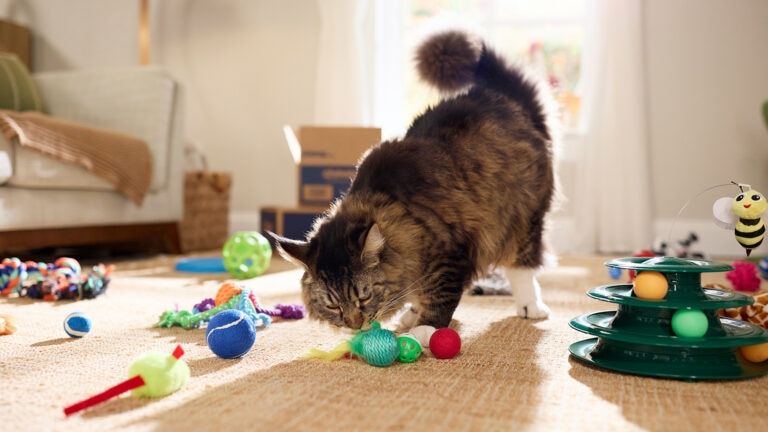
Even retired cats need exercise. Encourage gentle play to keep them active. This helps maintain muscle mass and prevents obesity. Use toys that stimulate their minds. Small games can keep them entertained and engaged. Regular activity promotes joint health.
Regular Veterinary Checkups
Frequent vet visits are crucial for retired breeder cats. Regular checkups catch health issues early. Seniors may develop age-related conditions. A vet can provide necessary treatments and advice. Keep vaccinations and dental checks up to date. This ensures a long and healthy retirement for your feline friend.
Lifespan Of Retired Breeders
Understanding the lifespan of retired breeder cats is essential if you’re considering adopting one or simply curious about their well-being. These cats have unique health and lifestyle backgrounds that can influence how long they live after their breeding days are over. Let’s look closely at what affects their longevity and what you can expect.
Average Longevity
Retired breeder cats typically live between 10 to 15 years, which is close to the average lifespan of many domestic cats. However, some can live beyond 15 years with proper care and attention.
Factors such as diet, living environment, and regular veterinary visits play a big role in helping these cats enjoy a longer, healthier life. Have you ever noticed how a calm, stable home seems to add years to a cat’s life? That’s no coincidence.
Impact Of Breeding History On Life Expectancy
The history of breeding can affect a cat’s health in several ways. Cats that have had multiple litters might experience more wear and tear on their bodies, leading to issues like weakened immune systems or joint problems.
For example, a retired breeder cat I once cared for had arthritis early on, likely due to the physical demands of frequent pregnancies. This shows how past breeding can influence health challenges later.
Knowing this, you can offer better support by providing joint supplements, a stress-free environment, and regular health check-ups. Have you thought about how a cat’s past might shape its needs today?
Emotional Well-being
Retired breeder cats face a major life change that impacts their emotional well-being. These cats often transition from a highly structured, breeding-focused routine to a quieter, less active lifestyle. This shift affects their behavior and mood. Understanding their emotional needs helps provide better care and comfort during retirement.
Behavioral Changes After Retirement
Retired breeder cats may show signs of stress or confusion. They can become withdrawn or less active than before. Some cats might develop anxiety or display unusual behaviors. Changes in appetite and sleeping patterns are common. These behaviors reflect their adjustment to a new lifestyle without breeding duties.
Patience and gentle care help ease this transition. Respect their space and avoid sudden changes in environment. Offering a calm and safe area supports emotional balance. Regular observation helps detect any health or emotional problems early.
Enrichment And Social Interaction
Keeping retired breeder cats mentally stimulated is crucial. Enrichment activities prevent boredom and promote happiness. Simple toys, scratching posts, and puzzle feeders engage their minds. Regular play sessions encourage physical activity and bonding.
Social interaction varies by cat. Some enjoy quiet companionship, others seek more attention. Spend time sitting quietly or gently petting them. If possible, introduce calm feline friends for socialization. Positive interaction reduces loneliness and improves emotional health.
Adoption And Rehoming
Adopting a retired breeder cat is a meaningful way to give these special felines a second chance at a peaceful life. These cats often come from breeding environments where their needs were centered around reproduction rather than companionship. When you open your home to a retired breeder cat, you’re offering comfort, love, and a fresh start.
Considerations For Retired Breeder Cats
Retired breeder cats may have unique health and emotional needs. You might notice they require extra veterinary care due to past breeding stress or age-related conditions. It’s important to be patient as they adjust to a quieter, family-oriented lifestyle.
Behaviorally, these cats can be shy or wary at first. They may not be used to typical pet routines or household noises. Giving them time and gentle attention helps build trust and comfort.
Creating A Comfortable New Home
Setting up a calm and safe environment is key to helping your retired breeder cat settle in. Create cozy resting spots with soft bedding away from noisy areas. Providing hiding spaces, like covered beds or boxes, can help them feel secure.
Keep their routine consistent with regular feeding times and gentle interaction. Consider introducing new toys gradually to encourage playful behavior without overwhelming them. Have you thought about how your home’s layout can reduce stress for a cat that’s new to family life?
Credit: www.belleayr.com
Frequently Asked Questions
How Old Are Cats When They Retire From Breeding?
Retired breeder cats usually retire between 4 to 8 years old. This age varies based on health and breeding practices. Many breeders stop breeding cats once they reach middle age to ensure their well-being. Proper retirement helps maintain the cat’s long-term health and happiness.
What Happens To Breeder Cats After Retirement?
After retirement, breeder cats often become pets or companions. They receive a more relaxed lifestyle with less stress. Many retired breeders enjoy more attention, playtime, and rest. Some are adopted into loving homes where they live out their lives peacefully.
How Long Do Retired Breeder Cats Typically Live?
Retired breeder cats often live 12 to 16 years or more. Good care, diet, and veterinary attention increase their lifespan. Retirement reduces breeding stress, promoting better health and longevity. Proper care ensures they enjoy a comfortable life post-retirement.
Why Do Breeder Cats Retire Early?
Breeder cats retire early to protect their health and well-being. Continuous breeding can cause physical and emotional strain. Early retirement prevents health complications and improves quality of life. Responsible breeders prioritize the cat’s welfare over prolonged breeding.
Conclusion
Retired breeder cats usually stop having kittens around six to eight years old. Their age can vary based on health and care. Many live happily for several years after retiring. They need love, good food, and regular vet visits. Knowing their age helps provide the right care.
Every cat deserves a peaceful, comfortable life after breeding. Keep watching their needs as they grow older. Caring for them well shows kindness and respect. Retired breeder cats still make great companions.

Leave a Reply