Are you wondering if your playful kitten can eat the same wet cat food as your adult cat? It’s a common question that many pet owners face.
Feeding your kitten the right food is crucial for their growth and health. Choosing the wrong type could affect their development or upset their tummy. You’ll discover the facts about kittens and adult wet cat food, so you can make the best choice for your furry friend.
Keep reading to learn what’s safe, what to avoid, and how to keep your kitten happy and healthy.
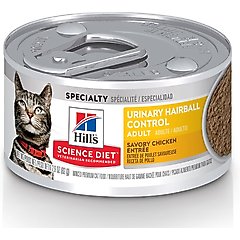
Credit: www.petmd.com
Kitten Nutritional Needs
Kittens have different nutritional needs than adult cats. Their bodies grow fast and require special care in feeding. Proper nutrition supports healthy bones, muscles, and organs. It also helps build a strong immune system. Feeding the right diet during kittenhood sets the stage for a long, healthy life.
Growth Requirements
Kittens grow rapidly in the first months. They need more calories than adult cats. Energy supports their active play and body development. Meals should be frequent and balanced. This helps maintain steady growth and avoids nutritional gaps.
Protein And Fat Levels
High protein is essential for building muscles and tissues. Kittens need more protein than adult cats. Fat provides energy and supports brain development. Quality sources of protein and fat ensure proper growth and vitality.
Vitamin And Mineral Essentials
Vitamins and minerals support many body functions. Calcium and phosphorus help build strong bones and teeth. Taurine is vital for heart and eye health. Balanced vitamins and minerals keep kittens healthy and active.
Differences Between Kitten And Adult Cat Food
Kitten food and adult cat food differ in many important ways. These differences support the unique needs of cats at various life stages. Kittens grow fast and require more energy and nutrients. Adult cats need a balanced diet to maintain their health and weight. Understanding these distinctions helps pet owners choose the right food for their cats.
Caloric Density
Kitten food has higher calories per serving than adult food. Growing kittens burn more energy. They need extra calories to support rapid growth and play. Adult cat food has fewer calories to prevent weight gain. Feeding adult food to kittens may not provide enough energy.
Texture And Palatability
Kitten food is often softer and easier to chew. Kittens have smaller teeth and jaws. Soft textures help them eat comfortably and digest well. Adult cat food can be tougher and less moist. It suits stronger teeth and different chewing habits. Texture affects how much cats enjoy their meals.
Nutrient Formulation
Kitten food contains more protein and fat. These nutrients support muscle development and brain growth. It also has extra vitamins and minerals like calcium and DHA. Adult cat food has balanced nutrients for maintenance. Too much protein or fat in adult food can cause problems. Proper nutrients keep cats healthy at each life stage.
Risks Of Feeding Adult Wet Food To Kittens
Adult wet food lacks the nutrients kittens need for growth. Feeding it can cause poor development and digestive problems. Kittens require specially made food for their health and energy.
Feeding your kitten adult wet cat food might seem convenient, but it carries certain risks that could impact their health. Kittens have specific dietary needs that differ significantly from adult cats. Understanding these risks will help ensure your kitten gets the nutrition they need to grow strong and healthy.Potential Nutrient Deficiencies
Kittens are little bundles of energy requiring a diet rich in essential nutrients. Adult wet cat food often lacks these vital components, such as higher protein content, which is crucial for a kitten’s rapid growth phase. Feeding them adult food might lead to deficiencies, impacting their development and immune system. Imagine your kitten missing out on crucial nutrients like taurine, calcium, and vitamins. These elements are essential for their bone growth, vision, and overall health. You wouldn’t want to compromise their health during such a critical growth period.Digestive Concerns
Kittens have delicate digestive systems that can be easily upset by rich adult cat food. The higher fat content and different composition can lead to digestive problems such as diarrhea or vomiting. If your kitten shows signs of digestive distress, it could be due to inappropriate food choices. Monitoring your kitten’s stool quality and behavior can give clues about their digestive health. If you notice any changes, it might be time to reassess their diet and consult your vet for guidance.Long-term Health Effects
Feeding your kitten adult wet cat food could have lasting impacts on their health. Inadequate nutrition during formative months can lead to stunted growth and weakened bone structure. Over time, this might translate to chronic health issues. Consider the long-term implications of not meeting your kitten’s dietary needs. Providing the right nutrition now can set the stage for a healthier life, saving you from potential vet visits and health concerns in the future. Are you willing to take a gamble with your kitten’s health by offering them adult cat food? Ensuring they receive the right nutrients tailored to their age and needs is an investment in their future well-being.
Credit: www.amazon.com
When Adult Wet Food Might Be Suitable
Understanding when adult wet cat food might be suitable for kittens can help you make better feeding choices. While kitten food is specially designed for their growth, there are times when adult wet food can fit into their diet. Knowing these moments ensures your kitten stays healthy and happy.
Transitional Feeding Stages
As kittens grow, their nutritional needs change gradually. Around 9 to 12 months, some kittens may begin transitioning to adult food. Introducing adult wet food during this stage can be gentle if done slowly and mixed with kitten food.
Try mixing small amounts of adult wet food with their usual kitten meals. Observe how your kitten reacts and adjust accordingly. This gradual change helps avoid digestive upset and eases the shift.
Veterinary Recommendations
Your vet’s advice is key when deciding on your kitten’s diet. Sometimes, health conditions or growth rates might prompt a vet to suggest adult wet food earlier or as a supplement. Always ask your vet before making changes to ensure the food meets your kitten’s specific needs.
Have you ever noticed your kitten struggling with certain foods? A vet can identify if adult wet food is a better option temporarily or long-term.
Special Dietary Needs
Some kittens have special dietary requirements that adult wet food can address. For example, kittens with allergies, sensitivities, or specific health issues might benefit from adult formulas that contain particular nutrients or fewer allergens.
Look for adult wet foods labeled for sensitive digestion or specific health concerns if your kitten struggles with standard kitten diets. Always check ingredient lists and consult your vet to find the best fit.
Tips For Feeding Kittens
Feeding kittens requires attention and care to support their growth. Proper nutrition helps them develop strong bones and a healthy immune system. Follow these tips to ensure your kitten gets the best start in life.
Choosing The Right Food
Kittens need food specially made for their age. Kitten food has more protein and fat than adult cat food. Avoid feeding only adult wet food to young kittens. It may lack the nutrients they need. Look for labels that say “complete and balanced for kittens.”
Feeding Frequency And Portions
Kittens eat small meals throughout the day. Feed them about 3 to 4 times daily. Use the feeding guide on the food package as a start. Adjust portions based on your kitten’s appetite and growth. Always provide fresh water alongside wet or dry food.
Monitoring Kitten Health
Watch your kitten’s weight and energy levels. Healthy kittens are active and steadily gain weight. Check their coat for shine and softness. Consult a vet if you notice vomiting, diarrhea, or loss of appetite. Early care prevents serious health problems.
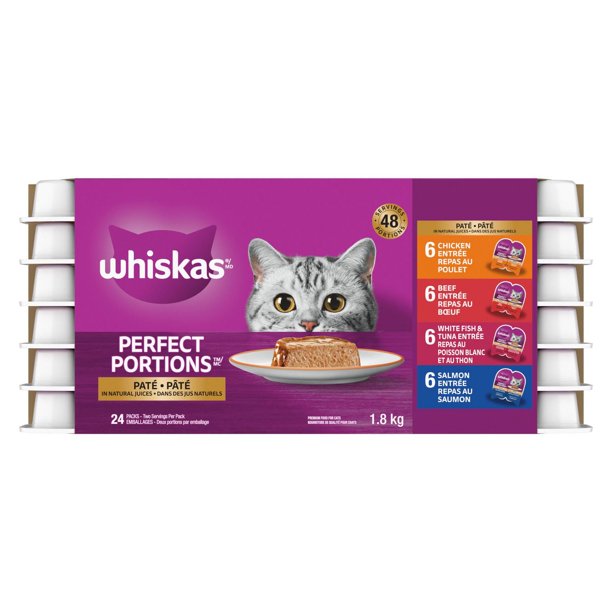
Credit: www.walmart.ca
Homemade Wet Food Options
Homemade wet food options offer a fresh, customizable way to feed kittens. Preparing food at home lets you control the quality and ingredients. It can support healthy growth and ensure your kitten gets the nutrients needed. Homemade recipes can be simple and nutritious, avoiding fillers and artificial additives found in some store-bought foods.
Safe Ingredients
Choose ingredients that are safe for kittens. Use cooked chicken, turkey, or fish as protein sources. Avoid raw meat due to bacteria risks. Include small amounts of pureed vegetables like carrots or peas. Never add onions, garlic, or spices. Avoid dairy products, as many cats are lactose intolerant. Use plain water or low-sodium broth to add moisture.
Balanced Recipes
Balanced recipes must contain protein, fat, and essential nutrients. Kittens need higher protein and fat than adult cats. Include organ meats like liver in small amounts for vitamins. Add a source of taurine, an essential amino acid for cats. Calcium can be added with ground eggshells or bone meal. Consult a vet or pet nutritionist to ensure balance.
Preparation Tips
- Cook all meats thoroughly to kill harmful bacteria.
- Grind or finely chop ingredients for easy chewing.
- Mix ingredients well for even nutrient distribution.
- Store homemade food in airtight containers in the fridge.
- Use within 2-3 days to keep food fresh.
- Warm food slightly before serving to enhance aroma.
- Introduce new foods gradually to avoid stomach upset.
Signs Your Kitten Needs Dietary Adjustment
Recognizing when your kitten needs a change in their diet is crucial for their health and happiness. Kittens grow fast, and their nutritional needs evolve quickly. If you miss the signs, your little furry friend might not get the right nutrients for their development.
Weight And Growth Monitoring
Keep a close eye on your kitten’s weight. Healthy kittens should steadily gain weight every week. If you notice your kitten is losing weight or not growing as expected, it could mean their current food isn’t meeting their needs.
Using a small scale at home can help track their progress. Compare their weight to breed-specific growth charts. If growth stalls, it’s a clear signal to adjust their diet.
Behavioral Changes
Have you seen your kitten suddenly become lethargic or less playful? Changes in energy levels often reflect nutritional issues. A kitten that seems hungry all the time or refuses to eat might be telling you their diet needs tweaking.
Watch for signs like increased irritability or unusual sleep patterns. These subtle behavior shifts can point to dietary gaps. You know your kitten best—if something feels off, it probably is.
Health Indicators
Look beyond behavior and weight to more visible health clues. Dull fur, excessive shedding, or skin problems can all stem from poor nutrition. Digestive issues like diarrhea or constipation are also red flags.
Regular vet check-ups help catch these problems early. But you can spot many health issues at home by simply paying attention to your kitten’s coat condition and bathroom habits.
Frequently Asked Questions
Can Kittens Eat Adult Wet Cat Food Safely?
Kittens can eat adult wet cat food occasionally, but it lacks essential nutrients for growth. Kitten-specific food supports their development better. Use adult food only if kitten food is unavailable, and consult a vet for best feeding practices.
When Should Kittens Switch To Adult Wet Cat Food?
Kittens should switch to adult wet cat food around 12 months old. This transition matches their changing nutritional needs. Gradually mix adult food with kitten food to avoid digestive issues during the switch.
Is Adult Wet Cat Food Nutritious For Kittens?
Adult wet cat food is less nutritious for kittens. It often has fewer calories, proteins, and vitamins essential for kitten growth. Feeding kittens adult food long-term can hinder their health and development.
What Risks Come From Feeding Kittens Adult Wet Food?
Feeding kittens adult wet food risks nutrient deficiencies and slow growth. Adult formulas lack critical nutrients like DHA and higher protein levels needed for kittens. This can cause weakened immunity and poor overall health.
Conclusion
Kittens need special food to grow strong and healthy. Adult wet cat food may lack important nutrients for them. Feeding only adult food can cause health problems later. You can offer small amounts but watch your kitten’s reaction. Always choose food made for kittens for the best results.
Proper nutrition supports their energy and development every day. Keep your kitten happy and healthy with the right diet. Small steps make a big difference in their growth journey. Trust what works best for your young cat’s needs.


Leave a Reply