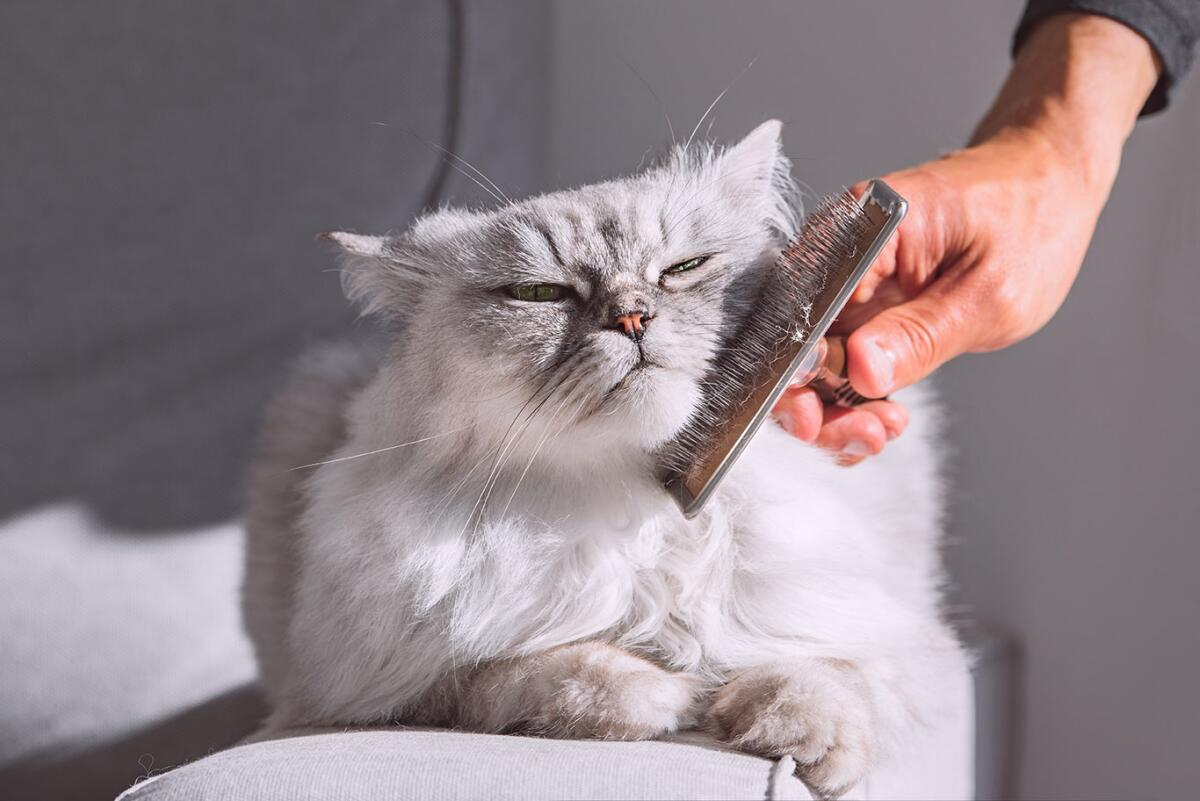
If you have a longhaired cat, you already know how beautiful and fluffy they are. But have you ever wondered how often you should groom your furry friend to keep their coat healthy and shiny?
Grooming isn’t just about looks—it’s about your cat’s comfort and well-being. Neglect it, and you might face mats, tangles, or even skin problems. Too much, and you could stress your pet. So, what’s the right balance? Keep reading to discover the perfect grooming routine that will keep your longhaired cat happy and looking their best.
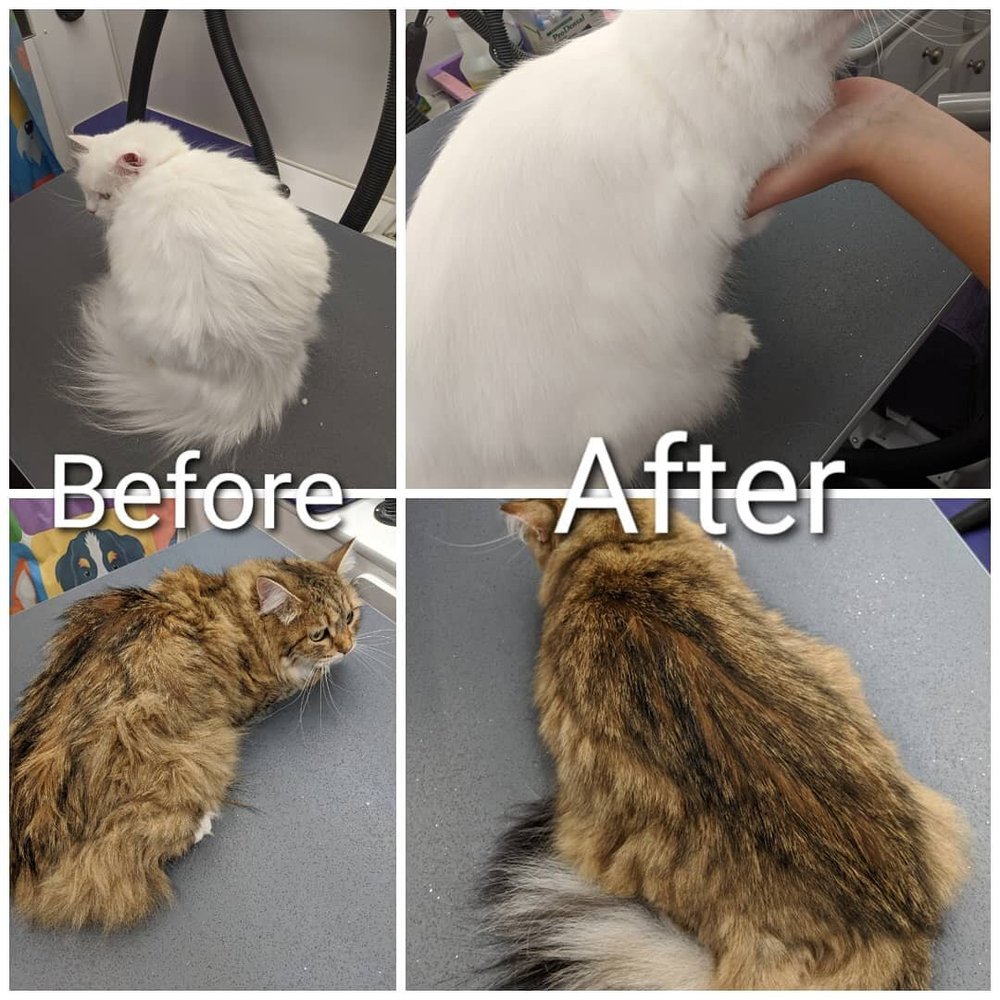
Credit: www.squeakycleangrooming.com
Grooming Frequency For Longhaired Cats
Grooming longhaired cats is not just about keeping them looking beautiful; it’s essential for their health and comfort. How often you groom your cat can affect their skin condition, coat quality, and overall happiness. Understanding the right grooming frequency helps prevent mats, reduce shedding, and keeps your feline friend feeling their best.
Daily Grooming Benefits
Brushing your longhaired cat every day can prevent painful tangles and mats from forming. It also helps you spot any skin issues or parasites early. Daily grooming distributes natural oils through their coat, making it shiny and healthy.
Imagine catching a small knot before it turns into a big mat—your cat will thank you by staying relaxed during grooming sessions. Plus, daily sessions build trust and strengthen your bond.
Weekly Grooming Guidelines
If daily grooming feels overwhelming, aim for at least once a week. Use this time to thoroughly comb through the fur, focusing on problem areas like behind the ears and under the legs. Weekly grooming still helps reduce shedding and keeps your cat’s coat manageable.
Don’t forget to check their nails, ears, and eyes during these sessions. Grooming isn’t only about fur—it’s a full health check that can prevent future problems.
Seasonal Grooming Adjustments
Longhaired cats often shed more during seasonal changes, especially in spring and fall. During these times, increase grooming frequency to two or three times a week to manage excess hair. This reduces hairballs and keeps your home cleaner.
Ask yourself: Is your cat shedding more than usual? If yes, adjusting your grooming routine can make a big difference in their comfort. Seasonal grooming also helps prevent heat discomfort in warmer months by thinning out the coat.
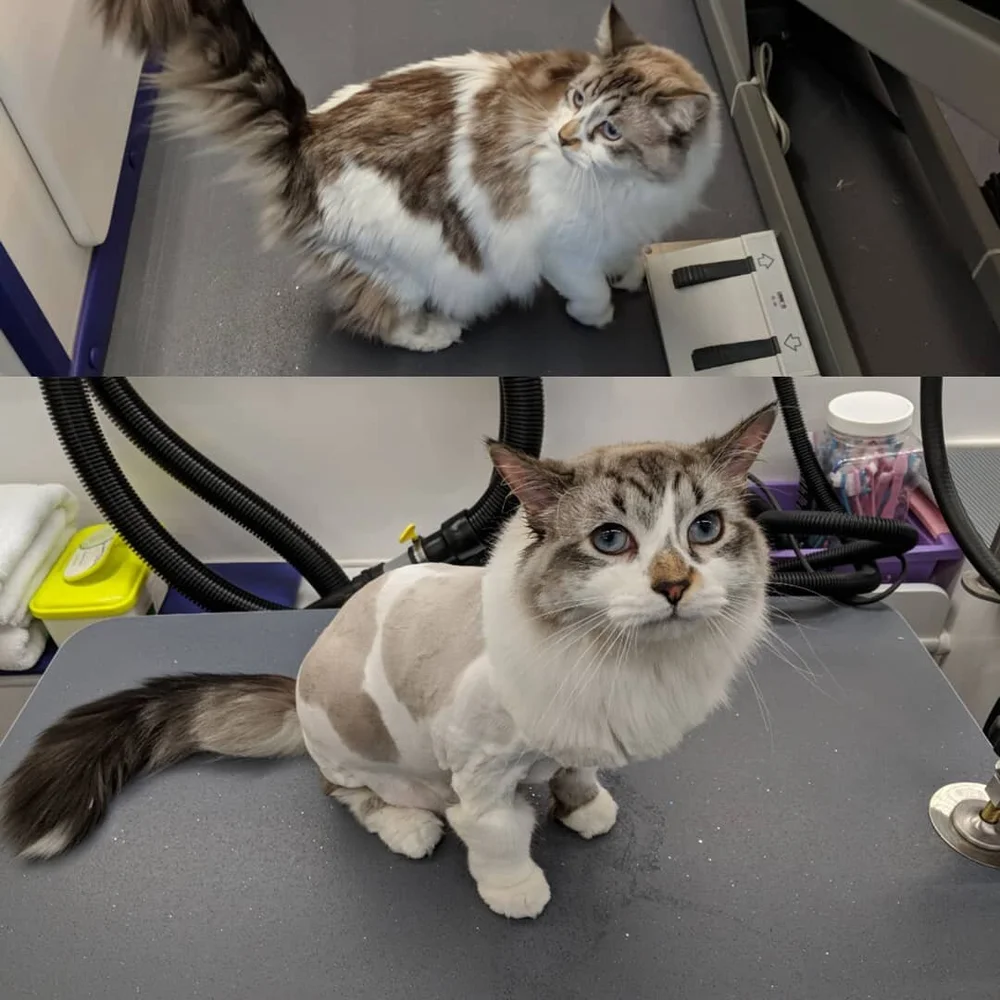
Credit: www.squeakycleangrooming.com
Tools For Longhaired Cat Grooming
Grooming a longhaired cat requires more than just patience—it demands the right set of tools. Choosing the appropriate equipment not only makes the process smoother but also keeps your cat comfortable and healthy. Let’s look at the essential tools that will help you maintain your cat’s beautiful coat with ease.
Choosing The Right Brush
Your brush choice can make or break your grooming routine. A slicker brush with fine wire bristles works wonders for removing loose fur and preventing tangles. It’s gentle enough for daily use but effective at reaching deep into the thick undercoat.
Alternatively, a pin brush with rounded tips can be perfect for sensitive skin, offering a gentler touch while keeping the fur smooth. Think about your cat’s temperament—does it prefer a softer brush or a more thorough one? Testing a couple of types might reveal what your feline friend enjoys most.
Combs And Dematting Tools
Longhaired cats are prone to mats, which can be painful if left untreated. A wide-tooth comb helps you spot and gently detangle small knots before they become a bigger problem. For stubborn mats, a dematting tool with rotating blades can carefully cut through tangles without hurting your cat.
Using these tools regularly can save you from stressful grooming sessions. Have you noticed mats forming after playtime or outdoor adventures? Staying ahead with the right comb can reduce discomfort and keep your cat’s coat looking pristine.
Additional Grooming Supplies
Beyond brushes and combs, several other supplies enhance grooming. Nail clippers designed for cats prevent overgrowth and scratching injuries. A grooming glove can be a great option for cats who dislike brushes but enjoy a gentle massage.
Don’t forget to keep some cat-friendly wipes or a mild shampoo handy for cleaning up messes or giving your cat a bath when needed. What grooming supplies have you found indispensable for your cat’s comfort and health?
Step-by-step Grooming Routine
Longhaired cats need grooming at least three to four times each week. Regular brushing helps prevent mats and keeps their coat healthy. Consistency makes grooming easier and more enjoyable for your cat.
Longhaired cats are undeniably beautiful, but maintaining their luxurious coats requires a consistent grooming routine. Without regular care, their fur can easily become tangled and matted, leading to discomfort or health issues. By establishing a step-by-step grooming routine, you can keep your feline friend healthy and happy while enjoying quality bonding time. Let’s dive into some essential grooming techniques tailored for longhaired cats.Brushing Techniques
Daily brushing is crucial for longhaired cats to prevent tangles and remove loose hair. Use a wide-toothed comb for detangling and follow up with a soft-bristle brush to smooth the coat. Pay special attention to areas prone to matting, such as behind the ears and under the belly. Make brushing a pleasant experience by rewarding your cat with treats and praise. Gradually increase the brushing time to ensure they stay comfortable and relaxed. Is your cat resisting? Try brushing during their calm moments, like after meals or playtime.Bathing Tips
Bathing a longhaired cat might seem daunting, but it’s not always necessary. Aim for a bath every 4-6 weeks, unless they get particularly dirty. Use a cat-specific shampoo to avoid skin irritation. Prepare a warm, quiet environment to minimize stress. Use a cup or gentle sprayer to wet their fur, avoiding the face. After shampooing, rinse thoroughly and dry with a towel or hairdryer on a low setting. Does your cat dislike water? Try using waterless shampoos or wipes for in-between baths.Nail And Ear Care
Regular nail trimming prevents overgrowth and reduces the risk of scratches. Trim your cat’s nails every 2-4 weeks using a cat nail clipper. Be cautious of the quick, the sensitive part inside the nail, to avoid discomfort. Ear care is equally important. Check your cat’s ears weekly for dirt or wax build-up. Use a damp cotton ball to gently clean the outer ear, never inserting anything deep into the ear canal. Are you unsure about ear cleaning? Consult your vet for guidance to ensure your cat’s ears stay healthy.Common Grooming Challenges
Grooming a longhaired cat can bring some challenges. Their thick fur tends to tangle and mat easily. Shedding can be heavy, leaving fur all around the house. Some cats do not like grooming and may resist brushing. Understanding these common issues helps keep your cat comfortable and healthy.
Handling Matting And Tangles
Long hair often forms mats and tangles. These can pull on your cat’s skin and cause pain. Use a wide-toothed comb to gently work through knots. Start from the edges and move inward slowly. For severe mats, trim carefully with scissors or seek a groomer’s help. Regular brushing prevents mats from forming.
Dealing With Shedding
Longhaired cats shed more, especially in spring and fall. Daily brushing removes loose fur before it falls off. Use a slicker brush or grooming glove for best results. This also reduces hairballs and keeps your home cleaner. Bathing your cat occasionally helps control shedding too.
Managing Sensitive Cats
Some cats dislike grooming and may become anxious. Keep sessions short and calm to avoid stress. Speak softly and offer treats to create a positive experience. Use soft brushes and gentle strokes. Patience and consistency help your cat accept grooming over time.
Health Benefits Of Regular Grooming
Regular grooming offers many health benefits for longhaired cats. It keeps their fur clean and free of tangles. Grooming also supports their overall wellness and comfort. A well-groomed coat means a happier and healthier cat. Let’s explore the key health advantages of grooming often.
Preventing Hairballs
Longhaired cats swallow loose fur when they clean themselves. This fur can form hairballs in their stomach. Frequent grooming removes loose hair before your cat swallows it. Reducing hairballs lowers the chance of vomiting and digestive problems. Brushing daily helps keep hairballs under control.
Skin And Coat Health
Brushing spreads natural oils across your cat’s coat. These oils keep the fur shiny and soft. Grooming also prevents mats and tangles that hurt the skin. Clean fur protects against dirt and parasites. Healthy skin means less itching and irritation for your cat.
Early Detection Of Health Issues
Regular grooming sessions give a chance to check your cat’s body. You can spot lumps, bumps, or wounds early. Changes in skin color or fur loss become visible sooner. Catching problems early helps your vet treat them faster. Grooming is a simple way to monitor your cat’s health daily.
When To Seek Professional Grooming
Knowing when to seek professional grooming for your longhaired cat can save you from a lot of stress and keep your feline friend comfortable and healthy. While regular brushing at home is essential, some situations call for expert care. Recognizing these moments can help prevent painful mats, skin problems, and unnecessary discomfort for your pet.
Signs You Need A Groomer
Watch for stubborn mats that you can’t brush out without hurting your cat. If your cat starts to avoid grooming or shows signs of discomfort when you try, it’s time to get professional help.
Other signs include excessive shedding, clogged hair around the rear end, or a strong odor from the coat. If your cat’s fur looks dull or feels greasy despite regular brushing, a groomer can give it a deep clean and trim.
Have you noticed your cat’s nails are overgrown or their ears are dirty? Many groomers offer additional services like nail trimming and ear cleaning, which can be tricky to do safely at home.
Choosing A Grooming Service
Look for groomers who specialize in cats, especially longhaired breeds. Not all groomers have the patience or skills needed for feline care, so read reviews and ask for recommendations.
Visit the grooming salon before booking an appointment. Check if the environment is calm and clean. Ask about how they handle stressed or aggressive cats to ensure your pet’s safety and comfort.
Consider a groomer who offers a consultation first. This lets you discuss your cat’s specific needs and any health concerns, which helps the groomer provide the best care possible.
Cost And Frequency Of Professional Care
Professional grooming costs vary widely depending on your location and the services your cat needs. Basic grooming sessions can range from $50 to $100 or more.
For most longhaired cats, professional grooming every 6 to 8 weeks keeps mats and tangles under control. However, if your cat has a thick or curly coat, more frequent visits might be necessary.
Think about your budget and your cat’s comfort. Is paying for regular grooming worth avoiding painful mats and skin infections? Many owners find it saves money on vet bills and reduces the stress of at-home grooming battles.

Credit: tryfurgo.com
Frequently Asked Questions
How Often Should You Groom A Longhaired Cat?
Longhaired cats should be groomed daily to prevent mats and tangles. Regular brushing keeps their coat healthy and reduces shedding. Daily grooming also helps monitor skin health and reduces hairballs.
What Tools Are Best For Grooming Longhaired Cats?
Use a slicker brush and a wide-toothed comb for grooming. These tools help remove loose hair and untangle knots gently. A grooming rake can also aid in reaching undercoat tangles.
Can Grooming Reduce Hairballs In Longhaired Cats?
Yes, regular grooming removes loose fur, reducing hair ingestion. This lowers the frequency and severity of hairballs. Grooming also promotes healthy skin and fur by distributing natural oils.
How Long Does Each Grooming Session Take?
Grooming sessions usually take 10 to 20 minutes daily. The exact time depends on the cat’s coat condition. Longer sessions may be needed if mats or tangles are present.
Conclusion
Grooming a longhaired cat regularly keeps its coat healthy and clean. Brushing several times a week helps prevent mats and tangles. It also reduces shedding and hairballs. Pay attention to your cat’s needs and adjust grooming as needed. A calm, gentle approach makes grooming easier for both of you.
This simple routine supports your cat’s comfort and happiness every day. Keep grooming consistent to enjoy a happy, healthy longhaired cat.



Leave a Reply