Are you wondering if you’re feeding your cat the right amount? Knowing how much food a healthy adult cat should eat can be tricky.
Too little, and your furry friend may lack energy. Too much, and you risk serious health problems like obesity. Your cat’s well-being depends on getting this balance just right. You’ll discover simple, clear guidelines to help you feed your cat properly every day.
Keep reading to learn how to keep your cat happy, healthy, and full of life.
Daily Calorie Needs
Understanding your cat’s daily calorie needs is essential to keep them healthy and energetic. Just like people, cats require the right amount of energy to maintain their weight, support bodily functions, and stay playful. Feeding too much or too little can lead to health problems, so knowing how many calories your cat needs each day helps you make better choices for their diet.
Factors Affecting Calorie Requirements
Several factors influence how many calories your cat needs daily. Age is a big one—kittens and young cats burn more energy growing and playing, while older cats tend to slow down. Activity level matters too; an indoor cat lounging most of the day needs fewer calories than a cat that spends hours running around outside.
Health status also plays a role. Cats with certain medical conditions, like hyperthyroidism or diabetes, may need adjustments in their calorie intake. Even breed can affect metabolism; some breeds naturally have higher energy demands. Have you noticed your cat’s appetite changing with their lifestyle or age?
Calculating Energy Needs
Calculating your cat’s daily calorie needs starts with determining their Resting Energy Requirement (RER). RER is the amount of energy a cat uses at rest and is calculated using their weight.
| Weight (kg) | RER Formula | Example Calculation |
|---|---|---|
| 4 kg | RER = 70 x (weight in kg)^0.75 | 70 x (4^0.75) ≈ 234 calories/day |
After finding the RER, multiply it by a factor that reflects your cat’s activity level and health status. For a typical adult cat, multiply by 1.2 to 1.4. A very active cat or one recovering from illness might need 1.6 or more.
- RER x 1.2 = weight maintenance for inactive cats
- RER x 1.4 = average active adult cats
- RER x 1.6+ = highly active or recovering cats
Have you tried tracking your cat’s food intake against their energy needs? It can be eye-opening and help avoid overfeeding or underfeeding. Adjust portions as needed based on your cat’s weight trends and energy levels.
Portion Sizes By Cat Weight
Portion sizes for cats vary according to their weight. Feeding the right amount supports good health and energy. Cats need balanced meals tailored to their size. Overfeeding or underfeeding can cause health problems. Understanding portion sizes helps maintain a healthy weight and lifestyle.
Feeding Guidelines For Small Cats
Small cats typically weigh between 5 and 8 pounds. They need fewer calories than larger cats. A daily portion of 150 to 200 calories is ideal. This equals about 2/3 to 3/4 cup of dry food or 4 to 5 ounces of wet food. Divide meals into two or three servings for better digestion.
Feeding Guidelines For Medium Cats
Medium cats usually weigh between 8 and 12 pounds. Their calorie needs range from 200 to 250 calories per day. This is about 3/4 to 1 cup of dry food or 5 to 6 ounces of wet food. Feeding in two meals helps control hunger and energy levels.
Feeding Guidelines For Large Cats
Large cats weigh more than 12 pounds. They need around 250 to 300 calories daily. This equals roughly 1 to 1 1/4 cups of dry food or 6 to 8 ounces of wet food. Split the daily amount into two or three meals for best results.
Wet Food Vs Dry Food
Choosing between wet food and dry food is a common dilemma for cat owners. Both types offer different benefits and challenges that affect how much your cat should eat. Understanding these differences can help you tailor your cat’s diet for optimal health.
Calorie Density Differences
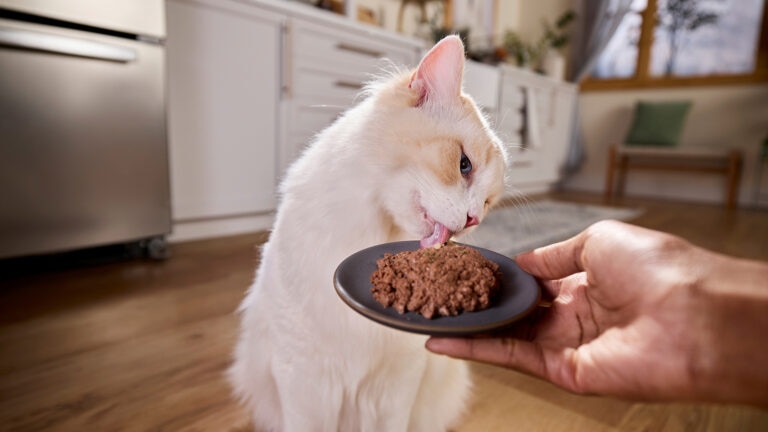
Wet food typically contains more moisture—up to 80% water—making it less calorie-dense than dry food. This means your cat will need to eat a larger volume of wet food to meet their daily calorie needs.
Dry food usually has less moisture, so it packs more calories into each bite. Because of this, you must be careful not to overfeed your cat when using dry food, as it’s easy to give too many calories in a small amount.
Have you noticed your cat eating more or less depending on the food type? This often reflects the calorie density and impacts how much you should serve.
Pros And Cons Of Each Type
- Wet Food
- Pros: High moisture content helps keep your cat hydrated, which is great for urinary tract health.
- Pros: Often more palatable, encouraging picky eaters to eat enough.
- Cons: Can spoil quickly once opened, requiring refrigeration and faster consumption.
- Cons: Usually more expensive per serving than dry food.
- Dry Food
- Pros: Convenient to store and measure, making portion control easier.
- Pros: Can help reduce tartar buildup due to its texture.
- Cons: Lower moisture content, so cats may drink less water, risking dehydration.
- Cons: Some cats find it less appealing, which might reduce their overall intake.
Balancing wet and dry food can often be the best approach, combining hydration benefits with convenience. Have you tried mixing both types to see how your cat responds? Observing their preferences and appetite can guide you to the right feeding amount and type.
Credit: www.chewy.com
Meal Frequency And Timing
Understanding how often and when to feed your healthy adult cat is crucial for their well-being. Meal frequency and timing are not just about filling a bowl; it’s about ensuring your feline friend maintains optimal health. A well-structured feeding schedule can make all the difference in your cat’s energy levels and overall happiness.
Benefits Of Multiple Small Meals
Feeding your cat multiple small meals throughout the day can mimic their natural hunting instincts. Cats in the wild eat several small meals, and replicating this pattern can help keep their metabolism active. It can also prevent overeating, which is a common issue with free-feeding.
Small meals can reduce the risk of obesity, a prevalent problem in domestic cats. It also aids in better digestion and absorption of nutrients. Have you noticed your cat becoming more playful and energetic after switching to smaller, frequent meals?
Scheduling Feeding Times
Establishing regular feeding times can create a sense of routine and security for your cat. Cats thrive on consistency and knowing when their next meal is coming can reduce anxiety. Try feeding them at the same times each day to help regulate their internal clock.
Consider your own schedule when planning feeding times. Morning and evening meals can align with your daily routine, making it easier to stick to. Have you ever wondered how a regular feeding schedule impacts your cat’s behavior and mood?
By setting specific times, you can also monitor your cat’s eating habits more effectively. This can be crucial in identifying any potential health issues early on. Are you observing any changes in their appetite or eating patterns that could signal a need for a vet visit?
Adjusting Food Amounts
Adjusting the amount of food your cat eats is key to maintaining their health. It’s not just about following a feeding guide on the package but about tuning into your cat’s unique needs. Paying attention to changes in their body and lifestyle can help you decide when to increase or reduce portions.
Monitoring Weight Changes
Keep an eye on your cat’s weight regularly. A sudden gain or loss can signal that their food intake needs tweaking. Use a simple scale at home or visit the vet for accurate measurements.
Notice how your cat’s body feels—can you easily feel their ribs without too much fat covering? If they start to look pudgy or lose muscle tone, adjust their food accordingly. Small changes in portion size, like cutting back a tablespoon or adding a bit more, can make a big difference over time.
Adapting To Activity Level And Age
Your cat’s energy needs shift with their age and activity level. A playful young cat often needs more calories than a calm older cat. If your cat has become more active, try adding a bit more food or offering more frequent small meals.
Older cats tend to slow down, so feeding them the same amount as when they were kittens might lead to weight gain. Watch how your cat behaves after eating and adjust the portions to keep them comfortable and energized. Have you noticed your cat’s habits changing lately? That’s your cue to rethink their feeding plan.
Credit: www.purina.com
Common Feeding Mistakes
Feeding your adult cat may seem straightforward, but many pet owners unknowingly make mistakes that affect their cat’s health. These common feeding errors can lead to weight issues, nutrient imbalances, and even behavioral problems. Paying attention to how much and what you feed is essential for keeping your cat happy and healthy.
Overfeeding Risks
Giving your cat too much food is a frequent mistake that can cause serious health problems. Overfeeding often leads to obesity, which increases the risk of diabetes, arthritis, and heart disease in cats.
Think about how often you offer extra food or leave bowls full all day. Cats don’t always regulate their eating well when food is unlimited. Instead, try measuring portions based on your cat’s weight and activity level.
Have you noticed your cat gaining weight without changes in exercise? It might be time to cut back and monitor their intake more carefully.
Ignoring Treat Calories
Treats are a great way to bond with your cat but they can add up quickly in calories. Many owners don’t count these extras as part of the daily food allowance, leading to unintentional overfeeding.
Even small treats can contain enough calories to disrupt your cat’s diet. For example, a few treats a day might add 50-100 extra calories, which is significant for a cat that needs around 200-300 calories daily.
Try limiting treats to 5-10% of your cat’s daily calorie intake and choose healthier options. Have you tracked how many treats you give your cat each day?
Signs Of Proper Nutrition
Proper nutrition is key to a healthy adult cat. It helps keep cats active, happy, and free from illness. Watching for signs of good nutrition lets you know if your cat’s diet is right. These signs include physical and behavioral clues that show your cat is well-fed and healthy.
Healthy Weight Indicators
A cat at a healthy weight has a visible waist behind the ribs. You should be able to feel, but not see, the ribs easily. Excess fat around the tummy or hips can mean overeating. A very thin cat with bones showing may not get enough food. Regular weight checks help track your cat’s nutrition over time.
Behavior And Energy Levels
Well-nourished cats are playful and alert. They show interest in toys and interact with people. Low energy or sleeping all day might signal poor nutrition. Sudden changes in behavior can also mean health or diet issues. Keep an eye on how your cat moves and acts daily.
Credit: companion-vets.com
Frequently Asked Questions
How Much Food Should A Healthy Adult Cat Eat Daily?
A healthy adult cat typically needs 20 to 30 calories per pound daily. This varies by activity and metabolism. Consult your vet for precise portions.
Does Cat Weight Affect Food Quantity Needed?
Yes, heavier cats require more calories, while lighter cats need less. Adjust food amount according to your cat’s weight and health.
How Often Should I Feed My Adult Cat?
Most adult cats do well with two meals daily. Split the daily food amount into morning and evening servings for best digestion.
Can Feeding Too Much Food Harm My Cat?
Overfeeding can cause obesity, diabetes, and joint issues in cats. Stick to recommended portions and monitor your cat’s weight regularly.
Conclusion
Feeding a healthy adult cat the right amount keeps them happy and strong. Watch their weight and energy to adjust food as needed. Quality food and fresh water matter a lot. Small, regular meals help digestion and prevent overeating. Each cat is unique, so pay attention to their needs.
Balanced feeding supports a long, healthy life for your cat. Simple steps can make a big difference in their health. Stay consistent and enjoy a happy, active pet every day.




Leave a Reply