
Have you ever wondered how often your cat really needs to be groomed? Keeping your furry friend clean and comfortable is more important than you might think.
Regular grooming not only helps your cat look great but also keeps their skin healthy and reduces shedding around your home. You’ll discover the best grooming schedule tailored to your cat’s unique needs. By the end, you’ll feel confident about how to keep your cat happy and well-groomed all year round.
Ready to learn the secrets to stress-free grooming? Let’s dive in!
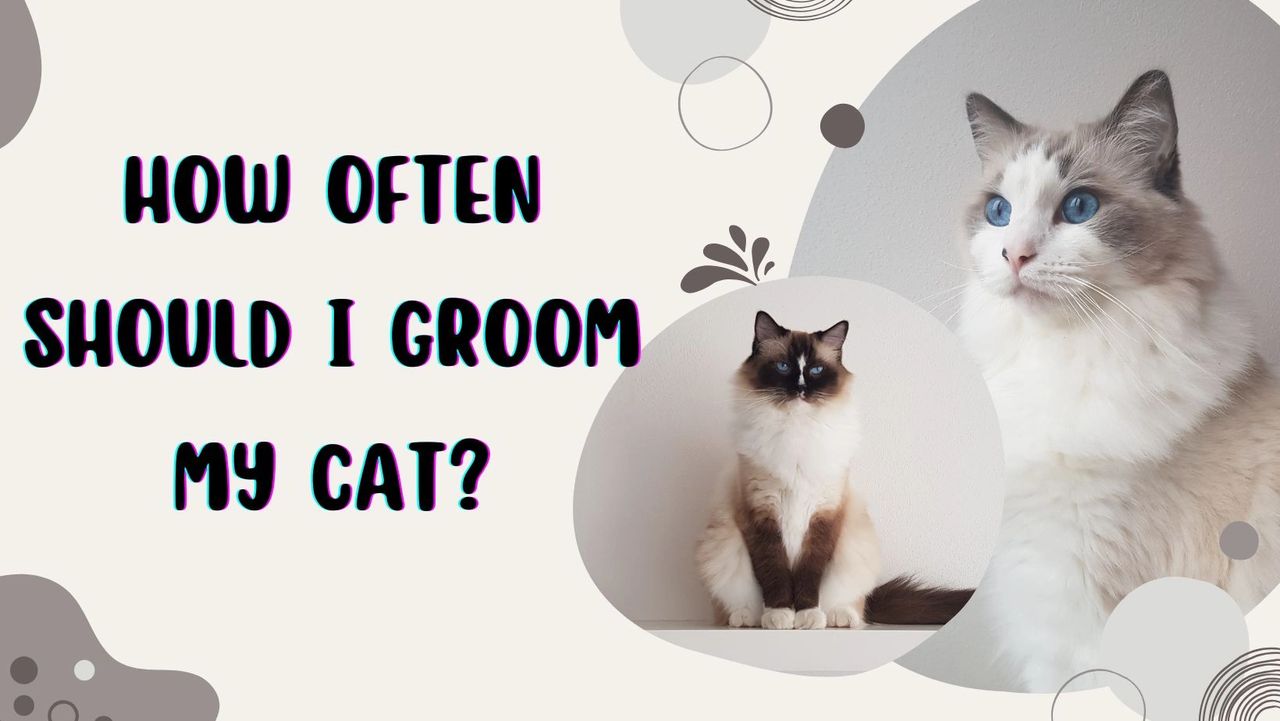
Credit: temeculapetsalonandspa.com
Benefits Of Regular Grooming
Regular grooming keeps your cat healthy and happy. It helps avoid many health problems and keeps their coat shiny. Grooming also improves behavior and strengthens your bond with your cat. This section explains the main benefits of grooming your cat often.
Health Advantages
Grooming removes loose fur and dirt from your cat’s coat. It prevents hairballs by reducing shedding. Brushing stimulates blood flow, which helps skin stay healthy. Regular checks during grooming catch lumps or skin problems early. Clean ears and trimmed nails reduce infections and injuries.
Behavioral Improvements
Grooming calms your cat and lowers stress. It helps reduce anxiety and restless behavior. Cats that get groomed often are less likely to scratch furniture. Grooming also helps them feel secure and relaxed. Routine grooming creates a calm daily habit your cat expects.
Bonding With Your Cat
Grooming time builds trust between you and your cat. It is a quiet moment for connection and care. Gentle brushing shows your cat you love them. This shared time helps your cat feel safe and loved. Grooming strengthens your relationship and makes your cat happier.
Factors Influencing Grooming Frequency
Knowing how often to groom your cat depends on several factors that affect their coat and skin health. Not all cats need the same grooming schedule, and understanding these influences helps you keep your feline friend comfortable and clean. Let’s look at what determines how often you should pick up that brush.
Breed And Coat Type
Long-haired breeds like Maine Coons or Persians require more frequent grooming to prevent mats and tangles. Their thick fur traps dirt and loose hair easily, so daily brushing might be necessary.
Short-haired cats, such as Siamese or American Shorthairs, usually need less frequent grooming, around once a week, to remove loose hairs and reduce shedding. Hairless breeds still benefit from gentle skin care and occasional baths to remove oils.
Age And Health Conditions
Older cats often groom themselves less efficiently. You may need to step in more frequently to keep their coats clean and check for skin issues.
Health problems like arthritis, obesity, or dental issues can also reduce your cat’s grooming ability. Regular brushing can help you spot problems early and keep your cat comfortable.
Indoor Vs Outdoor Lifestyle
Indoor cats generally stay cleaner and require less grooming. However, they can still develop hairballs or shed excessively, so regular brushing remains important.
Outdoor cats face dirt, debris, and parasites more often. They benefit from more frequent grooming sessions to keep their coats healthy and spot ticks or fleas quickly.
How often do you check your cat’s coat for signs of discomfort or dirt? Observing these factors closely helps you tailor a grooming routine that fits your cat’s unique needs.
Recommended Grooming Schedule
Cats with short fur usually need grooming once a week. Long-haired cats benefit from brushing several times a week to prevent mats. Regular grooming keeps their coat healthy and reduces shedding.
Creating a recommended grooming schedule for your cat can be crucial to their overall health and happiness. The frequency of grooming sessions depends on your cat’s hair length, age, and specific needs. Whether your feline friend has short fur or is a majestic long-haired breed, understanding their grooming requirements helps keep their coat shiny and their skin healthy. Let’s dive into the specifics for different types of cats.Short-haired Cats
Short-haired cats usually require less frequent grooming. A weekly brushing session can suffice to remove loose hair and reduce shedding. Regular grooming helps prevent hairballs and keeps your cat’s coat looking sleek. Many short-haired cat owners find that a simple grooming mitt or rubber brush works wonders. Does your cat enjoy a good brushing, or do they dart away at the sight of a brush? Finding the right tool can make all the difference in their grooming routine.Long-haired Cats
Long-haired cats need more attention to prevent tangles and matting. Aim for at least two to three grooming sessions per week. Tools like a slicker brush or a wide-toothed comb can help manage your cat’s luscious locks. Remember, patience is key—make grooming a relaxing experience for both you and your cat. Do you struggle with keeping your long-haired cat’s fur tangle-free? Consider setting a routine time to groom them when they’re calm or sleepy.Senior Cats
Senior cats often require more frequent grooming due to their reduced ability to groom themselves. Aim for two to three times a week to assist them. Grooming helps stimulate their skin and can improve circulation, which is beneficial as they age. Be gentle, as older cats might have more sensitive skin or joints. Have you noticed changes in your senior cat’s grooming habits? Being attentive to these changes can ensure they receive the care they need. Understanding your cat’s grooming needs helps maintain their health and strengthens your bond. Make grooming a positive and rewarding experience for your feline companion.
Credit: www.latimes.com
Essential Grooming Tools
Having the right grooming tools makes a huge difference in how often and how well you can care for your cat’s coat and overall hygiene. Good tools not only make the process smoother but also more enjoyable for both you and your feline friend. Let’s take a closer look at the essential items you should keep on hand for effective grooming.
Brushes And Combs
Choosing the right brush or comb depends on your cat’s fur type. Short-haired cats often do well with a rubber brush or a bristle brush, which helps remove loose hair and dirt. Long-haired cats benefit from wide-toothed combs or slicker brushes to prevent mats and tangles.
Regular brushing reduces shedding and hairballs. Have you noticed how your cat relaxes when you brush gently? This is not just grooming; it’s bonding time. Keep multiple brushes handy to address different grooming needs.
Nail Clippers
Trimming your cat’s nails is vital to prevent scratching injuries and damage to your furniture. Use small, sharp nail clippers designed specifically for cats. These offer more control and make the trimming less stressful.
Watch for signs that your cat needs a nail trim, such as clicking sounds on hard floors or snagging on fabrics. If you’ve ever cut nails too short, you know how sensitive cats can be. Take it slow and reward your cat with treats to create a positive experience.
Ear And Eye Care Items
Keeping your cat’s ears and eyes clean is often overlooked but equally important. Use vet-approved ear wipes or a damp cotton ball to gently clean around the ears if you notice dirt or wax buildup. Avoid inserting anything deep into the ear canal to prevent injury.
For eye care, use a soft, damp cloth to wipe away any discharge or debris from the corners of your cat’s eyes. Noticing redness or excessive tearing? These could be signs of infection, so consulting your vet is best. Regular cleaning helps keep your cat comfortable and healthy.
Step-by-step Grooming Process
Grooming your cat regularly helps keep their coat shiny, skin healthy, and nails in good shape. It also creates bonding moments between you and your feline friend. Understanding the step-by-step grooming process makes it easier and more enjoyable for both of you.
Brushing Techniques
Start by choosing the right brush based on your cat’s fur type—slicker brushes work well for long hair, while rubber brushes suit short hair. Gently stroke in the direction of hair growth to avoid discomfort.
Focus on areas prone to mats, like behind the ears and under the legs. If your cat resists, try brushing during calm moments, like after a nap, to keep it stress-free.
Have you noticed your cat shedding more during certain seasons? Regular brushing can reduce loose fur around your home and prevent hairballs.
Bathing Tips
Most cats don’t need frequent baths, but occasional washing helps when they get dirty or have skin issues. Use lukewarm water and a mild cat shampoo to avoid skin irritation.
Before starting, brush your cat to remove loose fur. Gently wet their coat, avoiding the face, then lather and rinse thoroughly.
Keep bath time short and speak softly to calm your cat. Dry them with a towel and offer treats to make the experience positive.
Nail Trimming Guide
Trim your cat’s nails every couple of weeks to prevent overgrowth and damage to furniture. Use a cat-specific nail clipper for precision and safety.
Hold your cat comfortably, press gently on each paw to expose the nail, and cut just the sharp tip. Avoid the pink part called the quick—it’s sensitive and bleeds easily.
If your cat is squirmy, try trimming after playtime when they’re more relaxed. Have styptic powder handy just in case you accidentally cut too close.

Credit: www.latimes.com
Signs Your Cat Needs Extra Grooming
Knowing when your cat needs extra grooming can save them from discomfort and health issues. Cats are usually good at keeping themselves clean, but sometimes they need a little help from you. Pay attention to their coat and skin for signs that more frequent grooming is necessary.
Mattes And Tangles
Mattes and tangles are a clear sign your cat needs extra grooming. These clumps of fur can pull on your cat’s skin and cause pain or irritation. If you notice knots forming, it’s time to gently brush them out before they get worse.
Long-haired cats are especially prone to this problem, but short-haired cats can get tangles too. Regular brushing helps prevent mats, but once they appear, your cat will need more attention. Have you checked your cat’s fur for hidden tangles behind the ears or under the legs?
Skin Issues
Look closely at your cat’s skin for redness, bumps, or flaky patches. These can mean your cat’s grooming isn’t enough to keep their skin healthy. Sometimes, skin problems signal allergies or infections that need a vet’s attention.
Extra grooming can help soothe irritated skin and distribute natural oils. Use a soft brush or grooming mitt to avoid causing more irritation. If your cat starts scratching or licking a spot obsessively, it might be time to groom more often and check with your vet.
Excessive Shedding
Shedding is normal, but when your cat leaves fur everywhere, it could be a sign they need extra grooming. Brushing your cat more often helps remove loose hair before it falls around your home.
During shedding season, daily grooming can reduce hairballs and keep your cat’s coat shiny. Have you noticed more fur on your clothes or furniture lately? Increasing grooming frequency during these times can make a big difference for both you and your cat.
Handling Grooming Challenges
Grooming your cat can sometimes feel like a challenge, especially if your furry friend isn’t a fan of brushes or baths. Handling these moments with patience and the right techniques can make a big difference in how often you can groom them comfortably. Understanding your cat’s behavior and knowing when to ask for help ensures grooming stays a positive experience for both of you.
Dealing With Fear And Anxiety
Many cats associate grooming with discomfort or restraint, which triggers fear or anxiety. You can reduce this by creating a calm environment—soft voices, gentle strokes, and familiar surroundings help your cat feel safe.
Try to introduce grooming tools slowly, letting your cat sniff and explore them before starting. Rewarding calm behavior with treats or affection encourages a positive connection with grooming time. Have you noticed how a little patience can sometimes turn a scaredy cat into a willing participant?
Grooming Resistant Cats
Some cats simply resist grooming no matter what you try. If your cat wiggles, scratches, or hides during grooming, breaking the session into short, manageable parts can help.
- Use a soft brush to minimize discomfort.
- Focus on favorite spots first, like behind the ears or under the chin.
- Keep grooming sessions brief—just a few minutes at a time.
Remember, forcing the process often backfires and increases resistance. Instead, aim to build trust gradually. Have you considered using grooming gloves or wipes as an alternative for stubborn cats?
When To Seek Professional Help
If grooming your cat becomes too stressful or unsafe, professional groomers are trained to handle difficult situations. They have specialized tools and techniques to manage mats, shedding, and hygiene without hurting your cat.
Veterinarians or groomers can also spot skin issues or parasites you might miss. Don’t hesitate to reach out if your cat’s coat looks unhealthy or if grooming is causing emotional distress. Could professional care be the key to keeping your cat comfortable and well-groomed?
Frequently Asked Questions
How Often Should Short-haired Cats Be Groomed?
Short-haired cats should be groomed once every two weeks. Regular brushing removes loose fur and reduces shedding. It also helps prevent hairballs and keeps their coat shiny and healthy.
How Frequently Do Long-haired Cats Need Grooming?
Long-haired cats require grooming at least three to four times a week. Frequent brushing prevents mats and tangles. It also helps distribute natural oils, keeping their coat soft and clean.
Can Grooming Reduce Cat Hair Shedding?
Yes, regular grooming significantly reduces shedding. Brushing removes loose fur before it falls off naturally. This helps keep your home cleaner and your cat more comfortable.
When Should Kittens Start Grooming Routines?
Kittens can start grooming routines at 6 to 8 weeks old. Early grooming helps them get used to the process. It also promotes healthy coat development and bonding with their owner.
Conclusion
Regular grooming keeps cats healthy and happy. Short-haired cats need brushing once a week. Long-haired cats require grooming several times weekly. Watch your cat’s coat for signs of mats or dirt. Grooming helps reduce shedding and hairballs. It also strengthens your bond with your pet.
Set a routine that fits your cat’s needs. Stay gentle and patient during grooming sessions. Clean, brushed fur means a comfortable cat. A little care goes a long way for your feline friend.



Leave a Reply