Have you ever noticed your cat suddenly stops cleaning itself? If your furry friend isn’t grooming like usual, it might be a sign something’s wrong.
Cats are usually very tidy, so when they stop grooming, it can signal illness or discomfort. Understanding why this happens can help you spot health problems early and keep your cat happy and healthy. Keep reading to learn what it means when your cat stops grooming and what you should do next.
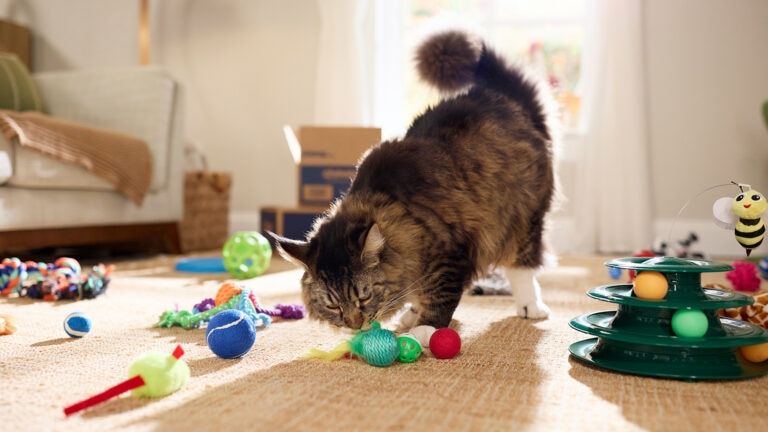
Credit: pethelpful.com
Cats’ Grooming Habits
Cats spend a large part of their day grooming themselves. This behavior is natural and essential for their health. Grooming helps cats stay clean and comfortable. Understanding their grooming habits reveals much about their well-being.
Normal Grooming Behavior
Cats groom by licking their fur with their rough tongues. They clean their face, ears, and body regularly. A healthy cat grooms several times a day. Grooming also helps cats cool down and relax. It removes dirt, loose fur, and parasites. Cats often use their paws to clean hard-to-reach areas. This routine keeps their coat smooth and shiny.
Why Grooming Is Important
Grooming plays many important roles for cats. It helps control body temperature by spreading natural oils. These oils keep the fur waterproof and soft. Grooming also prevents skin infections by removing dirt and bacteria. It reduces shedding and hairballs by clearing loose fur. Grooming calms cats and lowers their stress levels. It also strengthens bonds when cats groom each other. Overall, grooming supports both physical and emotional health.
Changes When Cats Are Ill
Noticing changes in your cat’s grooming habits can be a key sign that something is wrong. Cats are usually meticulous groomers, so any shift in their routine often signals illness. Understanding these changes helps you catch health issues early and provide timely care.
Reduced Grooming Frequency
When cats feel unwell, they often reduce how often they groom themselves. This drop can happen because they lack energy or feel pain that makes grooming uncomfortable. You might see your cat resting more and ignoring their usual cleaning habits.
Think about your own behavior when sick—you probably skip your usual self-care routines. Your cat is similar; illness shifts their priorities away from grooming. Have you noticed your cat’s coat looking less tidy or their grooming sessions becoming shorter?
Signs Of Neglected Fur
Neglected fur is a clear sign your cat’s health may be compromised. Look for mats, clumps, or greasy patches that weren’t there before. These changes happen because the cat isn’t maintaining their coat regularly.
Other signs include an increase in dandruff, an unpleasant odor, or excessive shedding. You might even spot areas of hair loss or skin irritation. These symptoms suggest your cat needs a vet’s attention and possibly assistance with grooming.
Pay close attention to these changes. Could your cat’s neglected fur be a silent call for help? Acting quickly makes a big difference in their recovery.
Common Illnesses Affecting Grooming
Cats often stop grooming when they feel sick or weak. Illnesses like infections or pain can make grooming difficult or less important to them. This change helps pet owners notice when a cat might need medical care.
Cats are known for their meticulous grooming habits, spending a significant part of their day cleaning themselves. However, when a cat suddenly stops grooming, it might be an indication of underlying health issues. Understanding the common illnesses that can affect your feline friend’s grooming behavior is essential for early intervention and care.Infections And Skin Conditions
Bacterial or fungal infections can cause discomfort and irritation, leading to a decrease in grooming activity. Cats might avoid grooming the affected area due to pain or itchiness. Have you noticed any red patches or excessive scratching on your cat’s skin? Skin conditions like dermatitis or allergies can also lead to a halt in grooming. These conditions make the skin sensitive, and your cat may avoid touching it to reduce pain or discomfort. Regular check-ups can help identify such issues early on.Dental Problems
Oral health is crucial for your cat’s overall well-being. When cats have dental problems, such as tooth decay or gum disease, they might stop grooming to avoid the pain caused by mouth movements. Have you checked your cat’s mouth lately? Bad breath or difficulty eating can be signs of dental problems. Regular dental check-ups can prevent these issues from affecting your cat’s grooming habits. Ensuring your cat has proper dental care can maintain their grooming routine.Pain And Mobility Issues
Cats experiencing pain from arthritis or injuries might find grooming physically challenging. A cat that struggles to move its limbs may avoid grooming certain areas altogether. Is your cat moving around less than usual? Observing your cat’s movement can provide insights into their health. Providing comfortable resting areas and consulting with a vet for pain management can help your cat regain their grooming habits. By staying vigilant and understanding these common illnesses, you can ensure your cat maintains their grooming routine and overall health. Regular visits to the vet and attentive observation are key to catching these issues early. Is your cat’s grooming behavior telling you something important?Other Signs Of Sickness In Cats
Noticing that your cat has stopped grooming is an important clue, but it’s not the only sign that your feline friend might be feeling unwell. Cats are experts at hiding their pain, so you need to watch for other subtle changes that could indicate sickness. Paying attention to these signs can help you catch health issues early and get your cat the care it needs.
Behavioral Changes
Have you seen your cat suddenly act differently? Maybe your usually social kitty is avoiding you or becoming unusually aggressive. These shifts in behavior can be a red flag that something is wrong.
Some cats become more vocal or restless, while others may seem disoriented or confused. If you notice any drastic change in how your cat behaves, it’s time to take note and consider a vet visit.
Appetite And Weight Loss
Does your cat seem less interested in food? A drop in appetite is one of the most common signs of illness. It can happen gradually or suddenly, and it often leads to noticeable weight loss.
If your cat is skipping meals or leaving food untouched, don’t ignore it. Keep track of their eating habits and weight, and consult your vet if you see a persistent decline.
Lethargy And Hiding
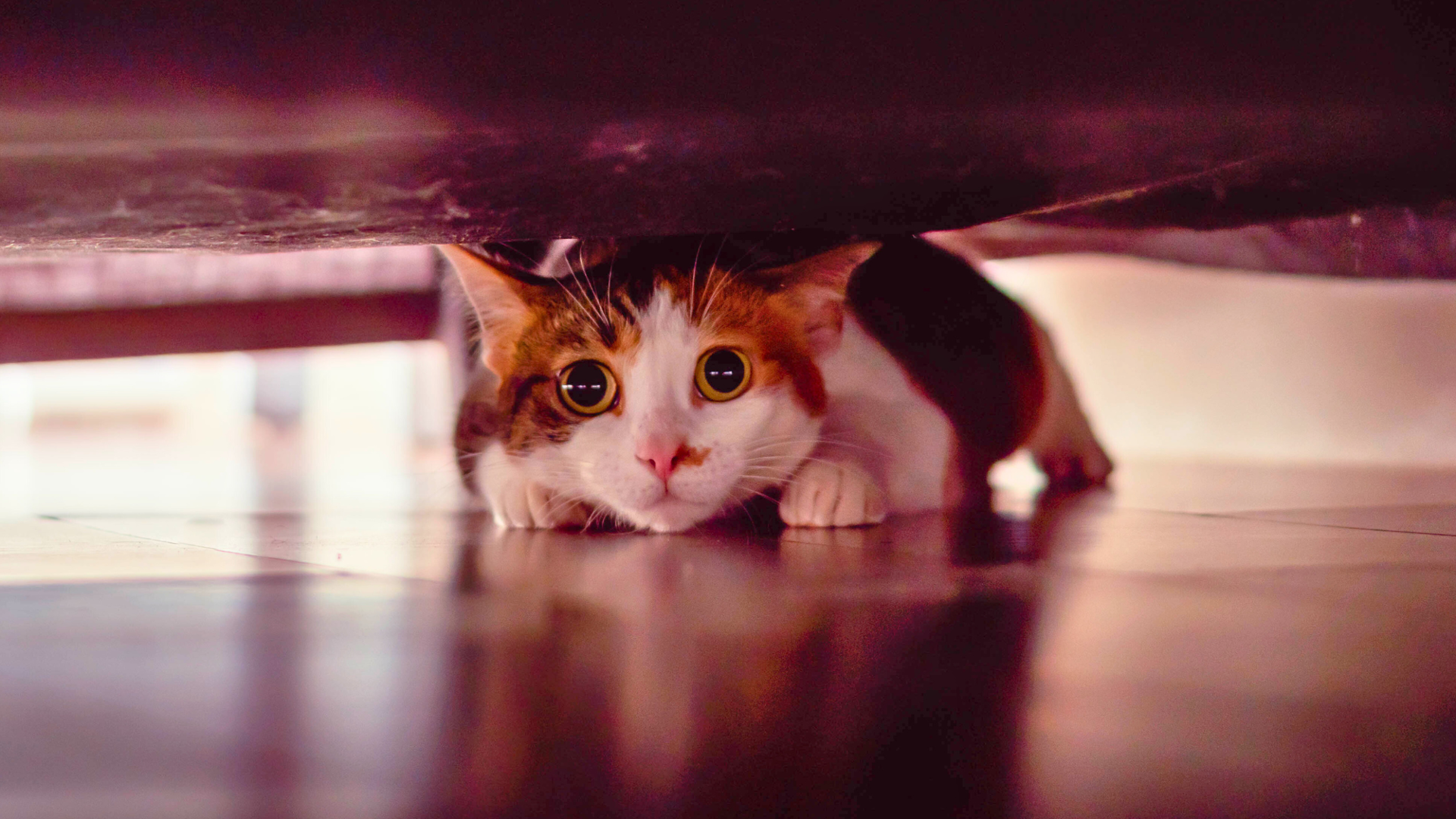
Have you noticed your cat sleeping more than usual or hiding in strange places? Cats often retreat when they don’t feel well, seeking quiet spots to rest and avoid stress.
While cats do enjoy naps, excessive lethargy and hiding are signs of distress. If your cat’s energy level drops suddenly, or they isolate themselves, it’s worth investigating further.
When To See A Veterinarian
Knowing when to take your cat to the veterinarian can make a huge difference in their recovery and overall health. Cats are masters at hiding pain and illness, which makes spotting signs of distress tricky. If you notice changes in grooming habits, it’s a signal you shouldn’t ignore—your cat might need professional care sooner than you think.
Immediate Warning Signs
Some symptoms demand urgent veterinary attention because they indicate serious health issues. Watch closely for these red flags:
- Complete refusal to groomcombined with lethargy or hiding
- Sudden weight lossor noticeable thinning of the coat
- Labored breathingor persistent coughing
- Vomiting or diarrheathat lasts more than 24 hours
- Swollen or painful areason the body, especially near the face or abdomen
- Sudden aggression or extreme withdrawalfrom family members
If your cat shows any of these signs, don’t wait. Call your vet immediately and describe what you’ve observed.
Preparing For The Vet Visit
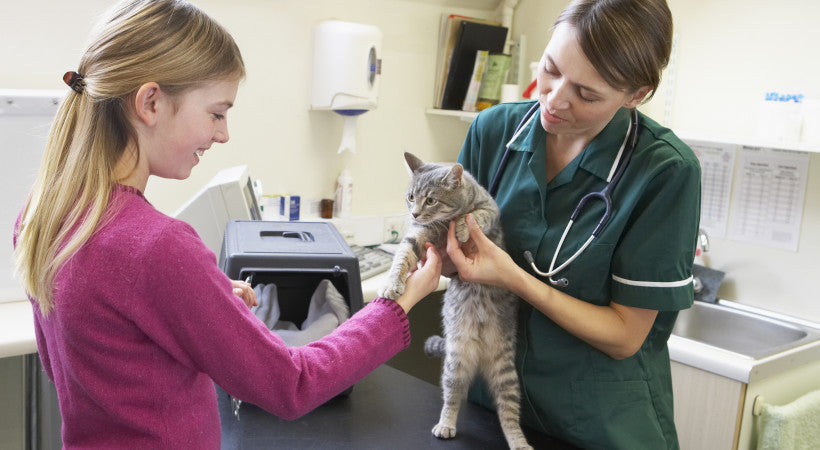
Getting ready for the vet can reduce stress—for both you and your cat. Start by gathering important details about your cat’s behavior and grooming changes. Note the last time they groomed themselves and any other symptoms you’ve seen.
Bring along a list of questions and concerns to make sure nothing is missed during the appointment. Also, consider taking a photo of your cat’s coat or skin if you’ve noticed specific changes. This visual can help the vet understand the problem better.
Use a comfortable carrier lined with a familiar blanket or toy to keep your cat calm. Planning the trip during quieter hours at the clinic might also help reduce stress for your furry friend. Are you ready to act quickly when your cat stops grooming? Being prepared can save precious time and improve outcomes.
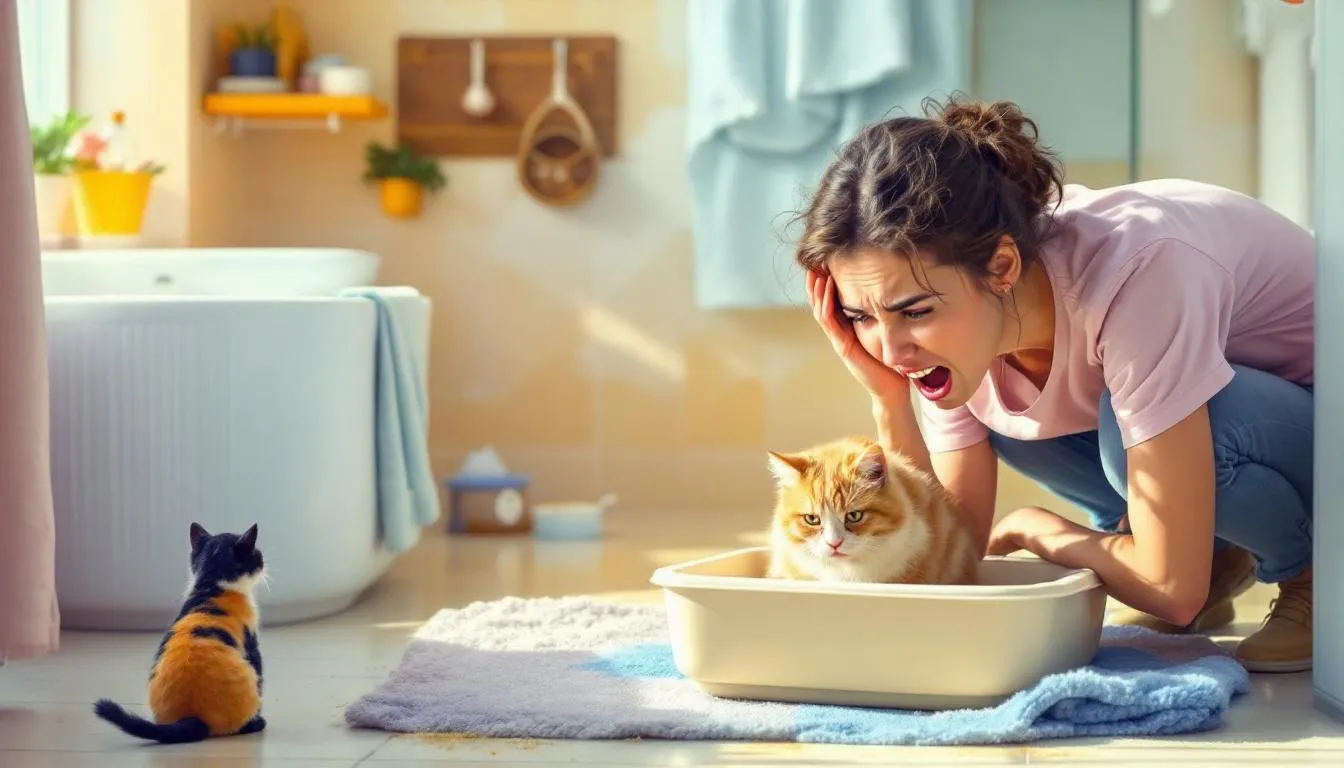
Credit: walkinpets.com
Helping Your Cat During Illness
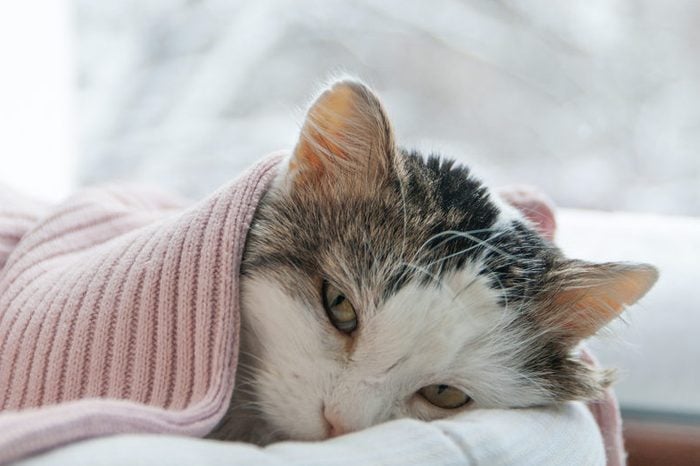
Caring for a sick cat needs extra attention and patience. Cats often stop grooming when ill, so their hygiene can suffer. This can cause discomfort and even worsen their condition. Helping your cat stay clean and comfortable is important during recovery. Small steps from you can make a big difference in your cat’s healing process.
Maintaining Hygiene
Wipe your cat gently with a damp cloth to clean dirty fur. Focus on areas your cat cannot reach. Use warm water and soft fabric to avoid irritation. Keep your cat’s bedding clean and dry. Change it often to prevent infections. Trim nails carefully to avoid scratches during grooming. Watch for signs of skin problems like redness or sores. Consult a vet if you notice any issues.
Supporting Recovery
Provide a quiet and warm space for your cat to rest. Keep food and water close to avoid extra movement. Offer easily digestible food to help with appetite. Monitor your cat’s behavior and symptoms daily. Encourage gentle petting to comfort your cat without stress. Follow the vet’s instructions for medication and care strictly. Regular check-ups ensure your cat is healing well.
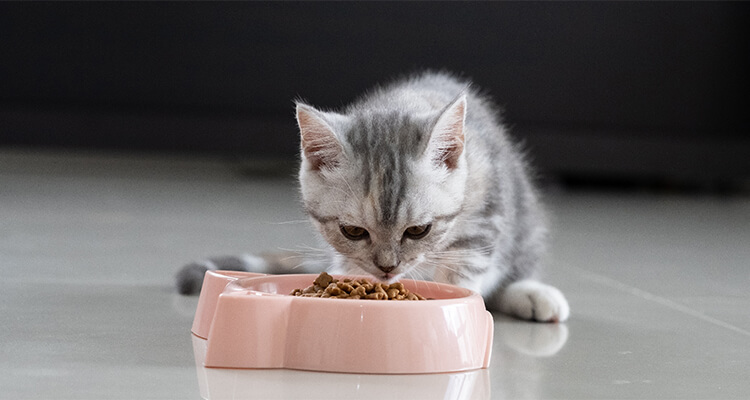
Credit: www.rd.com
Frequently Asked Questions
Do Cats Stop Grooming When They Are Sick?
Yes, sick cats often reduce or stop grooming. Illness can cause fatigue, pain, or discomfort, leading to less self-care. This change in grooming habits is a common sign that a cat may need veterinary attention.
Why Does A Sick Cat Stop Grooming Itself?
A sick cat may stop grooming due to low energy or feeling unwell. Pain, fever, or stress can also affect their grooming routine. This behavior helps owners recognize health issues early and seek treatment.
How Can Lack Of Grooming Indicate Cat Illness?
Lack of grooming causes a dull, matted coat and bad odor. It signals underlying health problems like infections or chronic diseases. Observing grooming changes helps detect illness early and improve cat care.
When Should I Worry If My Cat Stops Grooming?
If grooming stops for more than 24-48 hours, consult a vet. Persistent neglect of grooming can indicate serious illness or distress. Early veterinary intervention ensures better treatment outcomes for your cat.
Conclusion
Cats often stop grooming when they feel sick or weak. This change helps owners notice health problems early. Watch for dirty or matted fur as a sign. Take your cat to the vet if grooming stops suddenly. Regular grooming shows a happy and healthy cat.
Paying attention to these habits keeps your pet safe and comfortable. Small changes can mean a lot for your cat’s health. Stay alert and care for your furry friend daily.

Leave a Reply