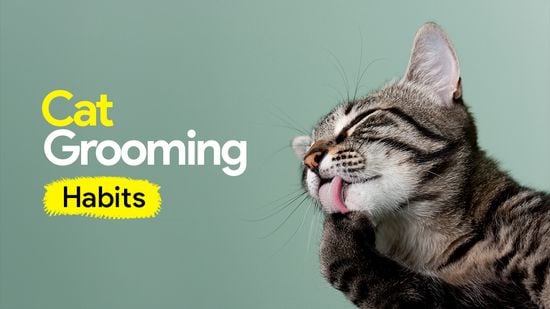
Have you ever watched your cat spend what seems like endless time licking its fur and wondered, “How much of their day do they actually spend grooming?” If you’re curious about your furry friend’s habits and what those grooming sessions mean, you’re in the right place.
Understanding how much time cats dedicate to grooming can reveal a lot about their health, mood, and behavior. Keep reading, and you’ll discover surprising facts that will change the way you see your cat’s daily routine.
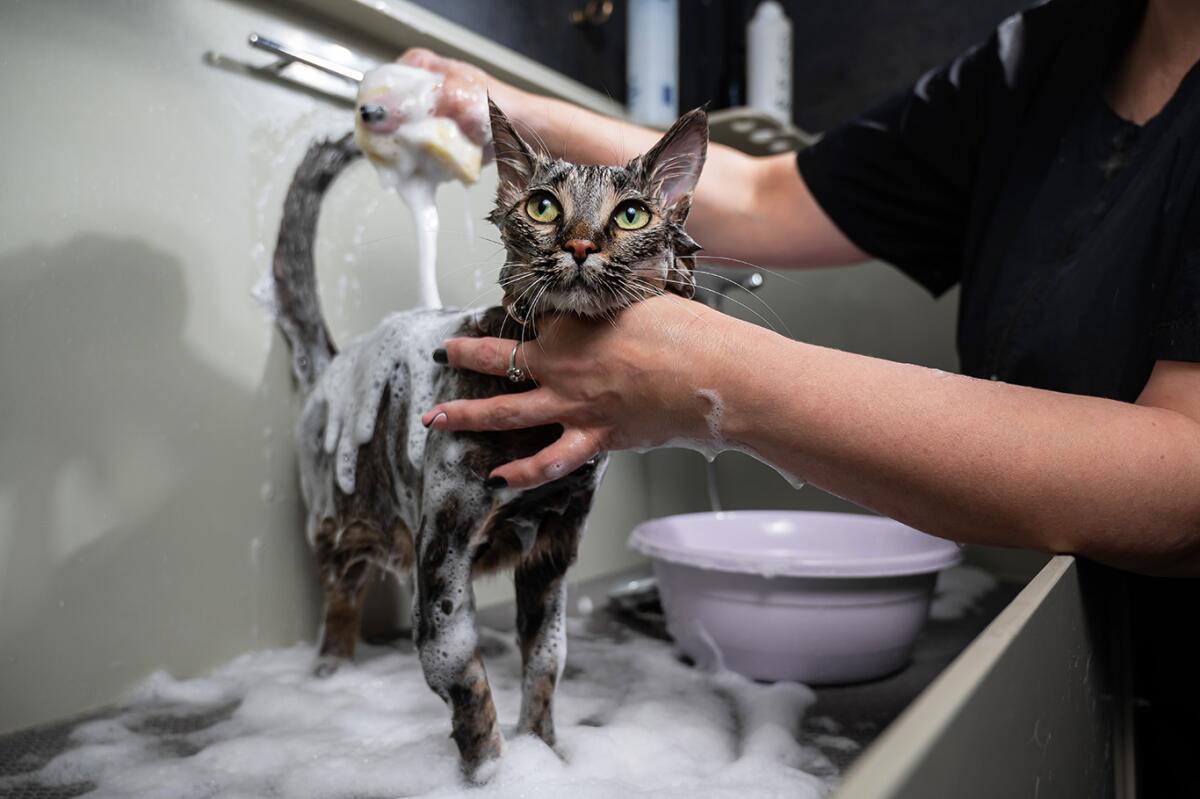
Credit: www.latimes.com
Cat Grooming Habits
Cats spend a significant part of their day grooming themselves, and understanding their grooming habits can tell you a lot about their health and mood. Grooming is more than just cleanliness for cats—it’s a way to regulate their body temperature, reduce stress, and even bond with other cats. Observing how much time your cat dedicates to grooming can help you notice any changes that might indicate health issues early on.
Daily Grooming Duration
On average, cats spend about 30% to 50% of their waking hours grooming. This means a typical cat might spend anywhere from one to three hours a day licking, cleaning, and scratching themselves.
Some cats are more meticulous groomers than others. For example, my own cat used to groom herself for nearly two hours daily, especially after a play session. This habit helps her stay calm and keeps her fur in great condition.
If you notice your cat suddenly grooming much less or more, it could signal discomfort or stress. How often do you see your cat grooming compared to these averages?
Factors Influencing Grooming Time
- Age:Younger cats and kittens often groom less than adults. Older cats might groom less if they have arthritis or other mobility issues.
- Breed and Coat Type:Long-haired cats naturally spend more time grooming to keep their fur tangle-free, while short-haired cats require less grooming time.
- Health Status:Illness, skin conditions, or pain can either increase grooming (due to itching) or decrease it if the cat feels too weak.
- Environment and Stress:Changes in the household, such as new pets or moving, can affect grooming habits. Some cats groom more as a stress response, while others might neglect grooming.
Think about your cat’s daily routine and environment—do any of these factors seem to influence their grooming habits? Monitoring these details can help you better understand and care for your furry friend.
Reasons Cats Groom
Cats spend a large part of their day grooming. This habit is not just about looking good. Grooming serves many important purposes for cats. It keeps them healthy and comfortable. Understanding why cats groom helps us care for them better.
Hygiene And Cleanliness
Cats groom to keep their fur clean and free of dirt. They remove loose hair and parasites. This helps prevent infections and skin problems. Grooming also spreads natural oils across their coat. These oils keep their fur soft and shiny.
Temperature Regulation
Grooming helps cats control their body temperature. When cats lick their fur, it cools them down. The saliva evaporates, creating a cooling effect. This is especially useful in hot weather or after exercise.
Stress Relief
Grooming calms cats when they feel stressed or anxious. It works like a soothing activity. Cats may groom more when they feel nervous. This behavior helps them relax and feel safe.
Variations Among Cat Breeds
Cats are not all the same when it comes to grooming habits. The amount of time they spend cleaning themselves varies widely among different breeds. Understanding these differences can help you better care for your cat’s coat and overall health.
Long-haired Vs Short-haired Cats
Long-haired cats, like Persians or Maine Coons, spend more time grooming than their short-haired counterparts. Their thick fur requires extra attention to prevent mats and tangles, which means they can spend up to 50% more time grooming daily.
Short-haired cats, such as Siamese or American Shorthairs, usually groom less because their fur is easier to maintain. They typically spend around 20-30% of their waking hours grooming.
If you have a long-haired cat, have you noticed them spending more time licking their fur compared to your short-haired friends? This difference affects how often you need to brush them and check for skin issues.
Age And Grooming Patterns
Kittens often groom less since they are still learning from their mother and exploring their surroundings. As they grow, their grooming habits become more consistent and frequent.
Older cats may groom less due to arthritis or dental problems, which can make grooming uncomfortable. If your senior cat suddenly stops grooming, it could be a sign that they need a vet check-up.
Think about your cat’s age and breed next time you notice changes in their grooming. Adjust your care routine accordingly to keep their coat healthy and shiny.
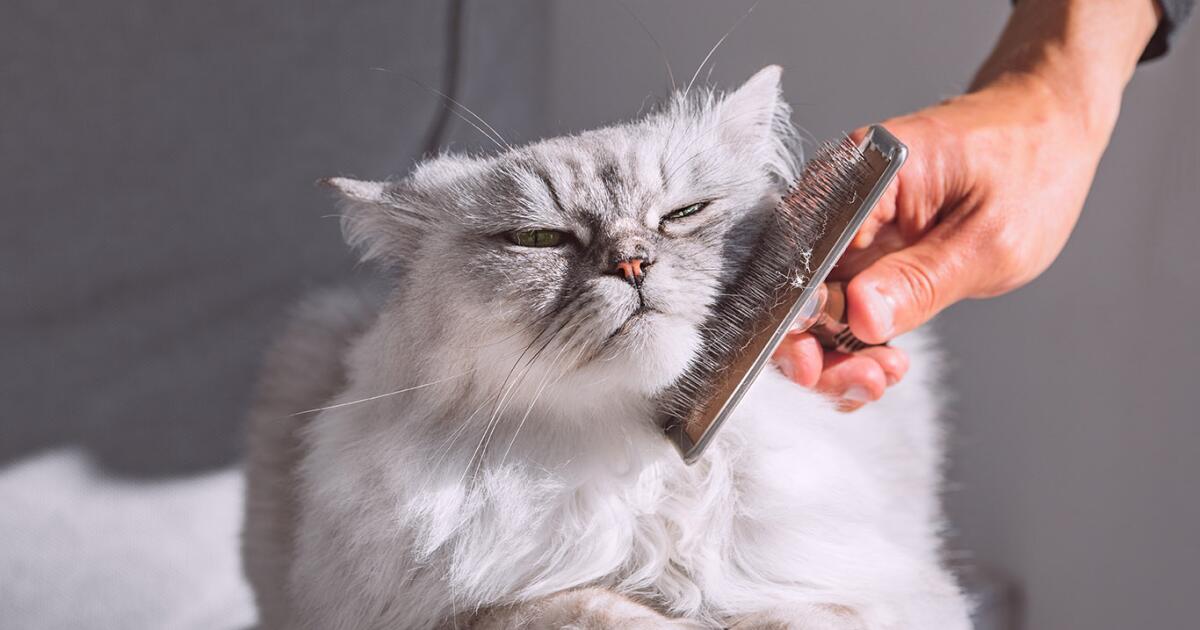
Credit: www.latimes.com
Impact Of Environment On Grooming
The environment plays a big role in how much time cats spend grooming. Their surroundings affect their fur condition, cleanliness, and comfort. Cats adapt their grooming habits based on where they live and the weather outside.
Changes in environment can increase or decrease grooming time. Understanding these factors helps explain why some cats groom more than others.
Indoor Vs Outdoor Cats
Indoor cats usually groom less than outdoor cats. They face fewer dirt and debris outside. Their fur stays cleaner, so less grooming is needed.
Outdoor cats deal with dust, mud, and insects daily. They spend more time cleaning to remove these elements. Grooming helps them stay healthy and avoid skin problems.
Outdoor cats also groom to cool down or warm up. Indoor cats live in stable temperatures, so their grooming changes less.
Role Of Weather And Season
Weather and season affect grooming habits a lot. Cats groom more in hot weather to cool their bodies. Licking spreads saliva, which cools them down as it evaporates.
In cold seasons, cats groom to keep their fur thick and clean. It helps trap heat close to their skin. Shedding also happens, changing how much they groom.
Rainy or humid weather can make cats lick more to dry their fur. Dry air might lead to less grooming due to skin dryness or irritation.
Signs Of Overgrooming
Cats spend about 30-50% of their day grooming. Signs of overgrooming include bald spots, redness, and constant licking. Excessive grooming may signal stress or health issues.
Signs of Overgrooming Cats are meticulous groomers, dedicating a significant portion of their day to keeping themselves clean and sleek. However, there comes a point when grooming turns into overgrooming. Recognizing the signs of excessive grooming can help you address the issue before it becomes a serious problem. One noticeable sign of overgrooming is the appearance of bald patches. If you notice areas on your cat’s body where fur is missing or thinning, it’s time to take action. Additionally, constant licking, chewing, or biting at their skin can indicate that something isn’t quite right.Causes Of Excessive Grooming
Understanding why your cat is overgrooming is crucial. One common cause is stress or anxiety. Changes in their environment, such as moving to a new home or introducing a new pet, can trigger this behavior. Allergies or skin irritations can also lead to excessive grooming. Cats may try to soothe an itch or irritation by licking the affected area. Fleas, food allergies, or contact with irritating substances are common culprits.Health Concerns Linked To Grooming
While grooming is a natural behavior, overgrooming can lead to health issues. Repeated licking can cause skin infections or sores, which can be painful and require veterinary attention. In some cases, overgrooming is a sign of underlying medical conditions such as hyperthyroidism or pain. It’s important to consult your vet if you suspect your cat’s grooming habits are linked to a health issue. Could your cat’s grooming habits be telling you something about their well-being? Pay attention to these signs and ensure your feline friend stays healthy and comfortable.
Credit: www.latimes.com
How To Support Healthy Grooming
Supporting healthy grooming in cats helps keep their coat clean and skin healthy. Regular grooming reduces hairballs and prevents mats. Cats feel more comfortable and relaxed with proper care. Owners can make grooming a positive experience for their pets.
Grooming Tools And Techniques
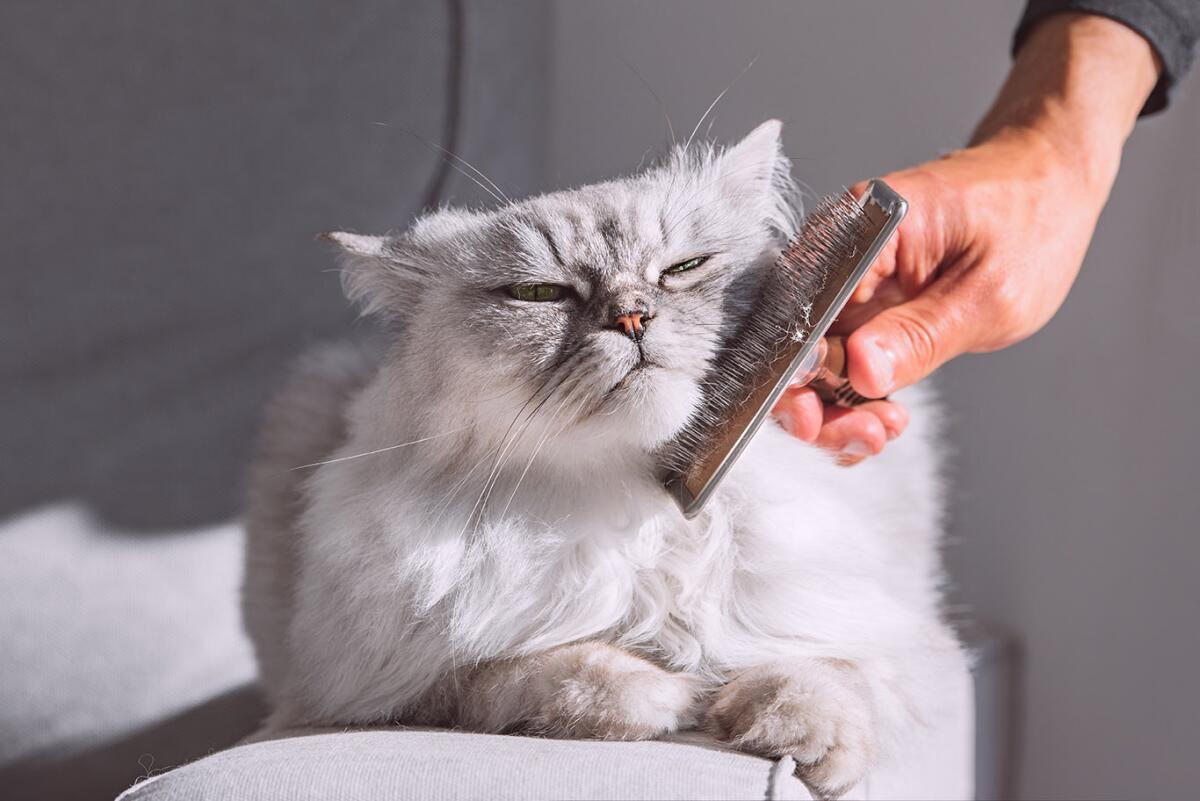
Choose tools based on your cat’s fur type. Short-haired cats need a soft brush. Long-haired cats benefit from a wide-tooth comb and slicker brush.
- Brush gently to avoid hurting your cat’s skin.
- Use a comb to remove loose fur and tangles.
- Trim nails carefully to prevent scratching during grooming.
- Clean ears and eyes with a soft cloth if needed.
Brush your cat regularly to reduce shedding. Start with short sessions to build trust. Reward your cat with treats or praise.
When To Consult A Veterinarian
Watch for signs of grooming problems. Excessive licking or bald patches may signal issues.
- Skin redness or sores that don’t heal.
- Sudden changes in grooming habits.
- Fur falling out in clumps.
- Visible parasites like fleas or ticks.
A vet can check for allergies, infections, or other health problems. Early care prevents serious complications. Regular vet visits help keep your cat healthy and happy.
Frequently Asked Questions
How Much Time Do Cats Spend Grooming Daily?
Cats spend about 30-50% of their waking hours grooming. This self-cleaning helps maintain their fur and skin health. Grooming also reduces stress and strengthens social bonds in multi-cat homes.
Why Do Cats Groom Themselves So Often?
Cats groom to remove dirt, loose fur, and parasites. Grooming regulates body temperature and stimulates blood flow. It also calms them and reinforces their scent markers.
Does Grooming Time Vary By Cat Breed?
Yes, grooming time varies by breed and individual habits. Long-haired cats typically groom more to prevent matting. Short-haired cats usually spend less time grooming but still maintain regular self-care.
Can Over-grooming Indicate Health Issues In Cats?
Yes, excessive grooming may signal stress, allergies, or skin problems. If a cat grooms to the point of hair loss, a vet visit is needed. Early detection helps treat underlying causes effectively.
Conclusion
Cats spend about 30 to 50 percent of their day grooming. This habit keeps their fur clean and healthy. Grooming also helps cats relax and feel safe. Watching a cat groom shows how much they care for themselves. Understanding this helps cat owners provide better care.
Healthy grooming means a happy cat. So, next time you see your cat cleaning, remember it’s natural and important. Taking time for grooming is part of a cat’s daily life. Simple, quiet, and essential.

Leave a Reply