Have you ever wondered if your cat can learn to groom itself better? You might be surprised to know that while cats are natural groomers, there’s more to it than just licking fur.
If you want your furry friend to stay clean, healthy, and happy, understanding how grooming works and whether you can teach your cat new habits is key. Keep reading to discover simple ways you can help your cat take care of its coat and why this matters more than you think.
Your cat’s comfort and well-being could improve in ways you never expected.
Credit: pethelpful.com
Cat Grooming Basics
Understanding the basics of cat grooming is essential before you think about teaching your cat to groom itself. Cats are naturally clean animals, but knowing why and how they groom can help you support their habits and keep them healthy. Let’s break down the main reasons cats groom and the typical behaviors you’ll notice.
Why Cats Groom Themselves
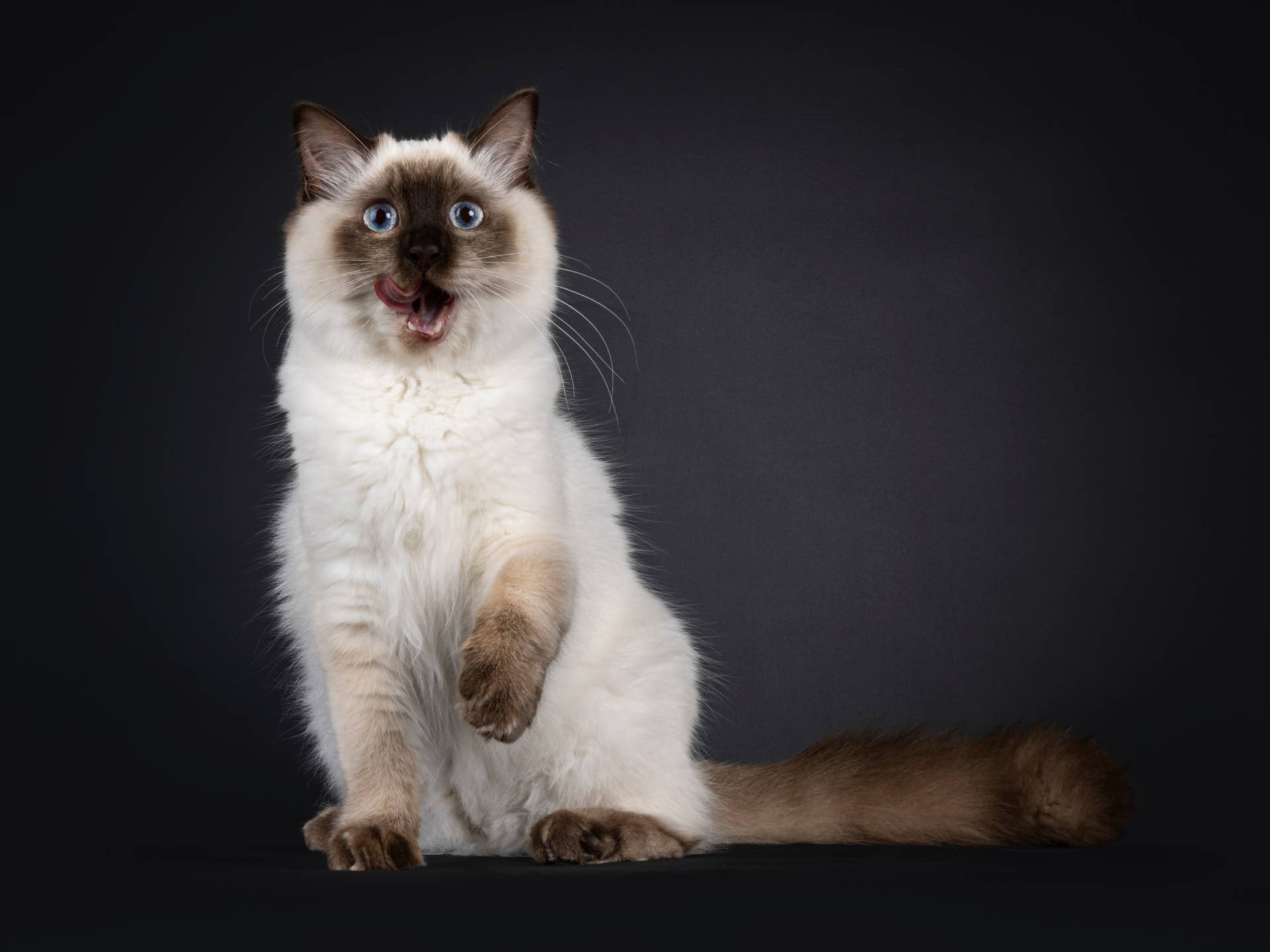
Cats groom themselves mainly to stay clean. They remove dirt, loose fur, and parasites through licking. This keeps their coat in good condition and helps regulate their body temperature.
Grooming also reduces stress and calms cats down. Have you ever noticed your cat licking itself more when it seems anxious? That’s because grooming releases feel-good hormones.
Another important reason is scent marking. Cats spread their own scent by grooming, which helps them feel safe and mark their territory. This is especially true if you have multiple cats at home.
Common Grooming Behaviors
You’ll see your cat licking its fur in a repetitive motion. They start at the head, move down the body, and finish with the tail and paws. Each area gets special attention.
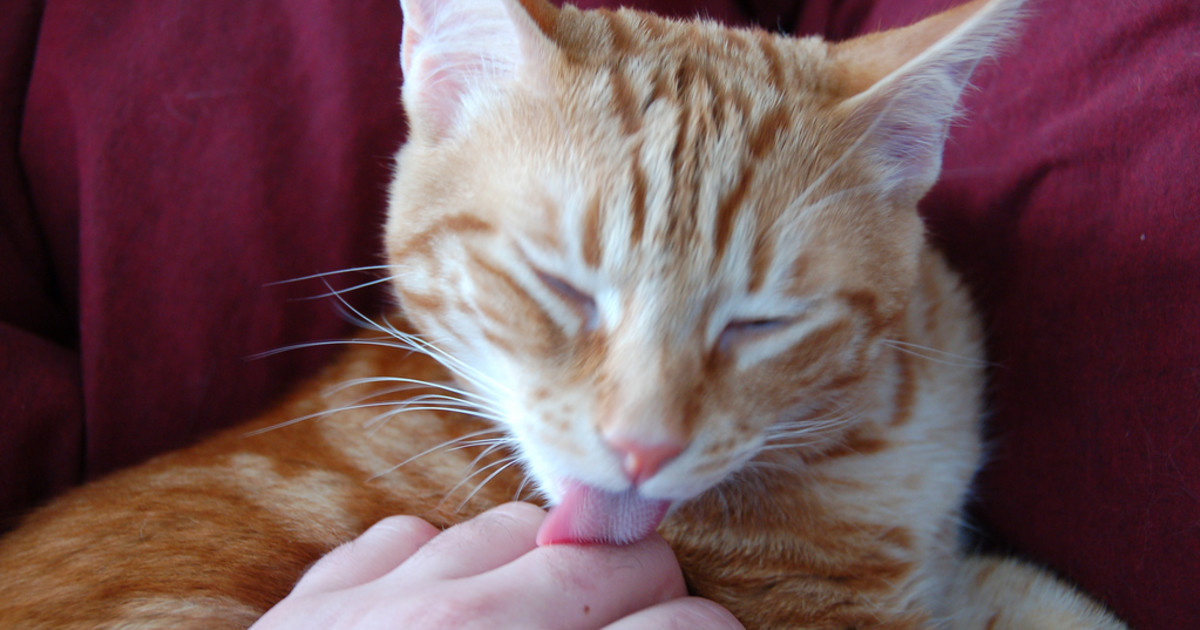
- Licking: The most common grooming act, used to clean and smooth fur.
- Biting and nibbling: Cats gently bite tangles or loose fur to remove them.
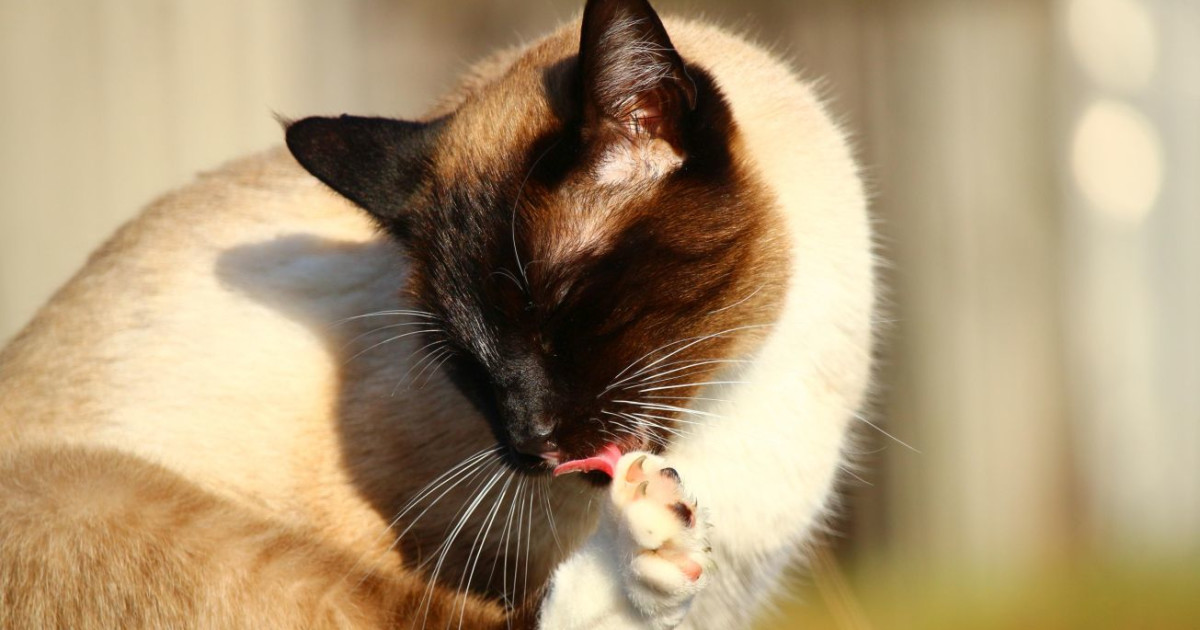
- Paw licking: Cats lick their paws and then rub their face and head with them like a natural washcloth.
- Scratching: Though not grooming in the traditional sense, scratching helps remove old fur and skin.
Have you ever noticed your cat spending hours grooming? That’s normal. But if your cat grooms excessively, it could signal stress or skin problems. Keep an eye on these behaviors to understand your cat’s needs better.
Credit: pethelpful.com
When Cats Need Help
Cats are usually excellent at keeping themselves clean, but there are times when they may struggle with grooming. Knowing when your cat needs help can make a big difference in their comfort and health. Paying attention to certain signs and understanding underlying causes can guide you in providing the right support.
Signs Of Grooming Issues
Notice if your cat’s fur looks matted or dirty more often than usual. You might see patches of hair missing or skin that looks irritated. Cats who stop grooming themselves may also develop an unpleasant odor or have dandruff.
Another sign is if your cat spends less time cleaning or seems restless after grooming attempts. Watch for excessive scratching or licking in one area, which might mean discomfort. These clues suggest your cat could be struggling with grooming.
Health Problems Affecting Grooming
Health issues often make it hard for cats to groom properly. Arthritis can cause pain when reaching certain areas, making grooming difficult. Skin infections or allergies may also prevent your cat from cleaning thoroughly.
Sometimes, dental problems reduce their willingness to groom due to mouth pain. Obesity can limit flexibility, preventing your cat from reaching parts of its body. If you notice these problems, a vet visit is essential to address the root cause.
Training Cats To Groom
Cats naturally groom themselves to stay clean and healthy. Training cats to groom is about encouraging good habits. It helps keep their fur neat and reduces shedding. Some cats need extra support to groom well. Training can build trust and improve their hygiene.
Is It Possible To Teach Grooming?
Cats already know how to groom by instinct. Teaching grooming means encouraging them to groom more often or better. Some cats may not groom enough due to health or stress. Training helps motivate them to keep clean. It requires patience and gentle guidance.
Techniques To Encourage Grooming
- Brush your cat regularly to mimic grooming.
- Create a calm environment to reduce stress.
- Use toys to encourage movement and self-care.
- Place grooming tools nearby for easy access.
- Observe and reward natural grooming behaviors.
Using Positive Reinforcement
Positive reinforcement motivates cats to groom more. Reward them with treats or praise after grooming. Use gentle petting to show approval. Avoid punishment; it causes fear and stops progress. Consistency helps cats learn what behavior is good. Small rewards make training a positive experience.
Credit: hellopetsinc.com
Tools To Support Grooming
Cats naturally groom themselves, but some tools can make grooming easier. These tools help keep your cat clean, healthy, and comfortable. They support your cat’s self-grooming habits and reduce hairballs and mats. Understanding which tools to use makes grooming a smooth experience for both of you.
Choosing The Right Brushes
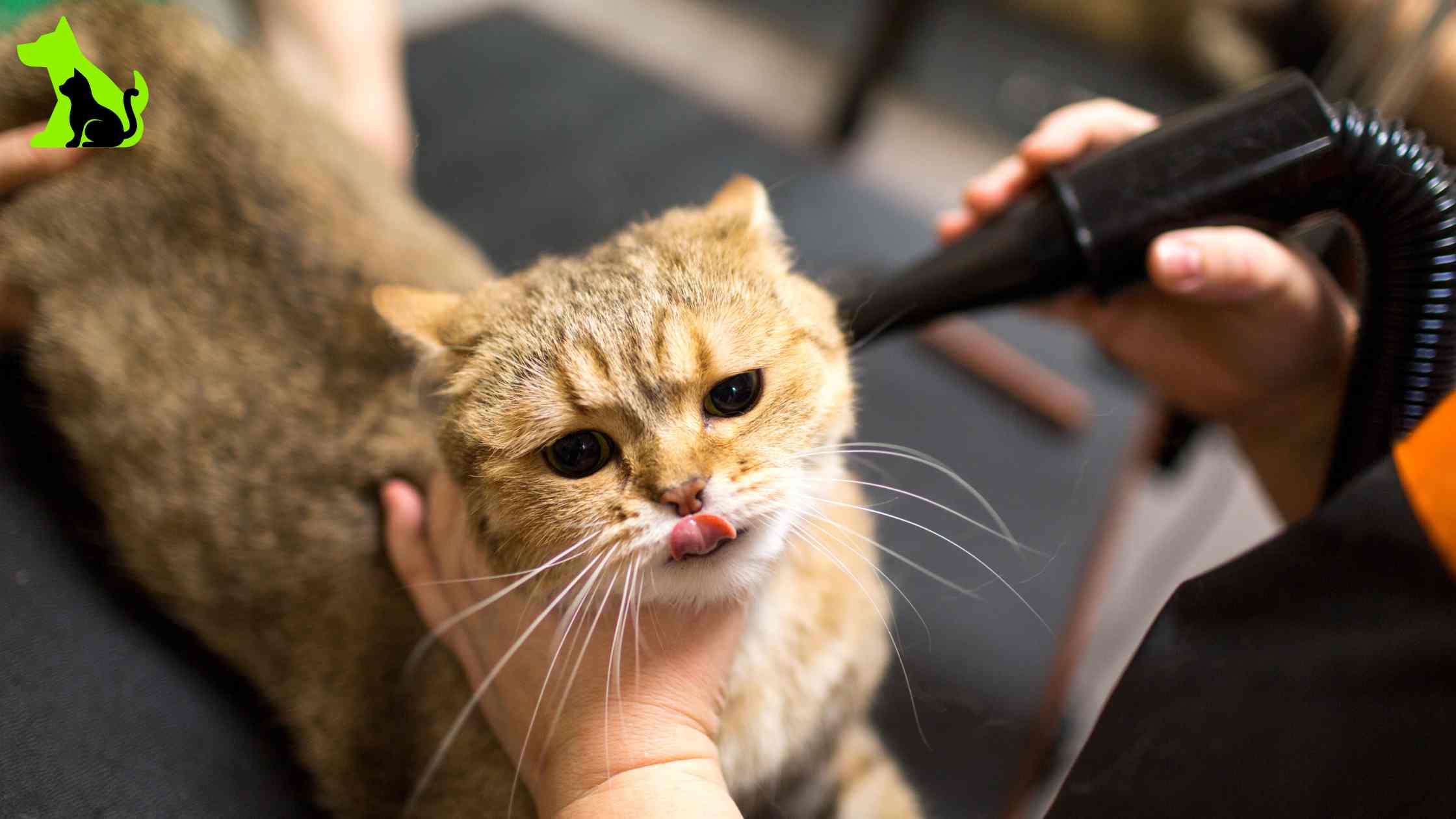
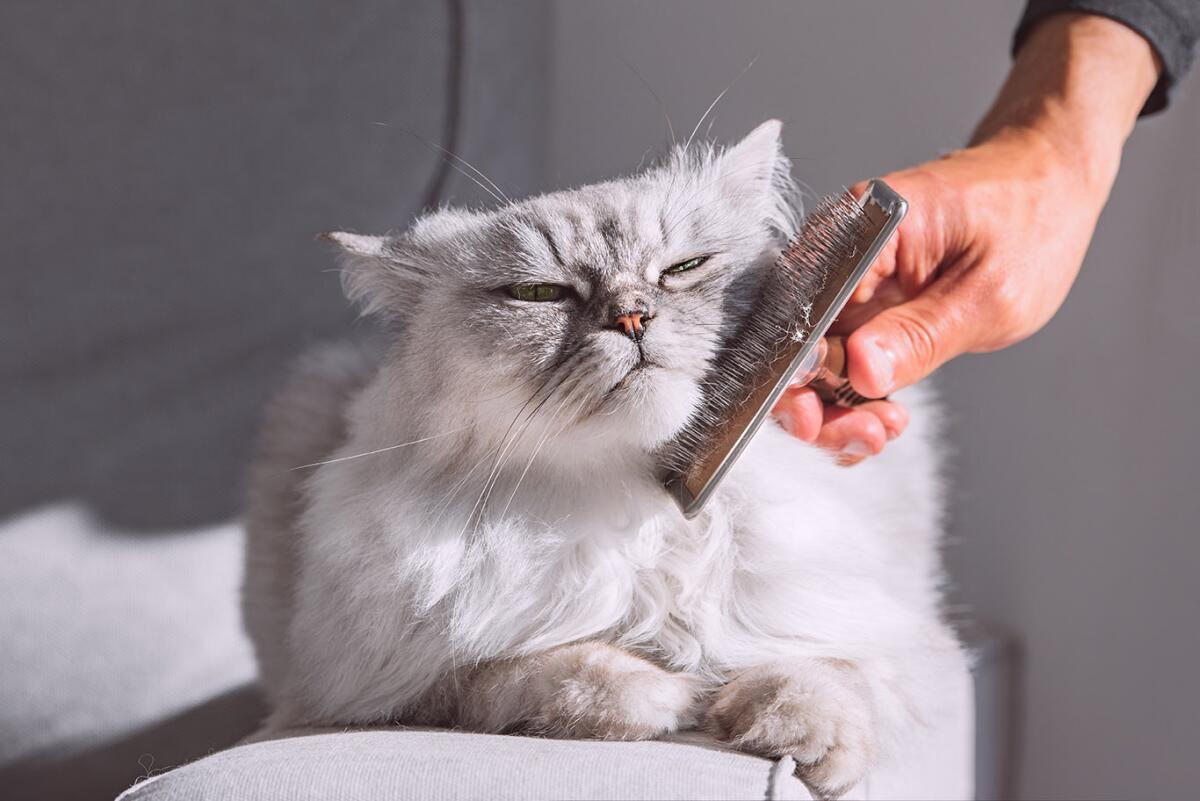
Select brushes based on your cat’s fur type. Short-haired cats do well with soft bristle brushes. Long-haired cats need slicker brushes to remove tangles. Use rubber brushes to gently massage and remove loose fur. Regular brushing prevents mats and reduces shedding.
Bathing Tips For Cats
Bathing is not always needed but helpful for very dirty cats. Use warm water and mild cat shampoo only. Keep water shallow and avoid the cat’s ears and eyes. Speak softly and move slowly to keep your cat calm. Dry your cat thoroughly with a towel after the bath.
Maintaining Claw Health
Trim claws regularly to prevent overgrowth and injury. Use a special cat nail trimmer for clean cuts. Offer scratching posts to keep claws sharp naturally. Check claws for signs of infection or damage. Healthy claws support good grooming and play habits.
Expert Tips For Owners
Cats are known for their self-grooming skills. Yet, some cats need a little help. As an owner, you can guide your cat to groom better. Let’s explore expert tips to enhance your cat’s grooming habits. This will not only keep your cat clean but also strengthen your bond.
Creating A Grooming Routine
Establish a regular grooming schedule. Start by brushing your cat daily. This removes loose fur and prevents matting. Use a soft-bristle brush for comfort. Choose a calm time when your cat is relaxed. Reward your cat with treats after grooming. This makes the experience positive.
Dealing With Grooming Resistance
Some cats resist grooming. Introduce grooming tools slowly. Let your cat sniff and explore them. Start with short sessions. Gradually increase the time as your cat gets used to it. Always be gentle and patient. Never force your cat to groom. This can create negative associations.
When To Seek Veterinary Advice
If your cat avoids grooming, check for health issues. Excessive shedding or mats can signal problems. Consult a vet if your cat shows discomfort. They might have skin conditions or parasites. Regular vet check-ups ensure your cat stays healthy and clean.
Frequently Asked Questions
Can Cats Learn To Groom Themselves Properly?
Cats naturally groom themselves from a young age. You cannot teach them to groom better, but you can encourage good hygiene. Regular brushing by owners supports their natural grooming habits and keeps their coat healthy.
Why Do Some Cats Need Help Grooming?
Cats may need grooming help due to age, illness, or obesity. They might struggle to reach certain areas. Owners should assist with brushing and cleaning to prevent matting and skin problems.
How Often Should I Groom My Cat?
Grooming frequency depends on the cat’s coat type. Long-haired cats need daily brushing, while short-haired cats require weekly grooming. Regular grooming prevents hairballs and keeps the fur clean and healthy.
Can Grooming Reduce Cat Hair Shedding?
Yes, regular grooming removes loose fur and reduces shedding. Brushing also distributes natural oils, improving coat health. This helps keep your home cleaner and your cat more comfortable.
Conclusion
Cats naturally clean themselves every day. Teaching them to groom is mostly about helping, not training. You can make grooming easier by brushing your cat gently. This keeps their fur healthy and reduces hairballs. Patience and kindness work best when helping your pet.
Remember, each cat is different and learns at its own pace. Regular care supports your cat’s comfort and health. Keep grooming simple, and enjoy your time together. Your cat will thank you with a happy purr.

Leave a Reply