
Are you wondering how much food your 8 lb adult cat really needs each day? Feeding your cat the right amount is more important than you might think.
Too much or too little can affect their health and happiness. You want to give your furry friend just the right portion to keep them energetic and healthy. You’ll discover simple guidelines to help you measure the perfect amount of food for your cat.
Keep reading to make sure your pet stays well-fed without overdoing it!
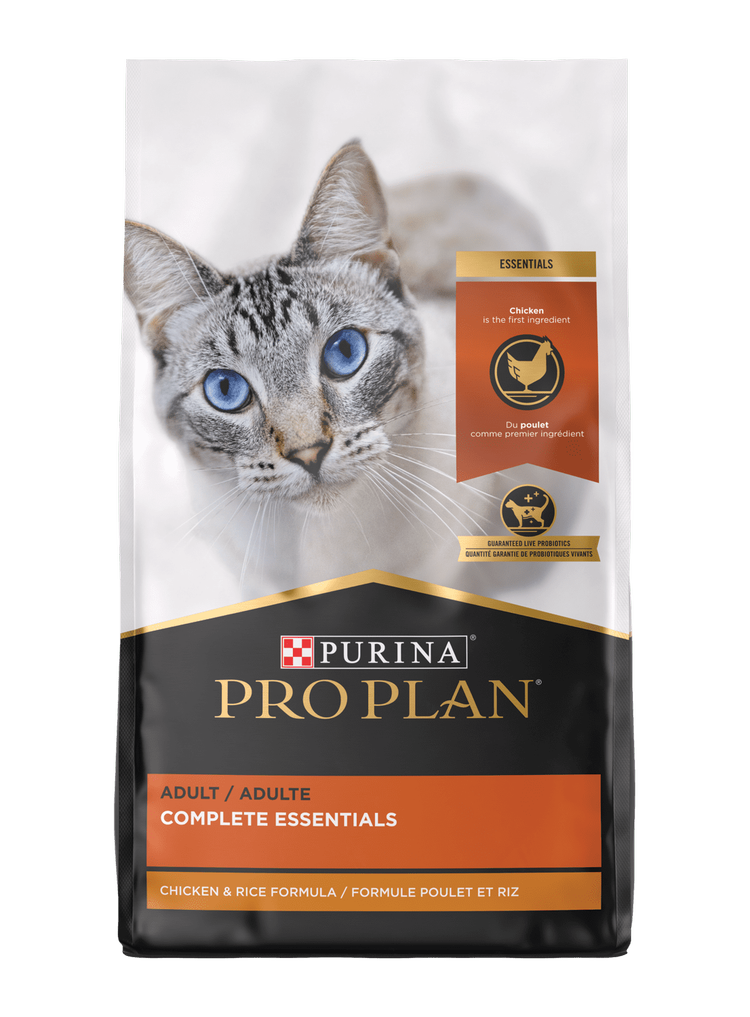
Credit: www.purina.com
Daily Calorie Needs
Understanding the daily calorie needs of an 8 lb adult cat is important for their health. Cats require the right amount of energy to stay active and maintain a healthy weight. Feeding too much or too little can cause health problems.
Calorie needs vary based on several factors. Knowing these helps in feeding your cat properly.
Factors Influencing Calorie Requirements
- Age: Younger cats burn more energy than older cats.
- Activity Level: Active cats need more calories than lazy ones.
- Health Status: Illness or medical conditions can affect calorie needs.
- Spaying/Neutering: Fixed cats usually require fewer calories.
- Environment: Indoor cats often need fewer calories than outdoor cats.
Calculating Calories For An 8 Lb Cat
The average adult cat needs about 20 calories per pound daily. For an 8 lb cat, this means roughly 160 calories per day.
Here is a simple way to calculate:
| Weight (lbs) | Calories per Pound | Total Daily Calories |
|---|---|---|
| 8 | 20 | 160 |
Adjust calories based on your cat’s activity and health. Monitor weight and energy to fine-tune feeding amounts.
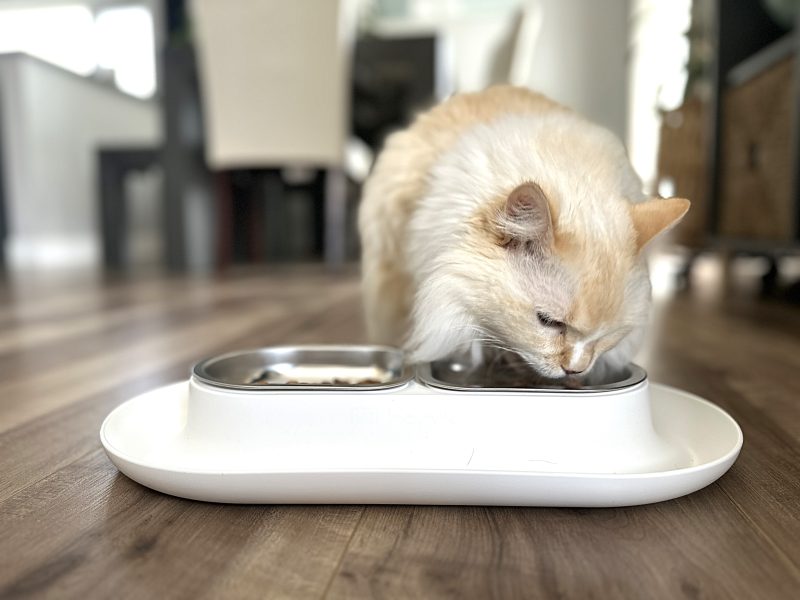
Credit: www.catster.com
Portion Sizes By Food Type
Understanding portion sizes helps keep your 8 lb cat healthy and happy. Cats need different amounts depending on the food type. This section breaks down the right portions for dry food, wet food, and raw diets. Each type has its own feeding guide to ensure balanced nutrition.
Dry Food Portions
Dry food is calorie-dense and easy to measure. An 8 lb adult cat usually eats about 1/4 to 1/3 cup daily. This equals roughly 50 to 70 grams of dry kibble.
Check the packaging for calorie details. Most cats need around 200 to 250 calories a day. Adjust portions if your cat is very active or less active.
Wet Food Portions
Wet food contains more moisture and fewer calories per gram. An 8 lb cat typically needs 5 to 6 ounces daily. This is roughly one standard 5.5-ounce can or two small pouches.
Divide the daily amount into two or three meals. This helps maintain energy levels and digestion.
Raw Diet Recommendations
Raw diets provide natural nutrients but require careful portioning. Feed about 2% to 3% of your cat’s body weight each day. For an 8 lb cat, this equals 2.5 to 3.5 ounces of raw food.
Include muscle meat, organs, and bones for a balanced meal. Consult a vet for proper raw diet plans and safety tips.
Feeding Frequency
An 8 lb adult cat usually needs about 180 to 200 calories daily. Feeding small meals two to three times a day helps maintain energy and digestion. Adjust portions based on your cat’s activity and health for best results.
Determining the right feeding frequency for your 8 lb adult cat can significantly impact their health and happiness. Cats are creatures of habit, and how often they eat is just as crucial as what they eat. By understanding the best feeding schedule, you can ensure your feline friend is content and well-nourished.Meal Timing Options
You have several choices when it comes to feeding your cat. Some prefer two meals a day—breakfast and dinner. This routine is similar to how humans eat and can fit seamlessly into your day. Others might find that three smaller meals—morning, noon, and evening—work best for their cat’s needs. This option can prevent your cat from feeling hungry throughout the day and could help with weight management.Adjusting Frequency For Lifestyle
Your lifestyle plays a vital role in deciding your cat’s meal schedule. If you work long hours, an automatic feeder can help maintain a consistent routine. This tool can dispense meals at set times, ensuring your cat is fed even when you’re not home. Consider your cat’s behavior too. Does your cat seem restless or hungry between meals? If so, try increasing the frequency of feedings, offering smaller portions more often. Finding the right balance requires some trial and error, but your cat’s satisfaction will guide you. Are you ready to tailor your cat’s feeding schedule to suit both your needs and theirs?Monitoring Weight And Health
Monitoring your 8 lb adult cat’s weight and health is key to feeding the right amount. Cats can gain or lose weight quickly if their food intake is not balanced. Regular checks help catch problems early and keep your cat happy and active.
Watch your cat’s body shape and energy levels. Small changes can signal overfeeding or underfeeding. A steady routine and careful observation are important parts of good cat care.
Signs Of Overfeeding
- Noticeable weight gain over a short time
- Rounder belly or difficulty feeling ribs
- Less active or more tired than usual
- Increased begging or food-seeking behavior
Signs Of Underfeeding
- Weight loss or visible ribs and spine
- Low energy or reluctance to play
- Poor coat condition, dull or patchy fur
- Increased irritability or unusual behavior
Regular Vet Checkups
Schedule vet visits at least once a year. The vet checks weight and overall health. They can advise if food amounts need changing.
Discuss your cat’s diet and any behavior changes. Early detection of issues helps prevent serious health problems.
Special Considerations
Feeding an 8 lb adult cat isn’t just about measuring portions. Several special considerations can impact how much food your feline friend truly needs. Understanding these factors helps you tailor their diet for better health and happiness.
Age And Activity Level
Is your cat a lively young adult or a more sedentary senior? Age plays a big role in determining calorie needs. Younger cats with higher energy burn more calories and usually require more food compared to older cats who move less.
Activity level also varies widely. A cat that spends hours playing or exploring will need extra fuel. Meanwhile, a couch-loving cat may need fewer calories to avoid gaining unwanted weight.
Consider tracking your cat’s daily activity for a week. This simple step can reveal if you should adjust their feeding amount up or down.
Health Conditions Affecting Diet
Does your cat have any health issues? Conditions like diabetes, kidney disease, or allergies can drastically change dietary needs. For example, cats with kidney problems often need diets lower in protein and phosphorus.
Some cats might require special prescription diets or supplements prescribed by a vet. Ignoring these needs can worsen their condition or lead to malnutrition.
If you notice changes in appetite, weight, or behavior, consult your veterinarian. They can recommend the best feeding plan to support your cat’s unique health needs.

Credit: thelittlecarnivore.com
Tips For Transitioning Foods
Switching your 8 lb adult cat’s food can be tricky. Cats are creatures of habit and sudden changes might upset their stomach. Knowing how to transition foods smoothly helps keep your cat healthy and happy during the change.
Gradual Introduction
Start by mixing a small amount of the new food with your cat’s current food. A good rule is to begin with about 10% new food and 90% old food. Over the next 7-10 days, slowly increase the new food while decreasing the old food.
This slow switch gives your cat’s digestive system time to adjust. I once switched my cat’s food too quickly, and she refused to eat for two days. Gradual introduction avoids this problem and keeps mealtime stress-free for both of you.
Avoiding Digestive Upset
Watch for signs like vomiting, diarrhea, or constipation during the transition. If these happen, slow down the switch or pause for a few days. Your cat’s gut needs time to adapt to new ingredients and textures.
Offering plenty of fresh water during this time supports digestion. Also, avoid feeding treats or other foods that can confuse your cat’s stomach. Have you noticed how sensitive your cat’s tummy can be? Managing the change patiently makes a big difference.
Frequently Asked Questions
How Many Calories Does An 8 Lb Cat Need Daily?
An 8 lb adult cat typically needs 180-200 calories per day. This varies based on activity and health. Always consult your vet for personalized advice.
How Much Wet Food Should An 8 Lb Cat Eat?
An 8 lb cat usually eats 3-4 ounces of wet food daily. Divide this into two or more meals for better digestion and satisfaction.
Is Portion Control Important For An 8 Lb Cat?
Yes, portion control prevents obesity and health issues. Feeding measured amounts ensures your cat maintains a healthy weight and energy level.
Can Feeding Frequency Affect An 8 Lb Cat’s Health?
Feeding small, frequent meals helps maintain metabolism and prevents overeating. Most cats thrive on two to three meals per day.
Conclusion
An 8 lb adult cat needs the right amount of food daily. Feeding too much or too little can cause health problems. Measure portions carefully and follow your vet’s advice. Watch your cat’s weight and adjust food as needed. Quality food keeps your cat happy and healthy.
Regular feeding times help maintain good habits. Small changes make a big difference in your cat’s life. Keep your cat active and hydrated for best results. Caring for your cat’s diet shows your love and care.


Leave a Reply