Have you ever wondered how long your heavy adult cat can safely go without food? It’s a worrying thought, especially if your furry friend suddenly stops eating.
Knowing the limits can help you act quickly and protect your cat’s health. You’ll discover important facts about your cat’s eating needs, signs to watch for, and what to do if your cat refuses food. Keep reading to ensure you’re ready to keep your beloved pet safe and healthy.
Cat Metabolism Basics
Understanding your heavy adult cat’s metabolism is key to knowing how long they can safely go without food. Metabolism controls how your cat uses energy and affects their overall health, especially when food intake changes. Let’s break down some basics about how energy needs differ for heavier cats and what sets their metabolism apart.
Energy Needs Of Heavy Cats
Heavy cats require more energy simply because their bodies carry extra weight. This means their organs and muscles demand more fuel to keep functioning properly. However, not all the extra weight is active tissue—fat burns fewer calories than muscle, which can affect how energy is used.
Think about your own experience: carrying extra weight can make you tired faster, but your body also burns energy differently. The same goes for your cat. Their energy needs aren’t just about size; the type of weight matters too.
- Heavier cats may need more calories but can be less active.
- Muscle mass influences how quickly calories are burned.
- Fat tissue is less metabolically active, so energy use slows down.
Differences In Metabolism
Not all cats metabolize food the same way, especially when comparing heavy adults to leaner ones. Metabolism speed can vary due to genetics, age, and overall health. A heavy cat might process nutrients slower or store energy differently, affecting how long they can go without eating.
Have you noticed how some cats bounce back quickly after skipping a meal while others seem sluggish? This difference often comes down to metabolism. Your heavy cat’s body may conserve energy more aggressively during fasting, but this can lead to health risks if food is withheld too long.
Understanding these metabolic differences helps you make smarter decisions about feeding schedules and recognizing signs of distress. Always watch for changes in behavior or energy levels—they can tell you a lot about how your cat’s metabolism is coping.
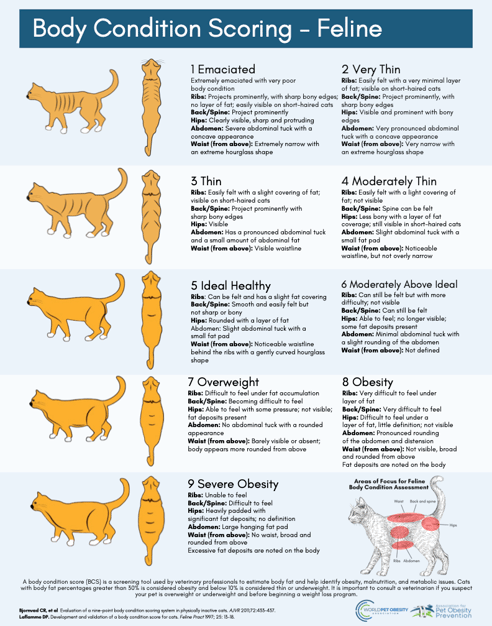
Credit: www.preventivevet.com
Effects Of Food Deprivation
Food deprivation can have serious consequences for a heavy adult cat. Understanding these effects is crucial to recognize signs of distress early and act fast. Let’s look at how lack of food impacts your cat physically and behaviorally.
Physical Impact On Cats
When a heavy adult cat stops eating, the body starts breaking down fat for energy. This might sound helpful, but it quickly leads to a dangerous condition called hepatic lipidosis, or fatty liver disease. Cats are particularly vulnerable to this because their liver struggles to process large amounts of fat.
You might notice your cat becoming weak, losing weight rapidly, or showing signs of dehydration. Other symptoms include vomiting, diarrhea, and jaundice (yellowing of the skin or eyes). These signs are red flags that your cat’s body is under severe stress.
Have you ever seen your cat suddenly lose interest in food? It’s easy to dismiss as a minor upset, but it could be the start of a serious problem. Prompt veterinary care is essential to prevent permanent damage or worse.
Behavioral Changes
Food deprivation doesn’t just affect your cat’s body—it changes their behavior too. A hungry cat may become more irritable, restless, or withdrawn. You might notice your cat pacing, meowing more loudly, or even hiding.
Some cats may show signs of anxiety or depression, which can worsen if the food shortage continues. Others might become aggressive, especially around feeding times or other pets in the household. These changes can be distressing for both you and your cat.
Pay close attention to how your cat acts if they miss meals. Are they more clingy or distant than usual? These subtle shifts can help you catch food deprivation before it escalates.
Survival Time Without Food
Understanding how long a heavy adult cat can survive without food is crucial for pet owners. Cats are resilient animals, but their bodies need regular nourishment to function well. Starvation affects their organs and immune system quickly. Knowing typical survival times helps in emergencies and improves care decisions.
Typical Duration For Heavy Cats
Heavy adult cats usually survive about one to two weeks without food. Their larger fat stores give them some energy reserves. However, lack of food for more than three days causes serious health issues. Organ damage and dehydration can follow soon after. Continuous food deprivation beyond two weeks is often fatal.
Factors Influencing Survival Time
- Body Weight:Heavier cats have more fat to use for energy.
- Hydration:Water intake greatly affects survival time.
- Health Status:Illness or age lowers survival chances.
- Stress Levels:Stress can speed up health decline.
- Temperature:Cold weather increases energy needs.

Credit: companion-vets.com
Health Risks Of Starvation
Starvation poses serious health risks for heavy adult cats, and understanding these dangers can help you act quickly if your pet refuses to eat. Even a few days without food can trigger harmful changes in their body. It’s not just about hunger—it’s about what happens inside your cat’s organs and muscles as the fasting continues.
Liver Disease Concerns
One major risk is the development of a dangerous liver condition called hepatic lipidosis, or fatty liver disease. This happens when a cat’s body starts breaking down fat for energy due to lack of food, but the liver becomes overwhelmed and unable to process all the fat properly.
Without treatment, this condition can quickly become life-threatening. Have you noticed your cat becoming lethargic or losing interest in food? These can be early warning signs.
Prompt veterinary care is crucial because liver damage can worsen rapidly during starvation. Don’t wait for severe symptoms to appear.
Muscle Loss And Weakness
When your cat isn’t eating, their body starts consuming muscle tissue to meet energy needs. This leads to noticeable weakness and reduced mobility.
You might see your cat struggling to jump or move as easily as before. Muscle loss also impacts their overall strength and immune system, making them more vulnerable to illness.
Supporting your cat with proper nutrition early on can prevent severe muscle wasting. How often do you check your cat’s activity levels for subtle changes? Catching these signs early can save their quality of life.
Signs Your Cat Needs Help
Recognizing when a heavy adult cat needs help is crucial. Cats may hide signs of illness or hunger, making it harder to notice problems early. Watch carefully for changes in behavior or health. Early action can save your cat’s life.
Warning Symptoms
- Refusing to eat for more than 24 hours
- Weight loss or visible thinness
- Lethargy or weakness
- Vomiting or diarrhea
- Excessive drooling or bad breath
- Hiding or avoiding interaction
- Rapid breathing or panting
- Unusual vocalizations or distress
When To Seek Veterinary Care
Contact a vet if your cat refuses food for over 24 hours. Immediate help is needed if your cat shows weakness or breathing trouble. Persistent vomiting or diarrhea also requires urgent care.
Do not wait if your cat becomes unresponsive or shows signs of pain. Early veterinary intervention can prevent serious health problems.

Credit: www.purina.com
Preventing Food Deprivation
A heavy adult cat can survive about one to two weeks without food, but health risks rise quickly. Early signs of food deprivation need fast attention to avoid serious harm. Providing regular meals supports a cat’s strength and well-being.
Preventing food deprivation in heavy adult cats is crucial for their well-being. Cats need regular meals to stay healthy and energetic. A consistent feeding routine helps prevent stress and health issues. Let’s explore how to manage this effectively.Feeding Schedules For Heavy Cats
Creating a feeding schedule helps maintain a cat’s health. Ensure meals are balanced and provided at regular intervals. Use portion control to avoid overeating. A timed feeder can help manage meal times. Monitor your cat’s weight and adjust food portions as needed. Consistency is key in maintaining a healthy routine.Managing Obesity Safely
Obesity can lead to severe health problems in cats. Gradual weight loss is safer than rapid changes. Consult a veterinarian to create a safe weight-loss plan. Introduce exercise through play and interactive toys. Reduce treats and high-calorie snacks. Monitor progress and adjust the plan as necessary. A healthy weight improves a cat’s quality of life.Frequently Asked Questions
How Long Can A Heavy Adult Cat Survive Without Food?
A heavy adult cat can survive about one to two weeks without food. However, this depends on hydration and overall health. Lack of food beyond a few days can cause serious health issues and requires immediate veterinary care.
What Are Signs A Cat Is Starving Or Not Eating?
Signs include lethargy, weight loss, vomiting, and weakness. Cats may also show dehydration, dull coat, and loss of appetite. Early detection is crucial for treatment and recovery.
Can A Heavy Cat Lose Weight Safely Without Eating?
No, cats should not lose weight by fasting. Sudden food deprivation risks liver damage. Weight loss must be gradual and supervised by a vet for safety.
When Should I Seek Help If My Cat Stops Eating?
Seek veterinary help if your cat refuses food for more than 24 hours. Early intervention prevents complications and ensures proper diagnosis and treatment.
Conclusion
A heavy adult cat should not go without food for more than two to three days. Missing meals can cause serious health problems. Always watch your cat’s eating habits closely. If your cat stops eating, contact a vet quickly. Feeding your cat regularly keeps it healthy and strong.
Don’t wait until your cat looks weak or sick. Good care means giving food on time every day. Keep your pet safe by knowing these important facts.



Leave a Reply