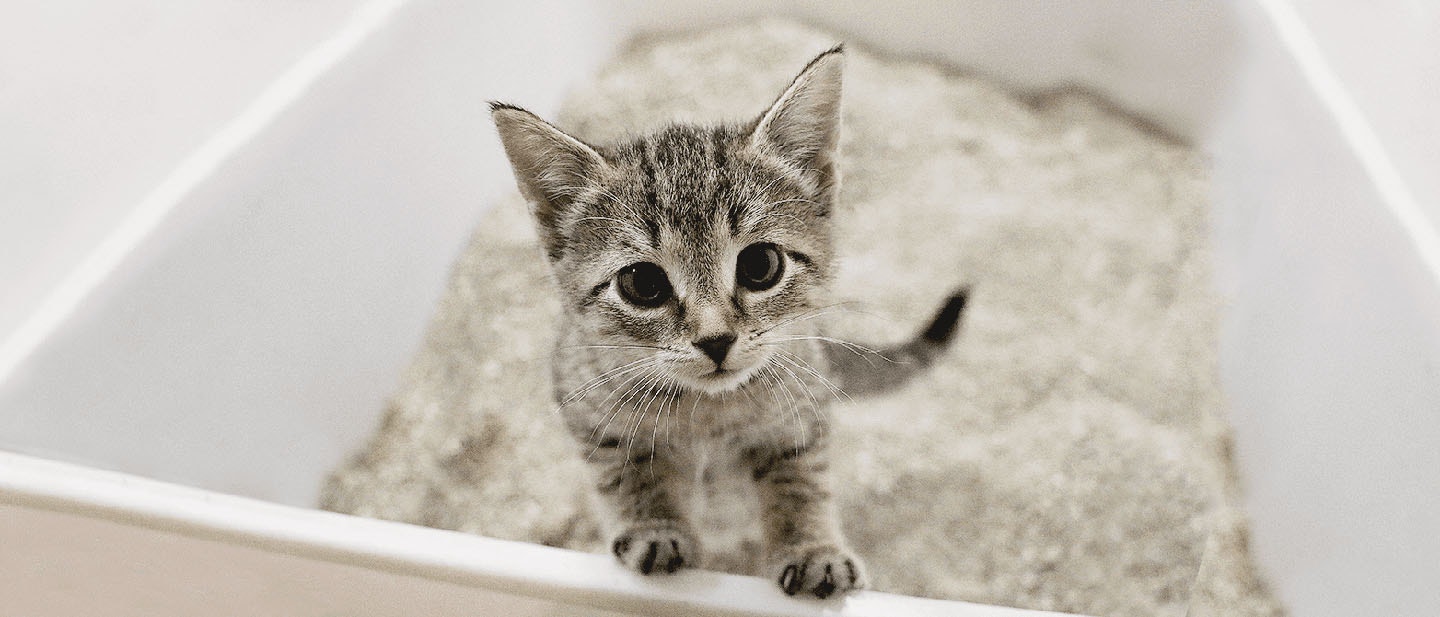
Potty training your cat kitten might sound tricky, but it’s easier than you think. Imagine a home without messy litter boxes or surprise accidents on the floor.
You want your kitten to learn good habits quickly and with less stress for both of you. In this guide, you’ll discover simple, step-by-step tips that make potty training smooth and even enjoyable. Ready to take control and make your life—and your kitten’s—much cleaner?
Keep reading, because the secret to success is just ahead.

Credit: i-style.tv
Choosing The Right Litter Box
Choosing the right litter box is a key step in potty training your kitten. The box you pick can make a big difference in how quickly your kitten adapts to using it. A good litter box encourages your kitten to use it consistently and comfortably.
Size And Shape Matters
Your kitten needs enough space to move around and dig without feeling cramped. A litter box that is too small can discourage use, while a very large box might be intimidating for a young kitten.
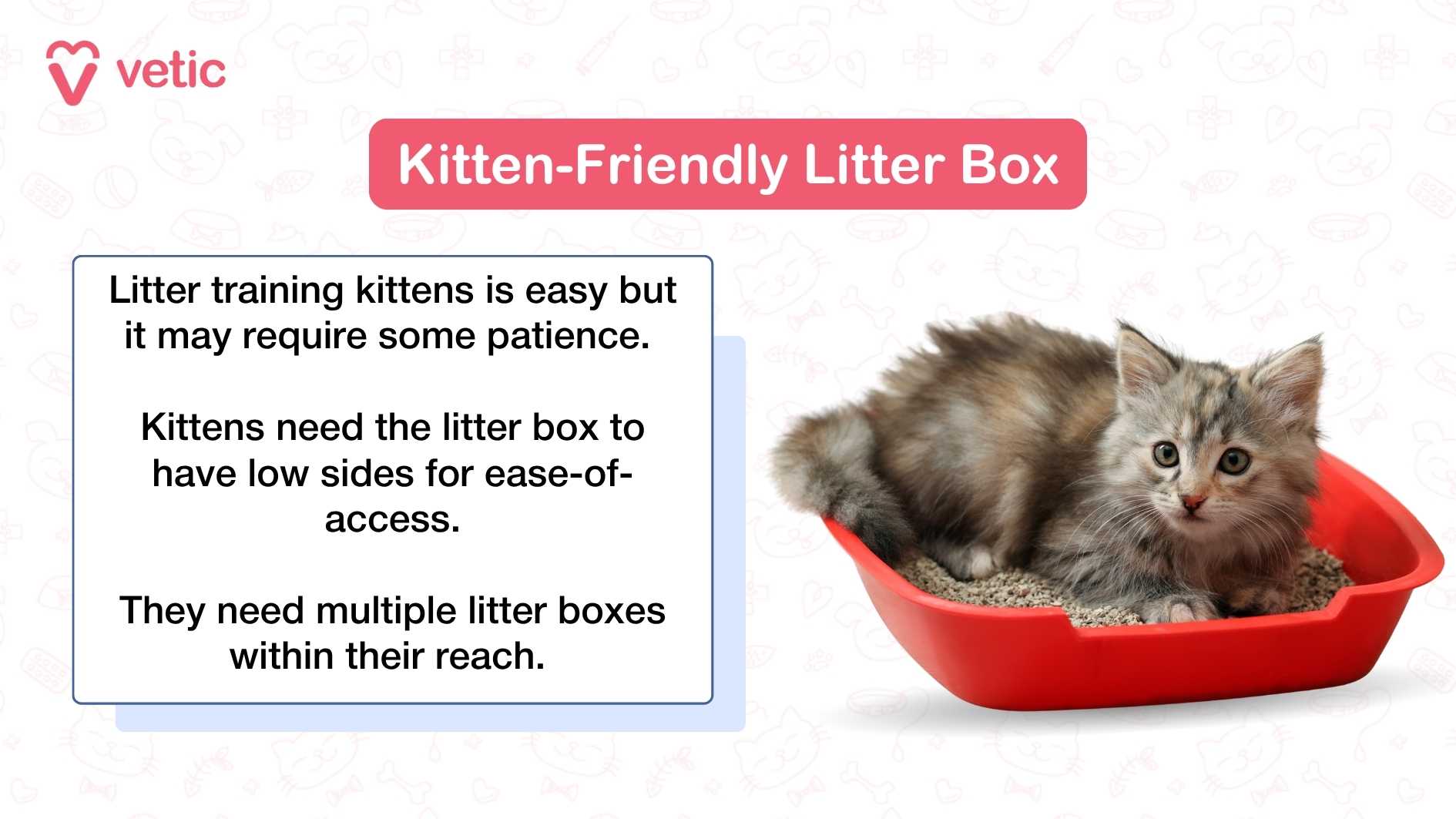
Look for a box with low sides for easy access, especially for tiny kittens. As your cat grows, you might want to switch to a bigger box to match their size and preferences.
Open Vs Covered Boxes
Deciding between an open or covered litter box depends on your kitten’s personality and your home environment. Open boxes offer better ventilation and make it easier for you to spot when cleaning is needed.
Covered boxes provide privacy and can help contain odors, but some kittens may feel trapped or scared inside. Watch your kitten’s reaction; if they hesitate or avoid the box, try an open one instead.
Placement Tips
Where you place the litter box affects your kitten’s willingness to use it. Choose a quiet, low-traffic area that is easy for your kitten to access at all times.
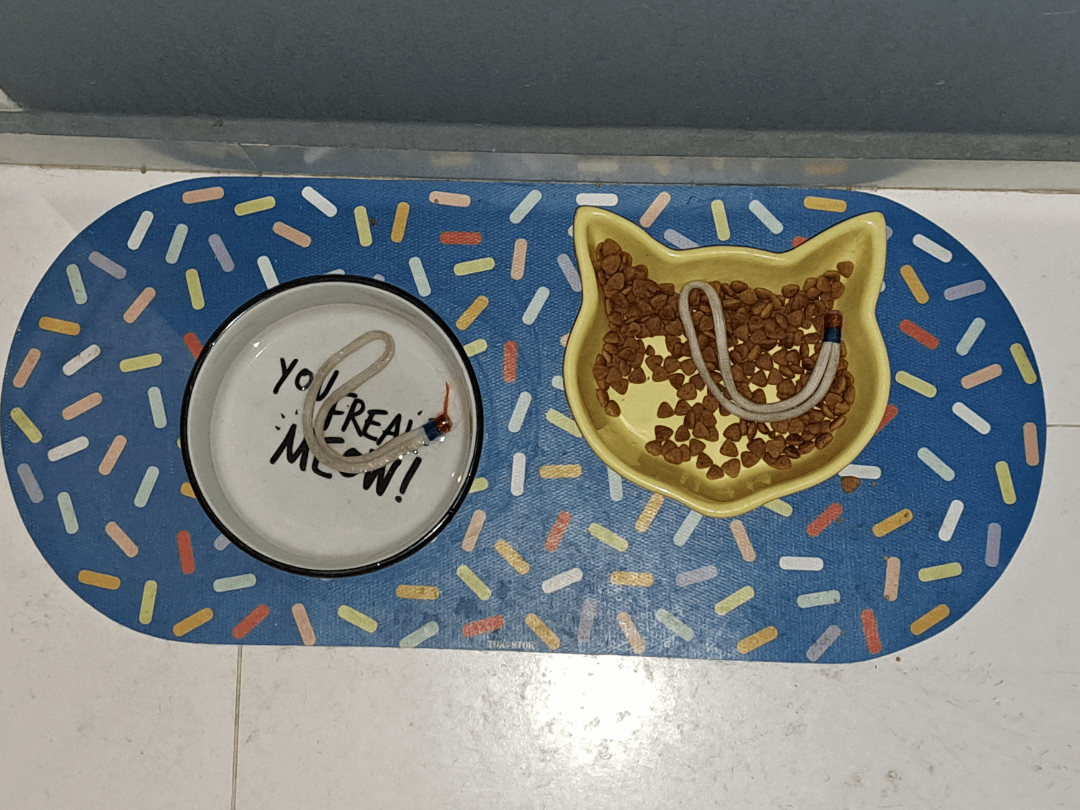
Keep the box away from their food and water bowls to prevent confusion and maintain hygiene. If you have multiple floors, consider placing a litter box on each level to make it convenient for your kitten.

Credit: www.purina.com
Selecting The Best Litter
Selecting the best litter for your kitten is a key step in potty training. The right litter makes your kitten comfortable and encourages consistent use of the litter box. Your choice affects cleanliness, odor control, and your kitten’s willingness to adapt.
Types Of Cat Litter
There are several types of litter to consider, each with its own benefits:
- Clumping Clay:Easy to scoop and keeps the box clean longer.
- Non-Clumping Clay:Absorbs moisture but requires frequent changing.
- Silica Gel:Controls odor well and lasts longer without changing.
- Natural Options:Made from materials like corn, wheat, or pine, these are biodegradable and often dust-free.
Think about your kitten’s habits and your cleaning preferences. Have you noticed if your kitten prefers digging or minimal disturbance? This will guide your litter choice.
Scented Vs Unscented
Scented litters aim to mask odors, but many kittens find strong smells off-putting. Unscented litter often feels more natural to them and reduces the chance of avoidance.
If your kitten sniffs and walks away from the litter box, try switching to unscented. It’s easier on their sensitive noses and may encourage regular use.
Texture Preferences
Texture plays a big role in your kitten’s comfort. Some kittens prefer fine, soft granules that mimic sand, while others like coarser textures.
Observe how your kitten reacts when using different litters. Do they dig enthusiastically or avoid the box? Offering a few texture options can help you discover what feels best for your pet.
Setting Up A Training Area
Choose a quiet, easy-to-clean spot for your kitten’s training area. Keep the litter box accessible and free of distractions to encourage use. Regularly clean the space to maintain comfort and hygiene for your kitten.
Setting up a training area is crucial for potty training your kitten. A well-organized space helps your kitten learn faster and feel comfortable. This guide provides essential tips for setting up an ideal training area.Quiet And Accessible Spot
Choose a quiet and accessible spot in your home. Avoid busy areas with lots of noise. Your kitten needs a calm space to focus. A quiet corner in a room is ideal. Ensure the spot is easy for your kitten to reach. Avoid stairs or barriers that may hinder access.Keeping It Clean
Cleanliness is key to successful potty training. Regularly clean the litter box area. Use mild cleaners to avoid harsh smells. A clean environment encourages your kitten to use the litter box. Remove waste daily to maintain hygiene.Minimizing Distractions
Minimize distractions to help your kitten concentrate. Remove toys or objects that may divert attention. Keep the training area simple and uncluttered. This ensures your kitten focuses on the litter box. A distraction-free zone aids in faster learning.Introducing The Kitten To The Litter Box
Introducing your kitten to the litter box is the first key step in potty training. This phase helps the kitten understand where to go for bathroom needs. A calm and patient approach sets the stage for success. Keep the litter box accessible and clean at all times. A quiet spot with low traffic helps the kitten feel safe and comfortable.
Initial Familiarization
Place the kitten gently in the litter box after meals and naps. Let the kitten sniff and explore the area freely. Avoid forcing or scolding to prevent fear. Use a shallow box with soft, unscented litter. This encourages natural digging and covering instincts. Watch for signs of interest or discomfort and adjust accordingly.
Encouraging Exploration
Allow the kitten to wander near the box without pressure. Praise any interaction with the litter box quietly. Use gentle pats or soft voice to build positive feelings. Keep the box clean to invite use. Change the litter regularly to avoid odors. Provide multiple boxes if the home is large or has several rooms.
Handling Accidents
Accidents happen and require calm responses. Clean messes with an enzyme cleaner to remove odors. Avoid using ammonia-based products that mimic urine smell. Do not punish the kitten; it causes confusion and fear. Gently place the kitten in the box after accidents. Repeat familiarization steps to reinforce good habits. Patience and consistency help build trust and routine.
Establishing A Routine
Establishing a routine is key to potty training your kitten. Cats thrive on consistency and clear patterns. Creating a steady schedule helps your kitten understand when and where to go. Patience and consistency make the process smoother for both of you.
Feeding And Bathroom Schedule
Feed your kitten at the same times each day. Regular meals lead to predictable bathroom needs. This predictability allows you to guide your kitten to the litter box at the right moments. Watch for signs your kitten needs to go after eating or waking up.
Positive Reinforcement
Praise your kitten immediately after using the litter box. Use gentle words and soft petting to encourage good behavior. Avoid punishment or harsh tones. Positive reinforcement builds trust and motivates your kitten to repeat the behavior.
Monitoring Progress
Keep a simple log of your kitten’s bathroom habits. Note times and any accidents outside the box. This helps identify patterns or problems early. Adjust the routine based on your kitten’s progress and needs.
Credit: vetic.in
Troubleshooting Common Issues
Potty training your kitten can sometimes hit unexpected bumps. Troubleshooting common issues early helps keep your progress steady and your kitten happy. Understanding why problems happen lets you tackle them quickly and avoid frustration.
Avoiding Litter Box Aversion
Some kittens suddenly refuse their litter box. This often happens because the box is dirty or in a noisy, high-traffic spot. Make sure to scoop the box daily and place it somewhere quiet and private.
Try different types of litter if your kitten seems picky. Unscented, clumping litter usually works best. Also, avoid boxes with strong smells or liners that might bother their paws.
Have you noticed your kitten sniffing but not using the box? This could signal discomfort or fear. Give your kitten positive reinforcement with treats or gentle praise each time they use the box correctly.
Dealing With Accidents Outside The Box
Accidents happen, but frequent ones mean something needs changing. Check if your kitten has enough litter boxes; a good rule is one box per cat plus one extra. This prevents territorial disputes and overcrowding.
Clean accidents immediately with an enzyme cleaner to remove odors that invite repeat incidents. Avoid ammonia-based cleaners as they smell like urine and can confuse your kitten.
Observe if the accidents happen in the same spot. You might need to block access or place a litter box there. Sometimes a health problem causes frequent accidents, so watch for other signs like straining or blood in urine.
When To Seek Veterinary Advice
If your kitten suddenly stops using the litter box or has many accidents, a vet visit is wise. Urinary tract infections, bladder stones, or other health issues can cause pain and avoidance behavior.
Notice if your kitten shows signs like frequent attempts to urinate, crying out in pain, or lethargy. These symptoms call for immediate veterinary attention.
Don’t wait too long—early diagnosis can prevent serious complications. Your vet can also give advice tailored to your kitten’s specific needs to get potty training back on track.
Advanced Tips For Long-term Success
Potty training your kitten is just the beginning. To ensure they keep using the litter box as they grow, you need strategies that work long-term. The following tips help you fine-tune your approach, making the process smoother and more reliable over time.
Gradual Litter Reduction
Once your kitten consistently uses the litter box, try slowly reducing the amount of litter. This helps your cat get comfortable with less material without causing accidents. Cut back by small amounts every few days and watch how your kitten responds.
If your cat starts avoiding the box, add a bit more litter back and slow the reduction pace. This balance helps your kitten adjust without stress. Have you noticed how sensitive cats can be to changes? This approach respects their comfort while moving toward your goal.
Transitioning To Adult Cats
Your cat’s needs will change as they grow older. Adult cats often prefer different litter types or box sizes. Observe your cat’s behavior and be ready to switch to a litter or box that suits their adult size and habits.
Keep an eye on how often your cat visits the litter box. Changes in frequency might indicate discomfort or health issues. If your adult cat suddenly refuses the box, it might be time for a vet check or a litter box upgrade.
Maintaining Cleanliness
Cleanliness is key to long-term success. Scoop the litter box daily and change the litter regularly to prevent odors and messes. A clean box encourages your cat to keep using it.
Try to keep the box in a quiet, accessible place. If you have multiple cats, provide one litter box per cat plus one extra. This reduces competition and keeps everyone happy.
- Use unscented, clumping litter to make cleaning easier.
- Wash the litter box with mild soap weekly.
- Consider a litter mat to catch stray litter and keep the area tidy.
How often do you check your cat’s litter box setup? Small changes in cleanliness can make a big difference in your cat’s behavior.
Frequently Asked Questions
How Long Does Potty Training A Kitten Take?
Potty training a kitten usually takes 1 to 4 weeks. Consistency, patience, and positive reinforcement speed up the process. Every kitten learns at their own pace, so stay encouraging and monitor progress regularly for best results.
What Supplies Do I Need For Potty Training?
You need a shallow litter box, unscented clumping litter, and a quiet location. Choose a box size suitable for your kitten’s size. These supplies help your kitten feel comfortable and encourage proper litter use.
How Often Should I Clean The Litter Box?
Clean the litter box daily to keep it fresh and odor-free. Regular cleaning encourages kittens to use it consistently. Replace litter fully once a week to maintain hygiene and prevent litter box avoidance.
Can I Use Training Pads For Kittens?
Training pads can help in early stages but aren’t ideal long-term. Kittens naturally prefer litter boxes. Use pads only temporarily while introducing the litter box to avoid confusion.
Conclusion
Potty training your kitten takes patience and care. Start early and stay consistent. Use a clean litter box in a quiet spot. Praise your kitten when it uses the box. Watch for signs your kitten needs to go. Avoid punishment to keep training positive.
Remember, every kitten learns at its own pace. With time, your kitten will use the litter box well. Enjoy the process and your cleaner home. Potty training builds trust between you and your pet. Keep trying, and success will come soon.



Leave a Reply