Have you ever wondered just how many different breeds of domestic cats exist? If you’re a cat lover or simply curious, knowing the variety of feline friends out there can surprise and delight you.
Whether you’re thinking about adding a new furry companion to your family or just want to impress your friends with some cool cat facts, understanding the many breeds will give you a fresh perspective. Keep reading, and you’ll discover the fascinating world of domestic cats like never before.
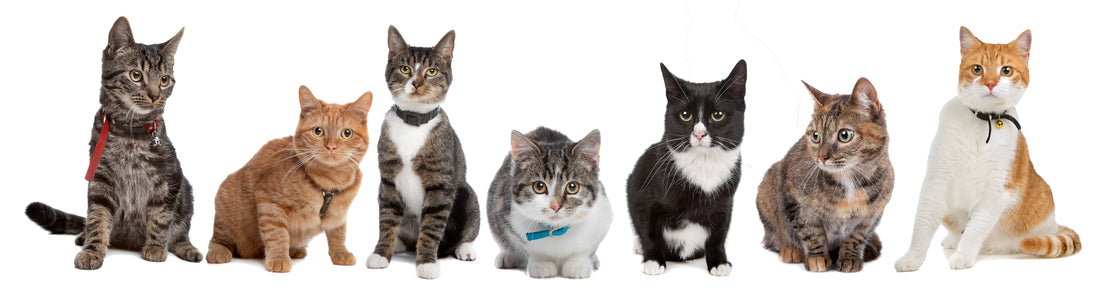
Credit: meowfia.us
Cat Breed Categories
Domestic cats come in many types, grouped into clear categories. These groups help us understand their origins and traits. Cat breed categories include pedigreed cats, non-pedigreed cats, and hybrid breeds. Each group has unique features and stories.
Pedigreed Cats
Pedigreed cats have documented family trees. These cats come from specific breeding programs. Their traits and appearance follow strict standards. Examples include the Siamese, Persian, and Maine Coon. Pedigreed cats often have unique looks and personalities.
Non-pedigreed Cats
Non-pedigreed cats are also called domestic or moggies. They do not have official breeding records. Their appearance varies widely. These cats are common pets worldwide. They often have mixed ancestry and diverse traits.
Hybrid Breeds
Hybrid breeds result from crossing domestic cats with wild species. This creates unique appearances and behaviors. Examples include the Bengal and Savannah cats. Hybrid breeds combine wild traits with domestic cat temperament. They need special care and attention.

Credit: www.youtube.com
Popular Cat Breeds
Popular cat breeds each have unique traits and charm. These cats often appear in homes worldwide. Their looks and personalities attract many cat lovers. Understanding these breeds helps choose the perfect pet.
Siamese
The Siamese cat is famous for its striking blue eyes. Its short coat shows a pale body with darker points on ears, face, paws, and tail. This breed is very vocal and social. Siamese cats enjoy being around people and are very playful.
Maine Coon
Maine Coons are one of the largest domestic cats. They have thick, long fur and bushy tails. Known for their friendly nature, they get along well with children and pets. Maine Coons are also very intelligent and curious.
Persian
Persian cats have long, luxurious coats and flat faces. They move slowly and prefer calm environments. This breed loves quiet and gentle handling. Persians require regular grooming to keep their fur clean and healthy.
Ragdoll
Ragdolls are large cats with soft, silky fur. They are known for their relaxed and gentle temperament. When picked up, they often go limp, like a ragdoll toy. This breed bonds closely with its owners and enjoys cuddling.
Rare And Exotic Breeds
Rare and exotic cat breeds capture the imagination of many cat lovers. Their unique looks and fascinating histories make them stand out from common breeds. If you are curious about some of the most unusual and striking domestic cats, these breeds might surprise you.
Sphynx
The Sphynx is instantly recognizable for its hairless body and large ears. Despite their unusual appearance, these cats are incredibly affectionate and love human company. Owning a Sphynx means you’ll need to give extra care to their skin, as they don’t have fur to protect them.
Bengal
Bengals look like miniature leopards with their spotted coats and muscular build. They are energetic and playful, often enjoying games that challenge their agility. If you want a pet that combines wild looks with a friendly personality, Bengals might be your perfect match.
Savannah
The Savannah cat is a cross between a domestic cat and a wild serval, giving it tall legs and striking spots. These cats are highly intelligent and curious, sometimes behaving more like dogs than cats. Before choosing a Savannah, consider their need for space and mental stimulation.
Kurilian Bobtail
Kurilian Bobtails have a distinct short, fluffy tail that looks like a pom-pom. They come from the Kuril Islands and are known for their strong hunting instincts. If you appreciate a breed that is both beautiful and skilled, the Kurilian Bobtail offers a unique blend of traits.
Breed Recognition Organizations
When it comes to domestic cats, breed recognition organizations play a crucial role. They set the standards for what defines each breed, ensuring consistency and quality. These organizations can impact which breeds are popular and even influence the development of new breeds.
Cfa Standards
The Cat Fanciers’ Association (CFA) is one of the largest and oldest cat breed registries in the world. Founded in 1906, the CFA recognizes 44 distinct cat breeds. Their standards focus on physical characteristics like coat, color, and body shape.
If you’ve ever wondered why a Persian cat looks so different from a Siamese, thank the CFA’s detailed standards. They ensure that each breed maintains its unique attributes. Have you ever attended a cat show? The CFA’s standards are often the guidelines for judging these feline beauty contests.
Tica Standards
The International Cat Association (TICA) is known for its inclusive approach. TICA recognizes more than 70 cat breeds, making it one of the most comprehensive registries. Unlike the CFA, TICA is more open to experimental and emerging breeds.
Thinking of breeding a new type of cat? TICA might be the organization to consider. Their standards emphasize not just physical traits but also temperament, offering a holistic approach to breed recognition. Ever noticed a cat with a unique color pattern? It might just be a TICA-registered breed.
Other Associations
Besides CFA and TICA, other organizations also play a significant role in breed recognition. The Fédération Internationale Féline (FIFe) and the Governing Council of the Cat Fancy (GCCF) are prominent in Europe. Each of these organizations has its own standards and recognized breeds.
Ever thought about how different regions prefer different breeds? These associations often reflect regional preferences and standards. If you’re traveling, you might encounter breeds that are rare in your home country but common elsewhere.
So, have you ever considered how these organizations shape your feline friends? Next time you meet a cat, think about the standards that define its breed. You might just see them in a whole new light.
Breed Count Variations
The number of recognized domestic cat breeds can vary quite a bit depending on where you look. Breed counts aren’t fixed because different cat organizations have their own standards and criteria. This means the total number you hear about often changes based on who you ask.
Differences By Organization
Major cat registries like The International Cat Association (TICA), Cat Fanciers’ Association (CFA), and Fédération Internationale Féline (FIFe) all maintain breed lists. But each has its own rules for recognizing breeds, which causes variation in counts.
- TICArecognizes around 73 breeds, including some hybrids and experimental breeds.
- CFAhas about 44 breeds, focusing more on established pedigrees.
- FIFelists around 48 breeds, with emphasis on European standards.
So, depending on the registry, you might see a breed included or missing. This can be confusing if you’re trying to find a specific type of cat or learn about breed diversity.
Newly Recognized Breeds
New breeds pop up as breeders develop cats with unique traits or colors. These cats often start as experimental breeds before gaining official recognition.
For example, the Toyger and the Lykoi were once rare and experimental, but now they have official status in some registries. Recognition often takes years and requires strict documentation and breeding standards.
If you’ve met a cat breed that seems unfamiliar, it might be one of these newcomers. Are you curious how many new breeds might appear in the next few years?
Controversial Breeds
Some breeds spark debate among experts and breeders. These controversies can arise from questions about the breed’s origins, genetic health, or even whether it should be considered a separate breed at all.
The Highlander cat, for example, has a unique look but isn’t accepted by all registries. Similarly, breeds like the Chausie, which is a hybrid between domestic cats and wild species, sometimes face recognition hurdles.
Do you think it’s better to include every unique cat type as a breed, or should there be strict standards to keep the list manageable and health-focused?
Traits Influencing Breed Classification
Traits influence how cat breeds are classified and recognized. These traits help experts group cats by shared features. Each breed has unique qualities that set it apart.
Breed classification depends on visible traits and genetic factors. Experts look closely at physical form, behavior, and DNA. These elements work together to define each breed clearly.
Physical Characteristics
Physical traits are the most obvious for breed classification. Coat length, color, and pattern matter a lot. Body shape, size, and ear shape also play key roles.
- Short or long fur
- Striped, spotted, or solid coat patterns
- Large or small body build
- Ear shapes like pointed or rounded
These traits help distinguish breeds like Siamese from Maine Coon or Persian cats. Physical features form the first layer of identification.
Behavioral Traits
Behavior is another key factor in breed recognition. Some breeds show unique activity levels or social habits. Personality can be calm, playful, or independent.
- Energy levels (active vs. relaxed)
- Social behavior (friendly or shy)
- Vocalization patterns
- Hunting or play styles
Behavior helps owners understand breed needs. It adds depth to breed profiles beyond looks.
Genetic Markers
Genetic testing has improved breed classification accuracy. DNA reveals inherited traits and breed origins. Specific genes link cats to certain breeds.
- Markers for coat color and pattern
- Genes controlling body size and shape
- Hereditary health traits
Genetic markers confirm breed purity and help discover new breeds. They provide a scientific basis for classification.
Choosing The Right Breed
Choosing the right breed of domestic cat matters a lot. Each breed has unique traits that suit different homes and lifestyles. Picking a breed that fits your daily life helps you and your cat be happy together. Consider how active you are, how much time you have, and what kind of care you can provide.
Lifestyle Compatibility
Some cats are very playful and need lots of attention. Others enjoy quiet time and small spaces. Think about your daily routine and living space. Busy homes may suit energetic breeds that enjoy playtime. Calm homes might be better for relaxed, low-energy cats. Also, consider if other pets or children live with you. Some breeds get along well with others. Some prefer to be the only pet.
Grooming Needs
Cat breeds vary in fur length and type. Long-haired cats need frequent brushing to avoid mats. Short-haired cats usually need less grooming. Some breeds shed a lot; others shed less. Grooming takes time, so choose a breed that matches your schedule. Grooming also helps spot health problems early. Regular care keeps cats clean and comfortable.
Health Considerations
Each breed has common health issues. Some breeds are prone to specific diseases. Knowing these helps prepare for future care needs. Choose a breed with health traits that suit your lifestyle. Regular vet visits are important for all cats. Good diet and exercise improve health and lifespan. Picking a healthy breed supports a long, happy life together.

Credit: www.youtube.com
Frequently Asked Questions
How Many Domestic Cat Breeds Exist Worldwide?
There are about 70 to 75 recognized domestic cat breeds worldwide. Different cat associations may list slightly varying numbers. Each breed has unique traits and histories.
What Defines A Domestic Cat Breed?
A domestic cat breed is defined by distinct physical traits and behaviors. Breeds are developed through selective breeding over generations. They share common ancestry but show unique characteristics.
Which Cat Breed Is The Most Popular?
The Siamese cat is one of the most popular breeds globally. Known for its striking blue eyes and vocal nature, it remains a favorite among cat lovers.
How Do New Cat Breeds Develop?
New cat breeds develop through selective breeding for desired traits. Breeders focus on appearance, temperament, and health. This process can take many years to establish a stable breed.
Conclusion
Domestic cats come in many unique breeds, each with its own charm. Knowing the variety helps you appreciate their differences. Some cats have long fur, others short. Colors and patterns vary widely. Every breed has special traits and needs. Choosing the right breed suits your lifestyle best.
Cats bring joy and comfort to many homes. Exploring breeds can be fun and rewarding. Remember, every cat deserves love and care.


Leave a Reply