Are you wondering when your kitten is ready to switch to adult cat food? Knowing the right time to make this change is important for your cat’s health and happiness.
Feed them too early, and they might miss out on vital nutrients. Wait too long, and you could be giving them more calories than they need. You’ll discover the ideal age to start feeding your cat adult food and how to make the transition smooth and stress-free.
Keep reading to give your furry friend the best start to a healthy life.
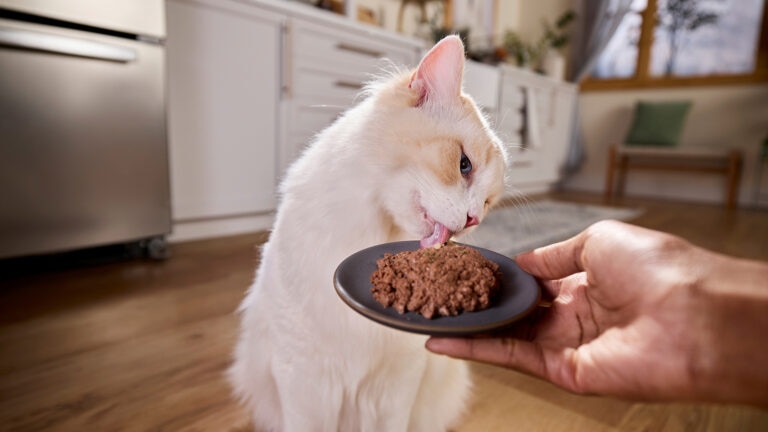
Credit: www.chewy.com
Kitten Growth Stages
Kittens grow fast during their first weeks of life. Understanding their growth stages helps you know when to change their diet. Each stage needs different care and food. This section explains the key growth stages of kittens and their feeding habits.
Newborn To Weaning
Kittens rely on their mother’s milk at this stage. It provides all nutrients needed for healthy growth. They cannot digest solid food yet. Their eyes open around 7 to 10 days old. By 3 to 4 weeks, they start to explore and play.
Transition To Solid Food
At about 4 weeks, kittens show interest in solid food. Start offering soft, wet kitten food alongside milk. Gradually reduce milk as they eat more solid food. By 8 weeks, most kittens eat solid food well. This stage is crucial for developing strong teeth and muscles.
Growth Milestones
- Week 1-2: Eyes and ears open, limited movement.
- Week 3-4: Begin crawling and socializing.
- Week 5-6: Improved coordination, start eating solid food.
- Week 7-8: Fully weaned, active and playful.
- Week 9-12: Rapid growth, muscle development, and learning.
Recognizing these milestones helps adjust food and care. Proper nutrition supports healthy adult cat development.
When To Switch To Adult Food
Knowing when to switch your cat from kitten food to adult food is important for their health and growth. Feeding adult food too early or too late can affect their nutrition and energy levels. Understanding the right time helps you support your cat’s development properly.
Typical Age Range
Most cats can start eating adult food between 9 and 12 months old. This range covers the period when kittens finish growing rapidly and reach a more stable weight. However, some cats may need to stay on kitten food a little longer if they are still very active or growing.
Think about your cat’s behavior during this time. Are they slowing down a bit? That might mean they’re ready for adult food. If you’re unsure, your vet can give you guidance based on your cat’s growth.
Signs Your Cat Is Ready
Watch for signs like a decrease in appetite for kitten food or less energetic play. If your cat seems full faster or starts ignoring their current food, it could be time to switch. Also, their teeth and digestive system mature, making adult food easier to handle.
Have you noticed your cat’s coat becoming shinier or their body filling out? These are subtle hints that their diet should change. Switching gradually over a week can help avoid stomach upset.
Breed And Size Considerations
Breed and size play a big role in when to switch to adult food. Larger breeds like Maine Coons may benefit from kitten food up to 18 months to support extended growth. Smaller breeds or average-sized cats often transition earlier.
Consider your cat’s unique needs rather than following a strict timeline. If you have a larger breed, ask your vet about the best feeding schedule. Your cat’s size could mean a different nutritional plan for longer growth support.
Choosing The Right Adult Food
Cats can start eating adult food around one year old. At this age, their growth slows, and they need different nutrients. Switching too early or late can affect their health and digestion.
Choosing the right adult food for your cat is a crucial decision that impacts their health and happiness. Cats typically transition to adult food around one year of age, but finding the best option for your feline friend involves more than just checking their age. It’s about understanding their nutritional needs, evaluating food types, and considering any special dietary requirements they might have.Nutritional Needs
Cats are obligate carnivores, meaning they require a diet rich in animal protein. Look for foods that list meat as the first ingredient. Essential nutrients like taurine, vitamins, and minerals are vital for their well-being. A balanced diet supports healthy skin, a shiny coat, and strong muscles. Check the nutritional label to ensure it meets the standards set by pet nutrition experts. Remember, the best food for your cat is one that keeps them energetic and satisfied.Wet Vs Dry Food
Deciding between wet and dry food can be a bit confusing. Wet food has higher moisture content, which can be beneficial for hydration. It often appeals to picky eaters due to its texture and aroma. On the other hand, dry food is convenient and helps maintain dental health. It can be left out for longer periods without spoiling. Consider mixing both to provide variety and balance, ensuring your cat gets the benefits of each type.Special Dietary Requirements
Some cats have unique dietary needs due to health conditions or allergies. If your cat has a medical condition, consult with a vet to find the right food. Options like grain-free or hypoallergenic diets might be necessary. Age, weight, and activity level also influence dietary choices. A senior cat might need a diet that supports joint health, while a more active cat may require extra calories. Tailor their diet to match their specific lifestyle and health needs. Choosing the right adult food for your cat involves more than just selecting a brand. It’s about understanding and catering to their unique needs. Are you ready to make an informed decision that keeps your feline friend purring with satisfaction?
Credit: www.tippaws.com
Transitioning Process
Switching your cat from kitten food to adult food is a key step. It needs care and patience. The transition should be smooth to avoid digestive problems and stress. Cats need time to adjust to new tastes and textures.
Starting too fast can cause upset stomachs or refusal to eat. A slow, steady change helps the cat accept the new diet. Watch your cat closely during this time. Notice any changes in behavior or health.
Gradual Food Introduction
Mix a small amount of adult food with the kitten food. Increase the adult food portion little by little over 7 to 10 days. This slow change helps the cat get used to the new flavor and texture. Keep the feeding schedule regular. Avoid sudden changes in the amount or type of food.
Monitoring Health And Behavior
Check your cat’s stool for any changes like diarrhea or constipation. Watch if your cat is eating normally or refusing food. Notice if your cat seems less active or uncomfortable. These signs could mean the transition is too fast or the food is not suitable. Consult a vet if problems persist.
Avoiding Common Pitfalls
- Do not switch food types overnight.
- Avoid mixing too many different foods at once.
- Don’t force your cat to eat adult food if it refuses.
- Keep fresh water available at all times.
- Do not ignore signs of digestive upset or allergies.
Expert Tips For Feeding
Feeding your cat adult food is a big step that requires attention to detail. Getting the timing and approach right ensures your cat stays healthy and happy. Here are some expert tips to help you make this transition smooth and effective.
Meal Frequency And Portions
Young cats need more frequent meals because of their fast metabolism. When shifting to adult food, adjust the number of meals gradually. Most adult cats do well with two meals a day, but watch your cat’s appetite and energy levels to decide what works best.
Portion control is crucial. Overfeeding can lead to weight gain, while underfeeding affects energy and health. Use the feeding guidelines on the food package as a starting point, then tailor portions based on your cat’s activity and body condition.
Hydration Importance
Dry adult food can be tempting to offer, but it’s easy to overlook your cat’s water intake. Cats often don’t drink enough water on their own. To prevent urinary and kidney problems, make sure fresh water is always available and encourage drinking by placing multiple water bowls around your home.
Consider adding wet food to your cat’s diet. It boosts hydration and offers variety. I noticed my cat became more energetic and less prone to urinary issues after I started mixing wet food with dry.
Consulting Your Veterinarian
Your vet is the best guide when switching your cat to adult food. They can recommend the right type based on your cat’s breed, weight, and health status. Don’t hesitate to ask about any concerns you have during the transition.
Regular check-ups help track how well your cat adapts to new food. If you see changes in weight, coat quality, or behavior, your vet can suggest adjustments quickly. Have you scheduled a vet visit before making a diet change?
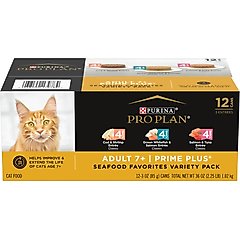
Credit: www.chewy.com
Frequently Asked Questions
When Can Kittens Start Eating Adult Cat Food?
Kittens can start eating adult cat food at about 12 months. Before this, they need kitten-specific food for growth and energy.
Why Switch Cats To Adult Food After One Year?
Adult cat food has balanced nutrients suitable for mature cats. It supports maintenance, unlike kitten food which promotes rapid growth.
Can I Feed Adult Food To Kittens Earlier?
Feeding adult food to kittens too early may cause nutrient deficiencies. Kitten food is specially formulated to meet their developmental needs.
What Are The Signs To Switch To Adult Cat Food?
When your cat reaches one year and shows stable weight, it’s time to switch. Consult your vet for personalized advice.
Conclusion
Cats usually start eating adult food around one year old. Before that, kitten food gives them the right nutrients. Switching too early can upset their stomach or slow growth. Watch your cat’s health and energy during the change. Always choose good quality food made for adult cats.
A smooth switch helps your cat stay happy and strong. Keep an eye on their weight and behavior after changing food. This simple step supports a long, healthy life for your pet.



Leave a Reply