Are you wondering if it’s okay to feed your 5-month-old kitten adult cat food? You want to give your furry friend the best nutrition, but it’s confusing to know what’s right at this stage.
Choosing the wrong food can affect your kitten’s growth, health, and energy. You’ll discover why your kitten’s diet matters so much and what you should consider before making the switch. Keep reading to make sure your kitten gets the care they truly deserve.
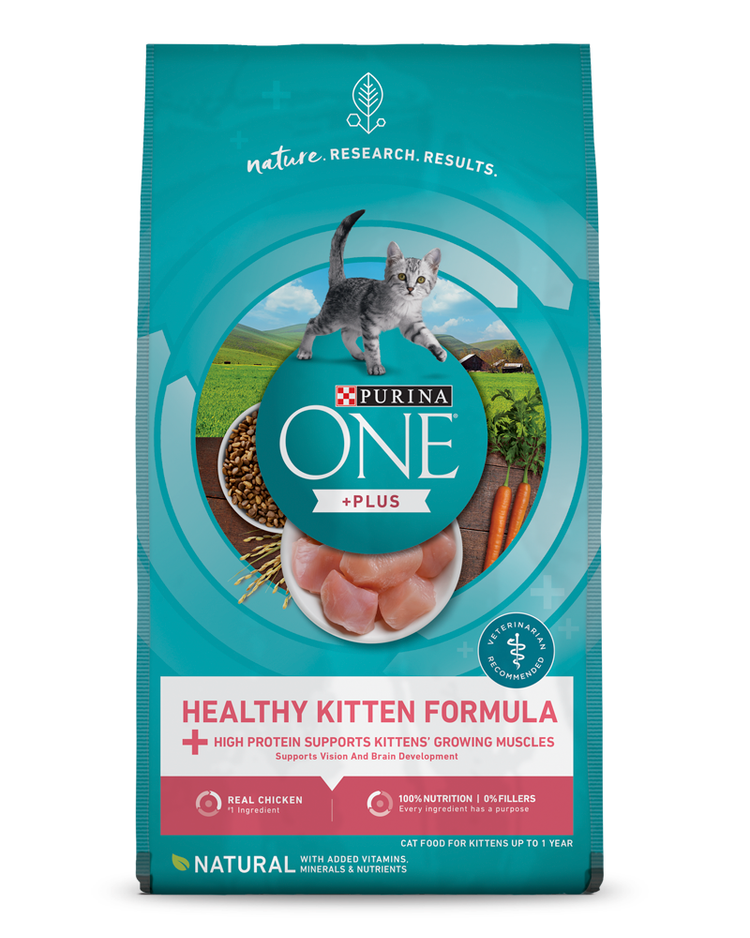
Credit: www.purina.com
Nutritional Needs Of Kittens
Kittens have special dietary needs that differ from adult cats. Their bodies grow fast and need more energy. Proper nutrition supports healthy bones, muscles, and organs. Feeding them the right food helps prevent health issues later. Understanding these needs is key for every kitten owner.
Growth Requirements
Kittens grow rapidly in the first six months. They need more calories than adult cats to fuel this growth. Their small stomachs require food that is rich and easy to digest. Frequent meals spread throughout the day keep their energy steady. Proper growth depends on a balanced diet tailored for young cats.
Key Nutrients For Development
- Protein:Builds muscles and repairs tissues.
- Fat:Provides energy and supports brain growth.
- Calcium and Phosphorus:Strengthen bones and teeth.
- Taurine:Essential for heart and eye health.
- Vitamins and Minerals:Boost immune system and overall health.
Kittens require higher levels of these nutrients than adult cats. Adult food may lack sufficient amounts for healthy growth. Feeding kitten-specific food ensures they get the right balance. This promotes strong development and long-term wellbeing.
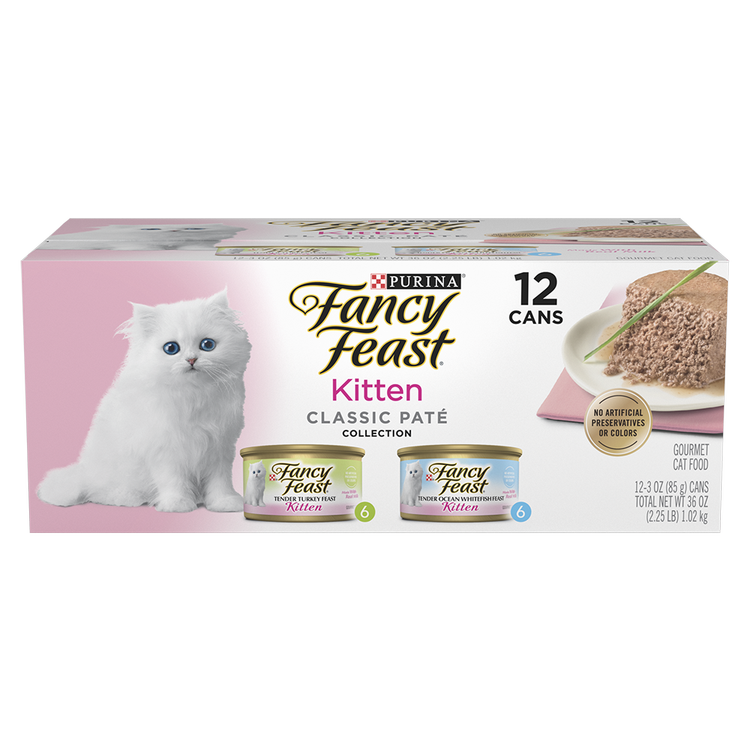
Credit: www.purina.com
Differences Between Kitten And Adult Cat Food
Understanding the differences between kitten and adult cat food is crucial before deciding what to feed your 5-month-old kitten. Kitten food is specially designed to meet the unique nutritional needs of growing cats, while adult cat food supports maintenance rather than growth. Feeding the right type of food ensures your kitten develops strong bones, muscles, and a healthy immune system.
Protein And Fat Content
Kitten food contains higher levels of protein and fat compared to adult cat food. Growing kittens need more protein to build muscles and support their rapid development. Fat provides essential energy to keep them active and supports brain growth.
Your 5-month-old kitten is still growing quickly, so feeding adult cat food with lower protein and fat might not give enough nutrients. Have you noticed how kittens seem to burn energy faster? That’s why their diet needs to keep up with their active lifestyle.
Caloric Density
Kitten food is more calorie-dense than adult cat food. This means each bite packs more energy, which your growing kitten needs to fuel its daily adventures. Adult cat food often has fewer calories because adult cats have slower metabolisms and require less energy.
If your kitten eats adult cat food, they might feel hungry more often or miss out on key nutrients. Think about how often your little cat asks for food—this can be a sign they need more calories than adult formulas provide.
Vitamin And Mineral Levels
Vitamins and minerals in kitten food are adjusted to support growth and development. Nutrients like calcium and phosphorus are higher to help build strong bones and teeth. Additionally, kitten food often contains extra DHA, an omega-3 fatty acid that supports brain and eye development.
Adult cat food may lack these elevated levels because mature cats don’t need them as much. Feeding your kitten adult food might slow their growth or affect their overall health. Have you checked the label to see if your kitten’s food includes these essential nutrients?
Risks Of Feeding Adult Food To Kittens
Feeding adult cat food to a 5-month kitten can cause nutrient gaps. Kittens need extra protein and fat for growth. Using adult food may slow their development and affect health.
Feeding your 5-month-old kitten adult cat food may seem convenient, but it poses several risks. Kittens have unique nutritional needs that differ significantly from adult cats. Failing to meet these needs can have long-lasting effects on their health and development.Potential Nutritional Deficiencies
Kittens require higher levels of protein, fat, and specific vitamins and minerals to support their rapid growth. Adult cat food is formulated for maintenance, not growth. It lacks the necessary nutrients like taurine and DHA that kittens need for brain development. Imagine your kitten missing out on these essentials. Over time, this could lead to deficiencies that compromise their immune system and overall vitality. Is that a risk you’re willing to take?Impact On Growth And Health
Feeding adult cat food to a kitten can impede their growth. Their bodies are in a critical phase of development. Without proper nutrition, they might not reach their full potential size or strength. Consider the long-term health implications. A poor start can set the stage for chronic issues like obesity or joint problems. Are you prepared for the potential vet bills and heartache? Opt for kitten-specific food to ensure your furry friend gets a healthy start. Investing in their nutrition now sets the foundation for a robust and lively future.
Credit: www.chewy.com
When To Transition To Adult Cat Food
Deciding when to switch your kitten from kitten food to adult cat food can feel tricky. The right timing ensures your furry friend gets the nutrients they need without missing out on essential growth support. Understanding the signs and age guidelines helps you make a smooth transition that benefits your kitten’s health and happiness.
Age Guidelines
Most vets suggest starting the transition around 9 to 12 months old. This timeline matches your kitten’s physical development, as their growth slows and their nutritional needs change. However, some larger breeds may benefit from kitten food a bit longer, up to 18 months.
Feeding adult cat food too early might leave your kitten short on vital nutrients like protein and calories. On the other hand, waiting too long could mean missing out on the benefits of a mature diet designed for maintenance rather than growth.
Signs Your Kitten Is Ready
Age is a helpful guide, but watching your kitten’s behavior and body can tell you a lot. Look for signs like a steady weight, less playtime hyperactivity, and a slowing growth rate. If your kitten seems full after smaller meals and has a healthy coat, they might be ready.
Have you noticed your kitten’s energy leveling off or their appetite becoming more predictable? These subtle changes often indicate it’s time to consider adult food. Transition gradually by mixing adult and kitten food to avoid digestive upset and help your cat adjust comfortably.
Tips For Switching Cat Food Safely
Switching your 5-month-old kitten from kitten food to adult cat food requires careful handling. Sudden changes can upset their delicate digestive system. Use a thoughtful approach to keep your kitten healthy and happy during this transition.
Gradual Transition Process
Start by mixing a small amount of adult cat food with your kitten’s current food. Gradually increase the proportion of adult food over 7 to 10 days. This slow change helps your kitten adjust to new flavors and nutrients without causing stomach issues.
Keep the texture consistent as much as possible. If your kitten is used to wet food, try blending wet adult food first before switching completely. This way, your kitten won’t reject the new diet due to unfamiliar texture.
- Begin with 75% kitten food and 25% adult food.
- Shift to 50/50 after a few days.
- Move to 25% kitten food and 75% adult food next.
- Finally, feed only adult cat food.
Monitoring Your Kitten’s Response
Watch your kitten’s behavior closely during the switch. Are they eating normally? Any signs of upset stomach like vomiting, diarrhea, or constipation need immediate attention.
Energy levels and coat condition also reveal how well your kitten is handling the new food. If you notice lethargy or dull fur, it might indicate nutritional imbalance or intolerance.
Ask yourself: Is your kitten as playful and active as before? If not, consider slowing down the transition or consulting your vet. Patience is key—your kitten’s health depends on it.
Consulting Your Veterinarian
Before switching your 5-month-old kitten to adult cat food, consulting your veterinarian is a crucial step. Your vet understands your kitten’s unique needs and can guide you through this transition safely. This ensures your kitten stays healthy and gets the right nutrients during this important growth phase.
Personalized Feeding Advice
Your kitten’s growth rate, weight, and activity level all affect their dietary needs. A vet can assess these factors and suggest the best food type and quantity for your kitten. They might recommend a gradual switch or even specific brands that suit your kitten’s digestion and preferences.
Have you noticed your kitten’s eating habits changing? Sharing this with your vet helps tailor feeding advice. Sometimes, subtle signs like picky eating or changes in energy can impact the feeding plan.
Addressing Health Concerns
Some kittens have health conditions that require special diets or supplements. Your vet will check for any allergies, digestive issues, or growth delays before approving adult cat food. Ignoring these concerns could lead to nutrient imbalances or worsen existing problems.
Imagine switching foods without knowing your kitten has a sensitive stomach—this could cause upset and stress. Your vet can spot these risks early and help you avoid them. Don’t hesitate to ask about monitoring your kitten’s health during the food transition to catch any issues fast.
Frequently Asked Questions
Can 5-month Kittens Eat Adult Cat Food Safely?
Feeding adult cat food to a 5-month kitten is not recommended. Kittens need higher protein and calorie content to support growth. Adult food lacks essential nutrients for kittens’ development. Use specially formulated kitten food until at least 12 months old for proper nutrition.
What Are Risks Of Feeding Adult Food To Kittens?
Adult cat food may cause nutritional deficiencies in kittens. It lacks sufficient calcium, protein, and fats needed for growth. This can lead to stunted development, weak immune systems, and poor bone health. Always choose kitten-specific diets to avoid these health risks.
When Can Kittens Switch To Adult Cat Food?
Kittens can transition to adult cat food around 12 months old. By then, their growth slows and nutritional needs align with adult cats. Gradually mix adult food with kitten food over 7–10 days to ease the change. Consult your vet for personalized advice.
Why Is Kitten Food Better Than Adult Cat Food?
Kitten food contains higher protein, fats, vitamins, and minerals essential for growth. It supports brain development, strong bones, and a healthy immune system. Adult cat food is formulated for maintenance, not growth. Feeding kittens adult food may hinder their overall development.
Conclusion
Feeding a 5-month kitten adult cat food is not ideal. Kittens need special nutrients for growth and health. Adult food may lack enough protein and vitamins. This can slow their development and affect energy. Choose food made for kittens to support their needs.
Consult a vet for the best feeding plan. Healthy food helps your kitten grow strong and happy. Small changes now make a big difference later. Keep your kitten’s diet balanced and nutritious. This helps ensure a long, healthy life.



Leave a Reply