
Have you ever wondered just how many cat breeds there were in 2017? If you’re curious about the variety of feline friends out there, you’re in the right place.
Whether you’re thinking about adopting a new cat or just love learning about these mysterious creatures, knowing the number of cat breeds can surprise you. Keep reading, and you’ll discover fascinating facts that might change the way you see your furry companion forever.
Your next favorite cat breed could be just a few lines away!
Cat Breed Count In 2017
The number of recognized cat breeds in 2017 reflects both the rich diversity and the evolving standards within the feline world. Understanding how many cat breeds existed then helps you appreciate the variety in appearance, personality, and care needs. It also shows how different organizations define and accept breeds, which can affect breeders, owners, and enthusiasts.
Global Breed Recognition
In 2017, the total number of recognized cat breeds worldwide was roughly between 40 and 70. This range depends largely on the country and the cat registries involved. Some breeds are recognized globally, while others remain local or are just gaining attention.
For example, the Siamese and Persian cats are almost universally accepted, whereas newer breeds like the Lykoi, sometimes called the “werewolf cat,” were just beginning to be recognized. This variation can be surprising if you think all cat breeds are the same everywhere.
Major Cat Associations
Different cat associations have their own lists and criteria for recognizing breeds. The Cat Fanciers’ Association (CFA) recognized 44 breeds in 2017, focusing on popular and established breeds in North America.
The International Cat Association (TICA) listed around 71 breeds, including experimental and newly developed ones. Meanwhile, the Fédération Internationale Féline (FIFe), a European-based body, recognized about 48 breeds, highlighting some that are region-specific.
- CFA:44 breeds
- TICA:71 breeds
- FIFe:48 breeds
Do you wonder why one association might list nearly twice as many breeds as another? It often comes down to how strict or open they are to new breeds and variations.
Differences In Breed Numbers
Breed counts differ because of varying standards and definitions. Some associations accept only breeds with a long history and stable traits, while others include emerging breeds still in development.
For example, the Bengal was widely accepted by 2017, but newer breeds like the Serengeti or Toyger were still gaining official recognition. This means you might see different numbers depending on which registry you check.
Understanding these differences can help you decide which breed fits your lifestyle or what to expect if you’re looking to adopt or show cats. Have you checked how your preferred breed is recognized across these organizations?
Credit: www.thewildlifediaries.com
Popular Cat Breeds
Popular cat breeds have always fascinated cat lovers and pet owners. Knowing which breeds are common and which are rare can help you find a cat that fits your lifestyle and personality. Whether you prefer a playful domestic shorthair or an exotic breed with unique looks, there’s a wide variety to choose from.
Top Domestic Breeds
Domestic cats are the most common pets worldwide. The American Shorthairis famous for its friendly nature and adaptability. The British Shorthairis another favorite, known for its plush coat and calm demeanor.
You may also find the Persianbreed popular for its luxurious fur and sweet temperament. Many owners appreciate these breeds for their easygoing attitude and suitability for indoor living.
Exotic And Rare Breeds
Some cat breeds are less common but highly sought after due to their unique appearance or personality traits. The Sphynxstands out with its hairless body and affectionate behavior. The Norwegian Forest Catoffers a thick, water-resistant coat perfect for colder climates.
Rare breeds like the Kurilian Bobtailbring a distinctive bobbed tail and energetic nature. Have you ever wondered how owning a rare breed might change your daily routine or interaction with your pet?
Breed Characteristics
Understanding breed characteristics can help you choose a cat that matches your home environment. For example, Siamese cats are vocal and social, needing lots of attention. Maine Coons are large and gentle, making them great for families with children.
Consider factors like grooming needs, activity level, and personality. This way, you’ll know if a breed requires extra care or if it fits your lifestyle perfectly.
Factors Influencing Breed Classification
Breed classification depends on traits like fur type, color patterns, and body shape. Different cat organizations use varied rules, causing breed counts to differ. Genetics and history also play key roles in identifying distinct cat breeds.
Understanding how cat breeds are classified involves various factors. Each factor plays a vital role. They help determine the uniqueness of each breed.Genetic Variations
Genetic variations influence breed classification. Different breeds have unique gene pools. These variations lead to distinct physical traits. Coat color, fur length, and ear shape vary. These traits help identify specific breeds. Breeders focus on maintaining these genetic traits. This ensures the purity of each breed.Regional Preferences
Regional preferences affect breed classification. People in different areas prefer certain breeds. Climate and culture play roles in these preferences. Some breeds adapt better to local climates. This influences their popularity in certain regions. Breeders may focus on breeds suited to their area.Breed Standards
Breed standards are guidelines for breed classification. They define ideal traits for each breed. Organizations set these standards. They include specific physical and behavioral traits. Standards help maintain breed consistency. Breeders follow these to ensure quality and authenticity. This helps in identifying and categorizing breeds accurately.
Credit: pngtree.com
How New Breeds Emerge
New cat breeds don’t just appear overnight. They develop through careful and sometimes creative efforts that shape specific traits and personalities. Understanding how these breeds emerge helps you appreciate the diversity in the feline world and the passion behind each unique type.
Selective Breeding
Selective breeding is the most traditional way new cat breeds come to life. Breeders choose cats with particular traits—like coat color, eye shape, or temperament—and mate them to emphasize those features.
This process takes patience because it often requires several generations to stabilize the desired traits. If you’ve ever seen a breed standard, you know how precise these traits need to be to qualify.
Hybrid Breeds
Hybrid breeds result from crossing domestic cats with wild cat species. These cats combine the exotic looks of wild cats with the temperament of house pets.
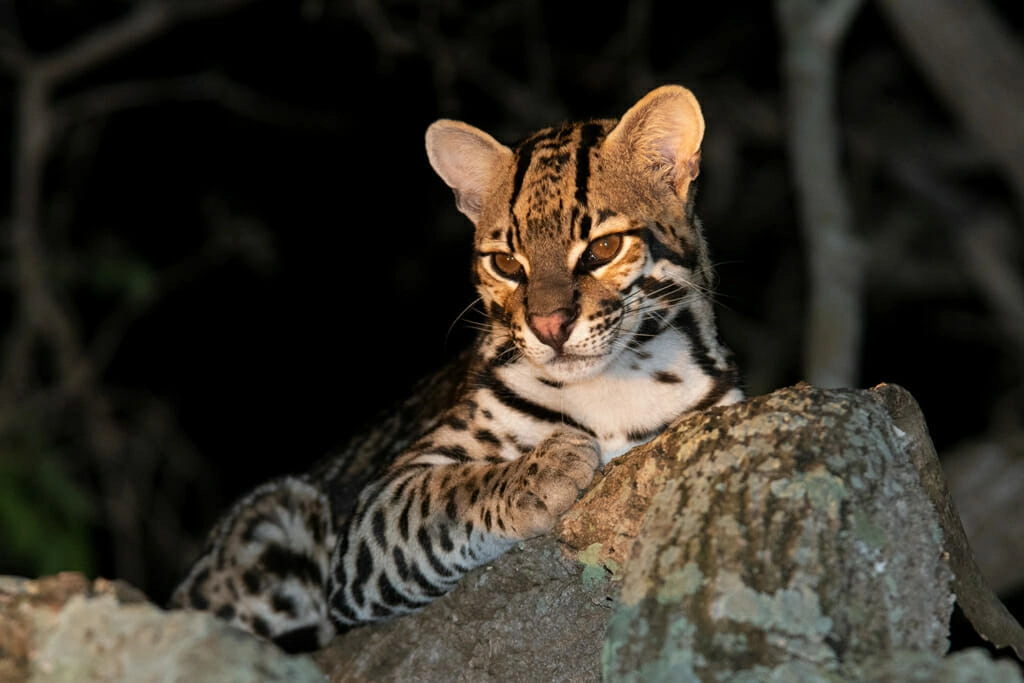
The Bengal cat is a famous example, bred by crossing an Asian leopard cat with a domestic cat. Do you think you’d enjoy having a pet with such a wild heritage?
Recognition Process
After breeders develop a new breed, it must be officially recognized by cat associations before it becomes part of the standard list. This involves documenting the breed’s characteristics and proving that the traits are consistent over generations.
Organizations like the Cat Fanciers’ Association (CFA) and The International Cat Association (TICA) have strict guidelines. Without their recognition, a breed remains unofficial, no matter how unique it is.
Breed Identification Tips
Identifying a cat’s breed can be tricky, especially since many cats share similar features. Knowing how to spot key traits can help you understand your feline friend better. These tips will guide you through recognizing breeds using physical characteristics, behavior patterns, and even modern DNA testing.
Physical Traits
Look closely at your cat’s size, coat pattern, and ear shape. For example, Siamese cats have a sleek body with a pointed color pattern and striking blue eyes. Maine Coons are larger with tufted ears and a thick, bushy tail.
Notice the coat length and texture too. Persian cats have long, fluffy fur, while the American Shorthair sports a dense, short coat. These differences can help narrow down the possibilities quickly.
Behavioral Traits
Each breed often has unique personality quirks. Siamese cats tend to be vocal and social, craving interaction. On the other hand, Russian Blues are known for their shy yet affectionate nature.
Think about your cat’s energy level and how it reacts to people. Is it playful and curious, or calm and reserved? These behavioral clues can give you insights beyond just looks.
Using Dna Testing
DNA tests for cats have become affordable and accurate. They can reveal breed composition even when physical traits are unclear. Ordering a simple kit online and collecting a cheek swab is easy and painless for your cat.
Results often include breed percentages and health markers. This information can deepen your understanding of your cat’s background and help you provide better care. Have you ever wondered what mix of breeds makes your cat unique?
Resources For Cat Enthusiasts
Finding reliable resources can make a big difference in how well you understand cat breeds and care for your feline friend. Whether you’re curious about rare breeds or want to connect with other cat lovers, the right tools can open up a world of knowledge and support. Here are some valuable resources to help you dive deeper into the fascinating world of cats.
Cat Breed Registries
Official cat breed registries keep detailed records of recognized breeds and their standards. Organizations like The International Cat Association (TICA) and the Cat Fanciers’ Association (CFA) offer comprehensive breed lists and descriptions.
These registries also provide updates on new breed recognition and show events. If you want accurate, up-to-date information about breed characteristics, they’re a great place to start. Have you checked if your cat’s breed is listed in one of these registries?
Online Communities
Joining online cat enthusiast communities can connect you with people who share your passion. Platforms like Reddit’s r/cats or specialized Facebook groups offer spaces to ask questions, share photos, and swap advice.
These communities are full of real experiences from cat owners worldwide. You can discover insights about breed quirks, health tips, and even find recommendations for breeders or shelters. How often do you engage with other cat lovers online?
Books And Guides
Books remain a trusted source for in-depth knowledge on cat breeds and care. Titles like “The Encyclopedia of the Cat” by Joan Miller provide detailed breed histories and care instructions.
Guides often include photographs and tips that help you identify breeds or understand their behavior better. If you prefer learning at your own pace, a good book or guide can be a perfect companion for your cat journey. Have you added a cat breed guide to your reading list yet?

Credit: www.thewildlifediaries.com
Frequently Asked Questions
How Many Cat Breeds Were Recognized In 2017?
In 2017, there were approximately 71 recognized cat breeds worldwide. Different cat associations may vary slightly in their counts.
Which Cat Breed Was Most Popular In 2017?
The Persian cat remained the most popular breed in 2017, known for its long fur and calm temperament.
How Are New Cat Breeds Classified By Associations?
Cat breeds are classified based on genetics, physical traits, and temperament by associations like CFA and TICA.
Did Any New Cat Breeds Emerge In 2017?
Yes, a few new breeds gained recognition in 2017, reflecting ongoing interest in feline diversity.
Conclusion
Cat breeds vary widely, with many unique types recognized by experts. Each breed has special traits and charms that make cats great pets. Knowing how many breeds existed in 2017 helps us understand cat diversity better. Cat lovers enjoy learning about these breeds and their differences.
Exploring cat breeds can bring joy and knowledge to anyone interested in felines. Whether you prefer fluffy, sleek, or playful cats, there is a breed for you. Discovering cat breeds remains a fun way to connect with these wonderful animals.




Leave a Reply