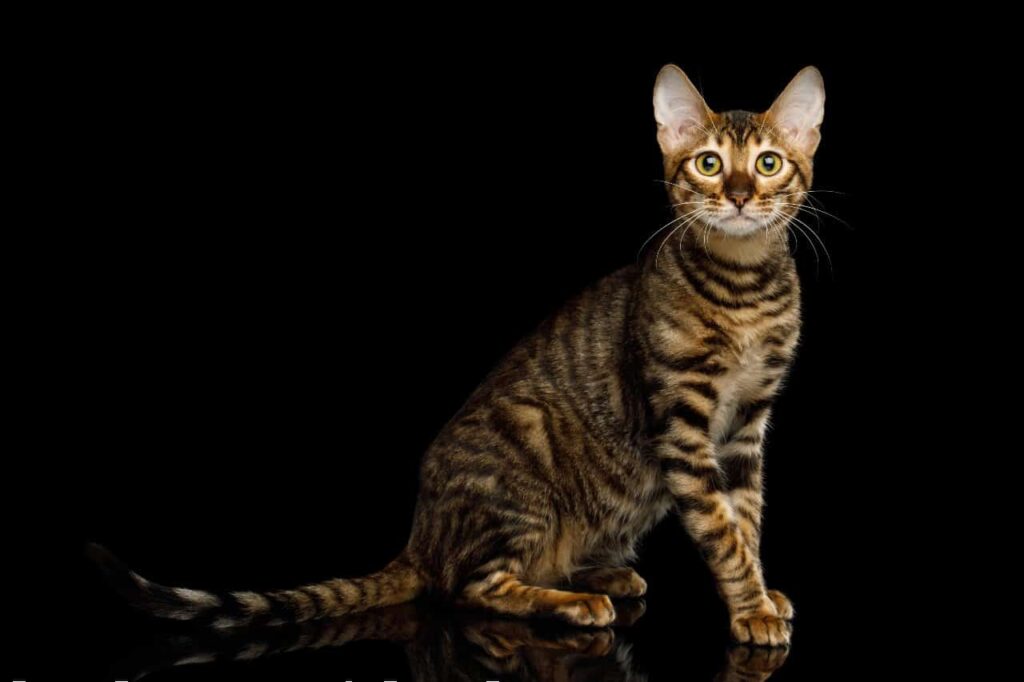
Have you ever wondered if there are toy cat breeds that can fit right into your lap like a living plush toy? If you’re looking for a feline friend that’s small, adorable, and full of personality, you’re in the right place.
Understanding which cat breeds truly qualify as “toy” can help you find the perfect companion that matches your lifestyle and space. Keep reading, and you’ll discover surprising facts and helpful tips that will make choosing your next cat an exciting and confident experience.
Credit: cats.com
Miniature Cat Breeds
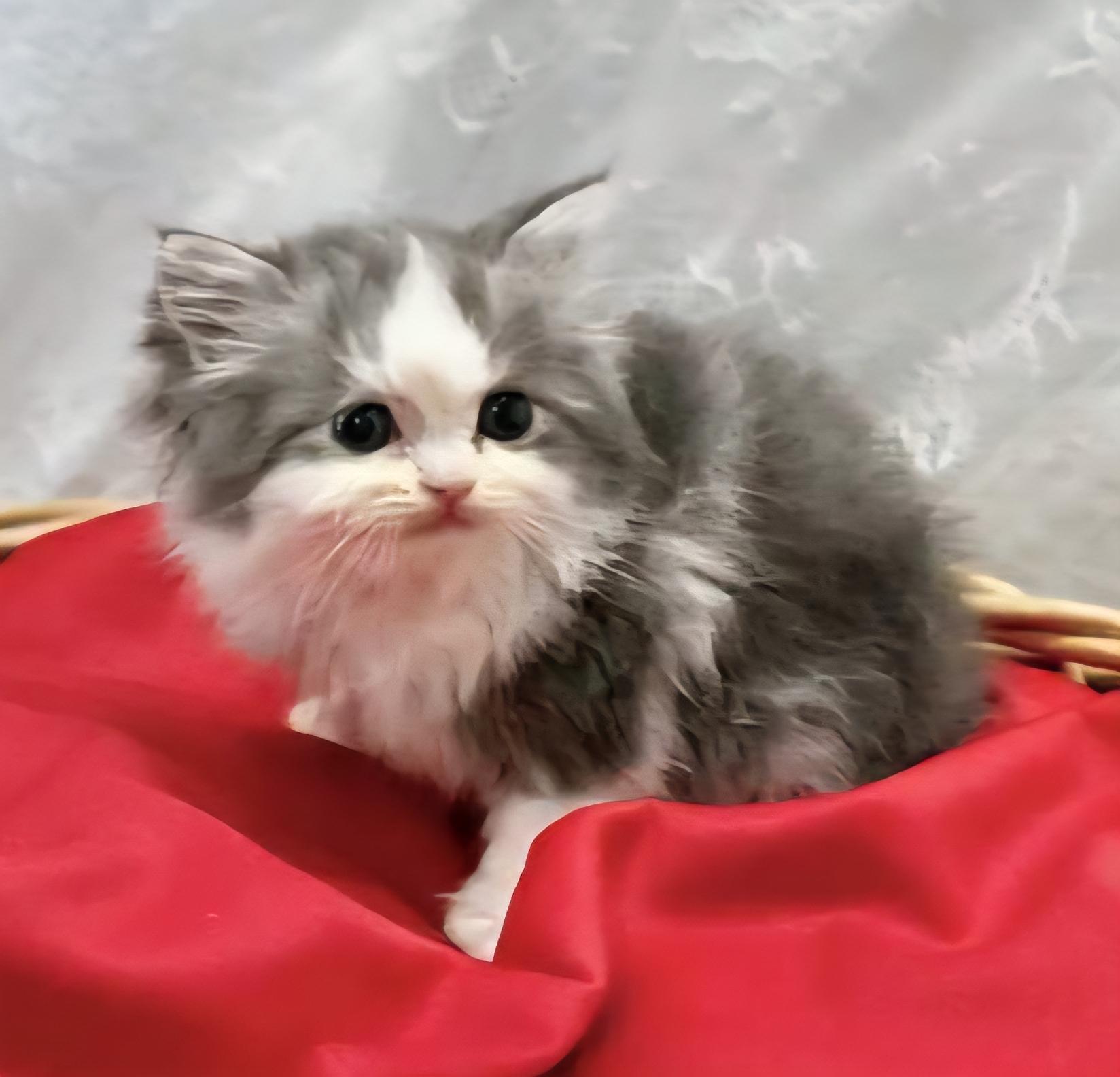
Miniature cat breeds are small-sized cats that resemble their larger relatives. They often have playful personalities and make great companions. These tiny felines fit well in small homes or apartments. Their small size does not mean less affection or charm. Many cat lovers adore these breeds for their cuteness and lively behavior.
Characteristics Of Toy Cats
- Small size, usually under 6 pounds
- Compact body structure with delicate features
- Playful and energetic temperament
- Friendly and social with humans and other pets
- Often have large eyes and ears, adding to their charm
- Require regular grooming depending on coat type
Popular Toy Cat Varieties
| Breed | Size | Temperament | Coat Type |
|---|---|---|---|
| Minskin | 3-6 lbs | Affectionate and playful | Short, sparse fur |
| Singapura | 4-8 lbs | Curious and gentle | Short, fine coat |
| Dwelf | 5-7 lbs | Friendly and active | Curly, short coat |
| Napoleon | 5-9 lbs | Sweet and calm | Medium to long fur |
Physical Traits
Physical traits play a big role in defining toy cat breeds. These tiny felines often surprise people with how much personality fits into their small frames. Understanding their size, weight, and coat variations helps you appreciate the diversity within these petite cats.
Size And Weight
Toy cat breeds are notably small, but their size can vary widely depending on the breed. Most of these cats weigh between 4 to 7 pounds, making them easy to handle and perfect for those who want a compact pet.
Take the Singapura, for example. It’s often called the smallest cat breed, with adults weighing as little as 4 pounds. This tiny size doesn’t mean they lack energy; they are surprisingly active and playful.
Have you noticed how some toy cats maintain a sleek and slender frame, while others are a bit more rounded? These differences in body type can influence your choice depending on your living space and lifestyle.
Coat Colors And Patterns
Despite their small size, toy cats show a wide range of coat colors and patterns. Their fur can be solid, spotted, striped, or even a mix of these, giving each cat a unique look.
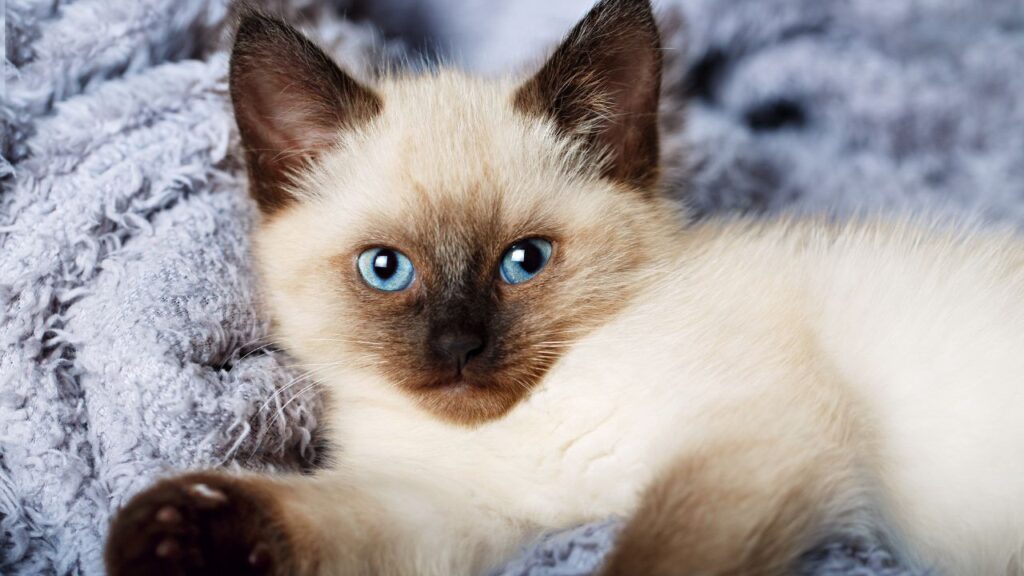
The Minskin, a popular toy breed, often sports a pointed pattern similar to Siamese cats, with darker colors on the ears, face, and tail. This contrast highlights their delicate features beautifully.
Coat texture also varies—some toy cats have short, smooth fur, while others might have a soft, plush coat. This affects grooming needs, so consider what fits your routine best.
Personality And Temperament
Toy cat breeds are small in size but big in personality. They captivate with their unique traits and charming behaviors. Understanding their personality and temperament is key to appreciating these delightful companions.
Playfulness
Toy cat breeds are known for their spirited playfulness. They love chasing toys and pouncing on shadows. Their energy level is high, and they enjoy interactive games.
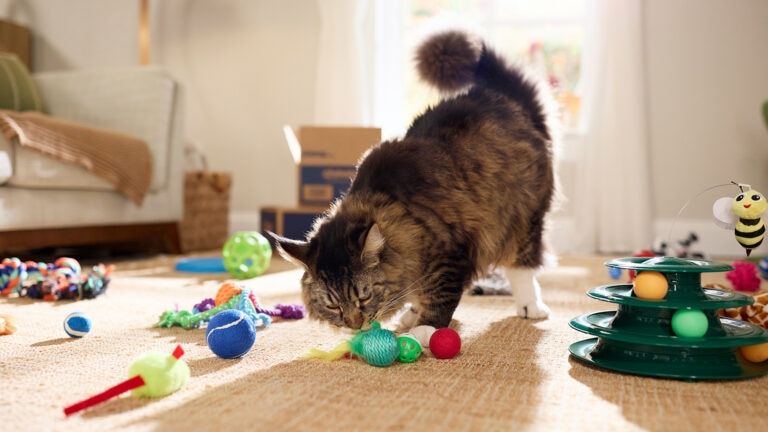
These cats often entertain themselves with simple objects. A piece of string or a crumpled paper ball can keep them engaged for hours.
Play sessions are essential for their happiness and well-being. They thrive on stimulation and enjoy exploring their surroundings with enthusiasm.
Affection Levels
Toy cat breeds are affectionate and love human interaction. They enjoy curling up on laps and snuggling during nap times.
Many of these breeds form strong bonds with their owners. They often follow their favorite person around the house, seeking attention and companionship.
These cats communicate their affection through purring and gentle head butts. Their loyalty and warmth make them endearing to families and individuals alike.
Credit: worldanimalfoundation.org
Care Tips For Small Cats
Small cats, including toy breeds, need special care to thrive. Their size makes them more delicate, so you must pay close attention to their daily needs. Understanding their unique requirements can help you keep your tiny feline friend healthy and happy.
Diet And Nutrition
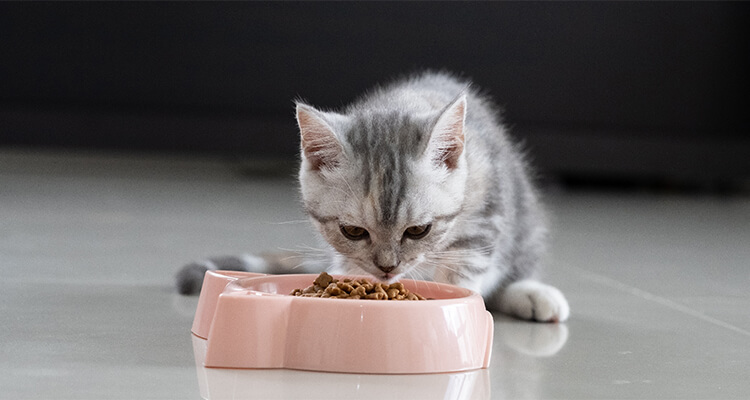
Small cats have faster metabolisms, so their diet should be rich in high-quality proteins and fats to keep their energy up. You might notice your cat prefers smaller, more frequent meals—this matches their natural eating habits better.
Choose cat food designed for small breeds or kittens, as it usually contains smaller kibble sizes and balanced nutrients. Avoid overfeeding; their tiny bodies can easily gain weight, which leads to health problems.
Have you checked if your cat enjoys wet food? It can help with hydration, especially if your cat isn’t a big drinker. Adding a bit of water or broth to dry food can also encourage more fluid intake.
Health Considerations
Small cats often face health challenges linked to their size, like dental issues or fragile bones. Regular vet visits are crucial to catch problems early before they become serious.
Pay attention to your cat’s behavior—changes in activity or appetite can signal health concerns. Keep their environment safe from high jumps or rough play that could lead to injuries.
Dental care is especially important. Small mouths mean teeth can get crowded or develop tartar quickly. Try brushing their teeth gently or offer dental treats to maintain oral health.
Choosing The Right Toy Cat
Choosing the right toy cat is about more than just picking a cute kitten. It’s about finding a companion that fits your daily habits and personality. Think about how a cat will blend into your life, not just how it looks on the outside.
Lifestyle Compatibility
Ask yourself what kind of home environment you have. Are you active or more relaxed? Do you work long hours or spend most of your time at home?
Toy cats often have high energy and need stimulation, but some breeds can be more laid-back. If you love playing and interacting, a playful breed might suit you. If you prefer quiet time and low maintenance, look for a breed known for calm behavior.
Also, consider your space. Small apartments or houses with limited room might benefit from a toy cat with a smaller activity range. If you have children or other pets, think about how the cat might get along with them. Your lifestyle shapes the kind of pet that will thrive with you.
Finding Reputable Breeders
Your choice of breeder impacts the health and temperament of your toy cat. Look for breeders who prioritize the well-being of their cats over quick sales. A reputable breeder welcomes your questions and offers health guarantees.
Visit the breeder’s facility if possible. See how the cats are raised and check if the environment is clean and nurturing. Ask for references and reviews from previous buyers to confirm their credibility.
Beware of breeders who cannot provide clear answers or rush you into a decision. A responsible breeder also informs you about the specific needs of the breed. This support can make a big difference in your experience as a new cat owner.
Credit: munchkinkittens.webflow.io
Frequently Asked Questions
What Are Toy Cat Breeds?
Toy cat breeds are small-sized domestic cats bred for their petite size. They are not a separate species but specific breeds known for their compact stature and playful nature.
Which Cat Breeds Are Considered Toy Cats?
Breeds like the Singapura, Minskin, and Dwelf are often called toy cats. These cats are notably smaller than average domestic cats, making them popular among enthusiasts.
Are Toy Cats Healthy Despite Their Size?
Generally, toy cats are healthy but may face breed-specific issues. Responsible breeding helps minimize health risks linked to their small size.
How Do Toy Cats Differ From Regular Cats?
Toy cats are smaller, lighter, and often have distinct features. Their size affects their behavior, requiring special care compared to regular-sized cats.
Conclusion
Toy cat breeds exist, but they are rare and unique. These cats are smaller than typical cats, with gentle and playful personalities. People often love their compact size and sweet nature. Choosing the right toy cat means learning about their care needs.
These cats need love, attention, and proper health care. Small size does not mean less personality or fun. They make great companions for many families. Think about your lifestyle before picking a toy cat breed. They bring joy and charm to any home.

Leave a Reply