Have you ever wondered how long humans have been breeding cats? Your curious mind might be surprised by the answer.
Cats have been part of our lives for thousands of years, but the way we have shaped their breeds is a fascinating story. Understanding this history can change how you see your furry friend and deepen your connection. Keep reading to discover the surprising journey of cat breeding and what it means for you and your pet today.
Origins Of Cat Domestication
The origins of cat domestication stretch back thousands of years, revealing a fascinating story of mutual benefit between humans and wild cats. Understanding how this relationship began helps you appreciate the deep bond we share with our feline companions today. It also sheds light on why cats have retained so many wild traits, even as beloved pets.
Early Human And Wild Cat Interactions
Long before cats became household pets, wild cats and humans crossed paths in shared environments. Early humans stored grain, which attracted rodents, and these rodents in turn attracted wild cats. This natural pest control created a win-win situation, encouraging cats to stay close to human settlements.
You might wonder how wild cats tolerated humans at all. Unlike dogs, cats were never fully tamed but rather gradually accepted humans as providers of food and shelter. This subtle relationship likely began around 9,000 years ago, during the Neolithic period.
Geographical Birthplaces Of Domestication
Scientists have traced the earliest signs of cat domestication to the Near East, particularly in areas that are now part of the Middle East. Ancient remains found in Cyprus, dating back about 9,500 years, suggest that cats were already living alongside humans there.
Other key regions include Egypt, where cats held a special cultural and religious status thousands of years ago. This geographical spread shows how domestication was not a single event but a gradual process occurring in multiple locations.
- Near East: Initial domestication linked to agricultural villages
- Cyprus: Early evidence of cats living with humans
- Ancient Egypt: Cats revered and widely kept as companions
Have you ever thought about how your cat’s ancestors might have roamed ancient fields, silently hunting pests for early farmers? This connection to history adds a unique perspective on your pet’s behavior and instincts today.
Credit: greensafaris.com
Ancient Civilizations And Cats
Humans have a long history with cats that dates back thousands of years. Ancient civilizations played a key role in domesticating cats and shaping their place in human society. These early cultures valued cats not just as pets but for many practical and spiritual reasons.
Cats In Egyptian Culture
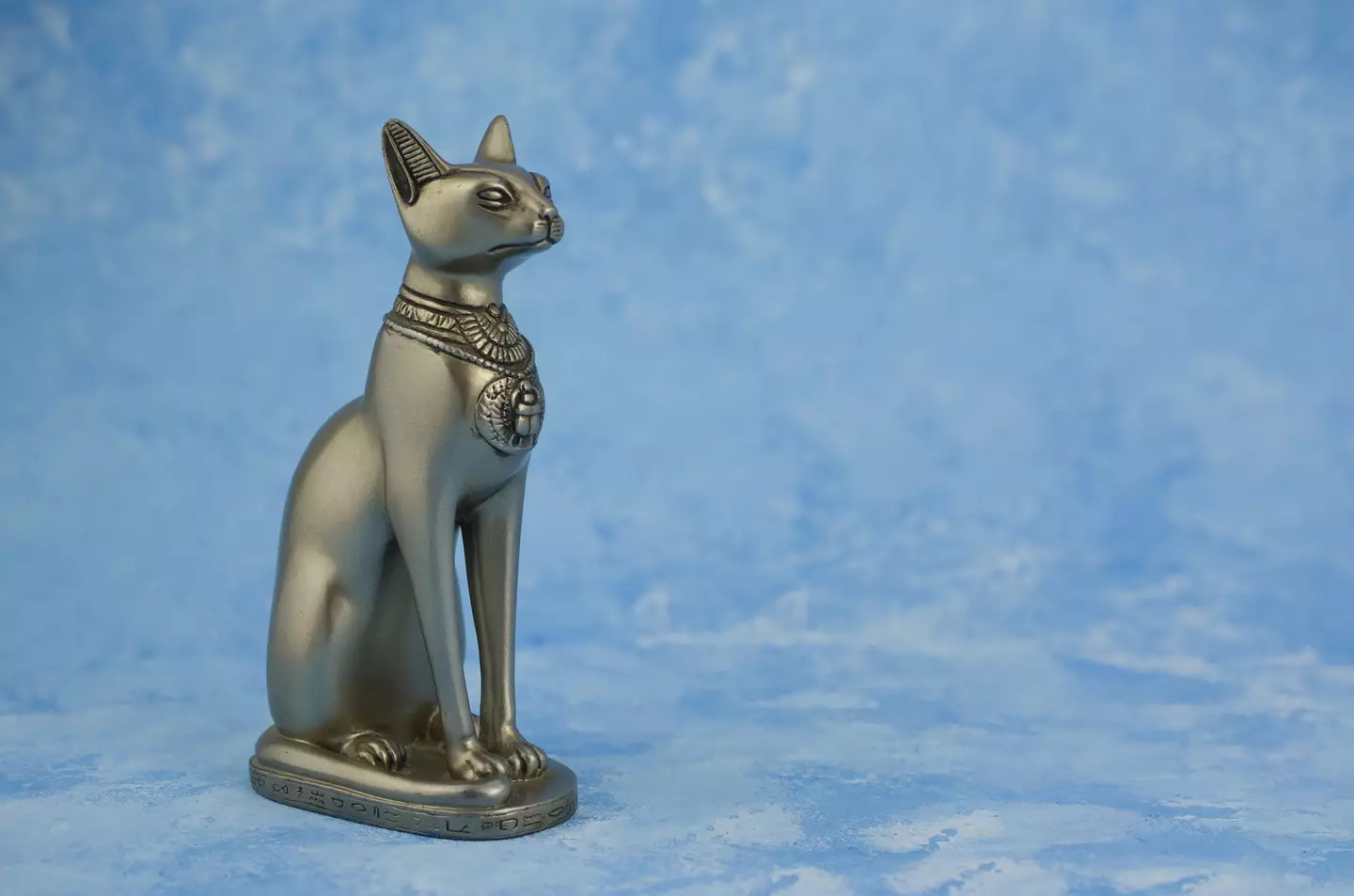
Egyptians held cats in high regard. They believed cats had magical powers and were protectors of the home. Cats were often seen in temples and tombs, symbolizing grace and mystery.
Many families kept cats to guard their food stores from pests. Killing a cat, even by accident, was a serious crime. Cats were sometimes mummified to honor their role in life and death.
Roles In Mesopotamia And Beyond
In Mesopotamia, cats helped control rodents, protecting grain supplies. They appeared in art and stories as symbols of protection and luck.
Other ancient cultures also valued cats for similar reasons. Traders and travelers often brought cats along to keep ships free of rats. This practical role helped cats spread across different regions.
Medieval To Renaissance Cat Breeding
Humans have been breeding cats since medieval times, shaping their traits and appearance. Early breeders focused on useful and charming qualities, leading to diverse cat breeds by the Renaissance. This long history shows how people valued cats beyond just pets.
The era from the Medieval to the Renaissance period marks a fascinating journey in the history of cat breeding. During this time, the role of cats evolved dramatically in European society. While cats were initially revered for their utility in controlling pests, this period saw the beginnings of selective breeding, laying the foundation for the diverse feline breeds we know today.Cats In European Society
Cats were initially celebrated for their practical role in keeping vermin at bay. In medieval Europe, a time plagued by rodents, cats were invaluable. They were often found in homes, barns, and ships, acting as natural pest control. However, their reputation was not always favorable. Superstitions led to periods where cats were associated with witchcraft. This duality of reverence and suspicion shaped their status in society. Despite this, cats managed to maintain their presence, becoming an integral part of the household.Selective Breeding Practices Begin
The Renaissance period sparked a shift towards more deliberate breeding practices. People began to notice distinct traits and started to favor cats with specific characteristics. This was the dawn of selective breeding, although still rudimentary by today’s standards. Breeders started focusing on traits such as coat color, patterns, and temperament. This curiosity and experimentation laid the groundwork for future breeding practices. It was a time of discovery, as breeders began to realize the potential of creating unique breeds. Have you ever wondered how your beloved pet’s lineage might trace back to these early practices? Understanding this history offers a deeper appreciation for the variety of cats we cherish today. As you look at your cat, think about the centuries of history and selective breeding that have shaped its unique features.
Credit: www.livescience.com
Modern Cat Breeding Emergence
The emergence of modern cat breeding marked a new chapter in human-cat relationships. People began to focus on creating and preserving specific traits in cats. This shift transformed cats from simple pets into distinct breeds with unique looks and personalities.
Selective breeding allowed enthusiasts to highlight qualities like coat color, pattern, and temperament. Breeders carefully chose which cats to mate, aiming to improve or fix certain features. This process laid the foundation for the variety of cat breeds known today.
Development Of Distinct Breeds
Modern cat breeding led to the creation of many unique breeds. Breeders isolated traits that made cats stand out. For example, the Siamese became famous for its striking blue eyes and slender body. The Persian gained popularity for its long, fluffy coat.
Each breed developed clear characteristics that set it apart. Breeders used careful record-keeping to track lineage and maintain breed standards. This work ensured that traits passed down through generations stayed consistent. Over time, dozens of cat breeds appeared worldwide.
Influence Of Cat Shows And Clubs
Cat shows played a vital role in shaping modern cat breeding. These events gave breeders a place to showcase their cats. Judges evaluated cats based on breed standards, rewarding the best examples.
Cat clubs formed to support breeders and promote breeds. They created official breed standards and registration systems. Clubs also educated the public about different breeds. This helped increase interest and respect for purebred cats.
The combination of shows and clubs encouraged breeders to improve their cats. It also built a strong community of cat lovers focused on preservation and care. This support continues to influence cat breeding today.
Genetic Studies On Cat Lineages
Genetic studies have transformed our understanding of how long humans have been breeding cats. By analyzing DNA, scientists can trace the origins and spread of domesticated cats across the world. These studies provide clear evidence that cat breeding is not a recent phenomenon but dates back thousands of years.
Tracing Ancestry Through Dna
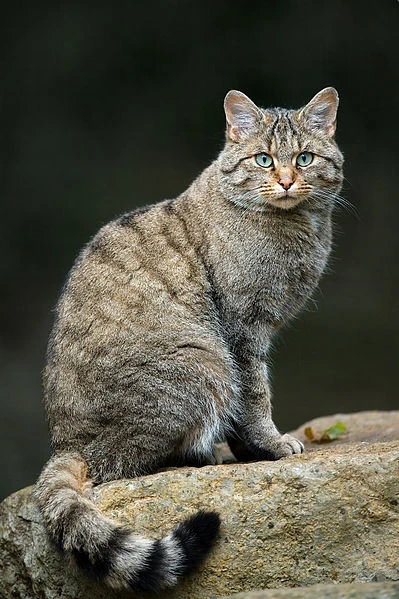
DNA analysis reveals that all domestic cats descend from the African wildcat, Felis silvestris lybica. Genetic markers help identify when cats first started living alongside humans, around 9,000 years ago in the Near East.
These studies also show how cat populations mixed as humans traveled and traded. You might be surprised to learn that some traits in your pet cat’s DNA link directly back to ancient cats from different regions. This genetic tracing helps build a timeline of cat domestication and breeding practices.
Impact On Breeding Decisions
Understanding cat genetics influences how breeders select mates to maintain or enhance specific traits. For example, genetic tests can identify potential health risks that may pass to kittens, helping you avoid long-term problems.
Breeders now use genetic information to preserve rare breeds and maintain diversity. This helps prevent the issues that arise from inbreeding, such as reduced vitality or inherited diseases.
Have you ever wondered how your cat’s unique features came to be? Genetics not only tells us the history but also guides better choices in breeding cats for health and character.
Credit: medium.com
Cultural Impact Of Cat Breeding
Cat breeding has shaped human culture for thousands of years. It influenced art, stories, and social beliefs. People admired cats for their beauty and mystery. Breeding helped create many unique breeds. These cats became symbols in different cultures worldwide.
The cultural impact of cat breeding goes beyond pets. It connects to history, creativity, and human values. Cats appear in paintings and books. They also represent various ideas and trends in society.
Cats In Art And Literature
Cats have inspired artists and writers for centuries. Ancient Egyptians painted cats as sacred animals. In medieval Europe, cats appeared in tapestries and stories.
Modern art shows cats in many styles. Writers use cats to add charm or mystery to tales. Famous authors like Edgar Allan Poe included cats in their work. Cats often symbolize independence and elegance in literature.
Symbolism And Popularity Trends
Cats symbolize different things in cultures worldwide. In Japan, the “Maneki-neko” cat brings good luck. In ancient Egypt, cats were linked to gods and protection.
Popularity of cat breeds changes over time. Some breeds become trendy due to movies or social media. People often choose breeds based on looks or personality. This affects which cats are bred more.
- Ancient symbolism helped cats become part of rituals.
- Different cultures see cats as lucky or magical.
- Modern trends influence the demand for specific breeds.
Future Trends In Cat Breeding
The future of cat breeding is shaping up with many changes. Breeders and cat lovers focus on health, appearance, and behavior. New ideas and tools are helping improve the breeding process. The balance between care and innovation is key. Let’s explore important trends in this field.
Ethical Considerations
Ethics play a big role in cat breeding today. Many breeders aim to avoid harming cats through poor practices. Protecting cats from genetic diseases is a top priority. Breeders choose mates carefully to keep cats healthy and happy.
Welfare laws influence how breeding happens worldwide. Some places limit the number of litters a cat can have. Others require health checks before breeding. These rules help ensure better lives for cats.
Respecting natural cat behavior is also important. Overbreeding or forcing traits can cause stress and health issues. Ethical breeders focus on kindness and responsibility in their work.
Technological Advances
New technology is changing how breeders select cats. DNA testing helps identify genetic risks early. This prevents passing on serious diseases to kittens. Technology also speeds up finding the best matches for breeding.
Artificial insemination is becoming more common. It allows breeding between cats far apart. This helps maintain diversity in cat breeds. Computer programs assist in tracking family trees and health records too.
Future tools may include gene editing to remove harmful traits. This raises questions about safety and ethics. Still, technology offers great potential for healthier cats.
Frequently Asked Questions
How Long Have Humans Been Breeding Cats?
Humans have been breeding cats for over 4,000 years. Evidence shows ancient Egyptians domesticated cats around 2000 BCE. Selective breeding began to enhance traits like temperament and appearance.
When Did Cat Domestication First Begin?
Cat domestication likely started about 9,000 years ago. Early farmers in the Near East tamed wildcats to control pests. This relationship gradually evolved into domestication.
Why Did Humans Start Breeding Cats?
Humans bred cats to control rodents and for companionship. Cats helped protect grain stores from pests. Over time, selective breeding enhanced desirable traits for pets.
What Breeds Originated From Early Cat Breeding?
Ancient breeding led to breeds like the Egyptian Mau and Siamese. These cats were prized for unique patterns and friendly nature. Modern breeds evolved from these early selections.
Conclusion
Humans have bred cats for thousands of years. This long history shows our strong bond with cats. Breeding helped create many cat breeds we see today. Each breed has unique traits and stories. Cats have been companions, hunters, and friends.
Their role in human life keeps growing. Understanding cat breeding helps us appreciate them more. It also shows how humans shaped animal traits. Cats and people share a special connection. This connection will likely continue for many years.

Leave a Reply