Have you ever wondered if your cat really enjoys the new toys you bring home? You might buy something colorful and exciting, only to see your furry friend ignore it completely.
It’s frustrating, right? Understanding what makes your cat curious and playful can help you choose toys they actually love. You’ll discover the surprising reasons behind your cat’s reaction to new toys and learn how to keep their interest alive. Keep reading—you might just unlock the secret to making playtime more fun for both of you!
Credit: www.mewoofun.com
Cats And Toy Preferences
Cats show unique preferences for toys, shaped by their instincts and personalities. Some cats eagerly explore new toys, while others stick to familiar favorites. Understanding these preferences helps keep cats happy and active. Toys that mimic prey or encourage natural behaviors often attract their attention quickly. But many factors affect whether a cat will enjoy a new toy or ignore it.
Factors Influencing Interest
- Age plays a key role. Kittens usually prefer active, moving toys.
- Older cats may like softer, quieter toys.
- Personality matters. Some cats are curious and adventurous.
- Others are shy and prefer simple, calm playthings.
- Past experiences shape preferences. Cats may avoid toys linked to bad memories.
- Texture and size affect attraction. Small, lightweight toys are easier to carry.
- Movement and sound can stimulate hunting instincts.
Common Favorite Toy Types
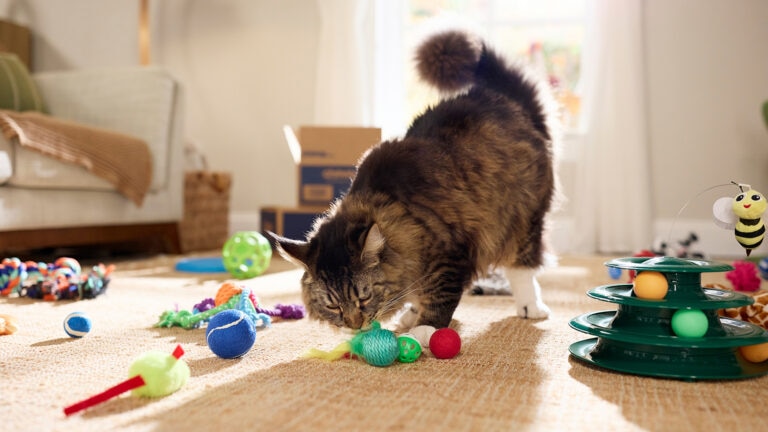
- Feather wands encourage jumping and chasing.
- Laser pointers spark intense interest and quick reactions.
- Soft stuffed mice satisfy the need to pounce and bite.
- Crinkle balls make enticing sounds and are easy to bat around.
- Interactive toys with unpredictable movement keep cats engaged longer.
- Catnip-filled toys often excite and stimulate play.
- Simple paper balls can be irresistible for spontaneous fun.
Why Cats May Ignore New Toys
Cats often ignore new toys for reasons linked to their natural behavior. They rely heavily on scent and texture to decide if something is interesting or safe. New toys may not have the familiar smells or feel that cats prefer. This can make them hesitant or uninterested in playing.
Scent And Familiarity
Cats use their noses to explore the world around them. A new toy often lacks the scent cats trust. Without familiar smells, cats might find the toy strange or even threatening.
Introducing a toy with your scent can help. Rubbing the toy with your hands or placing it near their bedding adds comfort. This scent makes the toy more inviting and less foreign.
Toy Texture And Size
Cats have preferences for texture and size in their toys. A toy that feels wrong in their paws or mouth might be ignored. Soft toys, rough textures, or very small items may not appeal to every cat.
Observing your cat’s favorite toys gives clues. Some cats like soft plush toys, while others prefer crinkly or rubbery textures. The size should be easy for them to carry or bat around.
Signs Your Cat Enjoys A Toy
Cats can be mysterious creatures, but they often express joy through play. Observing your cat’s interaction with a toy can reveal much about their feelings. Noticing specific behaviors and body language can help you understand if your feline friend is truly enjoying a new toy.
Play Behavior Indicators
Watch how your cat interacts with the toy. Does it pounce or chase? These are strong signs of engagement. A cat that paws or bats at a toy shows interest. Listen for playful noises, like chirping or purring. These sounds indicate happiness. Some cats may hide and then ambush their toy. This behavior suggests your cat is having fun.
Body Language To Watch
Observe your cat’s body language while playing. A relaxed posture often means comfort and enjoyment. Look for ears perked forward. This shows curiosity and focus. A flicking tail can signal excitement. Wide eyes usually mean your cat is alert and interested. If your cat carries the toy, it might be a prized possession. Watch for the ‘bunny kick’ with hind legs. This action signals intense play.
Credit: www.chewy.com
How To Introduce New Toys
Introducing new toys to your cat can be a fun experience, but it requires some thought to make sure your furry friend feels comfortable and interested. Cats are creatures of habit, and sudden changes might make them hesitant. Creating the right setting and using playtime smartly can help your cat embrace new toys with curiosity and excitement.
Creating A Positive Environment
Start by placing the new toy in a quiet, familiar spot where your cat likes to relax. Avoid overwhelming your cat with too many toys at once; introduce one toy at a time to keep their focus.
Keep distractions low—turn off loud noises and give your cat some undivided attention. You might notice your cat sniffing or pawing at the toy gently at first. This slow introduction helps build positive associations without pressure.
Have you tried offering treats near the new toy? This simple trick can encourage your cat to explore and feel safe around it.
Using Play Sessions Effectively
Use short and engaging play sessions to spark your cat’s interest. Try interactive play by moving the toy like prey—quick, small movements often attract a cat’s attention better than leaving the toy still.
Observe your cat’s reactions and adjust the play style accordingly. Some cats prefer chasing feather wands, while others enjoy batting at small balls. Matching the toy’s movement to your cat’s preference increases the chances they’ll enjoy it.
End playtime on a positive note by praising your cat or offering a favorite treat. This reinforces that new toys bring fun and rewards, making your cat more likely to return to the toy later.
Diy Cat Toys That Work
DIY cat toys bring joy to your furry friend and save money. Cats enjoy toys that move, make noise, or have interesting textures. Creating your own toys allows customization to suit your cat’s preferences. Many simple ideas use items already in your home. These toys keep cats active and mentally sharp. They also strengthen the bond between you and your pet.
Simple Household Items
Many household items become fun cat toys with little effort. Paper balls, bottle caps, and cardboard tubes excite cats. String or yarn can be turned into chase toys. Used socks filled with catnip make soft, fragrant toys. Small boxes provide hiding spots and play areas. These items are easy to find and replace. Cats love exploring new textures and shapes.
Safe Materials To Use
Safety matters when making cat toys at home. Avoid small parts that cats might swallow. Use non-toxic materials only. Cotton, felt, and soft fabrics work well. Keep away from sharp edges or loose strings that can cause harm. Natural catnip or silvervine can attract your cat safely. Always supervise your cat with new toys to prevent accidents.
Rotating Toys To Maintain Interest
Rotating your cat’s toys is a smart way to keep their interest alive. Cats can quickly get bored with the same toy lying around all the time. By switching toys regularly, you create a fresh play environment that encourages curiosity and activity.
Benefits Of Toy Rotation
Rotating toys helps prevent your cat from losing interest and becoming bored. It mimics the natural hunting experience, where prey isn’t always predictable or the same. This keeps their mind sharp and their body active.
Another benefit is reducing clutter. Instead of overwhelming your space with every toy at once, a few at a time keeps things tidy and manageable. It also makes each toy feel special and new when reintroduced.
Have you noticed how your cat suddenly ignores a toy after a day or two? By rotating, you avoid this problem and maintain their enthusiasm for playtime.
Scheduling Playtime
Set a schedule for switching out toys to build anticipation. For example, every two or three days, swap a couple of toys with ones stored away. This simple routine can make playtime more exciting for your cat.
Try pairing new or rotated toys with interactive sessions. Engage your cat with a wand toy or a laser pointer alongside the rotated toys. This not only strengthens your bond but also boosts their interest in the toys.
What time of day does your cat seem most playful? Matching toy rotation with their peak energy times can maximize engagement. Experiment with different schedules and observe what works best for your furry friend.
When To Replace Cat Toys
Knowing when to replace your cat’s toys is key to keeping playtime fun and safe. Cats may lose interest in old toys, but worn-out toys can also pose risks. Paying attention to certain signs helps you decide the right time to refresh their collection.
Signs Of Wear And Tear
Check your cat’s toys regularly for damage. Loose threads, missing parts, or torn fabric are clear indicators. If a toy is falling apart, your cat might swallow small pieces, which can be dangerous.
Notice if your cat seems bored with a toy. Sometimes, the wear isn’t physical but emotional. When they stop engaging, it might be time for something new to spark their interest again.
Safety Considerations
Safety should always come first when choosing to replace toys. Avoid toys with sharp edges, broken components, or exposed stuffing. Even small parts can become choking hazards.
Think about the materials too. Natural fibers often wear out faster but are safer to chew on. Plastic toys may last longer but inspect them closely for cracks or splinters that can harm your cat.
Have you ever noticed your cat chewing aggressively on a toy that’s falling apart? That’s a clear red flag to swap it out immediately. Keeping an eye on these factors ensures your cat stays happy and healthy while playing.

Credit: www.goodhousekeeping.com
Frequently Asked Questions
Do Cats Prefer New Toys Over Old Ones?
Cats often show interest in new toys due to novelty. However, some cats prefer familiar toys they trust. Rotating toys keeps cats engaged and prevents boredom. Observing your cat’s reaction helps identify their preferences effectively.
How Do Cats React To Different Types Of Toys?
Cats react uniquely to various toys like feathers, balls, or laser pointers. Toys that mimic prey usually excite their hunting instincts. Soft toys are comforting, while interactive toys stimulate mental activity. Experimenting with different types reveals your cat’s favorites.
How Often Should You Introduce New Toys To Cats?
Introducing new toys every few weeks maintains your cat’s interest. Frequent changes prevent boredom and encourage physical activity. However, too many new toys at once can overwhelm your cat. Balance novelty with familiar toys for optimal engagement.
Can New Toys Reduce Cat Boredom And Stress?
Yes, new toys can reduce boredom and stress by providing mental stimulation. Engaged cats are less likely to develop destructive behaviors. Toys encourage exercise, which supports overall health and happiness. Selecting interactive toys enhances these benefits.
Conclusion
Cats enjoy new toys in different ways. Some cats get excited and playful right away. Others may take time to explore and sniff first. New toys can keep cats active and happy. They help reduce boredom and stress in cats.
Watching your cat’s reaction is part of the fun. Remember, not every toy will be a favorite. Rotate toys to keep your cat interested. Giving your cat new toys shows care and love. Keep trying different types to find the best fit.
Playtime strengthens your bond with your furry friend.

Leave a Reply