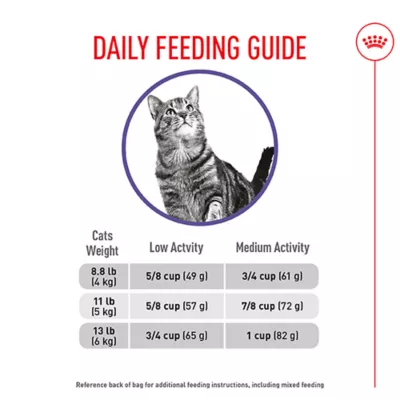
Are you unsure about how much dry food to give your adult cat? Feeding your feline friend the right amount is more important than you might think.
Too much can lead to weight gain and health problems, while too little might leave your cat hungry and unhappy. You’ll discover simple tips to find the perfect balance for your cat’s diet. Keep reading to learn how to keep your furry companion healthy, happy, and full of energy every day.
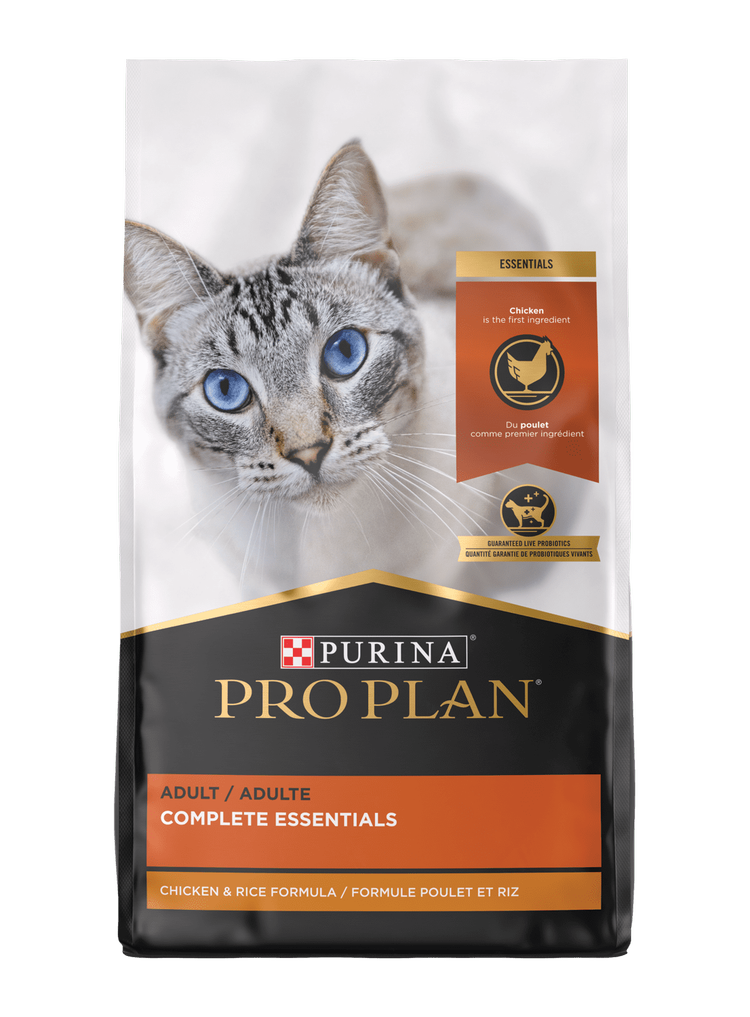
Credit: www.purina.com
Daily Calorie Needs
Understanding the daily calorie needs of an adult cat is essential for proper feeding. Cats require a specific amount of energy to maintain their body functions. Feeding the right calories helps keep your cat healthy and prevents obesity. Calories come from the food your cat eats, mainly dry or wet food. Calculating the correct calorie intake depends on various factors. These factors determine how much dry food you should offer daily.
Factors Influencing Calorie Requirements
Several elements affect a cat’s calorie needs. Age plays a role; younger adult cats may need more energy than older cats. Weight is important too. Overweight cats need fewer calories to lose weight. Body condition and health status also influence calorie needs. Neutered or spayed cats tend to have lower calorie requirements. Outdoor cats that roam and hunt may burn more calories. Indoor cats often require fewer calories due to less activity.
Activity Level And Metabolism
Activity level greatly affects calorie needs. Active cats burn more energy and need more food. Sedentary cats require fewer calories to avoid weight gain. Metabolism varies from cat to cat. Some cats naturally burn calories faster than others. This difference changes how much dry food they should eat. Monitoring your cat’s weight and energy helps adjust feeding amounts. A balanced diet and proper portion size ensure your cat stays fit and happy.
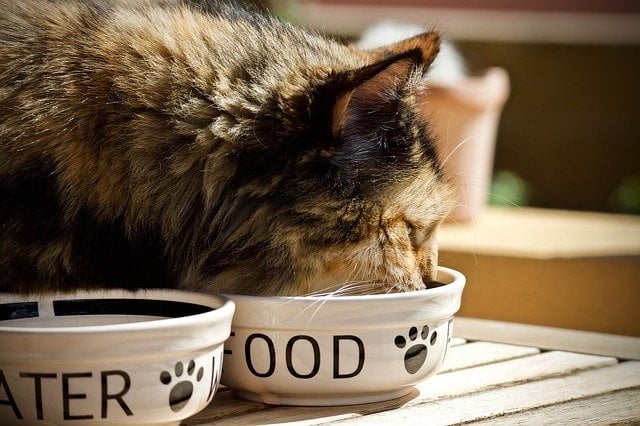
Credit: companion-vets.com
Reading Dry Food Labels
Understanding how to read dry food labels is essential for feeding your adult cat the right amount. Labels hold valuable information that can help you avoid overfeeding or underfeeding. Knowing what each section means can make a big difference in your cat’s health.
Calories Per Serving
Check the calories per serving to know how much energy your cat will get from the food. Cats need a specific number of calories daily based on their size, age, and activity level. If the label says 300 calories per cup, and your cat needs 600 calories daily, you know to feed about two cups.
Calories can vary a lot between brands and formulas. Don’t assume all dry foods have the same energy content. Always compare the calorie count before deciding the portion size.
Nutritional Information
Look for the percentages of protein, fat, fiber, and moisture. Cats are obligate carnivores, so protein is the most important nutrient to check. A high protein percentage supports your cat’s muscle health and overall well-being.
Fat provides energy, but too much can lead to weight gain. Fiber helps with digestion, so a moderate amount is good. Moisture content is usually low in dry food, so make sure your cat drinks enough water.
- Protein:Aim for at least 30% on dry matter basis.
- Fat:Around 10-20% is typical.
- Fiber:Should be under 5% for most cats.
- Moisture:Usually 8-10% in dry foods.
Have you ever noticed how some labels include feeding guidelines? These can be a helpful starting point but remember, every cat is different. Use these numbers as a guide, then adjust based on your cat’s weight and energy.
Calculating Portion Sizes
Feeding an adult cat the right amount of dry food depends on its weight and activity level. Check the feeding guide on the packaging and adjust portions to keep your cat healthy and happy. Monitor your cat’s weight regularly for the best results.
Calculating the right portion sizes for your adult cat’s dry food can seem daunting, but it’s an essential part of keeping your feline friend healthy and happy. Too much food can lead to obesity, while too little can leave your cat undernourished. Understanding how to measure the right amount of dry food is crucial for your cat’s well-being. Let’s explore how you can determine the optimal portion size.Using Weight To Determine Amount
The weight of your cat plays a significant role in calculating the correct portion size. A simple rule of thumb is that cats need about 20 calories per pound of body weight daily. If your cat weighs 10 pounds, they would require approximately 200 calories a day. Check the calorie content on your dry food’s packaging to see how much food equals 200 calories.Adjusting For Age And Health
Your cat’s age and health can also affect how much food they need. Older cats may require fewer calories, while younger, more active cats might need more. If your cat has health issues such as diabetes or kidney disease, you may need to adjust their food intake accordingly. Regular vet check-ups can provide guidance tailored to your cat’s specific needs. Have you noticed changes in your cat’s behavior or weight? This could be a sign to reassess their portion size. Always consider any changes in their activity level or overall health.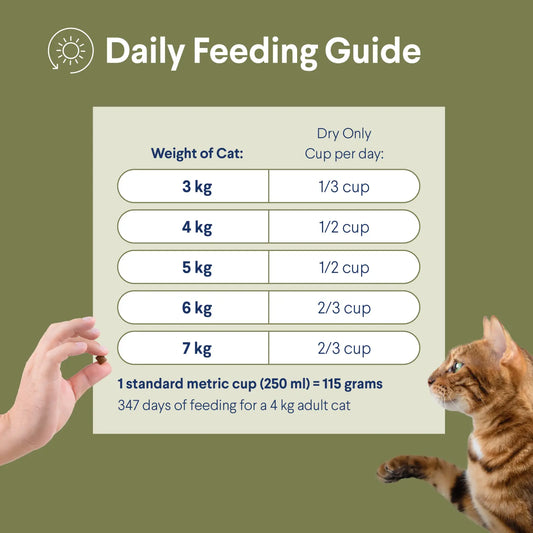
Credit: petfood.advancepet.com.au
Feeding Frequency
Feeding frequency plays a crucial role in managing your adult cat’s diet and overall health. How often you feed your cat can affect its digestion, energy levels, and weight. Understanding the best feeding schedule helps you control portions and avoid overfeeding.
Meal Times Versus Free Feeding
Meal times involve giving your cat food at specific intervals, usually two to three times a day. This method lets you measure the exact amount of dry food your cat consumes, making it easier to track their intake.
Free feeding means leaving dry food available all day for your cat to eat whenever they want. While it sounds convenient, this approach can lead to overeating and weight gain since cats may snack out of boredom.
Think about your cat’s personality. Does your cat self-regulate well, or do they tend to eat everything in sight? Your answer can guide whether meal times or free feeding suits your pet better.
Benefits Of Scheduled Feeding
Scheduled feeding helps maintain a healthy weight by controlling portion sizes. You can adjust the quantity based on your cat’s activity level and health needs.
This routine also supports better digestion because cats benefit from having predictable mealtimes. It can reduce begging behavior and prevent food-related anxiety.
By feeding your cat at the same times daily, you create a rhythm that supports their natural hunger cues. Have you noticed how your cat reacts when food isn’t served on time? This responsiveness can help you spot any health issues early.
Monitoring Cat’s Weight
Keeping an eye on your cat’s weight is key to feeding the right amount of dry food. Weight changes can tell you if you need to adjust portions or try a different feeding schedule. Regular checks help you catch issues before they become serious health problems.
Signs Of Overfeeding
- Rapid weight gain:If your cat starts looking rounder, especially around the belly, they might be eating too much.
- Decreased activity:Overfed cats often move less because extra weight makes them tired quickly.
- Difficulty feeling ribs:You should be able to feel your cat’s ribs with slight pressure. If you can’t, their weight is likely above healthy.
- Increased thirst and urination:Overfeeding can sometimes cause these signs, signaling possible early health concerns.
Have you noticed your cat’s food bowl empty faster than usual? It might be tempting to add more food, but watch closely—sometimes less is more.
Signs Of Underfeeding
- Visible ribs and spine:If your cat’s bones show prominently, they probably aren’t getting enough food.
- Loss of muscle mass:Your cat may look thinner and weaker, lacking the usual strength and agility.
- Lethargy or irritability:Hunger affects mood and energy, making your cat less playful and more withdrawn.
- Constant begging or scavenging:If your cat seems hungry all the time, it might be a sign you need to increase their portions.
I once underestimated how much my cat needed during a growth spurt. She became restless and seemed unhappy until I adjusted her food. Are you tuned in enough to catch these subtle clues?
Common Feeding Mistakes
Feeding an adult cat dry food sounds simple. Yet, many pet owners make mistakes that affect their cat’s health. These errors can cause weight gain, poor nutrition, or dehydration. Knowing common feeding mistakes helps keep your cat happy and healthy.
Ignoring Treat Calories
Treats add extra calories to your cat’s daily diet. Many forget to count these calories. A few small treats can add up quickly. This can lead to weight gain and poor nutrition balance. Treats should be given in moderation. Choose low-calorie options and reduce regular food portions accordingly.
Overlooking Water Intake
Dry food has little moisture. Cats eating mostly dry food need more water. Many cats do not drink enough water on their own. This can cause dehydration and urinary problems. Always provide fresh water near your cat’s feeding area. Consider adding wet food or water fountains to increase water intake.
Adjusting Portions Over Time
Feeding your adult cat the right amount of dry food is not a one-time task. Their needs evolve, and so should their portions. Watching your cat’s weight and energy levels regularly can help you decide when to adjust their food intake.
Seasonal Changes
Cats often eat differently depending on the season. During colder months, they may need extra calories to stay warm and active. You might notice your cat eating more in winter and less during hot summer days.
Have you ever observed your cat’s eating habits change as the weather shifts? Adjusting their portions according to the season can prevent unwanted weight gain or loss. Try increasing their food slightly in fall and winter and scaling back as spring and summer arrive.
Life Stage Transitions
Your cat’s nutritional needs change as they move through different life stages. Adult cats transitioning into senior years usually slow down and may need fewer calories. Conversely, a middle-aged cat experiencing increased activity might require more food.
When my cat reached seven years old, I noticed he was less active and gained weight quickly. I reduced his dry food portions gradually, which helped him maintain a healthy weight. Monitoring these changes helps you avoid overfeeding or underfeeding your furry friend.
Frequently Asked Questions
How Much Dry Food Should An Adult Cat Eat Daily?
An adult cat typically needs about 1/3 to 1/2 cup of dry food daily. This varies by weight, age, and activity level. Always check the feeding guidelines on the cat food package for precise measurements.
Can I Feed My Cat Only Dry Food?
Yes, cats can eat only dry food if it’s nutritionally complete. Ensure fresh water is always available to keep them hydrated. Consult your vet to confirm if dry food meets your cat’s dietary needs.
How Often Should I Feed Dry Food To My Adult Cat?
Feed your adult cat two to three times a day. Divide the daily recommended amount into smaller portions. This helps maintain energy levels and prevents overeating or obesity.
Does Dry Food Quantity Depend On Cat’s Weight?
Yes, dry food portions should match your cat’s weight and activity. Overfeeding can cause obesity, while underfeeding leads to malnutrition. Adjust portions based on your cat’s body condition and vet advice.
Conclusion
Feeding an adult cat the right amount of dry food keeps them healthy and happy. Watch your cat’s weight and energy for signs. Adjust food portions based on activity and age. Always provide fresh water alongside dry food. Consult your vet for specific feeding advice.
A balanced diet helps your cat live a long life. Simple steps make feeding easy and stress-free. Your cat will thank you with purrs and play.



Leave a Reply