
Have you ever wondered what makes your cat’s breed unique? Understanding how cat breeds are determined can give you a deeper connection with your furry friend.
It’s not just about looks—there’s a fascinating mix of genetics, history, and breed standards behind every whisker and paw. By knowing how experts classify and recognize different breeds, you’ll appreciate your cat even more. Keep reading, and you’ll discover the secrets that shape your cat’s identity.

Credit: www.youtube.com
Cat Breed Basics
Understanding cat breeds begins with knowing what exactly sets one breed apart from another. Cat breed basics involve more than just looks; they include specific traits and genetic backgrounds that define each breed’s uniqueness. Knowing these basics helps you recognize why your feline friend behaves or appears a certain way.
Traits That Define Breeds
Each cat breed is identified by a set of distinct traits. These traits include physical features like coat color, pattern, and fur length. Personality traits also play a role, such as whether the cat is typically playful, shy, or affectionate.
Breed standards often list these traits to maintain consistency. For example, the Siamese cat is known for its sleek body and striking blue eyes, while the Maine Coon stands out with its large size and tufted ears. Recognizing these traits helps you spot breed characteristics in everyday encounters.
Role Of Genetics
Genetics is the blueprint behind all cat breeds. The genes inherited from parent cats determine the breed-specific traits you see. This explains why kittens from the same litter can sometimes look very different if the parents carry diverse genetic backgrounds.
Genetic testing can now confirm a cat’s breed or mix. This insight can be useful if you want to understand health risks or behavioral tendencies linked to certain breeds. Have you ever wondered why some cats are more prone to certain illnesses? The answer often lies in their genes.
Breed Identification Techniques
Identifying cat breeds involves various techniques. These help experts and cat lovers know a cat’s origins and traits. Breed identification is not always simple. Some cats share similar looks or behaviors. Using multiple methods improves accuracy. Here are common techniques used to determine cat breeds.
Physical Characteristics
Physical traits are the first clues to a cat’s breed. Experts observe body shape, size, and fur type. Patterns and colors also matter. Eye shape and ear position provide hints. For example, Siamese cats have slender bodies and blue eyes. Maine Coons are large with thick fur. These visible features help narrow down breed options quickly.
Behavioral Patterns
Cats show unique behaviors linked to their breeds. Some breeds are more active or social. Others prefer solitude or are shy. Vocalization style can differ too. For instance, Siamese cats are talkative and playful. Persian cats tend to be calm and gentle. Observing behavior adds another layer to breed identification.
Dna Testing
DNA testing offers precise breed identification. This method analyzes genetic markers in a cat’s blood or saliva. It reveals breed mix and ancestry. Results are often detailed and reliable. DNA tests help especially with mixed-breed cats. They provide clear answers beyond looks and habits.
Role Of Cat Registries
Cat registries play a vital role in determining cat breeds. They set the standards for what defines a particular breed. These organizations ensure consistency and quality among breeds worldwide. They help maintain the unique characteristics of each breed. Understanding their role helps in appreciating the diversity in cats.
Breed Standards
Breed standards are guidelines set by cat registries. They describe the ideal appearance and behavior of a breed. This includes coat color, size, and temperament. Standards help breeders maintain consistency in their cats. They ensure each breed’s unique traits are preserved.
Registration Process
The registration process is crucial in recognizing a cat’s breed. Breeders submit detailed information about a cat’s lineage. This data is reviewed by the registry. After approval, the cat receives official recognition. This process helps track and maintain breed lineage accurately.
Expert Methods In Breed Determination
Expert methods in breed determination rely on knowledge and scientific tools. Professionals use various approaches to identify a cat’s breed accurately. These methods combine observation, experience, and technology.
Veterinarian Insights
Veterinarians study a cat’s physical traits and health records. They compare these features to known breed characteristics. Vets also consider behavior patterns linked to certain breeds. Their medical knowledge helps spot breed-related health issues. This insight supports accurate breed identification.
Breeder Expertise
Breeders have deep understanding of specific cat breeds. They examine traits like coat color, pattern, body shape, and size. Breeders use breed standards set by cat organizations. Their experience with lineage and breeding history aids in determination. This hands-on knowledge is valuable for recognizing breeds.
Geneticist Contributions
Geneticists use DNA testing to identify a cat’s breed. They analyze genetic markers linked to different breeds. This method offers precise and scientific breed classification. Genetic testing can reveal mixed or rare breed backgrounds. It complements traditional observation and expert knowledge.
Common Misconceptions About Breeds
Many people have wrong ideas about cat breeds. These misunderstandings often cause confusion about what makes a cat a certain breed. Learning the truth helps in understanding cats better. It also guides in choosing or caring for them properly.
Mixed Breeds Vs Purebreds
Some think mixed breed cats are less special than purebreds. Mixed breeds come from parents of different breeds. Purebreds have parents of the same breed for many generations. This shows in their appearance and behavior. But both types can be loving and healthy pets.
Purebreds often have specific traits. Mixed breeds may have a mix of features. Neither is better; they just have different backgrounds. Every cat deserves care and attention no matter the breed.
Appearance Vs Genetics
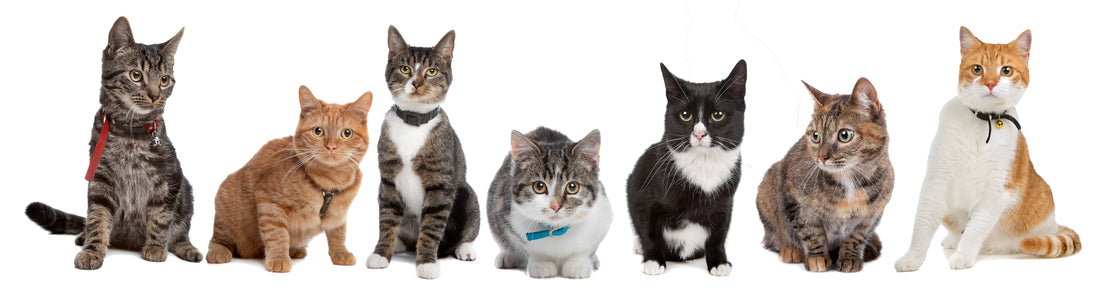
Many believe looks tell the whole story about a cat’s breed. A cat may look like a certain breed but not have the genes. Genetics determine a cat’s true breed identity. Appearance can be misleading because of mixed traits.
Breed is about inherited traits from ancestors, not just looks. DNA tests are more accurate than appearance alone. Knowing this helps avoid wrong assumptions about cats based on how they look.
Credit: meowfia.us
Future Of Breed Identification
The future of cat breed identification is moving beyond simple visual traits and pedigree papers. New tools and technologies are changing how we understand and classify breeds, making the process more precise and accessible. This shift promises to help you discover your cat’s heritage with greater confidence and ease.
Advances In Genetic Testing
Genetic testing has become a game-changer in breed identification. By analyzing your cat’s DNA, these tests reveal specific breed markers that might not be visible to the naked eye.
You might be surprised to learn that many cats carry mixed ancestry, and genetic tests can show you all the breeds involved. This helps clarify breed mysteries and even detects health risks tied to certain breeds.
Many companies now offer affordable and quick DNA test kits that you can use at home. Have you ever wondered what your cat’s true lineage is? These tests make finding out easier than ever before.
Impact Of Technology
Technology is also enhancing breed identification through apps and AI-powered image recognition. You can simply upload photos of your cat, and the software suggests possible breeds based on patterns and features.
This tech helps both casual cat lovers and breeders by providing instant insights without needing expert knowledge. It also supports rescue organizations in identifying mixed-breed cats more accurately.
- Smartphone apps analyze fur patterns and body shapes
- Databases grow with user-submitted cat images
- AI learns continuously to improve accuracy
Imagine having a tool that can tell you about your cat’s breed just from a snapshot. How would that change the way you care for or even talk about your feline friend?

Credit: www.toe-beans.com
Frequently Asked Questions
What Factors Determine Different Cat Breeds?
Cat breeds are determined by genetics, physical traits, and lineage. Breeders select specific traits like coat color, size, and temperament. Breed standards set by cat associations guide classification. Genetic testing also helps identify breed origins and characteristics accurately.
How Does Genetics Influence Cat Breed Identification?
Genetics play a crucial role in defining cat breeds. Unique gene combinations result in specific coat patterns and physical features. Breeders use genetic markers to confirm breed purity. Genetic diversity within breeds affects health and appearance traits.
Can Coat Patterns Define A Cat’s Breed?
Yes, coat patterns help identify many cat breeds. Patterns like tabby, solid, or pointed are breed-specific. However, some breeds share similar patterns, so other traits are also considered for accurate identification.
What Role Do Cat Registries Play In Breed Determination?
Cat registries establish breed standards and maintain pedigree records. They verify and recognize new breeds through strict evaluation. Registries ensure breed consistency and promote responsible breeding practices worldwide.
Conclusion
Cat breeds depend on traits passed down from parents. Experts study size, color, and behavior to classify them. Genetics play a big role in how cats look and act. Breeders choose specific traits to keep breeds pure. Understanding breed differences helps us appreciate our feline friends more.
Each cat breed has its own unique story. Knowing this makes owning cats even more special. Keep exploring to learn about more fascinating cat facts.


Leave a Reply