Grooming your cat might seem like a simple task, but it’s more important than you think. Proper grooming keeps your furry friend healthy, happy, and looking their best.
If you’ve ever wondered how to groom a cat without stress or scratches, you’re in the right place. This guide will show you easy steps to make grooming a smooth and even enjoyable experience for both you and your cat.
Keep reading to discover tips that can save you time, avoid common mistakes, and strengthen the bond with your pet.
Choosing The Right Grooming Tools
Choosing the right grooming tools for your cat helps keep their coat clean and healthy. Proper tools make grooming easier and more comfortable for both you and your cat. Different cats have different needs, so select tools that match your cat’s coat type and grooming habits.
Brush Types For Different Coats
Brushes vary based on hair length and texture. Use the right brush to prevent tangles and reduce shedding.
- Bristle Brush:Best for short-haired cats. It removes loose fur and dirt gently.
- Slicker Brush:Ideal for medium to long-haired cats. It helps detangle mats and remove dead hair.
- Comb:Useful for fine or long hair. It catches small knots and debris.
- Deshedding Tool:Works well for heavy shedders. It reaches undercoat to reduce shedding.
Selecting Nail Clippers And Other Essentials
Trim your cat’s nails safely with the right clippers. Sharp, comfortable clippers prevent splitting and pain.
- Scissor-Style Clippers:Good for precise cuts and control.
- Guillotine Clippers:Easy to use for quick trimming.
- Nail File or Grinder:Smooths rough edges after clipping.
- Grooming Wipes:Clean your cat’s face and paws between baths.
- Styptic Powder:Stops bleeding from accidental nail cuts.

Credit: www.youtube.com
Preparing Your Cat For Grooming
Preparing your cat for grooming helps make the process smooth and stress-free. Cats are sensitive to new experiences. Taking time to prepare them improves their comfort and cooperation. This step sets the foundation for successful grooming sessions.
Creating A Calm Environment
Choose a quiet place with few distractions. Soft lighting helps reduce stress. Keep noises low and avoid sudden sounds. Gather all grooming tools before starting. This prevents interruptions that may startle your cat. A calm setting helps your cat feel safe and relaxed.
Getting Your Cat Comfortable
Let your cat explore the grooming area first. Use gentle petting to build trust. Speak in a soft and soothing voice. Offer treats to create positive feelings. Handle your cat’s paws and fur gently. Short sessions work best to avoid overwhelming them. Gradual exposure helps your cat accept grooming over time.
Brushing Techniques
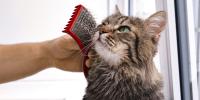
Brushing your cat regularly keeps its coat healthy and shiny. It removes loose hair and dirt. Brushing also helps you check your cat’s skin for any problems. Different types of fur need different brushing methods. Use gentle strokes to avoid hurting your cat. Make brushing a calm and pleasant time for both of you.
Brushing Short-haired Cats
Short-haired cats need brushing once or twice a week. Use a soft-bristle brush or rubber grooming glove. Brush in the direction of the fur growth. This removes dead hair and spreads natural oils. Pay attention to the neck, back, and tail areas. Brush gently to avoid skin irritation. Short-haired cats usually shed less than long-haired cats.
Brushing Long-haired Cats
Long-haired cats require daily brushing to prevent tangles. Use a wide-tooth comb or a slicker brush. Start at the head and move toward the tail. Be extra gentle around sensitive areas like the belly and legs. Separate the fur into small sections for thorough brushing. Long hair can trap dirt and debris, so regular grooming is key. This routine helps reduce hairballs too.
Dealing With Mats And Tangles
Mats and tangles are common in long-haired cats. Use a detangling spray or conditioner to soften the fur. Gently work through mats with your fingers first. Use a wide-tooth comb for tough knots. Never pull hard, as it hurts the cat’s skin. If mats are severe, trim them carefully or seek professional help. Regular brushing can prevent mats from forming.
Credit: www.purina.com
Bathing Your Cat
Bathing your cat is an essential part of grooming for some pets. Most cats clean themselves well, but occasional baths help with dirt, allergens, or skin conditions. Bathing also reduces shedding and controls odors. It requires patience and gentle handling to keep your cat calm and safe.
When To Bathe Your Cat
Not all cats need baths often. Bathe your cat if:
- They get very dirty or sticky.
- They have fleas or skin problems.
- Your vet recommends it for health reasons.
- They roll in something smelly or toxic.
Over-bathing can dry out your cat’s skin. Usually, once every few months is enough for most cats.
Safe Bathing Practices
Prepare a warm, quiet area for the bath. Use a sink or small tub with a few inches of water. Always use cat-specific shampoo. Human shampoo can irritate their skin.
- Brush your cat before the bath to remove loose fur.
- Test water temperature to ensure it is lukewarm.
- Keep the water level low to avoid stress.
- Speak softly and move slowly to calm your cat.
- Wet your cat gently, avoiding the head and ears.
- Apply shampoo and rinse thoroughly.
- Dry your cat with a soft towel afterward.
Never leave your cat unattended during the bath. Avoid getting water or shampoo in their eyes and ears. Use treats and praise to make the experience positive.
Nail Care Tips
Taking care of your cat’s nails is important for their comfort and health. Proper nail care prevents damage to furniture and reduces the risk of injury. Regular grooming sessions strengthen the bond between you and your furry friend.
How To Trim Cat Nails
Begin by choosing the right tools. A pair of cat nail clippers or a human nail clipper works well. Ensure they are sharp for a clean cut. Hold your cat gently but firmly. Find a comfortable spot for them. Hold one of their paws and press gently to extend the claw. Look for the pink area, called the quick. Avoid cutting this part, as it can hurt your cat and cause bleeding. Trim only the sharp tip of the nail.
Take breaks if your cat becomes restless. Reward them with treats or affection after each session. This helps them associate nail trimming with positive experiences.
Avoiding Common Mistakes
Never rush the process. Calmness is key to keeping your cat relaxed. Do not cut too close to the quick. This can cause pain and bleeding. If unsure, trim a small amount first. Avoid using dull clippers. They can crush the nail instead of cutting it. Always check for any splits or tears in the nails. Address them promptly to prevent infections.
Practice patience and consistency with your cat. Over time, nail trimming will become a routine they accept.
Ear And Eye Cleaning
Cleaning your cat’s ears and eyes is a crucial part of grooming that often gets overlooked. These sensitive areas can collect dirt, wax, and discharge, which might lead to discomfort or infections if not addressed. Paying attention to ear and eye hygiene helps keep your cat healthy and comfortable, and it strengthens the bond you share through gentle care.
Keeping Ears Clean And Healthy
Cat ears are delicate and prone to wax buildup and mites. Check your cat’s ears weekly by gently lifting the flap and looking inside. Healthy ears should be pink and free of strong odors or excessive wax.
Use a cotton ball or soft cloth dampened with a vet-approved ear cleaner to wipe away dirt. Avoid using cotton swabs, as they can push debris deeper or hurt your cat. If your cat’s ears look red, swollen, or produce a foul smell, contact your vet immediately.
How often should you clean your cat’s ears? For most cats, once every two to four weeks is enough unless your vet advises otherwise. Watch your cat’s behavior—if you notice them scratching their ears a lot or shaking their head, it might be time for a cleaning or a vet visit.
Safely Cleaning Around The Eyes
Eye discharge is common in cats but can cause irritation if not cleaned regularly. Use a clean, damp cloth or a cotton pad soaked in warm water to gently wipe away any crust or tear stains. Always wipe from the inner corner outward to avoid spreading dirt back into the eye.
Be very gentle around the eyes to avoid causing pain or injury. Never use harsh chemicals or soaps near your cat’s eyes. If you notice redness, swelling, or continuous discharge, it’s best to get professional advice.
Have you noticed your cat’s eyes watering more than usual? This could signal allergies or infections. Keeping a close eye on these signs helps you act before problems get worse, ensuring your cat stays happy and healthy.
Handling Grooming Challenges
Grooming a cat can sometimes be challenging. Cats may feel scared or upset during grooming. Handling these moments with care helps keep the experience safe and calm for both you and your cat. Understanding how to manage difficult behaviors and knowing when to ask for help makes grooming easier.
Managing Anxious Or Aggressive Cats
Some cats show anxiety or aggression when groomed. They may hiss, scratch, or try to run away. Stay calm and speak softly to soothe your cat.
- Choose a quiet place with few distractions.
- Use gentle, slow movements to avoid startling your cat.
- Offer treats or small rewards to create a positive link with grooming.
- Keep sessions short and gradually increase the time.
- Try using a towel to gently wrap your cat if needed.
Patience is key. Respect your cat’s limits and stop if they seem too stressed.
When To Seek Professional Help
Some grooming tasks need expert care. Long nails, matted fur, or skin problems can be hard to manage at home. Professionals have the right tools and experience to handle difficult grooming safely.
Look for a groomer or vet if:
- Your cat shows extreme fear or aggression.
- There are painful mats or skin wounds.
- You cannot trim nails without causing stress or injury.
- Your cat has health issues affecting grooming.
Professional help keeps your cat healthy and comfortable. It also protects you from injury.
Maintaining Regular Grooming Routine
Grooming your cat regularly keeps their coat shiny and healthy. It helps remove dirt and reduces shedding around your home. Establishing a grooming routine can strengthen your bond with your feline friend. Let’s explore how to maintain this routine efficiently.
Setting A Grooming Schedule
Creating a grooming schedule is crucial. Start by determining how often your cat needs grooming. Long-haired cats may require daily brushing, while short-haired breeds might need it weekly. Choose a quiet time when your cat feels relaxed. This helps make the grooming process enjoyable for both of you.
Consider scheduling grooming sessions in the evening. Cats are generally more calm after playtime or meals. Consistency is key. Stick to the schedule to make grooming a habit. A predictable routine helps your cat feel more comfortable.
Benefits Of Consistent Grooming
Consistent grooming offers multiple benefits. It prevents matting and tangles in your cat’s fur. Regular brushing distributes natural oils, enhancing coat health. It also allows you to check for fleas, ticks, or skin issues early.
Grooming sessions provide an opportunity to bond with your cat. It builds trust and helps your pet feel loved. Regular grooming can also reduce hairballs. By removing loose hair, you minimize the amount your cat ingests during self-grooming.

Credit: www.youtube.com
Frequently Asked Questions
How Often Should I Groom My Cat?
Groom your cat weekly to remove loose fur and prevent matting. Long-haired cats need grooming more often, about 2-3 times a week. Regular grooming helps reduce shedding and keeps your cat’s coat healthy and shiny.
What Tools Do I Need For Cat Grooming?
Use a soft-bristle brush for short-haired cats and a wide-tooth comb for long-haired cats. Nail clippers, grooming wipes, and a flea comb are also helpful. Choose tools that are gentle to avoid hurting your cat.
How Do I Safely Bathe My Cat?
Use lukewarm water and cat-specific shampoo. Wet your cat gently, avoiding the face, and rinse thoroughly. Dry with a towel and keep the cat warm. Bathing is rarely needed unless your cat is very dirty or has skin issues.
Can Grooming Reduce Cat Hairballs?
Yes, grooming removes loose fur before your cat swallows it during self-cleaning. Regular brushing significantly lowers hairballs and helps maintain digestive health. It also strengthens your bond with your cat.
Conclusion
Grooming a cat keeps them happy and healthy. Regular brushing removes loose fur and prevents mats. It also helps you check for any skin problems. Use gentle strokes and be patient. Small grooming sessions work best for most cats. Clean their ears and trim nails carefully.
A clean cat feels more comfortable every day. Building trust during grooming strengthens your bond. Start slow, and your cat will enjoy it. Keep grooming part of your routine for best results. Simple care goes a long way in cat health.


Leave a Reply