
Are you dreaming of turning your love for cats into a rewarding business? Starting your own cat breeding business can be exciting and profitable, but it also takes careful planning and knowledge.
You might wonder where to begin, what steps to take, and how to make sure your cats stay healthy and happy. This guide will walk you through everything you need to know, so you can build a successful cat breeding business with confidence.
Keep reading to discover the secrets that will set you up for success from day one.
Choosing Your Cat Breed
Choosing the right cat breed is the foundation of your cat breeding business. Your choice affects everything—from the care your cats need to how successful your business will be. It’s not just about picking a breed you like; you need to think about traits, demand, and your ability to provide the best environment for that breed.
Popular Breeds For Breeding
Some cat breeds have a strong following and easier market access. Breeds like the Maine Coon, Siamese, and Persian often attract buyers because of their distinctive looks and personalities.
- Maine Coon:Known for their size and friendly nature, they are great for families.
- Siamese:Recognized by their striking blue eyes and vocal personality.
- Persian:Valued for their long, luxurious coat and calm demeanor.
Think about what makes these breeds popular and if you can meet their care requirements. Have you considered how grooming or space needs might fit into your setup?
Breed Traits And Temperament
Each breed has unique behaviors and care demands. Some cats are highly social and need constant interaction, while others prefer solitude.
- Active breeds like the Abyssinian require more playtime and stimulation.
- Calmer breeds such as the British Shorthair are easier to manage in a busy environment.
- Health concerns vary; some breeds need more veterinary care due to genetic issues.
Ask yourself if you can handle the temperament and health needs of the breed you choose. Your daily routine should align with the cat’s personality for a successful breeding experience.
Market Demand Analysis
Understanding what buyers want can save you time and money. Research local and online trends to see which breeds are in demand.
- Check classifieds, social media groups, and breeder forums for popular breeds.
- Notice seasonal trends—some breeds sell better during holidays or specific times of the year.
- Consider niche markets, like hypoallergenic breeds for allergy sufferers.
Could there be a gap in your area for a particular breed? Identifying this can give you a competitive edge. Remember, demand can shift, so stay informed regularly.
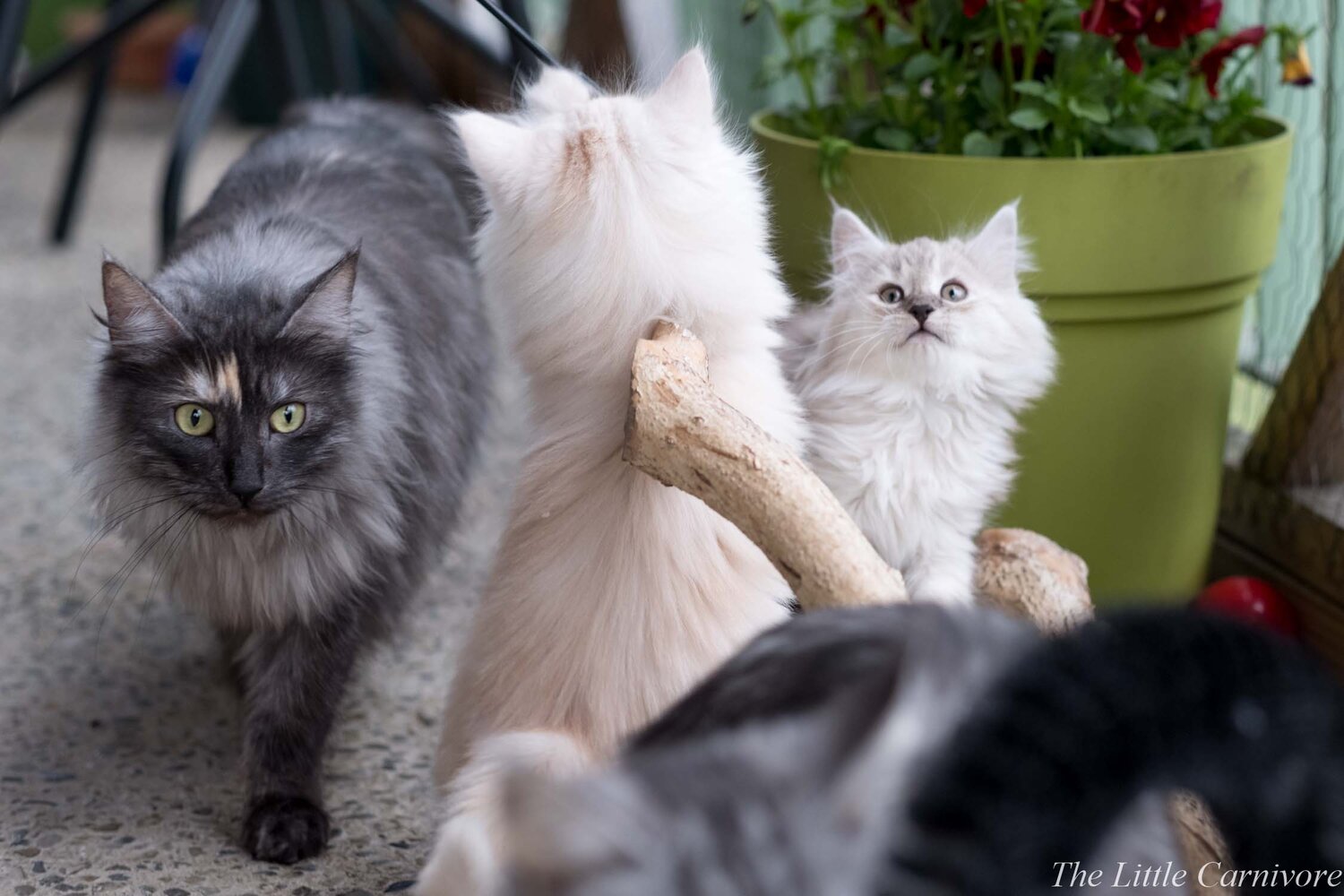
Credit: thelittlecarnivore.com
Legal Requirements And Registrations
Starting a cat breeding business involves more than just caring for cats. Legal rules protect the animals and buyers. Following these rules helps avoid problems later. Understanding the legal requirements and registrations is key for any breeder.
Licensing And Permits
Most places require a license to breed cats. This license shows you meet local standards. Permits may also be needed for operating a business from home. Check with your city or county office about exact rules. Licenses and permits often require inspections.
Failing to get these can lead to fines or business closure. Renew licenses regularly to stay legal. Keep copies of all documents safe and updated.
Cat Breeding Regulations
Regulations protect cat health and welfare. These laws cover:
- Number of cats allowed
- Housing and space requirements
- Health checks and vaccinations
- Record keeping of breeding activities
Following these rules keeps cats safe and healthy. It also builds trust with buyers. Some areas have strict laws against overbreeding and neglect. Learn local and national rules before starting.
Registering Your Cattery
Registering your cattery gives it a professional identity. It shows you follow breeding standards set by cat organizations. Registration may include:
- Choosing a unique cattery name
- Submitting applications to cat clubs
- Paying registration fees
- Providing proof of health and breeding practices
Registered catteries often get better recognition and support. Buyers prefer cats from registered breeders. This step helps build a good reputation and grow your business.
Setting Up Your Breeding Space
Creating the perfect space is essential for a cat breeding business. Ensure proper ventilation and ample sunlight. A clean, comfortable environment promotes healthy cats and successful breeding.
Setting up your breeding space requires careful planning. It ensures the comfort and safety of your cats. A well-organized space supports healthy breeding practices.Creating A Safe Environment
Your cats need a calm and secure environment. Choose a quiet room with limited distractions. Ensure the space is free from hazards. Remove any sharp or small objects. Cats love to explore. So, make sure windows and doors are secure. A safe environment reduces stress for your cats.Essential Equipment And Supplies
Stock the space with necessary equipment. Comfortable bedding is essential. Provide scratching posts for their claws. Litter boxes should be easily accessible. Clean these daily to maintain hygiene. Include food and water bowls. Use stainless steel or ceramic bowls. They are easy to clean and durable. Toys are important for mental stimulation. Keep the area organized to avoid clutter.Sanitation And Health Measures
Maintain a clean environment to prevent diseases. Regularly disinfect surfaces and equipment. Use pet-safe cleaning products. Ensure good ventilation in the room. Fresh air reduces the spread of germs. Schedule regular health check-ups with a vet. Keep vaccination records up to date. Monitor your cats for any signs of illness. Early detection is key for treatment. Implementing strict sanitation measures keeps your cats healthy.
Credit: www.elysianbengals.com
Selecting Breeding Cats
Selecting the right cats for breeding is the foundation of a successful cat breeding business. Choosing healthy cats with strong genetics ensures better offspring. Temperament and lineage also play vital roles in maintaining breed standards. Each factor impacts the quality of future litters and your reputation as a breeder.
Health Screening And Genetic Testing
Health is the top priority for breeding cats. Conduct thorough health screenings before breeding.
- Check for common breed-specific diseases.
- Test for genetic disorders using DNA tests.
- Ensure vaccinations and parasite control are up to date.
Genetic testing reduces the risk of passing health problems to kittens. It protects the breed’s overall health and longevity.
Temperament And Behavior
Temperament affects how cats interact with people and other animals. Choose cats with calm and friendly behavior.
- Observe social skills with humans and other cats.
- Select cats that are not aggressive or overly shy.
- Good temperament helps raise well-adjusted kittens.
Breeding cats with positive behavior improves the experience for buyers and families.
Pedigree And Lineage
Pedigree shows a cat’s ancestry and breed purity. It helps track traits and breed standards.
- Review registration papers from recognized cat associations.
- Choose cats with strong, reputable bloodlines.
- Avoid inbreeding by selecting genetically diverse mates.
Strong pedigrees increase the value of kittens and maintain breed quality.
Breeding Process And Care
Starting a cat breeding business means understanding the breeding process deeply and committing to exceptional care. The journey from heat cycles to raising healthy kittens requires attention, patience, and knowledge. Your success depends on how well you manage each stage with care and responsibility.
Heat Cycles And Mating
Cats go through heat cycles, also called estrus, typically every two to three weeks during breeding season. You’ll notice your female cat becoming more vocal, restless, and affectionate during this time. It’s crucial to recognize these signs so you can time mating correctly.
Choosing the right male cat for mating involves more than looks; health, temperament, and genetics matter most. You want to avoid genetic diseases and ensure both cats complement each other well. Have you considered how you’ll track and document heat cycles to optimize breeding success?
Pregnancy And Whelping
Once mating is successful, pregnancy lasts about 63-65 days. During this time, your female cat needs a quiet, safe space with proper nutrition and minimal stress. Regular vet check-ups are essential to monitor her health and the developing kittens.
When whelping time arrives, be prepared with a comfortable nesting area. You should watch closely but avoid disturbing her too much. Do you have a plan for emergencies or complications during birth?
Kitten Care And Socialization
Newborn kittens require constant warmth, clean bedding, and regular feeding from their mother or a substitute if necessary. Their eyes open around 7-10 days, and this is a critical window for socialization. Handling them gently every day helps them become friendly and well-adjusted cats.
Early socialization can prevent behavioral problems later. Introduce kittens to different sounds, sights, and gentle human contact. Have you thought about how you’ll balance their health needs with social exposure to prepare them for future homes?
Marketing Your Kittens
Marketing your kittens effectively can make all the difference in establishing a successful cat breeding business. It’s not just about finding buyers; it’s about building trust and showcasing the unique qualities of your kittens. How will you make your kittens stand out in a crowded market?
Building An Online Presence
Start by creating a dedicated website or a social media page where you can share photos, videos, and updates about your kittens. High-quality images and honest descriptions help potential buyers feel connected to your cats even before meeting them.
Consider sharing stories about the kittens’ personalities and care routines. This transparency builds trust and shows your commitment to their well-being.
Don’t forget to engage regularly—reply to comments, answer questions promptly, and share useful content about cat care. This interaction can turn visitors into loyal followers and customers.
Pricing Strategies
Set your prices based on factors like breed rarity, kitten health, and pedigree. Research local competitors to understand the market rate, but don’t undervalue your kittens just to make quick sales.
Offer different pricing tiers if you provide extras such as initial vaccinations, microchipping, or starter kits with food and toys. These add value and justify a higher price.
Be clear about your pricing on your website or listings to avoid misunderstandings. Transparency here saves time and builds confidence with buyers.
Connecting With Buyers
Build relationships by being approachable and honest. Buyers appreciate breeders who care deeply about their kittens’ futures.
Use platforms like local pet forums, Facebook groups, and classified ads to reach people interested in adopting kittens. Meeting potential buyers in person or via video calls can help you gauge their readiness and commitment.
Consider asking buyers to fill out a questionnaire about their home environment and experience with pets. This ensures your kittens go to responsible homes and reinforces your reputation as a serious breeder.
Financial Planning And Budgeting
Financial planning and budgeting are key to starting a cat breeding business. Clear budgeting helps manage costs and avoid surprises. Knowing your expenses upfront keeps your business stable. Planning also helps set realistic goals for profits. Careful budgeting ensures you invest wisely in your cats and facilities.
Startup Costs
Starting costs include buying quality breeding cats. You need proper cages, feeding supplies, and grooming tools. Veterinary checks and vaccinations add to the initial expenses. Setting up a clean, safe space is important. Licenses and permits may also require fees.
- Breeding cats purchase
- Equipment and supplies
- Veterinary care and vaccinations
- Facility setup
- Licenses and permits
Ongoing Expenses
Daily costs include food, litter, and grooming products. Regular vet visits keep cats healthy and happy. Electricity and water bills affect your monthly budget. Marketing your business takes time and money. Unexpected costs can arise, so plan extra funds.
- Food and litter
- Veterinary care
- Utilities
- Advertising
- Emergency funds
Profit Forecasting
Estimate income by researching market prices for kittens. Calculate how many litters you can manage per year. Subtract your total costs from expected sales revenue. This shows your potential profit or loss. Adjust your plans to reach steady growth.
| Item | Estimated Cost | Estimated Income |
|---|---|---|
| Startup Costs | $3,000 | — |
| Monthly Expenses | $500 | — |
| Annual Income (from kitten sales) | — | $15,000 |
| Estimated Profit | — | $9,000 |

Credit: catbreedersensei.com
Ethical Breeding Practices
Ethical breeding practices form the foundation of a successful cat breeding business. They ensure the health and happiness of cats while building trust with buyers. Ethical breeders focus on the well-being of every cat in their care. Respect for the animals guides all decisions and actions. This approach helps maintain high standards and promotes a positive reputation in the community.
Promoting Cat Welfare
Cats need a clean, safe, and comfortable environment. Regular veterinary care keeps them healthy. Vaccinations and parasite control protect cats from diseases. Socializing kittens helps them grow into friendly pets. Breeders should monitor each cat’s behavior and health closely. Providing proper nutrition and exercise supports their overall well-being.
Avoiding Overbreeding
Overbreeding can harm cats physically and mentally. It is important to limit the number of litters a female cat has. Giving cats time to rest between litters helps them recover. Breeders must plan breedings carefully to avoid stressing the cats. Quality over quantity is the key to ethical breeding. This practice prevents health problems and improves the quality of kittens.
Responsible Selling
Responsible selling means finding the right homes for kittens. Breeders should ask buyers about their experience and lifestyle. Sharing information about kitten care prepares new owners well. Contracts can protect both the breeder and the buyer. Follow-up support helps ensure kittens thrive in their new homes. This builds trust and promotes lifelong care for cats.
Handling Challenges
Starting a cat breeding business brings many rewards and challenges. Handling these challenges well is key to success. You need to prepare for health risks, legal matters, and customer needs. Facing these issues with care keeps your business strong and trustworthy.
Health Issues And Emergencies
Health problems can arise suddenly in cats. Regular check-ups with a vet help spot issues early. Keep vaccinations and parasite controls up to date. Be ready for emergencies by having a first-aid kit and emergency vet contacts. Clean living spaces reduce the chance of disease. Observe cats daily for signs of sickness. Quick action can save lives and reduce stress.
Dealing With Legal Problems
Running a cat breeding business involves laws. Know local rules about breeding, selling, and animal welfare. Register your business if required. Keep accurate records of all cats, their health, and sales. Proper contracts protect you and your buyers. Ignoring legal duties can lead to fines or closure. Stay informed and consult a legal expert if unsure.
Managing Customer Expectations
Clear communication builds trust with customers. Explain the breed’s traits and needs honestly. Share health history and care instructions for each cat. Set realistic timelines for availability and delivery. Handle questions and concerns politely and promptly. Good customer service leads to positive reviews and repeat buyers. Avoid overpromising to prevent disappointment.
Frequently Asked Questions
What Are The First Steps To Start A Cat Breeding Business?
Begin by researching cat breeds and breeding regulations. Choose a healthy breed, create a business plan, and prepare a safe environment. Register your business and connect with veterinarians for support.
How Much Does It Cost To Start Cat Breeding?
Starting costs include purchasing breeding cats, vaccinations, supplies, and registration fees. Initial investment varies but expect $2,000 to $5,000 for quality breeders and setup.
What Licenses Are Required For Cat Breeding Businesses?
Licenses vary by location but typically include a business license and animal breeding permits. Check local laws and animal welfare regulations to ensure compliance.
How Do I Ensure Ethical Cat Breeding Practices?
Focus on health screenings, genetic testing, and proper care. Avoid overbreeding and prioritize the cats’ well-being, socialization, and proper living conditions.
Conclusion
Starting a cat breeding business takes time and effort. Know your cats well and keep them healthy. Follow rules to keep your business safe and legal. Build trust with buyers by being honest and caring. Keep learning about cats and business skills.
Small steps lead to steady growth. Enjoy the journey of caring for cats and growing your business. Success comes with patience and hard work. Your love for cats will guide you forward.



Leave a Reply