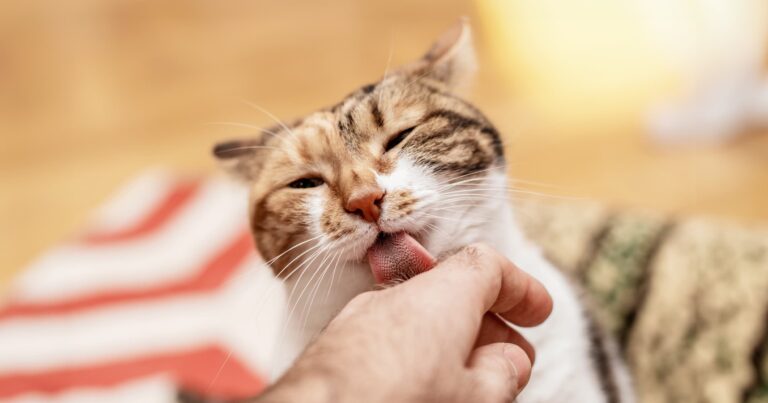
Have you ever wondered why your cat seems so healthy even though it spends so much time licking its fur? You might think grooming could spread germs or make them sick.
But surprisingly, cats rarely get sick from cleaning themselves. Understanding how cats stay clean and healthy through grooming can help you better care for your furry friend. Keep reading to discover the secrets behind your cat’s natural defense and why their grooming habits actually protect them.
Cat Grooming Habits
Cats keep themselves clean through unique grooming habits. These habits help them stay healthy and avoid illness. Grooming removes dirt, parasites, and loose fur. It also regulates body temperature and reduces stress. Understanding these habits reveals why cats rarely get sick from grooming themselves.
Daily Self-cleaning Routine
Cats spend several hours each day grooming. They lick their fur carefully to remove dirt and debris. This routine keeps their coat smooth and shiny. It also helps spread natural oils across the skin. These oils protect the fur and skin from drying out. Regular grooming supports a cat’s overall health.
Use Of Tongue And Teeth
A cat’s tongue is rough, covered with tiny, hook-like structures. These hooks help catch loose fur and dirt. Cats use their teeth to nibble stubborn areas. This action removes mats and tangles in the fur. The tongue and teeth work together to clean deep into the coat. This thorough grooming prevents skin infections and parasites.
Role Of Paws In Grooming
Cats use their paws like little washcloths. They lick their paws to moisten them. Then, they rub their face, head, and ears with the wet paw. This method cleans hard-to-reach spots. Paws also help cats remove dirt stuck in fur. This paw technique completes the grooming process effectively.
Credit: animals.howstuffworks.com
Natural Defense Mechanisms
Cats have built-in ways to protect themselves while grooming. Their natural defense mechanisms help stop infections and keep them healthy. These defenses work quietly but powerfully during their grooming sessions.
Antibacterial Properties Of Saliva
Cat saliva contains special enzymes that fight bacteria. These enzymes help clean wounds and reduce germs on their fur. When cats lick themselves, their saliva acts like a natural sanitizer. This lowers the chance of infections and keeps their skin safe.
Shedding Harmful Particles
Grooming removes dirt and loose hair from a cat’s body. This helps get rid of harmful particles and parasites. By shedding these elements, cats reduce the risk of skin problems. Their fur stays cleaner and healthier after each grooming session.
Regulating Body Temperature
Grooming also helps cats control their body heat. By licking their fur, they spread saliva that cools them down as it evaporates. This natural cooling system protects cats from overheating. It keeps them comfortable and prevents heat-related illnesses.
Immune System Strength
Cats are known for their impeccable grooming habits, often spending hours licking their fur. Yet, they rarely fall ill from this constant self-cleaning routine. The secret lies in the remarkable strength of their immune system.
Exposure To Microbes
Every time a cat grooms itself, it exposes its body to a variety of microbes. You might think this would make them sick, but it’s quite the opposite. By coming into contact with these microorganisms, cats are constantly challenging their immune system, keeping it alert and robust.
Think of it like going to the gym for your immune system. Regular exposure helps cats build resilience. Instead of getting overwhelmed, their bodies learn to handle these microbes efficiently.
Building Natural Immunity
Do you remember when you last caught a cold? Your body became stronger afterward, right? Cats experience a similar process. Their constant grooming helps them build a natural immunity over time.
This doesn’t mean they’re invincible, but their immune systems are well-trained. It’s like having a well-prepared army ready to defend against invaders at any moment.
Balanced Microbiome
Grooming also plays a crucial role in maintaining a cat’s balanced microbiome. The fur and skin host a myriad of bacteria, both good and bad. Grooming helps manage these populations, ensuring the beneficial bacteria thrive.
Wouldn’t it be fascinating if we could maintain such a balance in our own lives? Keeping a healthy microbiome is essential for overall health, and cats have mastered this art. Their grooming acts as a natural way to support their skin and fur’s ecosystem.
Credit: www.rd.com
Behavioral Benefits Of Grooming
Grooming is more than just a way for cats to keep clean. It plays a vital role in their mental and social well-being. Understanding these behavioral benefits can give you deeper insight into your cat’s health and happiness.
Stress Reduction
Have you noticed your cat licking itself more during stressful times? Grooming helps cats calm down by releasing endorphins, which are natural mood lifters. This self-soothing behavior can reduce anxiety and create a sense of safety.
If your cat is grooming excessively, it might be their way of coping with stress. Pay attention to changes in their environment that could be causing discomfort.
Social Bonding
Cats often groom each other, which is called allogrooming. This behavior builds trust and strengthens social bonds between cats in the same household. When your cat grooms you or lets you pet them, it’s their way of showing affection and acceptance.
Think about how your cat reacts when you pet or brush them. This interaction can deepen your connection and make your cat feel more secure.
Detection Of Parasites
Grooming allows cats to spot and remove parasites like fleas and ticks early. Their sharp senses help them detect tiny irritants that might not be obvious to you. Regular grooming keeps these pests under control and prevents infections.
If you see your cat scratching more than usual or notice bald spots, it might be a sign of parasites. Encouraging grooming with gentle brushing can aid their natural defense against these nuisances.
Common Myths About Cat Grooming
Many people believe cats keep themselves perfectly clean and healthy just by grooming. This is not always true. There are several myths about cat grooming that can confuse cat owners. Understanding these myths helps care better for your feline friend. Grooming is important, but it does not solve all health problems. Let’s clear up some common misconceptions.
Cats Always Stay Clean
Cats groom themselves often. Their tongues remove dirt and loose fur. But grooming does not make them completely clean. Dirt, dust, and oils still collect on their fur. Sometimes, grooming misses hard-to-reach spots. Cats can also pick up fleas or skin issues. So, regular brushing and bathing may be needed. Grooming alone does not guarantee full cleanliness.
Grooming Prevents All Illnesses
Grooming helps reduce some risks. It removes parasites like fleas and ticks. It also stops mats that can hurt skin. But grooming cannot stop all diseases. Cats can get infections, allergies, or internal problems. Some illnesses show no signs on fur or skin. Grooming is only one part of keeping cats healthy. Regular checkups and a good diet are needed too.
Cats Don’t Need Vet Care
Some believe cats grooming themselves means no vet visits. This is false. Grooming does not replace professional health care. Cats still need vaccines and parasite control. They also need checkups to catch hidden problems. Grooming helps, but vets find issues grooming cannot. Regular vet care keeps cats safe and well.

Credit: www.purina.com
When Grooming Can Be A Problem
Grooming is a natural and essential behavior for cats, helping them stay clean and healthy. However, there are times when grooming can become a problem rather than a benefit. Understanding when grooming crosses the line is crucial to keeping your cat safe and well.
Over-grooming Issues
Sometimes, cats groom themselves excessively, which can lead to skin irritation and bald patches. This behavior might be caused by stress, allergies, or even pain. If you notice your cat licking the same spot repeatedly or losing fur, it’s a sign that over-grooming is an issue.
Have you ever seen a cat obsessively licking one area until the skin looks raw? That’s a red flag you shouldn’t ignore. Your cat’s grooming should leave them looking tidy, not injured.
Signs Of Illness During Grooming
Grooming can reveal more than just cleanliness; it can show signs of health problems. Look for changes like excessive drooling, difficulty grooming certain areas, or unusual odors. These might indicate dental issues, infections, or other illnesses.
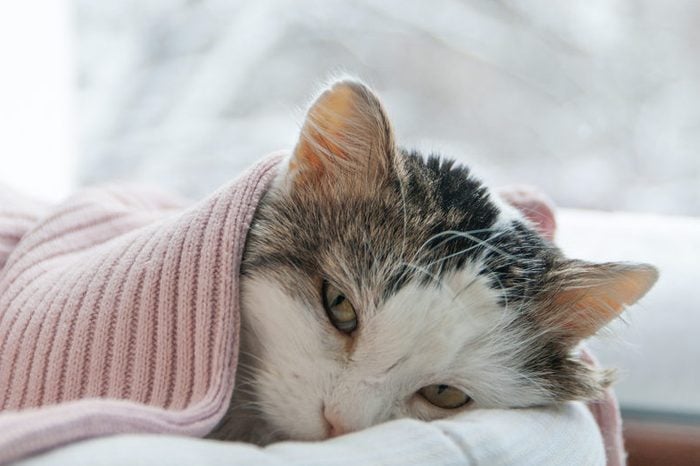
Pay attention if your cat suddenly stops grooming or seems lethargic during grooming sessions. These subtle signals often point to underlying health concerns that need your attention.
Veterinary Intervention
If grooming problems persist, seeking veterinary help is essential. A vet can identify the root cause, whether it’s allergies, parasites, or psychological stress. Early intervention can prevent serious complications and get your cat back to a healthy grooming routine.
Don’t wait until the problem worsens. Asking your vet about changes in your cat’s grooming habits could be the key to catching issues early. Remember, your cat can’t tell you what’s wrong, but their grooming behavior speaks volumes.
Tips For Supporting Cat Health
Supporting your cat’s health goes beyond just watching them groom themselves. You can play a big role in keeping your feline friend happy and well. Small, consistent efforts in their daily care make a noticeable difference in their overall well-being.
Nutrition And Hydration
Your cat’s diet is the foundation of their health. Feeding high-quality, balanced food ensures they get essential nutrients for a strong immune system and shiny fur.
Don’t forget water. Cats often drink less than they should, which can lead to dehydration. Try offering fresh water daily or even adding wet food to their meals to keep hydration levels up.
Ever noticed how your cat perks up after a meal? That’s because good nutrition fuels their energy and helps keep sickness at bay.
Regular Vet Checkups
Regular visits to the vet catch health issues before they become serious. Your vet can spot problems your cat might hide, like dental disease or skin infections, which can affect grooming habits.
Vaccinations and parasite control are also part of these visits. They protect your cat from common illnesses and keep them feeling their best.
Think about it: how often do you check your own health? Cats deserve that same attention to stay well long-term.
Safe Grooming Practices
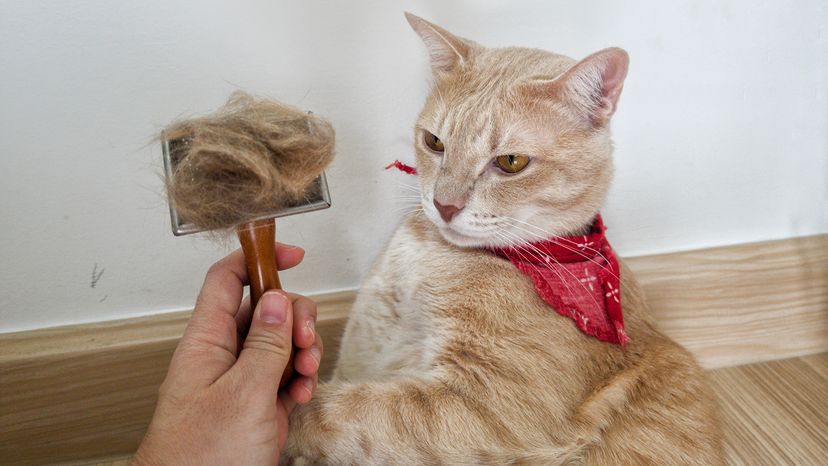
While cats groom themselves, your help can prevent problems. Use a soft brush to remove loose fur and dirt, especially if your cat has long hair or struggles to reach certain spots.
Be gentle and watch for signs of irritation or discomfort. Over-brushing or using harsh tools can harm their skin and fur.
Have you tried grooming your cat after a play session? They’re often more relaxed, making it a perfect time to bond and keep their coat healthy.
Frequently Asked Questions
Why Don’t Cats Get Sick From Grooming Themselves?
Cats produce enzymes in their saliva that kill many harmful bacteria. Their immune system is strong and fights off germs. They also groom frequently to keep their fur clean and reduce infection risk. This natural process helps maintain their overall health.
Can Cats Transmit Diseases Through Grooming?
Cats rarely transmit diseases through grooming because their saliva has antimicrobial properties. However, if a cat is sick, close contact could spread some infections. Generally, grooming helps remove dirt and parasites, reducing illness chances rather than increasing them.
How Does Grooming Benefit A Cat’s Immune System?
Grooming stimulates blood flow and promotes skin health in cats. It removes dirt, parasites, and loose fur, which prevents infections. This regular cleaning supports their immune system by keeping the body free from harmful pathogens and allergens.
Do Cats Ingest Harmful Substances While Grooming?
Cats may ingest some dirt or parasites while grooming but their digestive system can often handle small amounts. Their saliva enzymes neutralize many toxins and bacteria, preventing illness. Still, excessive exposure to harmful chemicals or parasites can pose health risks.
Conclusion
Cats stay healthy while grooming because they clean carefully. Their saliva has special enzymes that kill germs. Grooming removes dirt and loose fur, keeping skin fresh. Cats also avoid spreading illness by licking clean areas only. This natural habit helps them stay well every day.
Understanding this can help you care for your cat better. Keep their environment clean and watch their grooming habits. Healthy cats groom often and look bright and alert. Simple but powerful.

Leave a Reply