
Are you wondering if your 6 month-old kitten should be eating adult cat food? It’s a common question many cat owners face as their playful kitten grows up.
Feeding your kitten the right food at the right time can make a big difference in their health and happiness. If you’re unsure whether it’s safe to switch to adult cat food or if you should stick with kitten formulas a little longer, you’re in the right place.
Keep reading to discover what your growing kitten really needs and how to make the best choice for their diet.
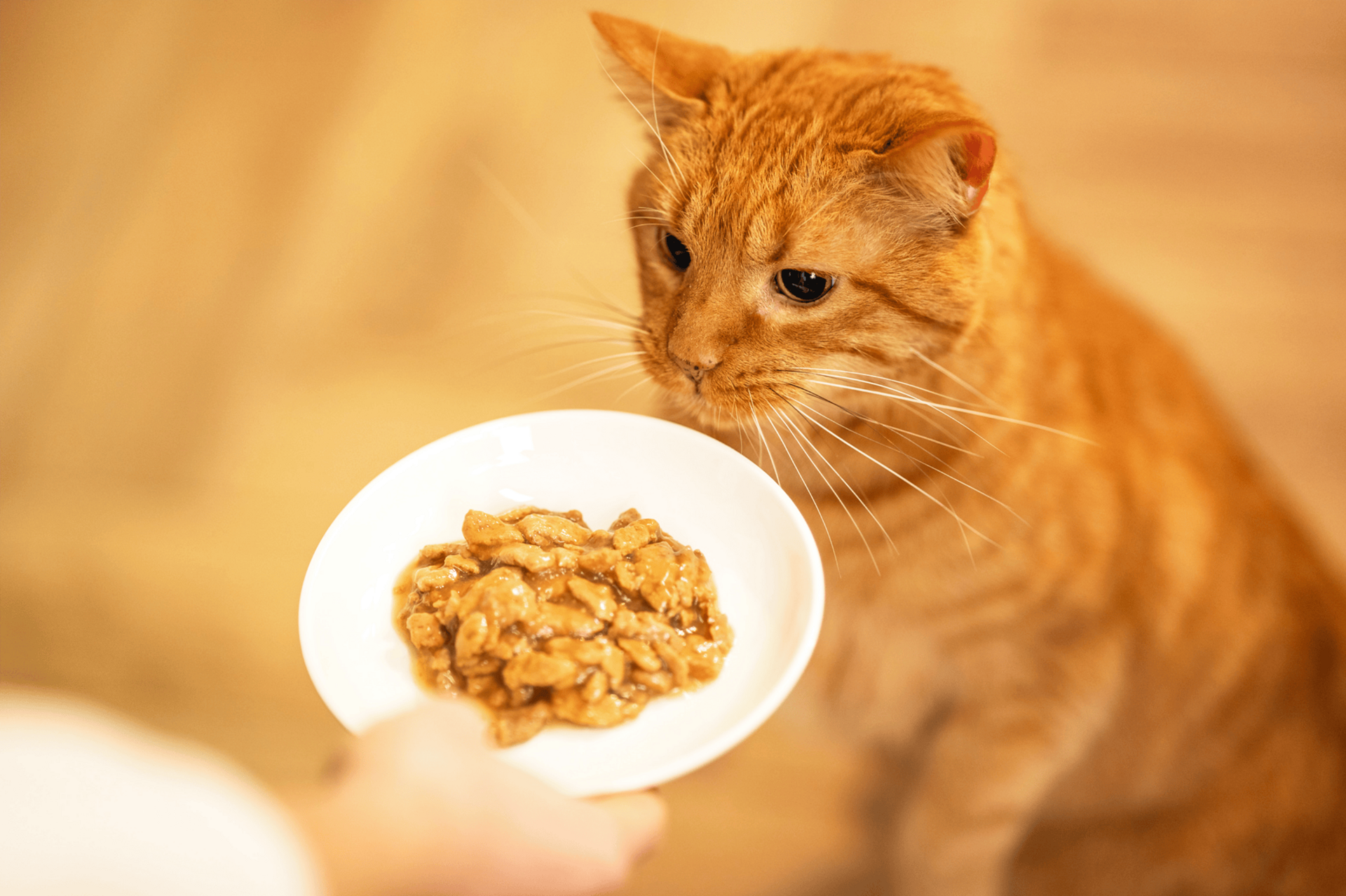
Credit: iams.eu
Nutritional Needs Of Kittens
Kittens have unique dietary needs that support their rapid growth and development. Their food must supply enough energy and nutrients for healthy bones, muscles, and organs. Feeding a 6 month-old kitten requires careful attention to these nutritional needs to ensure proper growth and well-being.
Growth Requirements
Kittens grow fast during their first year. They need more calories than adult cats to fuel this growth. Their food must contain higher protein and fat levels. Proper nutrition supports strong bones, healthy skin, and shiny fur.
At 6 months, kittens are still growing but slower than before. They need food that meets their changing energy needs. The balance of nutrients should support gradual growth and muscle development.
Key Nutrients For Development
- Protein:Vital for muscle and tissue repair. Kittens need more protein than adults.
- Fat:Provides energy and supports brain development.
- Calcium and Phosphorus:Essential for strong bones and teeth.
- DHA:An omega-3 fatty acid important for vision and brain health.
- Vitamins and Minerals:Support immune system and overall health.
Adult cat food often lacks these extra nutrients in the right amounts. Choosing kitten-specific food ensures they get what their bodies need.
Differences Between Kitten And Adult Cat Food
Kitten food and adult cat food are specially made to meet different needs. Kittens grow fast and need extra nutrition. Adult cats need balanced food for maintenance. Understanding their differences helps in feeding your kitten properly.
Protein And Calorie Content
Kitten food contains more protein than adult cat food. Protein supports muscle growth and development. Calories in kitten food are higher to fuel their active play. Adult cat food has fewer calories to prevent weight gain. Kittens burn energy quickly and need more fuel.
Vitamin And Mineral Levels
Kittens require extra vitamins and minerals for strong bones and teeth. Calcium and phosphorus are higher in kitten food to support growth. Adult cat food has balanced vitamins for health maintenance. Taurine, an essential amino acid, is critical in both foods. Proper vitamin levels keep cats healthy at every stage.
Potential Risks Of Feeding Adult Food Early
Feeding adult cat food to a 6-month-old kitten can cause nutrient gaps. Growth may slow down, and digestive issues might arise. Kittens need food made for their development stage to stay healthy.
Feeding a 6-month-old kitten adult cat food might seem convenient. But, it poses several risks. Kittens have unique dietary needs. They require specific nutrients for growth and development. Adult cat food may lack these essential nutrients. This can lead to health problems in young kittens.Nutritional Deficiencies
Kittens need more protein and fat than adult cats. These nutrients support rapid growth and energy needs. Adult cat food has lower levels of these nutrients. Feeding adult food early can result in nutritional deficiencies. This might stunt growth or weaken the immune system. A kitten may also miss out on essential vitamins and minerals. Calcium and phosphorus are crucial for bone development. Without them, a kitten’s bones might not grow properly.Digestive Issues
Kittens have sensitive stomachs. Their digestive systems are still developing. Adult cat food is harder for them to digest. It can lead to stomach upset or diarrhea. Ingredients in adult food might not be suitable for young tummies. This can cause discomfort and digestive problems. A kitten’s body might struggle to absorb nutrients properly. This can impact overall health and well-being.
Credit: ziggyfamily.com
When To Transition To Adult Cat Food
Transitioning a kitten from baby food to adult cat food is an important step in their growth. This change supports their evolving nutritional needs as they grow stronger and more active. Knowing the right time to switch helps keep your kitten healthy and happy.
The timing depends on your kitten’s size, activity, and development. Feeding adult food too early or too late can cause health issues. Watch your kitten closely for signs they are ready to make the switch. A smooth changeover is best for their digestion and eating habits.
Signs Your Kitten Is Ready
- Weight is close to adult cat size
- Kitten eats less often but takes bigger meals
- Energy levels are steady and active
- Teeth appear strong and fully grown
- Kitten shows interest in eating adult cat food
Gradual Switching Tips
- Mix a small amount of adult food with kitten food
- Increase adult food portion over 7 to 10 days
- Watch for any stomach upset or refusal to eat
- Keep fresh water available at all times
- Consult your vet if unsure about the transition process
Expert Recommendations
Experts provide clear guidance on feeding a 6 month-old kitten. Their advice helps ensure proper growth and health. Nutrition needs change as kittens grow. Understanding expert recommendations can prevent common feeding mistakes.
Veterinarian Advice
Vets recommend feeding kitten-specific food until 12 months old. Kitten food contains extra nutrients for development. Adult cat food lacks the right balance for growing kittens. Switching too early can cause nutrient gaps. Regular vet check-ups help track growth and health. Your vet can suggest the best feeding plan for your kitten.
Choosing The Right Food
Select food rich in protein and essential vitamins. Look for formulas labeled for kittens or all life stages. Avoid foods with fillers or artificial additives. Wet food helps with hydration and digestion. Dry food supports dental health but should be balanced with wet food. Gradually introduce new food over a week to avoid stomach upset. Always provide fresh water alongside meals.
Homemade Vs Commercial Diets
Deciding between homemade and commercial diets for your 6 month-old kitten can feel tricky. Both choices have their own strengths and challenges, especially as your kitten transitions to adult cat food. Understanding these options helps you make the best decision for your kitten’s health and happiness.
Pros And Cons
Homemade dietsallow you to control every ingredient. You can avoid fillers and allergens that might upset your kitten. Plus, cooking for your kitten can be rewarding and personal.
However, homemade meals require careful planning. Missing key nutrients can lead to health problems. It’s easy to overlook vitamins or minerals that commercial foods already balance.
Commercial dietsare designed to meet all nutritional needs. They offer convenience and consistency, which busy pet owners appreciate. Most brands undergo testing to ensure safety and nutrition.
On the downside, some commercial foods contain artificial additives or low-quality ingredients. You might need to sift through labels to find the best option. Also, your kitten might not always enjoy the taste.
Ensuring Balanced Nutrition
Your kitten’s growth depends on balanced nutrition. Whether homemade or commercial, the diet must provide protein, fats, vitamins, and minerals in the right amounts.
If you choose homemade, consulting a vet or pet nutritionist is crucial. They can help you create recipes that cover all nutritional bases. Supplements might be necessary to avoid deficiencies.
For commercial diets, look for products labeled “complete and balanced” for kittens transitioning to adult food. Check the ingredient list and guaranteed analysis to confirm quality.
Ask yourself: Are you prepared to invest time and effort into meal prep? Or do you prefer the ease of trusted commercial brands? Your answer will guide the best feeding approach for your growing kitten.

Credit: www.purina.com
Frequently Asked Questions
Can A 6 Month-old Kitten Eat Adult Cat Food?
A 6 month-old kitten can eat adult cat food, but it’s not ideal. Kittens need more protein and nutrients for growth. Transitioning to adult food too early may affect their development. Consult your vet for the best feeding plan.
When Should Kittens Switch To Adult Cat Food?
Kittens typically switch to adult cat food around 12 months old. Before that, they need kitten-specific nutrients for healthy growth. The transition should be gradual to avoid digestive issues. Always monitor your kitten’s health during the change.
What Are The Risks Of Feeding Adult Food Early?
Feeding adult cat food early may lead to nutrient deficiencies. Kittens require higher protein, fat, and calories for growth. Adult food lacks these essential nutrients, possibly causing stunted growth or weakened immunity. Use kitten food until they reach maturity.
How To Transition A Kitten To Adult Cat Food?
Start mixing adult food with kitten food gradually over 7-10 days. Increase the adult food portion slowly to avoid digestive upset. Monitor your kitten’s reaction and weight. Always provide fresh water and consult your vet if unsure.
Conclusion
A 6-month-old kitten can start eating adult cat food carefully. Their bodies need good nutrition to grow strong. Adult food has fewer calories and different nutrients than kitten food. Gradual change helps avoid stomach problems. Watch your kitten’s health and energy closely.
Consult a vet for the best feeding advice. Feeding the right food supports healthy growth and life. Keep your kitten happy and healthy with proper care.



Leave a Reply