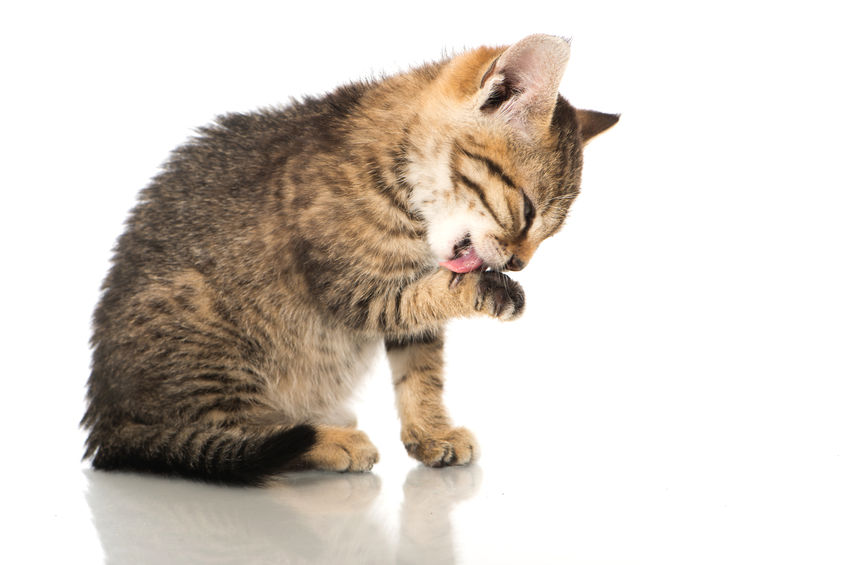
Is your cat spending too much time licking and biting its fur? Over grooming can cause sore spots, hair loss, and make your furry friend uncomfortable.
You might wonder, “How can I stop my cat over grooming? ” The answer isn’t always simple, but understanding why your cat does this is the first step. You’ll discover practical tips to help your cat feel calm and healthy again.
Keep reading to learn how you can protect your cat’s skin and bring peace back to your home.
Reasons Behind Over Grooming
Understanding why your cat is over grooming is the first step to helping them stop. Over grooming, also known as psychogenic alopecia, can signal deeper issues that need attention. By identifying the root cause, you can take practical steps that really make a difference for your furry friend.
Medical Causes
Sometimes, over grooming is your cat’s way of telling you something hurts or feels uncomfortable. Skin allergies, parasites like fleas, or infections can cause itching and irritation. If your cat suddenly starts licking or biting a specific area, check for redness, swelling, or bald spots.
Imagine your cat scratching non-stop because of fleas—you’d want to treat the infestation quickly, right? Visiting a vet for a thorough checkup can rule out these medical issues before moving on to other causes.
Behavioral Triggers
Behavior often plays a big role in over grooming. Stress and anxiety can push your cat to lick themselves as a coping mechanism. Changes like a new pet, moving homes, or even a shift in your routine can trigger this behavior.
Have you noticed your cat grooming more after you leave the house? This might be a sign of separation anxiety. Watching your cat’s behavior closely can help you spot patterns and figure out what sets them off.
Environmental Factors
Your cat’s surroundings can also influence their grooming habits. Lack of stimulation or boredom can lead to over grooming as a way to pass time. Conversely, a noisy or chaotic environment might cause stress that shows up as excessive licking.
Think about your cat’s daily routine—do they have enough toys or safe spaces to relax? Making simple changes like adding interactive toys or quiet corners can reduce the urge to over groom.
:strip_icc()/the-kitty-1011094438-5c3d1af5c9e77c00015e66a6.jpg)
Credit: www.thesprucepets.com
Identifying Over Grooming Signs
Noticing your cat grooming more than usual can be worrying. Over grooming might indicate discomfort or stress, and catching it early helps prevent serious skin problems. Knowing the signs is the first step to helping your furry friend feel better.
Physical Symptoms
Look closely at your cat’s fur and skin. Over grooming often causes bald spots or thinning fur in certain areas, especially around the belly, legs, or neck.
You might see redness, bumps, or scabs where your cat licks too much. These areas can become sore or inflamed, which means your cat is likely in pain or itching badly.
Have you noticed your cat’s fur looking uneven or patchy? That’s a clear sign to check for over grooming.
Behavioral Changes
Your cat’s behavior can tell you a lot. If your usually calm cat starts licking intensely or repeatedly, this could be a stress response or an attempt to soothe irritation.
Watch for changes like restlessness or hiding more than usual. These behaviors often accompany over grooming and suggest your cat is uncomfortable.
Does your cat seem more anxious or irritable lately? Such emotional shifts often go hand-in-hand with physical signs of over grooming.
Veterinary Diagnosis Steps
Getting to the root cause of your cat’s over grooming starts with a thorough veterinary diagnosis. This process helps identify whether the behavior is driven by physical issues, allergies, or deeper skin problems. Understanding these steps can empower you to work closely with your vet and find the right solution for your furry friend.
Physical Examination
The vet will carefully check your cat’s skin, coat, and overall health. They look for signs like redness, hair loss, or wounds that might explain the excessive grooming. This hands-on check often reveals if parasites, infections, or pain are triggering the behavior.
Have you noticed any sudden changes in your cat’s appearance? Sharing these observations can guide the vet toward the right diagnosis.
Allergy Testing
Allergies are a common cause of itching and over grooming. Your vet may suggest allergy tests to pinpoint whether your cat reacts to food, pollen, or flea bites. These tests can be done through blood samples or skin patches.
Knowing the specific allergens can help you adjust your cat’s environment or diet, making a real difference in their comfort and behavior.
Skin Biopsy
If other tests don’t provide clear answers, a skin biopsy may be necessary. This involves taking a small sample of skin to examine under a microscope. It helps detect conditions like fungal infections, autoimmune diseases, or cancer.
Though it sounds intense, a biopsy can be crucial for diagnosing tricky cases and ensuring your cat gets the right treatment fast.

Credit: www.reddit.com
At-home Care Tips
At-home care plays a key role in stopping your cat from over grooming. Small changes in daily habits can help your cat feel better and reduce grooming urges. Focus on diet, stress, and grooming routines to support your cat’s health. Consistency and patience are important during this process.
Improving Diet
A healthy diet boosts your cat’s skin and coat condition. Choose high-quality food rich in essential fatty acids. Omega-3 and omega-6 help reduce skin inflammation and dryness.
- Feed balanced meals with vitamins and minerals
- Include wet food for hydration
- Avoid foods with fillers or allergens
Consult your vet about special diets if allergies are suspected. Proper nutrition strengthens the skin barrier, lowering irritation and the need to over groom.
Stress Reduction Techniques
Stress often causes cats to groom excessively. Create a calm and safe environment for your cat. Provide hiding places and quiet spots to relax.
- Use interactive toys to keep your cat busy
- Maintain a daily routine to reduce anxiety
- Try pheromone diffusers designed for cats
Spend quality time petting and playing gently. Reducing stress helps lower grooming as a coping behavior.
Proper Grooming Routine
Regular grooming prevents matting and skin problems. Brush your cat gently to remove loose fur and dirt. It also strengthens your bond and calms your cat.
- Choose a soft brush suitable for your cat’s coat
- Brush daily or several times a week
- Check skin for redness or sores during grooming
Keep nails trimmed to avoid accidental scratching. Proper grooming reduces discomfort, which can stop over grooming habits.
Using Protective Gear
Using protective gear like a soft cat cone or a body suit can help reduce over-grooming. These items create a barrier, preventing your cat from reaching irritated areas while allowing them to move comfortably.
Using protective gear can help stop your cat from over grooming. This method is effective in keeping your pet safe and comfortable. Cats often lick themselves excessively due to stress or allergies. Protective gear acts as a barrier, preventing further harm.E-collars
E-collars, often known as “cones of shame,” are effective. They prevent cats from reaching areas they over groom. These collars are lightweight and adjustable. Choose a size that fits your cat comfortably. Ensure it doesn’t restrict their movement or eating.Protective Clothing Options
Protective clothing can also help manage over grooming. Soft fabric suits can cover your cat’s body. They allow the skin to heal while being breathable. Select clothes made from gentle materials to avoid irritation. Test different styles to find the best fit for your cat.Behavioral Training Approaches
Behavioral training approaches help reduce your cat’s over grooming by changing their habits. Cats groom for many reasons like stress or boredom. Training can calm these triggers and keep your cat healthy.
Positive Reinforcement
Use rewards to encourage good behavior. When your cat stops over grooming, give treats or praise. This helps your cat connect good feelings with stopping the behavior. Be consistent and patient. Reward small improvements to build progress.
Keep training sessions short and fun. Use soft voices and gentle petting to calm your cat. Avoid punishment. It may increase stress and make over grooming worse.
Redirecting Attention
Distract your cat from grooming by offering toys or playtime. Interactive toys can keep your cat busy and less focused on grooming. Use wand toys or laser pointers to engage your cat’s hunting instincts.
Provide new activities to reduce boredom. Puzzle feeders and climbing trees work well. Change toys often to keep your cat interested. This redirection helps your cat forget the urge to over groom.
When To Seek Professional Help
Knowing when to seek professional help for your cat’s over grooming is crucial. Over grooming can sometimes signal deeper health or behavioral problems that need expert attention. Ignoring these signs might worsen your cat’s condition and cause unnecessary suffering.
Signs Of Severe Issues
Watch for open sores, bleeding, or bald patches that don’t improve within a few days. If your cat is grooming obsessively to the point of skin damage, it’s a red flag.
Other signs include constant licking or chewing even when calm, sudden changes in appetite, or lethargy. These symptoms might indicate allergies, infections, or stress-related disorders.
Has your cat’s behavior changed drastically? Are they hiding more or showing signs of anxiety? These behavioral shifts alongside over grooming should prompt a visit to the vet.
Finding A Veterinary Behaviorist
A veterinary behaviorist specializes in diagnosing and treating behavioral issues in pets, including compulsive over grooming. They can help identify the root cause, whether medical or psychological.
Ask your vet for recommendations or search online for certified veterinary behaviorists in your area. Make sure to check their credentials and experience with feline patients.
Working with a behaviorist often involves a combination of medical treatment and behavior modification strategies tailored to your cat’s specific needs. This approach gives your cat the best chance to recover and stop over grooming for good.

Credit: pennypaws.com
Frequently Asked Questions
Why Is My Cat Over Grooming Excessively?
Cats over groom due to stress, allergies, or skin issues. It’s their way to soothe discomfort. Identifying the cause helps stop over grooming effectively.
How Can I Reduce My Cat’s Stress Levels?
Provide a calm environment, interactive play, and hiding spots. Use pheromone diffusers or calming sprays to ease anxiety. Stress reduction often lowers over grooming behavior.
What Are Common Allergies Causing Cat Over Grooming?
Food ingredients, flea bites, or environmental factors like dust can trigger allergies. Vet tests can identify allergens to manage symptoms and reduce grooming.
When Should I See A Vet For Cat Over Grooming?
If over grooming causes bald patches, sores, or worsens, consult a vet. Persistent grooming may signal underlying health issues needing professional care.
Conclusion
Stopping your cat’s over grooming takes patience and care. Watch for signs of stress or health problems. Provide a calm, safe space for your pet. Offer toys and activities to keep your cat busy. Regular vet visits help spot any underlying issues.
Small changes can make a big difference over time. Remember, your cat needs love and attention. Helping your cat feel happy reduces over grooming naturally. Keep trying—your cat will thank you with better health and comfort.




Leave a Reply