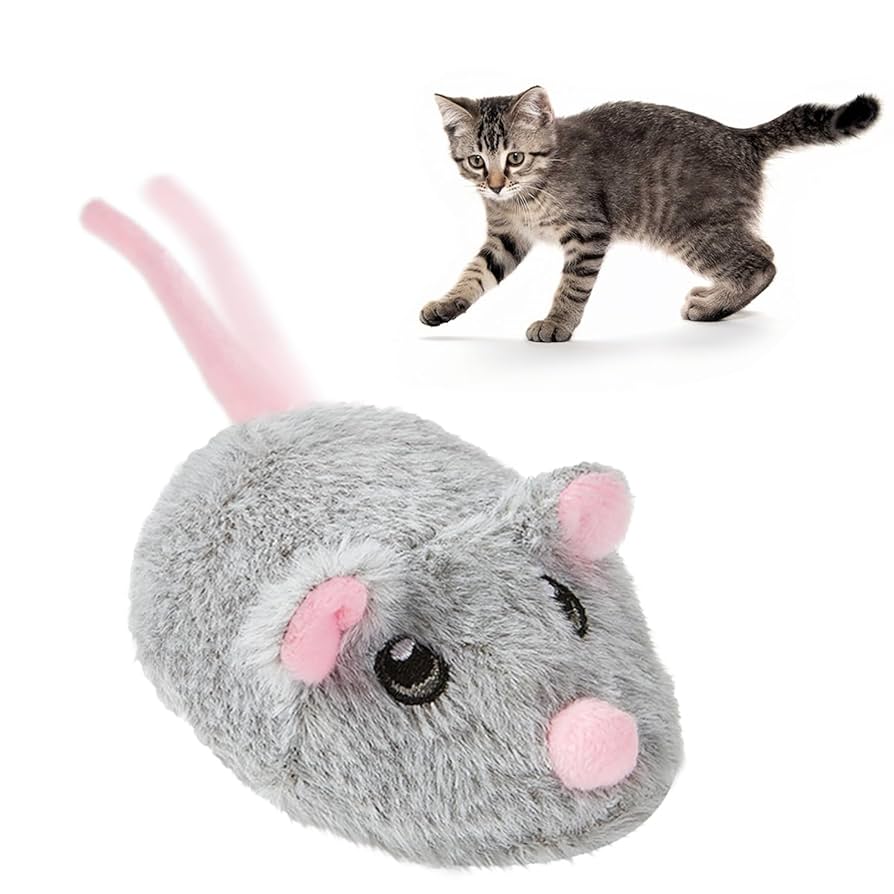
Are mice sneaking into your home and causing trouble? You might have heard that toy cats can help keep these pesky rodents away.
But does this really work, or is it just a myth? If you want to protect your space without using harmful traps or chemicals, understanding how toy cats affect mice could be a game-changer for you. Keep reading to discover the surprising truth and learn simple tips that can make a big difference in keeping your home mouse-free.

Credit: www.amazon.com
Toy Cats As Mouse Deterrents
Toy cats can act as simple mouse deterrents in homes and gardens. Their presence may trick mice into thinking a real cat is nearby. This can reduce mouse activity without harmful chemicals or traps. Placement and type of toy cat affect how well they work. Choose the right kind and position it smartly for better results.
Types Of Toy Cats Used
- Plastic or ceramic cats with lifelike shapes and colors
- Mechanical cats that move or make sounds to scare mice
- Stuffed fabric cats with realistic fur and size
- Glow-in-the-dark cats for nighttime visibility
- Motion-activated cats that respond to movement
Each type offers different levels of realism and effectiveness. Mechanical and motion-activated toys often work best. Static models still help by creating a visual threat.
Placement Strategies
- Put toy cats near mouse entry points or holes
- Place them in dark corners and behind furniture
- Change their locations regularly to keep mice guessing
- Use multiple toy cats for wider coverage
- Position near food storage areas to protect supplies
Strategic placement increases the chance mice will avoid your space. Mice fear open spaces and unknown objects. A well-placed toy cat adds to that fear.
Behavior Of Mice Around Toy Cats
Understanding how mice behave around toy cats can help you decide if these decorative items are effective in keeping rodents away. Mice rely heavily on their senses to detect threats and navigate their environment. Their reaction to toy cats depends on whether these objects trigger their natural instincts or simply blend into the background.
Mice Reactions To Static Objects
Mice often ignore static objects that don’t pose an immediate threat. A toy cat, being motionless, might not register as danger.
In my experience placing a toy cat near a pantry, mice seemed unfazed and continued their activity nearby. They rely on movement and scent more than just visual cues.
Static objects can sometimes cause initial caution, but if no other danger signals follow, mice quickly resume their routine. So, a stationary toy cat alone is unlikely to deter them effectively.
Influence Of Movement And Sound
Mice are highly sensitive to sudden movements and unfamiliar sounds. This is why real cats scare them away effectively.
A toy cat that moves or makes noise can create enough disturbance to unsettle mice. Some electronic versions with motion sensors and sound emitters show better success in repelling rodents.
Consider whether your toy cat has these active features. Without movement or sound, the toy remains just a decoration to mice, not a threat.
Comparing Toy Cats To Real Cats
Toy cats do not scare away mice like real cats do. Mice rely on movement and smell, which toy cats lack. Real cats hunt and deter mice naturally.
Comparing Toy Cats to Real Cats Toy cats and real cats may seem worlds apart, but when you’re looking to keep mice at bay, both have their unique roles. While real cats naturally chase and hunt mice, toy cats rely on their appearance and sometimes mechanical movements to mimic this predator-prey relationship. You might wonder if a toy cat can hold its own against a real one in terms of effectiveness. Let’s dive into this intriguing comparison.Effectiveness In Scaring Mice
Toy cats can be surprisingly effective at scaring mice, especially when they have features like motion sensors or realistic designs. Some toy cats emit sounds or move in ways that might startle a mouse. However, real cats have the innate ability to hunt and catch mice, which a toy simply cannot replicate. A real cat’s presence alone often deters mice due to the natural predator scent.Pros And Cons
Toy Cats:- Pros: Low maintenance, no need for feeding or grooming, and can be placed anywhere.
- Cons: Limited effectiveness without advanced features and cannot physically catch mice.
- Pros: Natural hunters, can catch and eliminate mice, and provide companionship.
- Cons: Require care, can be expensive, and might not always catch every mouse.
Alternative Mouse Control Methods
Mice can be a real problem in homes and gardens. Toy cats might look cute, but they don’t stop mice. Using other ways to control mice works better. These options target mice directly and keep them away safely.
Natural Deterrents
Some smells and plants keep mice away without chemicals. Peppermint oil is one popular choice. Mice dislike its strong smell. Placing cotton balls soaked in peppermint oil near entry points helps.
Other natural options include:
- Cloves and cayenne pepper
- Garlic bulbs or powder
- Fresh mint plants
These scents confuse mice and stop them from entering your space.
Mechanical Traps
Traps catch mice quickly and without poison. Snap traps kill mice instantly. They are cheap and easy to use.
Live traps catch mice alive. You can release them far from your home. Use gloves to avoid smells that attract more mice.
Place traps along walls or in dark corners. Mice usually travel close to walls for safety.
Chemical Solutions
Rodenticides are chemicals made to kill mice. They work fast but need careful use. Keep them away from pets and children.
Use baits in tamper-proof bait stations. These stop accidental contact and keep poison only for mice.
Always follow label instructions for safety. Chemical methods can reduce mice but should be part of a bigger plan.
Scientific Studies And Findings
Understanding whether toy cats can keep mice away requires looking at scientific studies and findings. Researchers have explored how visual cues impact rodent behavior and what role imitation predators might play. Let’s dive into research that sheds light on these questions.
Research On Visual Deterrents
Scientists have tested various visual deterrents to see how mice react. Studies show that static objects, like toy cats, often fail to scare away mice for long. Mice quickly learn that these objects pose no real threat and return to their usual habits.
One experiment placed fake predators in rodent-infested areas. Initially, rodents avoided these spots. But within days, the mice resumed activity, ignoring the decoys. This suggests that movement and unpredictability are key factors in scaring rodents.
Have you noticed how your pet cat’s movements naturally keep mice at bay? Visual deterrents without motion lack this essential element. This is why toy cats alone rarely provide lasting protection against mice.
Behavioral Insights
Mice rely heavily on their senses to detect danger, including smell, sound, and sight. While a toy cat can trigger initial caution, mice soon realize the lack of other predator cues. Without the smell or sound of a real cat, the threat feels fake.
Behavioral studies reveal that rodents quickly adapt to static, non-threatening objects. They are curious and will investigate toys, which can sometimes even encourage exploration rather than avoidance.
What if you combined visual deterrents with other methods, like natural scents or sounds? Many experts recommend a multi-sensory approach to keep mice truly at bay. This insight can help you develop more effective pest control strategies beyond just placing a toy cat.

Credit: www.amazon.com
Practical Tips For Mouse Prevention
Keeping mice away can feel like a constant battle, but there are practical steps you can take to protect your home effectively. Simple actions in home maintenance and using safe deterrents make a big difference. These tips are easy to follow and help you create an environment mice want to avoid.
Home Maintenance
Sealing entry points is one of the most effective ways to stop mice from entering your home. Check for small cracks around doors, windows, and the foundation. Even gaps as small as a dime can be a perfect mouse highway.
Keep your home clean and clutter-free. Food crumbs and open trash cans attract mice quickly. Store food in airtight containers, and don’t leave pet food out overnight.
Regularly inspect your attic, basement, and garage for signs of mice. Removing nesting materials like paper and fabric reduces their temptation to settle in. Have you checked those hidden corners recently?
Safe Deterrent Use
Using deterrents that are safe for both humans and pets is crucial. Peppermint oil is a popular natural choice; mice dislike its strong smell. Dab cotton balls with peppermint oil and place them near suspected entry points.
Ultrasonic repellents can also help, but their effectiveness varies. They emit high-frequency sounds that irritate mice but are silent to people. Make sure to combine these with other prevention methods for better results.
Avoid harmful poisons or traps if you have children or pets. Instead, consider humane traps that allow you to release mice far from your home. Have you tried switching to safer options yet?
Credit: www.petsradar.com
Frequently Asked Questions
Do Toy Cats Scare Mice Effectively?
Toy cats do not scare mice effectively. Mice rely on movement and scent to detect threats. Since toy cats lack these, they usually fail to keep mice away.
Can A Toy Cat Replace A Real Cat For Pest Control?
No, toy cats cannot replace real cats for pest control. Real cats hunt and emit natural scents that deter mice, unlike inanimate toy cats.
Why Don’t Mice Fear Toy Cats?
Mice don’t fear toy cats because they lack movement and scent. Mice respond to active predators, making static toys ineffective as repellents.
Are There Better Alternatives To Toy Cats For Mice Control?
Yes, better alternatives include traps, ultrasonic repellents, and real cats. These methods actively target mice and are more reliable for pest control.
Conclusion
Toy cats may look like real cats, but they do not chase mice. Mice rely on their senses and can tell the difference easily. Real cats use movement and smell to scare mice away. Toy cats stay still and silent, so mice feel safe near them.
To keep mice away, better use real traps or a live cat. Toy cats can decorate your home but won’t stop mice. Remember, a toy cat is just a toy, not a pest control tool. Choose the right method to keep your home mouse-free.


Leave a Reply