Are you dreaming of having a furry friend but worried about allergies? You’re not alone.
Many cat lovers hesitate because they fear sneezing, itchy eyes, or worse. What if you could find a cat breed that’s kinder to your allergies? Imagine enjoying cuddles and purrs without the discomfort. You’ll discover the most hypoallergenic cat breeds that might just be perfect for you.
Keep reading to find your ideal, allergy-friendly companion!
Hypoallergenic Cats Explained
Many people love cats but struggle with allergies, making the idea of a hypoallergenic cat very appealing. Understanding what hypoallergenic means can help you find a furry friend that fits your lifestyle without the sneezing and itching. Let’s clear up what makes some cats easier on allergy sufferers than others.
Why Some Cats Trigger Allergies
Allergic reactions to cats usually come from proteins found in their skin cells, saliva, and urine—not just their fur. When cats groom themselves, these proteins stick to their fur and skin flakes, which then spread around your home.
One main culprit is a protein called Fel d 1, produced mostly in a cat’s saliva and skin glands. When it dries and becomes airborne, it can easily enter your nose and eyes, triggering allergy symptoms.
Have you noticed that you might react differently to some cats? That’s because the amount of Fel d 1 and other allergens varies from cat to cat. Breed, gender, and even individual cat habits affect how much allergen they produce.
What Makes A Cat Hypoallergenic
A hypoallergenic cat produces fewer allergy-causing proteins or sheds less dander, reducing the chance of a reaction. This doesn’t mean zero allergies, but a better chance for you to live comfortably with your pet.
Some breeds naturally produce less Fel d 1, while others have coats that trap allergens instead of spreading them around. For example, cats with hair that doesn’t shed much can help keep allergens contained.
Think about your environment: regular grooming, cleaning, and air filtration can also make a big difference, even with hypoallergenic breeds. So, choosing a hypoallergenic cat is just one piece of the puzzle.
Top Hypoallergenic Cat Breeds
Many people with allergies want a cat but worry about reactions. Hypoallergenic cat breeds produce fewer allergens. These cats are easier to live with for sensitive individuals. Here are some of the top hypoallergenic cat breeds that suit allergy sufferers.
Siberian Cats
Siberian cats have thick, water-resistant coats. They produce less of the Fel d 1 protein. This protein causes most cat allergies. Siberians are friendly and playful pets. Their hypoallergenic quality makes them popular among allergy sufferers.
Balinese Cats
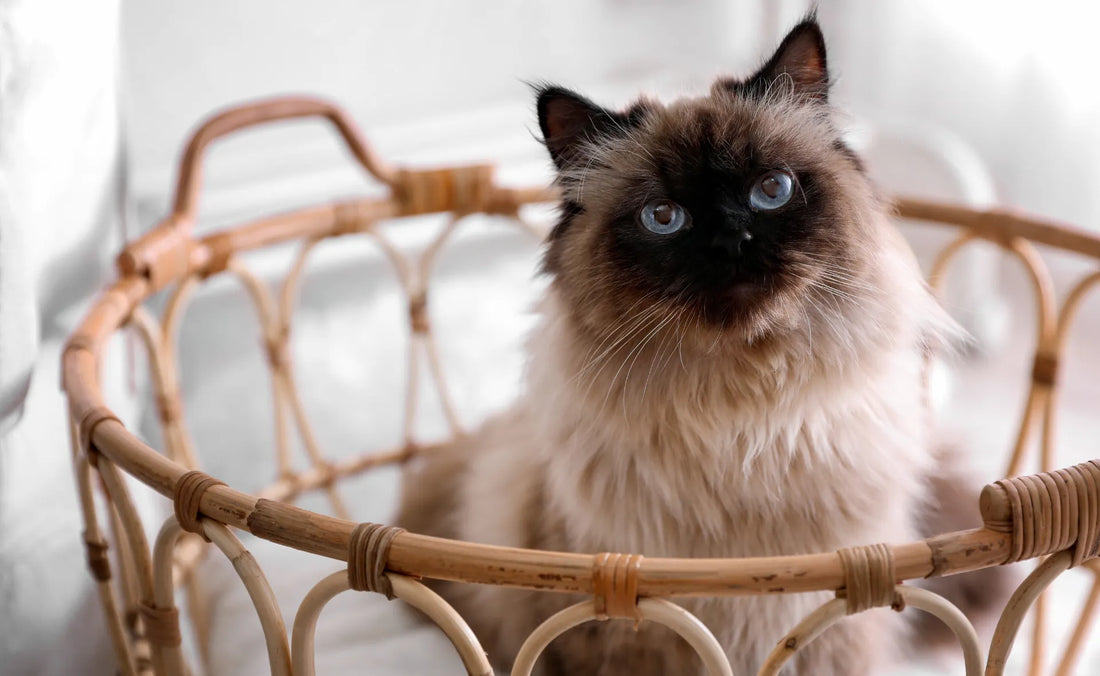
Balinese cats are like long-haired Siamese cats. They have a fine coat that sheds less dander. Their lower allergen production helps reduce reactions. These cats are intelligent and social. They enjoy being around people and other pets.
Bengal Cats
Bengal cats have short, dense fur that resists shedding. Their coat limits the spread of allergens. Bengals are active and curious cats. They need lots of playtime and mental stimulation. Their hypoallergenic nature suits active households.
Russian Blue Cats
Russian Blues have short, dense fur with a soft texture. They produce fewer allergens than many other cats. Their calm and gentle personality fits well in quiet homes. Russian Blues are loyal companions and easy to care for.
Devon Rex Cats
Devon Rex cats have curly, short coats that shed very little. Their unique fur traps allergens close to the skin. These cats are playful and love attention. Their hypoallergenic traits make them good for allergy sufferers.
Cornish Rex Cats
Cornish Rex cats have soft, wavy fur that lies close to the body. They shed less and produce fewer allergens. These cats are energetic and enjoy interaction. They adapt well to families and apartments.
Sphynx Cats
Sphynx cats are hairless but still produce some allergens. Their lack of fur reduces dander spread. Regular baths help keep allergens low. Sphynx cats are affectionate and love human company. They need care to keep their skin healthy.
Oriental Shorthair Cats
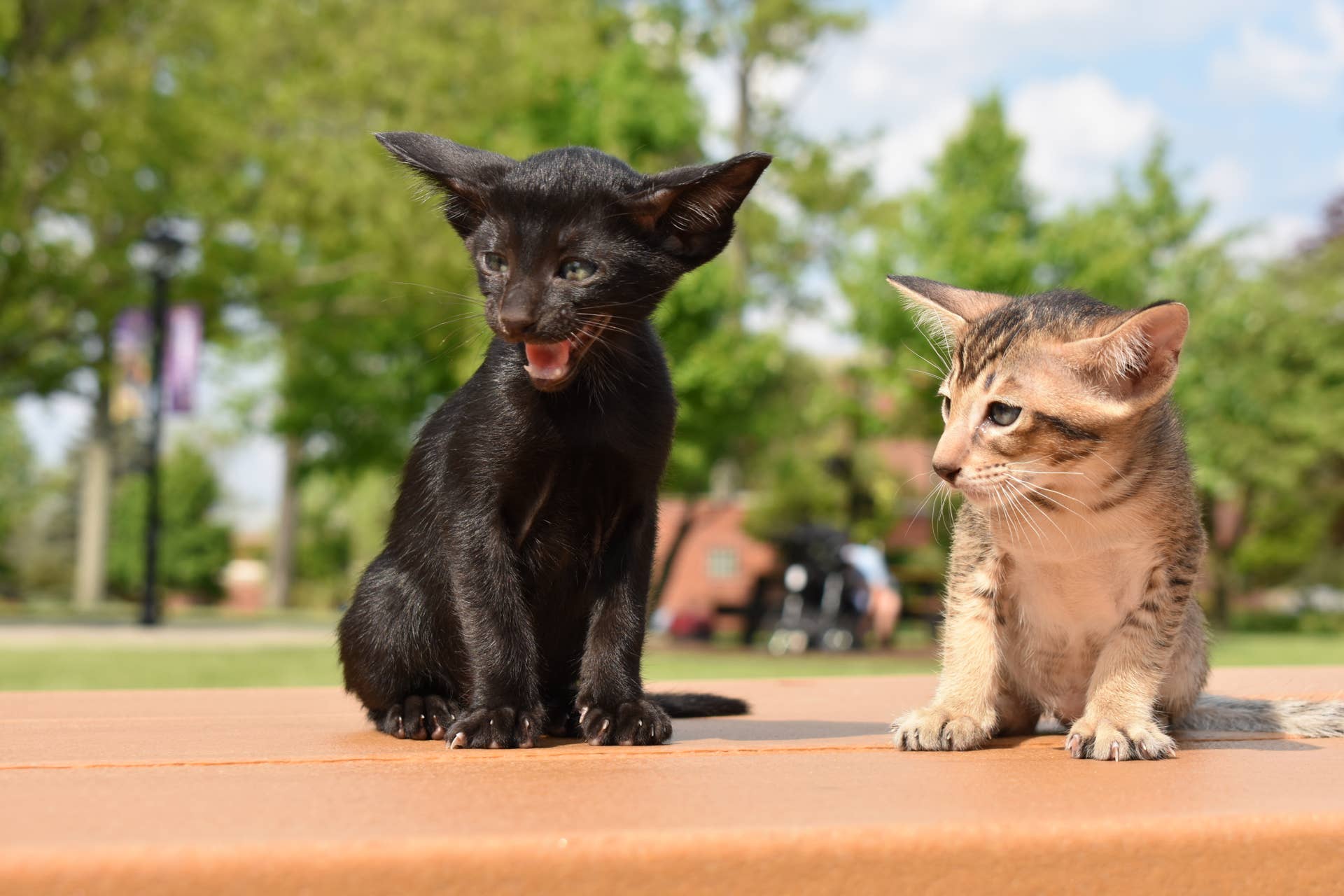
Oriental Shorthair cats have sleek, short coats that shed minimally. They produce fewer allergens than many breeds. These cats are vocal and social. They enjoy play and companionship. Their hypoallergenic coat suits many allergy-prone homes.
Factors Affecting Cat Allergies
Cat allergies depend on proteins found in their skin, saliva, and fur. Some breeds produce fewer allergens, making them easier to tolerate. Choosing hypoallergenic cats can reduce allergy symptoms significantly.
Understanding the factors affecting cat allergies can be a game-changer for those who love cats but suffer from allergic reactions. It’s not just about choosing the right breed; it’s about knowing the specific elements that contribute to allergies. By understanding what triggers your symptoms, you can take steps to minimize them and enjoy the companionship of a feline friend.Protein Levels In Saliva And Skin
The proteins found in a cat’s saliva and skin are primary culprits in triggering allergic reactions. Notably, the Fel d 1 protein is the main allergen. Some cat breeds produce less of this protein, making them more hypoallergenic. Imagine the difference if your cat produces lower levels of allergens. Your symptoms might be less severe, allowing you to spend more quality time with your cat. Wouldn’t that be a relief?Shedding And Dander Production
Cats that shed less often carry less dander, which is a combination of dead skin cells and proteins. Less shedding translates to fewer allergens being released into your home environment. Breeds like the Siberian or Balinese are known for their minimal shedding. Picture your home with fewer hairballs and allergens—sounds ideal, doesn’t it?Grooming Habits
A cat’s grooming habits significantly impact allergen spread. Cats that groom less frequently release fewer allergens into their surroundings. However, regular grooming by you can also reduce allergens. By taking control of your cat’s grooming routine, you can limit the spread of allergens. Imagine a simple brush session reducing your allergy symptoms. Isn’t that a practical solution? Understanding these factors can help you make informed decisions and possibly coexist happily with a feline companion. What steps will you take to manage your cat allergies effectively?
Credit: zigly.com
Managing Allergies With Cats
Managing allergies while living with cats can be challenging but possible. Many cat lovers face sneezing, itchy eyes, or skin rashes due to allergens. These allergens come from cat saliva, skin flakes, and urine, not just fur. Taking the right steps reduces allergic reactions and helps enjoy time with cats. Adjusting cleaning habits, selecting suitable cat breeds, and using treatments ease allergy symptoms. Understanding these aspects improves comfort and health for sensitive individuals.
Cleaning And Home Environment Tips
Keep your home clean to lower allergens. Use a vacuum with a HEPA filter to catch fine particles. Clean floors, carpets, and furniture often. Wash cat bedding weekly in hot water. Wipe down hard surfaces with a damp cloth. Keep cats out of bedrooms and off soft furniture. Use air purifiers to reduce airborne allergens. Groom your cat regularly to remove loose hair and dander. Bathing cats may help but check with a vet first.
Choosing The Right Cat For Allergies
Some cats produce fewer allergens and suit allergy sufferers better. Hypoallergenic breeds have less dander or saliva proteins. Consider breeds like the Siberian, Balinese, or Sphynx. These cats can reduce allergic reactions but do not eliminate them. Spend time with the cat before adoption to test your allergies. Adult cats often trigger fewer reactions than kittens. Choose cats with short or less dense fur for easier cleaning.
Medication And Allergy Treatments
Allergy medicines help control symptoms around cats. Antihistamines reduce sneezing and itching. Nasal sprays clear congestion and inflammation. Allergy shots (immunotherapy) may provide long-term relief. Consult a doctor before using any treatment. Keep medicines handy during cat interactions. Using eye drops can soothe irritated eyes. Combine medication with cleaning and cat selection for best results.
Myths About Hypoallergenic Cats
Many people believe hypoallergenic cats don’t trigger allergies at all. This is a common myth that can lead to misunderstandings and disappointments. Understanding the truth behind hypoallergenic cats helps you make better choices for your home and health.
No Cat Is 100% Hypoallergenic
It’s important to know that no cat breed is completely hypoallergenic. All cats produce allergens like the Fel d 1 protein, which can cause reactions.
Even breeds labeled as hypoallergenic still release allergens, but often in smaller amounts. Your personal sensitivity plays a big role in how you react. Have you ever noticed different reactions to cats that look similar? That’s because allergen levels vary.
Breed Vs Individual Variation
Breed matters, but individual cats within the same breed can produce very different allergen levels. Some cats naturally produce less Fel d 1, regardless of breed.
This means you can find a more allergy-friendly cat in breeds not typically considered hypoallergenic. Spending time with a cat before adoption can reveal how your allergies respond. Have you tried this approach before?
Credit: pethelpful.com

Credit: talis-us.com
Frequently Asked Questions
What Makes A Cat Breed Hypoallergenic?
Hypoallergenic cats produce fewer allergens like Fel d 1 protein. This reduces allergic reactions in sensitive people. They shed less dander, which carries allergens. Hypoallergenic does not mean allergen-free but usually safer for allergy sufferers.
Which Cat Breeds Are Best For Allergy Sufferers?
Breeds like Siberian, Balinese, Sphynx, and Russian Blue are known for lower allergen levels. These cats produce fewer proteins that trigger allergies. They are often recommended for people with mild to moderate cat allergies.
Can Hypoallergenic Cats Completely Prevent Allergies?
No cat breed is 100% hypoallergenic. Allergies depend on individual sensitivity and allergen exposure. Hypoallergenic breeds reduce symptoms but might not fully prevent reactions. Proper cleaning and grooming help manage allergy symptoms alongside choosing the right breed.
Are Hypoallergenic Cats Low-shedding Or Hairless?
Many hypoallergenic cats shed less, like the Russian Blue or Balinese. Hairless breeds like Sphynx have no fur but still produce allergens in skin oils. Reduced shedding lowers allergen spread but grooming is still necessary to control allergens.
Conclusion
Choosing a hypoallergenic cat breed can ease allergy symptoms greatly. These breeds produce fewer allergens, making them friendlier for sensitive people. Each cat has a unique personality and care needs. Spend time with the breed before making a decision. A happy cat means a happy home for everyone.
Enjoy the company of a furry friend without constant sneezing. Your perfect pet might be one of these special breeds. Take your time and find the right match. Love and care matter most in any pet relationship.

Leave a Reply