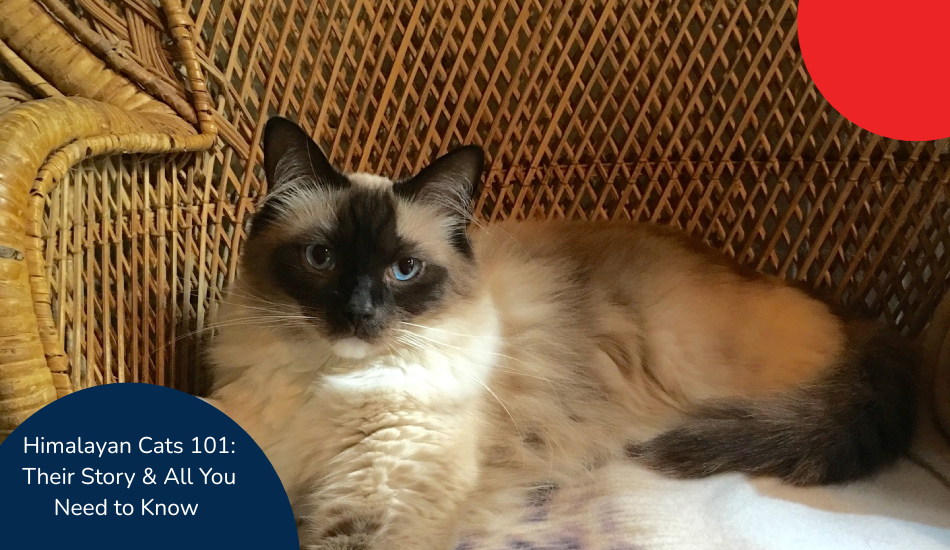
If you have a Himalayan cat, you know how stunning and unique they are. But keeping their thick, beautiful coat looking its best takes some special care.
You might wonder how to groom your Himalayan cat without stressing them out or missing important steps. This guide will show you simple, effective ways to keep your furry friend comfortable and looking amazing. By following these tips, you’ll make grooming easier for both you and your cat—and enjoy a stronger bond along the way.
Ready to learn how to care for your Himalayan’s coat like a pro? Let’s dive in!
Credit: vogdog.com
Himalayan Cat Coat Characteristics
The Himalayan cat’s coat is one of its most stunning features, but it also demands special attention. Understanding the unique characteristics of this breed’s fur helps you provide the best care. Let’s look closer at what makes the Himalayan coat special and how you can keep it looking its best.
Fur Texture And Length
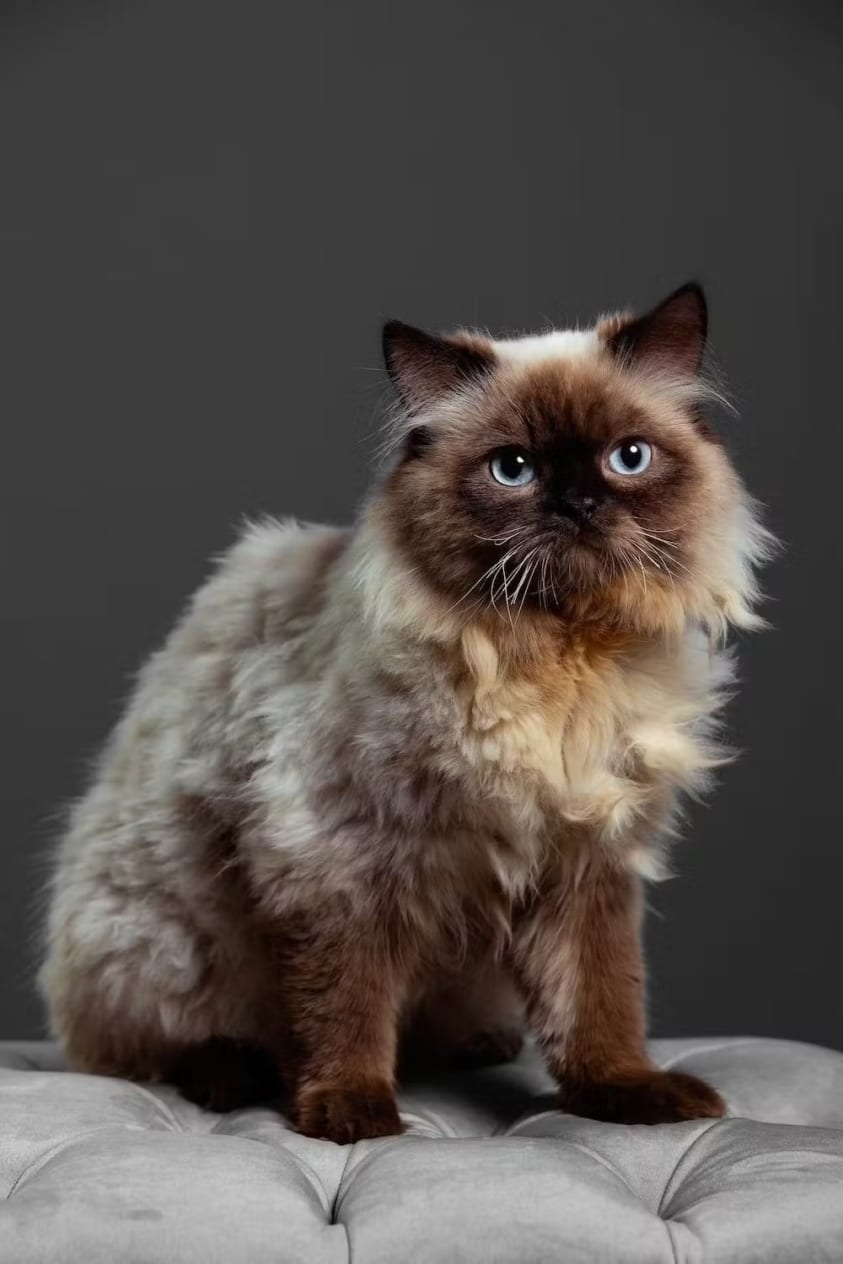
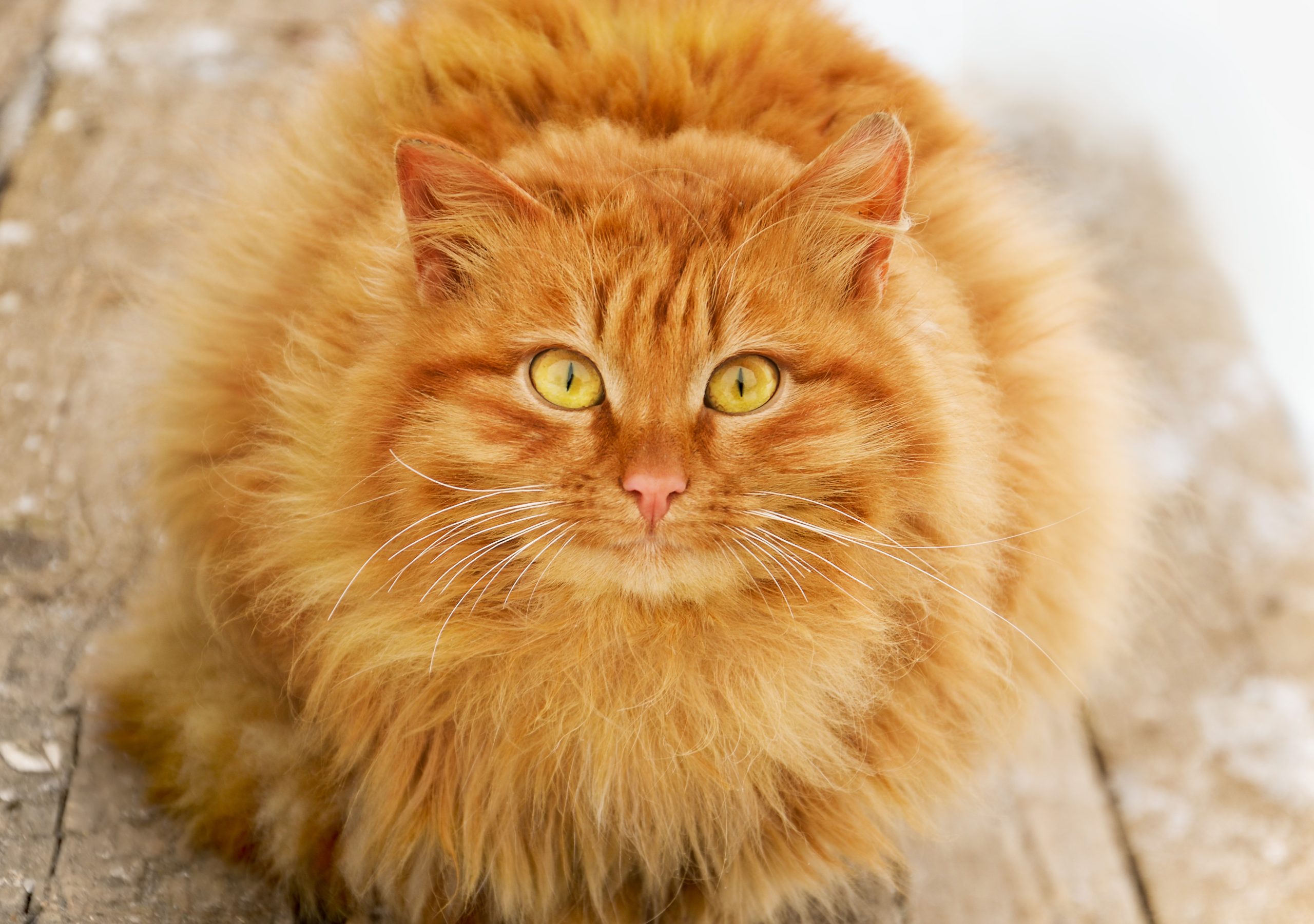
The Himalayan cat has a long, thick, and silky coat that feels soft to the touch. Its fur is dense, which means it can easily tangle or mat if not brushed regularly. You might notice that the undercoat is plush, adding volume and warmth.
Because of this texture, your grooming routine should include daily brushing to avoid knots. Using a wide-toothed comb followed by a soft bristle brush works well to reach both the undercoat and the surface fur. Have you noticed how skipping a day can already lead to tangles?
Common Coat Colors
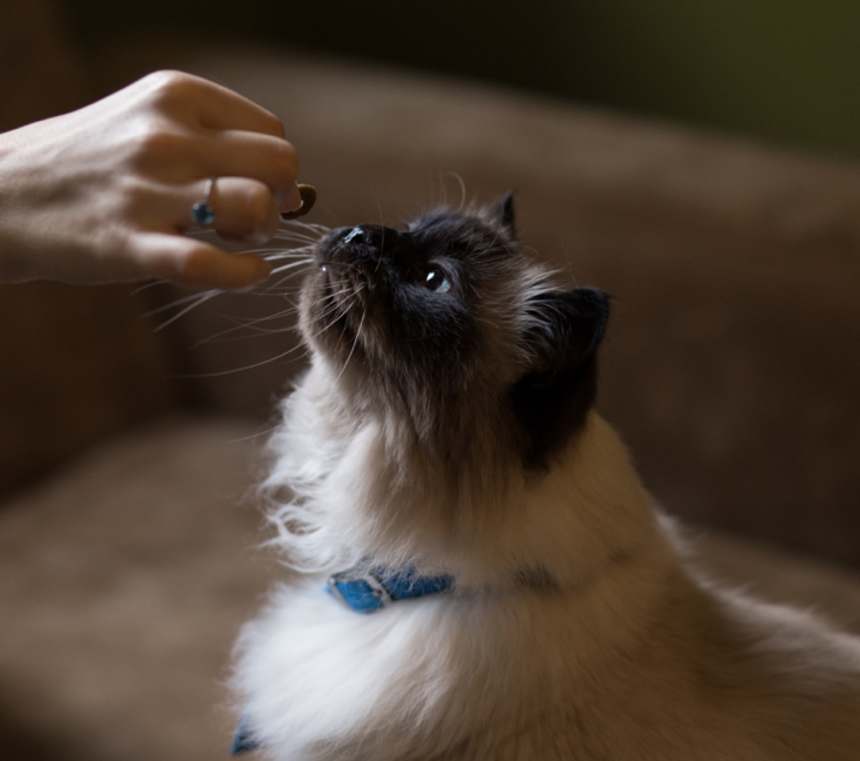
Himalayans are known for their striking color points, similar to Siamese cats, but with a softer, fuller appearance. The most common colors include:
- Seal Point – dark brown on ears, face, paws, and tail
- Blue Point – bluish-gray points
- Chocolate Point – rich, warm brown points
- Lilac Point – pale, frosty gray with a pinkish hue
- Flame Point – reddish-orange points
- Caramel Point – warm beige points
Each color variation requires the same grooming care, but it’s fascinating how the points contrast beautifully against the lighter body fur. Have you ever wondered how these colors develop and stay vibrant? Keeping your cat’s coat clean and well-groomed helps maintain those clear, vivid points.
Credit: www.adoptapet.com
Daily Grooming Essentials
Keeping your Himalayan cat well-groomed every day is key to maintaining its stunning coat and overall health. Daily grooming helps prevent matting, reduces shedding, and keeps your cat comfortable. It also provides a chance to check for any skin issues or parasites early on.
Brushing Techniques
Choose a slicker brush or a wide-toothed comb to gently work through your Himalayan’s dense fur. Start at the head and move towards the tail, brushing in the direction of hair growth to avoid pulling or discomfort.
Pay special attention to areas prone to tangles like behind the ears, under the legs, and around the neck. Use short, gentle strokes and hold the fur close to the skin to minimize tugging.
Brushing daily not only keeps the coat smooth but also stimulates natural oils that keep the fur shiny. Have you noticed how your cat reacts when you take time to brush carefully? Their relaxed posture often shows they enjoy this bonding time as much as you do.
Bathing Frequency
Himalayan cats generally don’t need frequent baths if you brush them regularly. Bathing once every 4 to 6 weeks is enough to keep their coat clean without stripping natural oils.
Use a mild cat shampoo formulated for long-haired breeds. Rinse thoroughly to avoid any residue that could irritate the skin.
After the bath, gently towel dry and use a low-heat blow dryer if your cat tolerates it. Keeping the coat dry prevents skin problems and helps maintain the fluffy look you love.
Tools For Grooming
Essential tools for grooming a Himalayan cat include a wide-tooth comb, a soft-bristle brush, and nail clippers. Regular use helps keep their thick fur smooth and prevents mats. Gentle care supports their comfort and health.
Grooming your Himalayan cat is more than just a task; it’s an experience that strengthens your bond with your feline friend. The right tools can make this process smoother and more enjoyable for both you and your cat. With their long, luxurious coats, Himalayan cats require specific grooming tools to keep their fur tangle-free and their skin healthy. Let’s dive into the essential tools that will make grooming your Himalayan cat a breeze.Best Brushes And Combs
Selecting the right brush or comb is crucial for maintaining your Himalayan cat’s coat. A slicker brush is a must-have in your grooming arsenal. It effectively removes loose hair and prevents matting, which is common in long-haired breeds. In addition to a slicker brush, a metal comb with both wide and narrow teeth is ideal for tackling tangles. The wide teeth help detangle knots, while the narrow teeth smooth out the coat. Using both tools regularly will keep your cat’s fur looking its best.Grooming Accessories
Besides brushes and combs, there are other grooming accessories that can enhance your grooming routine. Grooming gloves can be a fantastic alternative if your cat is not fond of brushes. They allow you to gently remove loose hair while petting your cat, turning grooming into a bonding experience. Another useful accessory is a detangling spray. A few spritzes can make brushing easier, reducing the discomfort for your cat and the effort for you. It can be especially helpful during shedding seasons when tangles are more frequent. Have you ever considered adding a grooming mat to your setup? It not only provides a comfortable surface for your cat but also collects loose fur, keeping your space tidy. Investing in the right grooming tools and accessories can transform grooming from a chore into a cherished time with your pet.
Credit: www.youtube.com
Dealing With Mats And Tangles
Mats and tangles are common challenges when grooming your Himalayan cat. Their long, dense fur can easily knot if not cared for regularly. Tackling these knots requires patience and the right techniques to keep your cat comfortable and their coat healthy.
Preventive Measures
Regular brushing is your best defense against mats. Aim to brush your Himalayan’s coat at least 3-4 times a week to catch tangles before they form.
Use a wide-toothed comb first to gently loosen any small knots, then follow with a finer brush. This two-step approach reduces pulling and discomfort.
Check common trouble spots like behind the ears, under the legs, and around the neck. These areas tend to tangle quickly and need extra attention.
Think about your cat’s daily routine—does she spend time outdoors or get wet often? These factors can increase matting risk, so extra grooming on those days helps.
Safe Removal Methods
If you find a mat, resist the urge to pull hard. Pulling can hurt your cat and damage their skin.
Try gently separating the mat with your fingers first. If that doesn’t work, use a mat splitter or dematting tool designed for cats.
Work slowly from the edges of the mat toward the center. Holding the fur close to the skin reduces tension and pain.
Never use scissors near your cat’s skin unless you are very confident. If a mat is too tight or large, it’s best to seek help from a professional groomer.
Have you noticed how mats affect your cat’s mood? Keeping grooming stress-free helps your Himalayan stay happy and trust you more during each session.
Maintaining Skin Health
Maintaining healthy skin is vital for your Himalayan cat’s overall well-being. Their thick fur can hide skin problems, so regular checks are important. Healthy skin supports a shiny coat and keeps your cat comfortable.
Signs Of Skin Issues
- Redness or inflammation
- Dry, flaky patches
- Excessive scratching or licking
- Hair loss or bald spots
- Scabs or sores
- Unusual odors from the skin
Spotting these signs early helps prevent serious problems. Check your cat’s skin during grooming sessions.
Moisturizing And Care
Use gentle, cat-safe moisturizers to keep skin soft. Avoid human lotions as they can harm your cat.
Bath your Himalayan with mild shampoo designed for cats. This removes dirt and prevents dryness.
Brush fur regularly to distribute natural oils evenly. It improves skin hydration and reduces mats.
Keep your cat’s environment clean and stress-free. Good air quality and a calm space benefit skin health.
Diet And Coat Quality
Your Himalayan cat’s diet plays a crucial role in maintaining its luxurious coat. A balanced diet ensures that the fur stays soft, shiny, and less prone to matting. Paying attention to what your cat eats can save you hours of grooming time and keep your pet looking healthy and vibrant.
Nutritional Needs
Himalayan cats need a diet rich in high-quality protein to support their thick fur and muscle health. Look for cat foods that list real meat, like chicken or fish, as the first ingredient. Avoid fillers such as corn or soy, which provide little nutritional value.
Fatty acids, especially omega-3 and omega-6, are essential for coat health. These fats help reduce inflammation and promote a glossy sheen. You can find these in fish oils or flaxseed oils, often included in premium cat foods.
Supplements For Shine
Sometimes, a regular diet might not provide all the nutrients your Himalayan needs. Adding supplements like fish oil capsules can boost coat shine and reduce shedding. Just a small dose mixed into their food a few times a week can make a noticeable difference.
Biotin and vitamin E supplements also support skin and coat condition. However, always check with your vet before adding supplements to avoid overdosing. Have you ever noticed your cat’s fur improving after a diet change or a supplement addition? Paying attention to these details can transform your grooming routine.
Professional Grooming Tips
Professional grooming is key to keeping your Himalayan cat looking and feeling their best. These cats have long, thick fur that can mat easily without proper care. Getting expert help ensures your pet stays comfortable and healthy, especially if you’re unsure how to tackle tricky grooming tasks at home.
When To Visit A Groomer
Knowing the right time to take your Himalayan to a groomer can save you from a lot of stress. If you notice mats forming, especially around the neck, belly, or behind the ears, it’s a clear signal. Regular visits every 6 to 8 weeks usually work well for most Himalayans.
Look out for changes in your cat’s behavior too. If they start avoiding being touched or seem uncomfortable, their fur could be causing pain. Professional groomers can handle these issues safely and gently.
What To Expect
A professional groomer will carefully assess your Himalayan’s coat and skin condition first. They will usually start by brushing out mats with special tools designed to avoid hurting your cat. Bathing may follow, using gentle, cat-safe shampoos that keep the fur soft and clean.
Experienced groomers often trim the fur around sensitive areas like the paws, rear, and face. This helps prevent dirt buildup and keeps your cat comfortable. You can also expect nail trimming and ear cleaning as part of the service, which are essential for overall health.
Have you ever watched a groomer work with a nervous cat? Their calm approach and slow movements can make a huge difference. If you feel overwhelmed by grooming tasks, a professional’s help can turn a stressful chore into a positive experience for both you and your Himalayan.
Common Grooming Mistakes
Grooming a Himalayan cat takes care and attention. Mistakes during grooming can cause discomfort or harm. Many owners try hard but miss key points. These common errors can be avoided with simple tips.
Understanding these mistakes helps keep your cat healthy and happy. Proper grooming supports their thick, long coat and sensitive skin. It also builds trust between you and your pet.
Avoiding Over-grooming
Over-grooming can hurt your Himalayan cat’s skin. Too much brushing strips natural oils. This leads to dry, irritated patches and hair loss. Brush only as often as needed.
- Check the coat before grooming. If it looks clean and smooth, skip brushing.
- Use a gentle brush designed for long-haired cats.
- Stop if your cat shows signs of discomfort or stress.
Focus on problem areas like mats or tangles. Avoid brushing the entire body every day.
Handling Grooming Stress
Stress during grooming makes cats scared or aggressive. Avoid forcing your cat to stay still. Keep sessions short and calm. Use soft voices and slow movements.
- Groom in a quiet place with few distractions.
- Give treats or praise to reward good behavior.
- Break grooming into small steps over several days.
Watch your cat’s body language. Stop if you see signs of fear or pain. Patience helps your Himalayan enjoy grooming time.
Frequently Asked Questions
How Often Should I Groom My Himalayan Cat?
Groom your Himalayan cat daily to prevent mats and tangles. Their long fur requires regular brushing for a healthy coat and skin.
What Tools Are Best For Grooming Himalayan Cats?
Use a wide-tooth comb, slicker brush, and grooming scissors. These tools help remove loose hair and maintain your cat’s coat.
How Do I Prevent Mats In Himalayan Cat Fur?
Brush your cat gently every day, focusing on problem areas. Regular grooming and checking for knots stops mats before they form.
Can Grooming Help Reduce Himalayan Cat Shedding?
Yes, regular grooming removes loose hair and reduces shedding. It keeps your home cleaner and your cat comfortable.
Conclusion
Grooming your Himalayan cat keeps its coat soft and healthy. Regular brushing stops mats and tangles from forming. Clean their eyes and ears gently to avoid infections. Short grooming sessions help your cat feel calm and safe. Consistent care builds a strong bond with your pet.
Enjoy the time spent caring for your Himalayan cat daily. Good grooming makes your cat happy and comfortable. Simple steps lead to a beautiful, well-groomed cat every day.

Leave a Reply