Have you ever wondered if your cat’s breed affects how long they’ll be by your side? You want your furry friend to live a long, happy life, but do different cat breeds really have different lifespans?
Understanding this can help you give your cat the best care possible and prepare for the years ahead. Keep reading to discover surprising facts about cat breeds and their lifespans that every cat lover should know. Your cat’s future may depend on what you learn next.
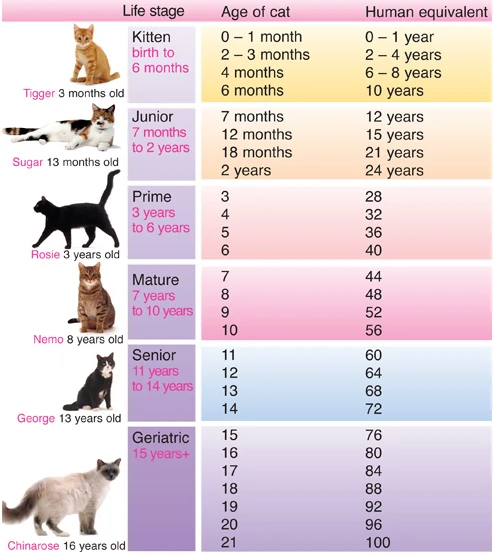
Credit: cats.fandom.com
Cat Lifespan Basics
Understanding the basics of cat lifespans helps you set realistic expectations for your feline friend’s years ahead. Cats, like people, have a range of life expectancy influenced by many factors. Knowing what impacts their longevity can guide you to make choices that support a longer, healthier life for your pet.
Average Lifespan Range
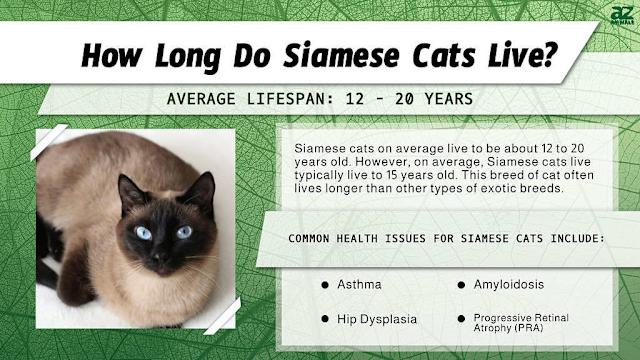
Most domestic cats live between 12 and 16 years, but some can reach their early 20s with proper care. Indoor cats tend to live longer than outdoor cats because they face fewer risks like accidents and diseases. Certain breeds may have shorter or longer average lifespans; for example, Siamese cats often live into their late teens, while some larger breeds like Maine Coons may have a slightly shorter average.
Factors Affecting Longevity
Your cat’s lifespan depends on several key factors beyond breed. Diet plays a crucial role—feeding high-quality, balanced food helps maintain their health. Regular veterinary check-ups catch problems early, increasing survival chances.
Environment matters too. Cats kept indoors avoid many dangers but need enough stimulation to prevent obesity and boredom. Genetics influence their susceptibility to certain diseases, so knowing your cat’s family health history can be valuable.
Have you ever thought about how stress or changes in your cat’s environment might affect their lifespan? Minimizing stress and providing a stable home can make a real difference in their overall well-being and longevity.

Credit: manilastandard.net
Lifespan Variations By Breed
Cat breeds can live very different lengths of time. Lifespan changes a lot depending on the breed. Some cats may live over 15 years. Others might have shorter lives. Knowing these differences helps owners give better care. It also sets clear expectations about how long your pet may stay with you.
Long-lived Cat Breeds
Some cat breeds are famous for their long lives. These cats often live 15 years or more. Their strong health and good genes help them last longer.
- Siamese cats often live 15 to 20 years.
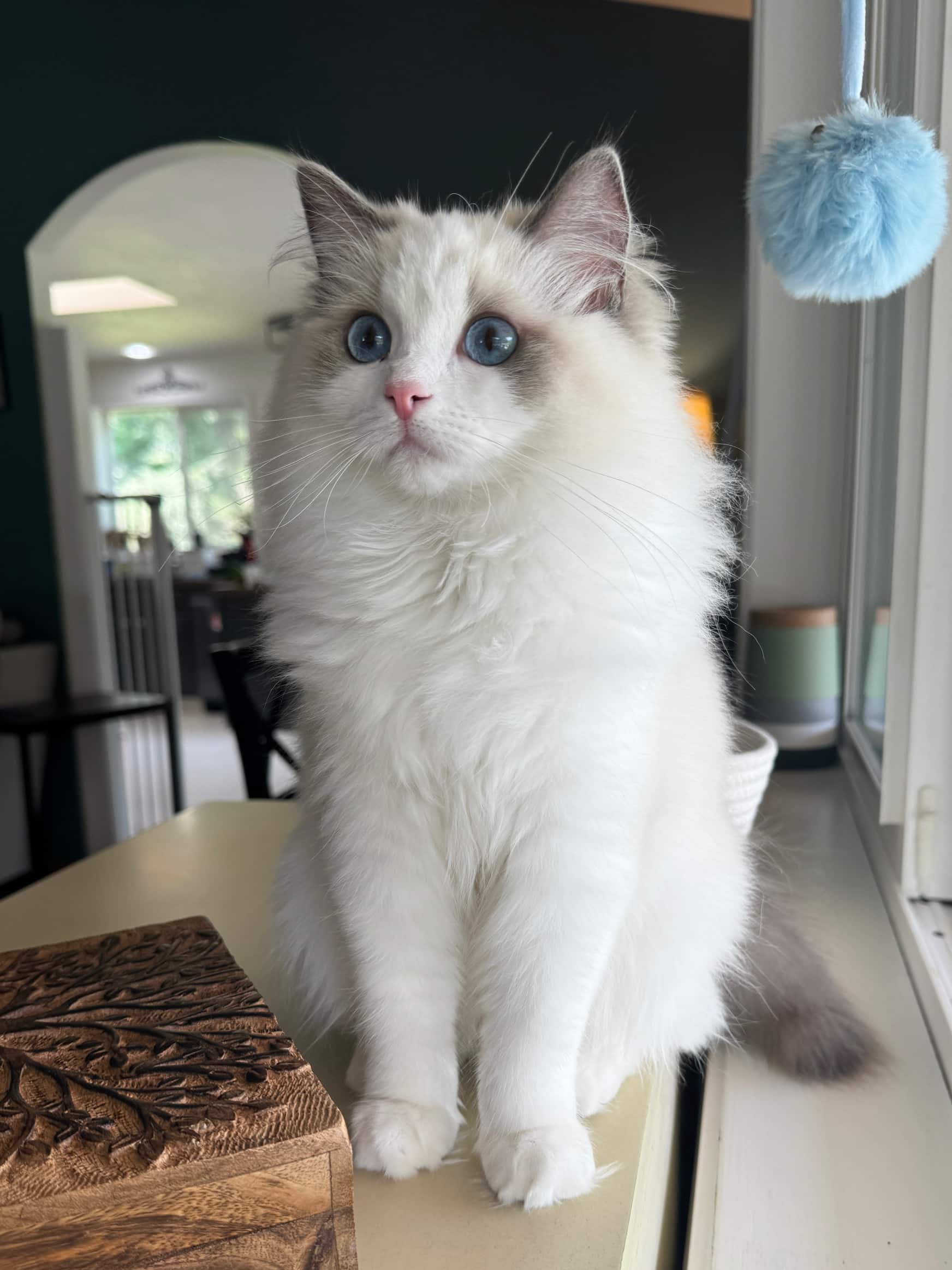
- Ragdolls can live up to 17 years or more.
- Burmeses usually reach 16 years.
- Russian Blue cats often live past 15 years.
These breeds tend to stay active and healthy well into old age.
Breeds With Shorter Lifespans
Some breeds have shorter average lifespans. This can be due to genetics or health issues common in the breed.
- Persian cats usually live around 12 to 15 years.
- Exotic Shorthairs often have lifespans near 12 years.
- British Shorthairs typically live 12 to 14 years.
These cats may need more health checkups and careful attention.
Mixed Breed Cats
Mixed breed cats often live longer than purebreds. Their diverse genes can protect them from some breed-specific diseases. Many mixed cats reach 15 years or more.
Good care, diet, and regular vet visits also boost lifespan. Mixed cats offer wonderful companionship with often fewer health risks.
Genetics And Health Issues
Different cat breeds often have varied lifespans due to genetic traits and health risks. Some breeds may face specific health issues that affect how long they live. Understanding these differences helps in providing better care for each breed.
The lifespan of a cat can be as unique as its breed, often influenced by genetics and health issues. Understanding the genetic makeup of your feline friend can give you a glimpse into potential health challenges and how long your pet might accompany you. Cats, like humans, can inherit certain diseases that might affect their lifespan.Inherited Diseases
Some cat breeds are predisposed to specific inherited diseases. For example, Persian cats are known to be prone to polycystic kidney disease, a genetic condition that can lead to kidney failure. You might be wondering if your cat is at risk. It’s essential to consult with your vet and consider genetic testing. This proactive approach can help you manage any potential health issues early on, ensuring a longer, healthier life for your cat.Breed-specific Health Risks
Each cat breed comes with its own set of health risks. Siamese cats, for example, are more susceptible to respiratory issues due to their distinct facial structure. Have you noticed your Siamese sneezing more than usual? Recognizing these breed-specific risks allows you to monitor symptoms closely and seek timely veterinary care. By staying informed, you give your cat the best chance at a healthy life. Knowing the genetic and health intricacies of your cat’s breed can be a game-changer. Isn’t it fascinating how much our pets’ lives are intertwined with their heritage? Taking the time to understand and address these aspects can significantly impact your furry friend’s wellbeing and longevity.
Credit: www.aol.com
Role Of Environment And Care
The lifespan of a cat breed depends heavily on its environment and care. A safe, clean home helps cats stay healthy. Stress-free surroundings support a longer, happier life.
Good care covers many areas. These include feeding, exercise, and medical attention. Each factor plays a role in how long cats live.
Nutrition And Diet
Proper nutrition fuels a cat’s body and mind. Balanced diets rich in protein help maintain muscle and energy. Avoid foods with too many fillers or artificial additives.
Fresh water must be available all day. Feeding schedules keep digestion steady. Special diets may be needed for some breeds or health issues.
Exercise And Mental Stimulation
Physical activity keeps cats fit and strong. Playtime reduces obesity and related diseases. Toys and climbing structures engage their natural hunting skills.
Mental challenges prevent boredom and stress. Puzzle feeders and new experiences spark curiosity. A stimulated cat tends to have better overall health.
Regular Veterinary Checkups
Routine vet visits catch problems early. Vaccinations protect against common diseases. Dental care prevents painful infections and tooth loss.
Health screenings help monitor chronic conditions. Weight checks ensure proper growth or maintenance. Timely treatments improve quality of life and longevity.
Surprising Lifespan Facts
Cats live different lengths depending on many factors. Breed is one, but many surprising things affect their lifespan. These facts can help you understand your cat’s health better.
Some cats live far beyond average ages. Others may live shorter lives due to lifestyle or health. Knowing these facts helps owners give better care.
Oldest Recorded Cats
The oldest cats lived more than 30 years. One cat named Creme Puff lived 38 years. Most cats live around 12 to 16 years. These oldest cats show what is possible with good care.
Impact Of Spaying And Neutering
Spaying or neutering cats can add years to their lives. It lowers risks of certain cancers and infections. These surgeries also reduce risky behaviors like fighting or roaming. This helps cats stay safer and live longer.
Unexpected Lifespan Influences
Other surprising factors affect how long cats live. Indoor cats usually live longer than outdoor cats. Diet, stress, and regular vet visits also matter a lot. Even the cat’s personality can influence its lifespan.
Frequently Asked Questions
Do Cat Breeds Affect Their Average Lifespan?
Yes, different cat breeds often have varying lifespans. Genetics, size, and health predispositions influence their longevity. Some breeds live longer due to fewer hereditary health issues, while others may have shorter lives because of breed-specific conditions.
Which Cat Breeds Live The Longest On Average?
Siamese, Burmese, and Ragdoll cats generally have longer lifespans. These breeds often live 15 to 20 years with proper care. Their genetic makeup tends to favor longevity compared to other breeds.
How Does Breed Size Impact A Cat’s Lifespan?
Smaller cat breeds typically live longer than larger ones. Larger cats may face more health issues, reducing lifespan. Size-related health problems influence the overall longevity of different breeds.
Can Mixed Breed Cats Live Longer Than Purebreds?
Mixed breed cats often have greater genetic diversity, which can lead to fewer hereditary diseases. This diversity may contribute to a longer, healthier life compared to some purebred cats.
Conclusion
Different cat breeds do show varied lifespans. Genetics and care both play a big role. Some breeds live longer naturally, while others need more attention. Healthy food, regular vet visits, and love improve any cat’s life. Knowing breed traits helps owners plan better care.
Every cat deserves a happy, healthy life. Choose your pet wisely and care for it well. In the end, love and care matter the most.

Leave a Reply