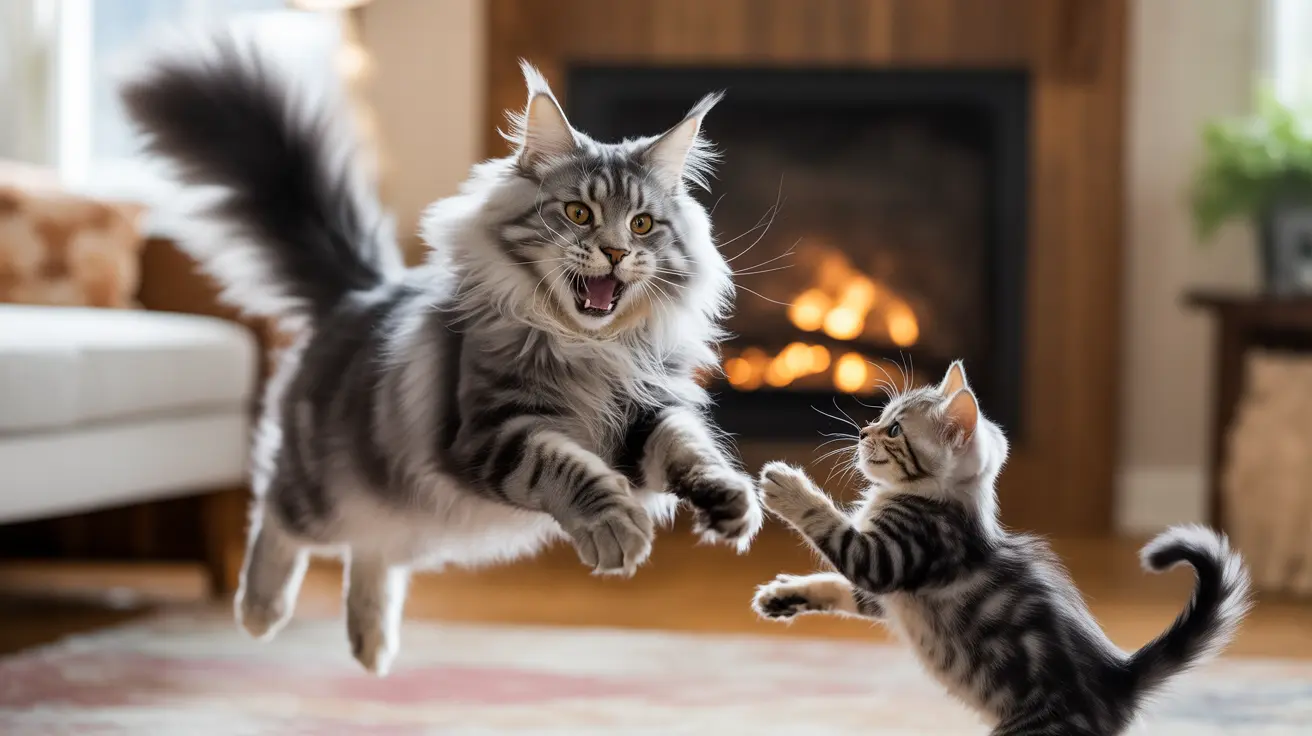
Have you ever noticed your cat suddenly hissing while playing with their favorite toy? It can be confusing and even a little alarming.
You might wonder, “Why does my cat hiss when playing with toys? ” Understanding this behavior can help you connect better with your furry friend and make playtime more enjoyable for both of you. Keep reading to discover the surprising reasons behind this hiss and how you can respond to keep your cat happy and stress-free.

Credit: www.yahoo.com
Cat Hissing During Play
Cats often hiss while playing, which can seem odd to many owners. This behavior is a natural part of their communication. Hissing during play is not always a sign of anger or fear. It can mean different things depending on the situation and the cat’s personality.
Understanding why your cat hisses during play helps improve your bond. It also ensures playtime stays fun and safe for both of you. Watching your cat’s body language alongside the hiss gives clues about their feelings.
What Does Cat Hissing Mean During Play?
Hissing is a way cats show strong emotions. During play, it can mean excitement or frustration. Sometimes, it signals that the cat feels overwhelmed. Play can be intense, and the hiss warns to slow down.
It can also be a sign of overstimulation. Cats get sensitive after a while of rough play. The hiss tells you that your cat needs a break.
How To Tell If The Hiss Is Playful Or Defensive
Look at your cat’s body language. A playful hiss often comes with relaxed ears and a loose tail. The cat might pounce or chase toys happily. Defensive hissing has stiff posture and pinned-back ears.
Defensive hissing means the cat feels threatened or scared. The difference is in the eyes too. Playful cats have wide, curious eyes. Defensive cats have narrow, focused eyes.
Tips To Make Playtime Comfortable
- Use soft toys that don’t hurt your cat’s paws.
- Stop play if your cat hisses repeatedly.
- Give your cat space to calm down if needed.
- Offer gentle petting after play to relax them.
- Keep play sessions short to avoid overstimulation.

Credit: www.catit.com
Common Triggers For Hissing
Understanding why your cat hisses when playing with toys can help you create a more enjoyable playtime experience. Hissing is often a clear message from your cat, signaling that something is bothering them. Identifying the common triggers for this behavior lets you adjust your approach and keep your furry friend happy and relaxed.
Overstimulation
Sometimes, play sessions can become too intense for your cat. When they get overstimulated, a quick hiss might be their way of saying, “I need a break.” You may notice their tail flicking rapidly or ears flattening just before the hiss. Try offering shorter play periods and watch for these signs to avoid pushing them too far.
Fear Or Anxiety
Your cat might hiss if a toy suddenly surprises or scares them. A noisy or fast-moving toy can trigger fear, especially if your cat isn’t used to it. If your cat seems tense or hides after hissing, consider switching to gentler toys and introducing new ones slowly to build their confidence.
Territorial Behavior
Cats are naturally territorial, and sometimes toys can feel like an intrusion into their personal space. If your cat hisses while playing, it could be a sign they are guarding their favorite toy or spot. Offering multiple toys and letting your cat choose can reduce territorial tension during playtime.
Types Of Toys That Cause Reactions
Certain toys may trigger hissing if they feel too rough or unpredictable to your cat. Toys that resemble prey or move suddenly can cause surprise or fear reactions. Understanding these triggers helps create a safer, more fun playtime for your pet.
Cats are naturally playful creatures, often engaging with their toys in ways that may seem confusing to us. Sometimes, your cat might hiss while playing, which can be surprising. Understanding the types of toys that cause these reactions can help you create a more enjoyable playtime experience for your feline friend. Let’s explore which toys might trigger such behavior.Moving Toys
Toys that move can easily catch your cat’s attention. They mimic the unpredictability of prey, which is exciting for cats. However, sudden movements might trigger a defensive reaction, like hissing, especially if the toy seems too aggressive or unpredictable. Think about your cat’s personality. Is it more cautious or bold? A more timid cat might find a rapidly moving toy overwhelming. In such cases, opt for toys that allow you to control the speed and direction, like a wand toy.Noisy Toys
Noisy toys can be a double-edged sword. While some cats are enticed by sounds, others might find them startling. Bells, crinkly materials, or toys that make electronic sounds can sometimes provoke a hiss if the noise is unexpected or too loud. Consider observing your cat’s reaction to different sounds. Does it enjoy the rustle of a paper bag, or does it prefer silent stalking? Tailoring the toy’s noise level to your cat’s comfort can make playtime more enjoyable.Scented Toys
Scented toys can evoke strong reactions, often linked to the cat’s sense of smell. Toys infused with catnip or valerian root are popular but can cause varied responses. While many cats become euphoric, some may react defensively, especially if the scent is too strong. Have you noticed your cat’s reaction to different scents? Experiment with lightly scented toys initially, and observe your cat’s behavior. Adjust the intensity of the scent based on its response to ensure a positive playtime experience. Understanding your cat’s individual preferences can greatly enhance play sessions. By choosing the right types of toys, you can minimize hissing and maximize fun. What types of toys does your cat enjoy the most, and have you noticed any specific triggers? Share your experiences and let’s learn together!Body Language To Watch
Understanding your cat’s body language helps explain why it hisses during play. Cats use many signals to show how they feel. Watching these signs can reveal if your cat is excited, scared, or annoyed. Pay close attention to the tail, ears, and eyes. These parts give clear clues about your cat’s mood.
Tail Position
A cat’s tail shows many emotions. A straight-up tail means your cat is happy and confident. A puffed-up tail shows fear or anger. A low or tucked tail suggests the cat feels nervous or threatened. Quick tail flicks often mean irritation. Watch for these signs during play to understand your cat better.
Ear Movements
Ears point the way your cat feels. Forward ears mean curiosity or interest. Flattened ears pressed back usually signal fear or anger. Twitching ears can show annoyance or alertness. These ear positions help you know if your cat is comfortable or upset while playing.
Eye Expressions
Eyes tell a lot about your cat’s mood. Wide-open eyes show excitement or surprise. Narrowed, slow-blinking eyes mean trust and calmness. Dilated pupils can mean excitement or fear. Watch your cat’s eyes during play to see if it feels safe or stressed.
How To Respond When Your Cat Hisses
Seeing your cat hiss during play can be confusing and even a bit alarming. It’s important to understand that hissing is a way your cat communicates discomfort or overstimulation. Knowing how to respond calmly and thoughtfully can improve your cat’s playtime experience and strengthen your bond.
Stopping Play Temporarily
If your cat hisses, pause the play immediately. This break helps your cat calm down and shows you respect their boundaries. Sometimes, a quick timeout is all it takes for your cat to feel safe again.
Try not to react with frustration or surprise; instead, move quietly away from your cat. Give them a few minutes to settle before attempting to play again. This approach prevents stress from building up and helps your cat associate play with positive feelings.
Changing Toy Types
Not all toys excite your cat in the same way. If hissing happens often, consider switching to softer, less aggressive toys. Plush mice or feather wands can be gentler choices compared to noisy or fast-moving toys.
Observe which toys make your cat relaxed and engaged without signs of stress. You might find your cat prefers toys that mimic prey movements calmly instead of those that trigger defensive reactions. Experiment with different textures and sounds to discover what your cat enjoys most.
Creating A Safe Environment
Make sure the play area feels safe and comfortable for your cat. Avoid loud noises or sudden movements that might startle them during play. You can also provide cozy hiding spots nearby where your cat can retreat if they feel overwhelmed.
Consider the lighting and space as well—bright lights or cramped spaces can increase anxiety. How does your cat behave in different rooms or settings? Tailoring the environment to your cat’s preferences can reduce hissing and encourage relaxed playtime.
When To Consult A Vet Or Behaviorist
Understanding when to seek professional help is key for your cat’s well-being. Hissing during play might be a sign of stress, pain, or fear. Ignoring these signs can worsen your cat’s behavior or health. Early consultation can prevent serious problems and improve your cat’s comfort.
Signs That Warrant A Vet Visit
- Persistent hissing beyond playtime
- Sudden changes in appetite or activity
- Visible injuries or limping after play
- Excessive hiding or withdrawal
- Vocalizing in pain or discomfort
When To Contact A Behaviorist
- Repeated aggressive behavior during play
- Difficulty calming your cat after hissing
- Hissing that escalates into biting or scratching
- Stress signs like over-grooming or litter box issues
- Challenges in managing your cat’s play sessions
Preparing For Your Appointment
Note the times and triggers of hissing episodes. Record your cat’s behavior during play if possible. Describe any changes in environment or routine. Share any health concerns with your vet or behaviorist. Clear information helps in accurate diagnosis and treatment.

Credit: www.reddit.com
Frequently Asked Questions
Why Does My Cat Hiss At Toys Sometimes?
Cats may hiss at toys due to overstimulation or frustration. It signals their boundaries or discomfort during play. Hissing helps them express excitement or mild aggression in a safe way.
Is Hissing Normal When Cats Play With Toys?
Yes, hissing can be normal during intense play. Cats mimic hunting behaviors and use hissing to communicate their emotions. It’s usually harmless if not accompanied by aggressive biting.
How Can I Stop My Cat From Hissing While Playing?
Use gentle toys and avoid overstimulating your cat. Give breaks if hissing occurs. Positive reinforcement and calm play encourage relaxed behavior.
Does My Cat Hiss Due To Fear Of Toys?
Sometimes, cats hiss because they feel threatened or unsure about new toys. Gradual introduction and familiar scents help reduce fear and build trust during play.
Conclusion
Cats may hiss while playing to show excitement or stress. This behavior helps them express feelings clearly. Toys that mimic prey can trigger this natural reaction. Watching your cat closely helps you understand its mood. Adjust playtime if your cat seems scared or frustrated.
Patience and gentle interaction build trust over time. Enjoy your cat’s unique way of playing and communicating. Learning these signs makes playtime fun and safe for both. Keep observing, and your bond will grow stronger.

Leave a Reply