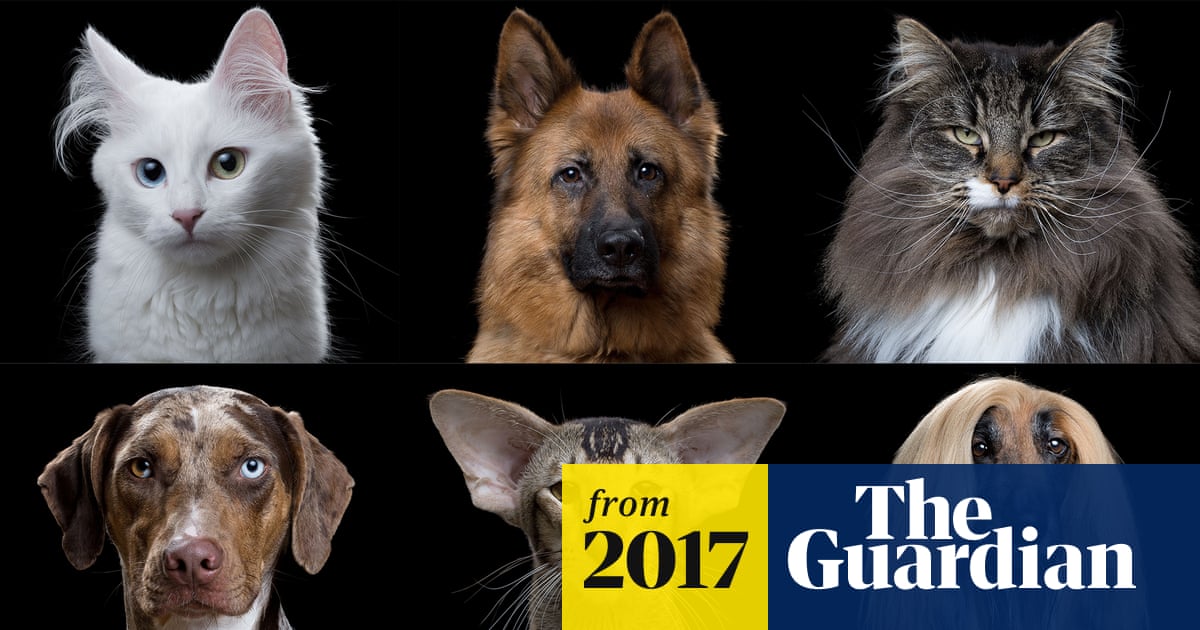
Have you ever wondered why there are so many dog breeds but far fewer cat breeds? If you’ve noticed your dog-loving friends talking about dozens of breeds while cat lovers stick to just a handful, you’re not alone.
This difference isn’t random—it reveals a lot about how cats and dogs have evolved alongside humans. Understanding why cats have developed into fewer breeds can change the way you see your furry friend. Keep reading, and you’ll discover fascinating reasons behind this unique animal story that might surprise you.

Credit: nutreats.co.nz
Breed Diversity In Cats Vs Dogs
When you look closely at the world of pets, the difference in breed diversity between cats and dogs is striking. This gap isn’t just about numbers; it reflects how humans have shaped these animals over time. Understanding this difference can give you fresh insight into your own pet’s unique traits and history.
Current Number Of Cat Breeds
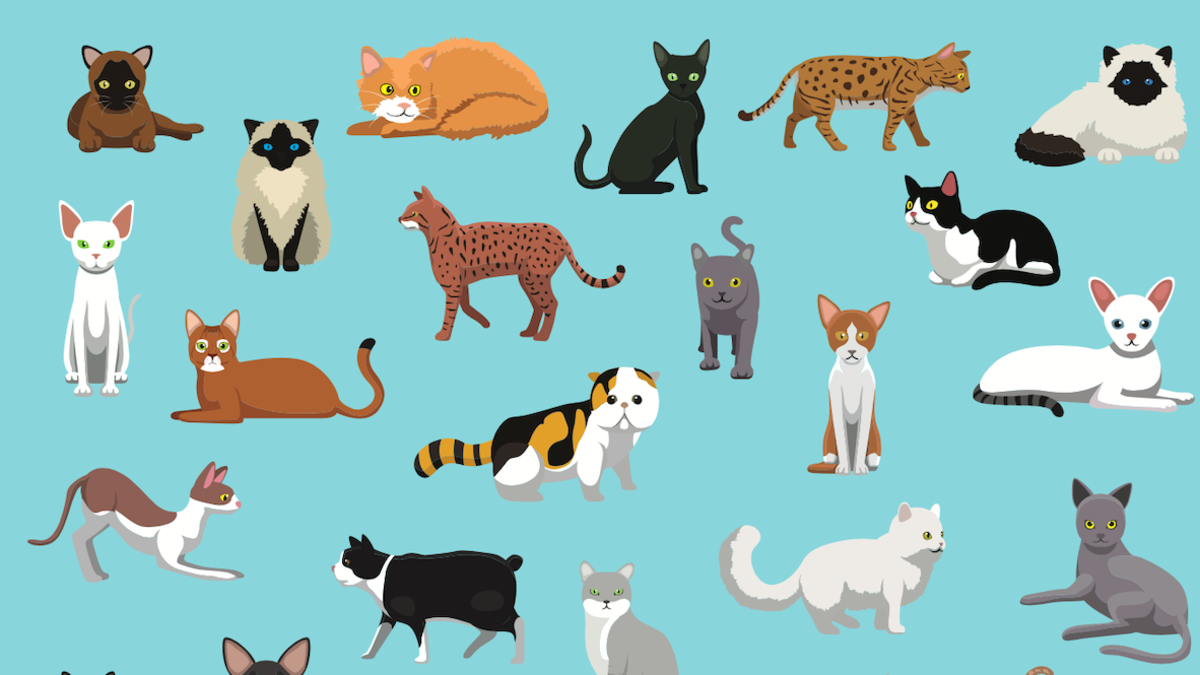
Cats have about 40 to 70 recognized breeds, depending on the cat registry. These breeds often differ in coat color, pattern, and personality rather than drastic physical changes.
Many cat breeds come from natural mutations or adaptations rather than human-driven selection. For example, the Maine Coon’s size and fur developed to survive cold climates, not through intense breeding programs.
Variety Of Dog Breeds
Dogs show a much wider range, with over 340 recognized breeds worldwide. This number grows as new breeds emerge from targeted breeding efforts.
Dog breeds vary dramatically—from tiny Chihuahuas to massive Great Danes—and serve specific roles like herding, hunting, or companionship. This variety reflects purposeful human intervention to meet different needs.
Comparing Breed Development
Dogs have been selectively bred for thousands of years to emphasize certain traits. You might notice how your dog’s breed can strongly influence behavior and appearance.
Cats, however, have experienced less intense breeding pressure. Their natural independence means humans focused more on companionship qualities rather than physical extremes.
Have you ever wondered why your cat looks similar to many others, while dogs come in so many shapes? This difference stems from the unique roles dogs and cats have played in human lives and how much humans have controlled their breeding.
Credit: www.preventivevet.com
Evolutionary Paths
The evolutionary paths of cats and dogs reveal why cats have fewer breeds. Their histories show different forces shaping their diversity. Cats stayed closer to their wild origins. Dogs changed more through human influence and breeding.
Domestication History
Cats were domesticated around 9,000 years ago. They lived near human settlements, hunting pests. Their domestication was less controlled. People valued cats for their hunting skills, not looks. Dogs were domesticated about 15,000 years ago. Humans bred dogs for tasks like hunting and guarding. This led to many different types of dogs.
Natural Selection In Cats
Cats evolved mostly through natural selection. Their survival depended on hunting and adapting to the environment. Wild traits stayed strong in cats. This kept their appearance and behavior similar. Natural selection limited extreme changes in cats. It helped maintain their physical and genetic traits.
Selective Breeding In Dogs
Humans bred dogs selectively for many traits. Size, shape, coat, and behavior changed rapidly. Breeders created dogs for specific jobs and looks. This caused a wide variety of dog breeds. Selective breeding focused on traits beyond survival. Dogs became more diverse due to human choices.
Human Influence On Breeding
Throughout history, humans have significantly influenced animal breeding. This influence is evident in the vast number of dog breeds compared to cats. Humans have shaped these animals for specific roles and companionship. Understanding this dynamic offers insight into the varied development of these beloved pets.
Purpose-driven Dog Breeding
Dogs have been bred for specific tasks. Herding, guarding, and hunting are a few examples. Each task required different traits. Over time, this led to many distinct dog breeds. Humans selected traits to enhance abilities. This focused breeding resulted in a wide variety of dogs.
Cats As Companions
Cats were not bred for specific jobs. They were primarily companions and pest controllers. This lack of specialized roles meant fewer breeds. Humans valued cats for their independence and company. As a result, selective breeding was less prevalent with cats.
Cultural Attitudes Towards Cats
Cultural views on cats have influenced breeding practices. Cats were revered in ancient Egypt. In other cultures, they were less favored. These attitudes affected how humans bred cats. Some cultures encouraged their breeding, while others did not. This led to fewer cat breeds than dogs.

Credit: www.newyorker.com
Biological Factors Limiting Cat Breeds
Cats have developed fewer breeds than dogs due to several biological factors. These factors influence how cats reproduce and evolve. They also affect how humans have bred cats over time. Understanding these biological limits explains why cat breeds are less diverse.
Genetic Diversity In Cats
Cats have lower genetic diversity than dogs. Most domestic cats descend from a small group of wild ancestors. This limits the variety of traits they can pass on. Fewer genetic differences mean fewer breed variations appear naturally.
Reproductive Differences
Cats have unique reproductive traits. They have shorter breeding seasons and fewer offspring per litter. Cats also reach sexual maturity quickly but have less control over selective breeding. These factors reduce opportunities to create many distinct breeds.
Behavioral Traits Impacting Breeding
Cats are less social and less cooperative than dogs. Their solitary nature makes controlled breeding harder. Cats often avoid close contact, reducing human influence on mating choices. This behavior limits the variety and number of breeds developed.
Environmental And Lifestyle Impact
The environment and lifestyle of cats have shaped their development into fewer breeds than dogs. Cats often live in settings that demand specific survival skills. Their habits and adaptability influence their genetic diversity. Understanding these factors helps explain why cat breeds are limited compared to dogs.
Indoor Vs Outdoor Habits
Cats can live both indoors and outdoors. Outdoor cats face many challenges like predators and weather. This limits how much they can change physically. Indoor cats often stay closer to their natural form. They do not need extreme traits for survival.
Adaptability Of Cats
Cats adapt well to different environments. Their bodies and behaviors stay flexible. This adaptability reduces the need for many distinct breeds. They change through behavior rather than physical traits. This keeps their breed variety low.
Survival Without Human Intervention
Many cats survive without humans. They hunt and find shelter alone. This natural survival helps maintain their original traits. Dogs rely more on humans and have varied roles. Cats’ independence keeps their breed numbers smaller.
Modern Breeding Trends
Modern breeding trends shape how cats and dogs develop into various breeds. These trends affect the number of breeds and their characteristics. Cats have fewer breeds due to different breeding goals and challenges. Breeders focus on traits that maintain a cat’s natural look and behavior.
Emerging Cat Breeds
New cat breeds appear slowly compared to dogs. Breeders create new cat breeds by mixing existing ones carefully. The goal is to keep cats healthy and gentle. Some new breeds gain attention, like the Toyger or the Lykoi. These breeds show unique patterns or traits but remain close to natural cat features.
Breed Popularity And Market Demand
Market demand plays a big role in breed development. Dog breeds often change with trends and owner preferences. Cats have a steady demand for classic breeds like Siamese or Maine Coon. People prefer familiar cat breeds that are easy to care for. This steady demand keeps the number of cat breeds lower.
Ethical Considerations In Breeding
Ethics guide modern cat breeding more strictly. Breeders avoid creating cats with health problems or extreme looks. Many cat clubs set rules to protect cat welfare. Ethical breeding means focusing on strong, healthy cats. This cautious approach slows down the rise of new cat breeds but ensures better cat well-being.
Frequently Asked Questions
Why Do Cats Have Fewer Breeds Than Dogs?
Cats have fewer breeds due to less selective breeding by humans. Dogs were bred for specific tasks, creating many breeds. Cats mostly evolved naturally with minimal human intervention, leading to fewer distinct breeds.
How Has Domestication Affected Cat Breed Diversity?
Cats were domesticated primarily for pest control, not for varied traits. This limited selective breeding reduced breed variety. Dogs, bred for hunting, guarding, and herding, show more breed diversity due to focused breeding goals.
What Role Does Genetics Play In Cat Breed Numbers?
Cats have less genetic variation than dogs due to their evolutionary history. Limited artificial selection narrowed cat gene pools. Dogs’ diverse genetics stem from intensive breeding, increasing the number of recognized breeds.
Can Cats Develop More Breeds In The Future?
Yes, but it requires intentional selective breeding. Breeders must focus on specific traits to create new cat breeds. Current trends show slow growth in cat breed numbers compared to dogs.
Conclusion
Cats have fewer breeds because of their natural traits and history. They evolved mostly as hunters, needing fewer changes in looks. People focused more on dogs for jobs and shows, creating many breeds. Cats stayed close to their wild ancestors, keeping their original form.
This makes cats unique and simple in variety. Understanding this helps us appreciate each pet’s special role. Both cats and dogs bring joy, just in different ways. Their breed differences show how humans shaped animals over time.

Leave a Reply