Have you ever wondered if a cat can give birth to kittens of different breeds? It’s a question that surprises many cat lovers.
You might think that a mother cat only has babies that look just like her. But is that really true? Understanding how cat breeds work can change the way you see your furry friend’s family. Keep reading, because what you discover might just amaze you and help you care for your cats even better.

Credit: www.youtube.com
Cat Breeds Basics
Cats come in many shapes, colors, and sizes. Each type belongs to a specific breed. Understanding cat breeds helps explain their unique traits and behaviors. It also clarifies common questions about their babies and breed variations.
What Defines A Cat Breed
A cat breed is a group with shared physical traits and behaviors. These traits are stable and passed down through generations. Breeds show distinct coat patterns, colors, sizes, and personalities. Breed standards guide breeders to maintain these features.
Each breed has a recognized name and history. Some breeds are natural, while others result from selective breeding. This process ensures kittens have consistent and predictable traits.
Genetics Behind Cat Breeds
Genes control a cat’s appearance and behavior. Different combinations create breed-specific traits. These genes pass from parents to kittens. Breed traits depend on dominant and recessive genes.
Crossbreeding different breeds mixes genes but does not create a new breed. Kittens from mixed breeds may show traits of either parent. Purebred cats come from parents of the same breed.
Genetic diversity is important for healthy cats. Responsible breeding avoids health problems linked to gene defects. Understanding genetics helps explain why cats look and act differently across breeds.

Credit: www.youtube.com
Cat Reproduction Facts
Understanding cat reproduction facts helps clear up common misconceptions, especially about whether cats can give birth to different breeds. The truth is, a cat’s breed traits come from its parents, so the breed of kittens depends entirely on the mother and father cats involved. Knowing how cats mate and how kittens develop gives you a clearer picture of this fascinating process.
How Cats Mate
Cats have a unique mating process that might surprise you. Female cats, called queens, go into heat several times a year, signaling they’re ready to mate. During this period, males, or tomcats, are attracted by their scent and vocalizations.
The actual mating is quick but intense. The male mounts the female, and the act lasts only a few seconds. This rapid process triggers ovulation in the female, which is essential for fertilization to occur.
Did you know that a queen can mate with multiple tomcats during one heat cycle? This means her kittens can have different fathers, but not different breeds—only variations within the parents’ breeds.
Kitten Development Process
Once fertilization happens, the queen’s body starts nurturing the kittens inside her uterus. The gestation period usually lasts about 63 to 65 days. During this time, the embryos develop rapidly, forming all their essential organs and features.
As a cat owner, you might notice subtle changes in the queen’s behavior and appearance—she may eat more and seek quiet, cozy spots. Around the sixth week, you could even feel the kittens moving if you gently press her belly.
When the kittens are born, they already show signs of their breed characteristics, but they continue to grow and develop those traits as they age. This is why kittens look like a mix of their parents rather than different breeds.
Breed Variation In Litters
Cats give birth to kittens of the same breed as the mother. Different breeds cannot mix in one litter naturally. Each kitten’s breed depends on the parents’ genetics.
Breed variation in litters is a fascinating topic for cat lovers and breeders alike. It’s intriguing to observe how one cat can give birth to kittens that display a wide range of physical traits and personalities. This diversity often leads people to wonder if these kittens belong to different breeds or if other factors are at play.Can One Litter Have Different Breeds?
A common question is whether a single litter can consist of different breeds. The short answer is no. Kittens in a single litter cannot be of different breeds. Breeds are defined by specific genetic standards and characteristics that are consistent within a breed. However, kittens can appear to be of different breeds due to the variety of genetic expressions. This happens when the parents have diverse genetic backgrounds.Factors Influencing Kitten Appearance
Several factors can influence how kittens look, even within the same litter. Genetics play a significant role. A cat’s genetic makeup can lead to a diverse range of appearances in its offspring. Environmental factors may also impact a kitten’s development. Nutritional intake during pregnancy and early kittenhood can affect growth and coat health. Finally, the influence of multiple fathers can lead to varied appearances. A female cat can mate with different males during her heat cycle, resulting in a litter with different paternal genetics. Have you ever wondered why some kittens in a litter look so different from their siblings? Understanding the factors influencing their appearance can be both enlightening and fun. As you observe a litter of kittens, notice the small differences and consider the genetic puzzle behind each unique trait.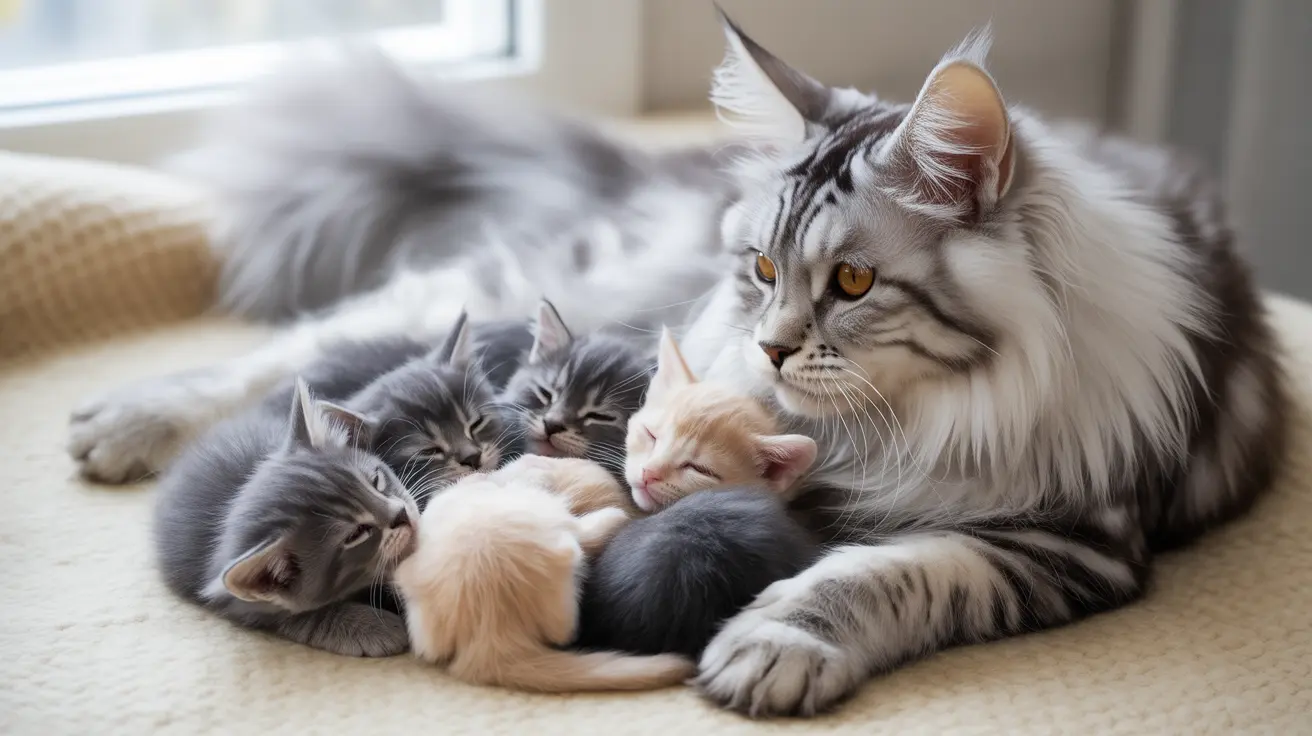
Credit: www.petscare.com
Common Myths About Cat Breeding
Many people believe strange things about cat breeding. These common myths confuse how cats have babies and what breeds they produce. Understanding the facts helps clear up wrong ideas and teaches us about cats better.
Misconceptions About Mixed Breeds
Some think cats can give birth to many different breeds at once. This is not true. A mother cat always has kittens of one breed or mixed breeds, but not separate pure breeds together.
People often believe mixed breed kittens look like random breeds. Actually, their features come from the parents’ genes blending together. Mixed breeds show traits from both parents, not brand-new breeds.
- Kittens do not change breeds inside the same litter.
- Breed traits depend on the parents, not the mother alone.
- Mixed breed cats do not create new pure breeds automatically.
Truths Behind Breed Variations
Breed variations happen from genetic mixing and inheritance. The mother passes down her genes, but the father’s genes play a big role too. This creates different looks and sizes in kittens.
Kittens in one litter may look different but belong to the same breed group. Variations do not mean new breeds appear suddenly. Breeds take many generations to develop.
- Genes from both parents create variations in kittens.
- Breed differences show in coat color, pattern, and shape.
- New breeds develop slowly through careful breeding.
Genetic Mixes And Hybrid Cats
Genetic mixes in cats create fascinating hybrids that often surprise both breeders and pet lovers. Unlike dogs, cats don’t give birth to different breeds within the same litter because a cat’s offspring inherit genes from two parents of the same breed or mix. However, hybrid cats—born from parents of different breeds or even species—show how genetics can blend in unexpected ways.
Crossbreed Cats Examples
You might be curious about what happens when different cat breeds come together. Crossbreed cats are the result of mating two purebred cats from distinct breeds. These hybrids often combine traits that make them unique in appearance and personality.
- Bengal:A mix of the Asian leopard cat and domestic cats, Bengals have a wild look with spotted fur and a playful, energetic nature.
- Ragdoll Mixes:When Ragdolls are crossed with other long-haired breeds, the kittens often inherit the Ragdoll’s calm temperament and striking blue eyes.
- Scottish Fold Crosses:Mating a Scottish Fold with a British Shorthair can produce kittens with folded ears and a sturdy build.
These examples show how traits from two breeds can combine to create cats that are both beautiful and unique. Have you ever met a cat that looked like a perfect blend of two different breeds?
How Hybrids Are Created
Creating hybrid cats involves controlled breeding between different breeds or even between wild and domestic cats. Breeders select parents based on desired traits like coat pattern, size, or temperament. The process takes patience, as not all kittens will inherit the expected mix of characteristics.
For example, the Savannah cat is a hybrid between a domestic cat and a serval, a wild African cat. This cross requires careful planning and sometimes special permits because of the serval’s wild nature.
Breeders focus on health and behavior, making sure hybrids are safe and suitable as pets. If you’re thinking about a hybrid cat, consider how its unique genetics might affect care and personality. What traits would you want your cat to inherit from each parent?
Impact On Cat Owners
The impact of whether cats give birth to different breeds directly affects how you, as a cat owner, approach your pet’s care and choices. Understanding breed variety can shape your expectations about behavior, health, and temperament. It also influences how you prepare your home and schedule for the needs of your new feline family member.
Choosing Cats Based On Breed
Choosing a cat based on breed often means you expect certain traits, like temperament or appearance. But did you know that cats rarely give birth to multiple breeds at once? Each kitten inherits traits from its parents, but the litter usually reflects one breed or a mix, not separate distinct breeds.
Think about what matters most to you: Are you looking for a playful companion or a calm lap cat? Some breeds tend to be more social, while others are independent. You can use this info to pick a kitten that fits your lifestyle better.
Have you ever considered how a mixed breed might surprise you with unique traits? Instead of focusing only on pure breeds, keep an open mind about mixed breed cats—they often have wonderful, balanced personalities.
Care For Mixed Breed Kittens
Caring for mixed breed kittens can be rewarding because they often have fewer breed-specific health issues. However, you still need to watch for general kitten health needs like vaccinations, nutrition, and socialization.
Since mixed breed kittens can inherit a variety of traits, you might notice differences in activity levels or grooming needs within the same litter. Pay close attention to each kitten’s personality and preferences.
- Provide a balanced diet suitable for young cats.
- Schedule regular vet check-ups to catch any health concerns early.
- Offer plenty of playtime to help develop their physical and social skills.
Ask yourself: How well do you understand the specific needs of your kitten? Observing and adapting your care routine will help your mixed breed kitten thrive.
Frequently Asked Questions
Can Cats Give Birth To Kittens Of Different Breeds?
No, cats cannot give birth to kittens of different breeds. Kittens inherit traits from their parents’ genes. A single litter shares the same breed or mix, depending on the parents’ genetics.
What Determines A Kitten’s Breed In A Litter?
A kitten’s breed depends on the mother and father’s genetics. Both parents contribute to the kitten’s physical traits and breed characteristics. Mixed-breed parents can produce diverse-looking kittens in one litter.
Can A Mixed-breed Cat Produce Purebred Kittens?
No, a mixed-breed cat cannot produce purebred kittens. Purebred traits require both parents to have the same breed lineage. Mixed breeds result from varied genetic backgrounds, creating unique combinations.
Why Do Kittens In One Litter Look Different?
Kittens can look different because of genetic variation. Even within one litter, siblings inherit different gene combinations. This causes variations in color, size, and coat patterns.
Conclusion
Cats cannot give birth to different breeds. Each kitten in a litter shares the mother’s breed and genes. Breed traits come from the parents, not mixed during birth. Sometimes kittens look different because of genetic variety. This variety does not create new breeds instantly.
Understanding this helps clear up common pet myths. Knowing how cat breeding works helps owners care better. Every kitten is special, no matter its look or size.

Leave a Reply