
Have you ever wondered if your hamster could have fun with your cat’s toys? It’s natural to want to share the joy and keep your little pet entertained.
But is it safe? Can hamsters really play with cat toys without any risk? You’ll discover what types of cat toys might be suitable for your hamster and what you should avoid. Keep reading to learn how to keep your furry friend happy and safe while adding a bit of excitement to their playtime.

Credit: www.amazon.com
Hamsters And Cat Toys
Hamsters and cat toys might seem like an unusual pairing, but many pet owners wonder if these toys can keep their tiny furry friends entertained. Understanding the differences between hamster play needs and what typical cat toys offer is crucial before introducing anything new. Let’s look closer at how your hamster might interact with cat toys and whether those toys fit their natural behaviors.
Common Cat Toy Types
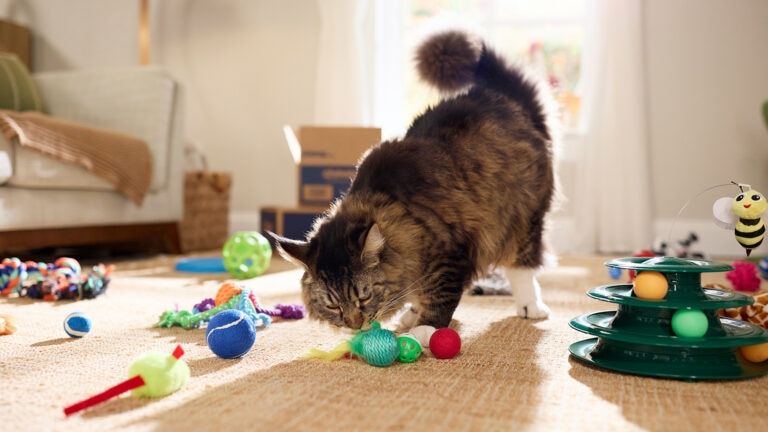
Cat toys come in various shapes and sizes, designed to stimulate a cat’s hunting instincts. Popular options include:
- Feather wands:Long sticks with feathers on the end that cats love to chase.
- Laser pointers:Small lights that cats try to catch as they dart around.
- Soft balls and mice:Small plush toys that cats bat and carry.
- Interactive puzzle toys:Designed to challenge a cat’s mind and reward them with treats.
Each toy targets a cat’s agility, predatory skills, and curiosity. But do these features appeal to hamsters the same way?
Hamster Behavior And Play Needs
Hamsters are natural burrowers and chewers, with a strong drive to explore tight spaces and chew constantly. Their playtime often involves:
- Running on wheels to expend energy.
- Chewing wooden or cardboard toys to keep teeth healthy.
- Climbing tubes and tunnels that mimic burrows.
- Foraging for food hidden in their environment.
Unlike cats, hamsters are less interested in chasing moving objects or jumping after dangling toys. If you’ve ever watched your hamster ignore a feather wand or a laser dot, you know this firsthand. Instead, they thrive on toys that satisfy their natural instincts to chew and burrow.
So, before handing over your cat’s latest toy to your hamster, ask yourself: Does this toy encourage natural hamster behavior, or will it just end up ignored or even cause stress? Choosing toys that suit their unique needs will keep your hamster happy and healthy.
Safety Concerns
Thinking about letting your hamster play with cat toys? It’s important to consider safety first. Not all toys made for cats are suitable for small, delicate hamsters. Understanding potential risks can help you protect your furry friend from harm.
Materials And Toxicity
Cat toys often contain materials that might be harmful to hamsters. Some plastics, dyes, or coatings can be toxic if chewed or ingested. Always check the toy’s label for non-toxic guarantees, and avoid toys with sharp edges or harmful chemicals.
I once gave my hamster a small cat toy, and noticed him nibbling on paint flakes. It made me realize how easily toxic substances can enter their tiny bodies. You want to avoid exposing your pet to anything that could cause illness or allergic reactions.
Choking Hazards
Hamsters are curious and love to chew, but small parts can quickly become choking hazards. Cat toys often have loose pieces like bells, feathers, or plastic eyes that can detach. If swallowed, these can block your hamster’s throat or digestive system.
Think about the size and shape of the toy pieces. Could your hamster fit them in its mouth? If the answer is yes, it’s better to keep those toys out of reach. Safety means preventing accidents before they happen.
Size And Durability
Hamsters are much smaller and less powerful than cats, so a toy designed for a cat may be too big or too tough. If the toy is too large, your hamster might struggle to interact with it. If it’s too durable, your hamster might try harder to chew, risking tooth damage.
Choosing toys that match your hamster’s size and chewing strength is crucial. Look for smaller, softer toys made specifically for rodents. Your goal is to provide fun without risking injury or frustration.
Benefits Of Interactive Play
Interactive play helps hamsters stay active and mentally sharp. Cat toys can offer new textures and movements, sparking curiosity and fun. Always supervise to keep playtime safe and enjoyable.
Interactive play can be a delightful experience for hamsters. Using cat toys can offer them a range of benefits, making their tiny world more exciting. Engaging in play keeps them entertained and supports their overall well-being. Let’s explore the benefits of interactive play for hamsters.Mental Stimulation
Hamsters need mental challenges to stay sharp. Interactive play introduces new experiences, keeping their minds active. Toys that make sounds or have different textures can pique their curiosity. This mental engagement can prevent stress and promote a happier life.Physical Exercise
Hamsters are naturally active creatures. Cat toys can encourage them to move and explore. Physical activity helps maintain a healthy weight and boosts their energy. Rolling balls or dangling toys can motivate them to run and play, enhancing their physical health.Reducing Boredom
Boredom can lead to undesirable behaviors in hamsters. Interactive play offers a solution by providing constant amusement. Cat toys with varying shapes and colors can keep them entertained. A playful environment reduces the chances of them feeling lonely or bored.
Credit: www.amazon.com
Suitable Cat Toys For Hamsters
Hamsters enjoy toys that match their size and energy. Cat toys can work well if chosen carefully. Some cat toys are safe and fun for hamsters to explore and play with. It is important to pick toys that are soft, small, and free of harmful parts.
Balls And Rolling Toys
Small balls or rolling toys can keep hamsters active. Look for lightweight balls made of plastic or wood. Avoid balls with small parts that can break or be swallowed. Toys that roll encourage hamsters to chase and push them around their cage.
Soft Plush Toys
Soft plush toys provide comfort and hiding spots. Choose small, simple plush items without buttons or eyes that can come off. Plush toys help hamsters feel safe and can be a cozy place to rest. They also enjoy burrowing or nesting inside soft materials.
Puzzle And Treat Toys
Puzzle toys stimulate hamsters’ minds and reward them with treats. Pick small puzzles made for pets, with no sharp edges. These toys challenge hamsters to find food or solve simple tasks. Puzzle toys keep hamsters busy and reduce boredom during playtime.
Diy Toy Ideas
Creating DIY toys for your hamster can be both fun and rewarding. Not only do these homemade toys keep your little friend entertained, but they also save you money and ensure safety. You can easily use items around your home or simple craft materials to make toys that stimulate your hamster’s natural curiosity and playfulness.
Safe Household Items
Many everyday objects can become exciting toys for your hamster if chosen carefully. Cardboard tubes from toilet paper or paper towels are great for chewing and crawling through. Just make sure they’re clean and free of any ink or glue that could harm your pet.
You can also use small, untreated wooden blocks or popsicle sticks to build climbing structures. Avoid anything with paint or varnish, as these can be toxic. A small, shallow bowl filled with untreated sand can serve as a digging spot, giving your hamster a taste of its natural environment.
Simple Craft Projects
Crafting toys for your hamster doesn’t require advanced skills. Try weaving strips of untreated paper or soft fabric into a small hammock or cozy hideout. This project takes just a few minutes and provides a comfy spot for your hamster to rest.
Another idea is to create a puzzle feeder by cutting holes in a cardboard box and hiding treats inside. This encourages your hamster to explore and problem-solve, keeping its mind sharp. Have you noticed how your hamster reacts when given a new challenge? DIY toys like these can reveal surprising levels of intelligence.
Monitoring And Supervision
Monitoring and supervision are crucial when hamsters play with cat toys. These toys are not designed for hamsters and may pose risks. Close observation helps prevent accidents and keeps your pet safe. Always watch your hamster’s behavior and environment during playtime.
Signs Of Stress Or Injury
- Hamsters hiding or freezing suddenly.
- Excessive scratching or biting at their body.
- Unusual breathing or wheezing sounds.
- Limiting movement or favoring one leg.
- Loss of appetite or refusal to drink water.
- Visible cuts, swelling, or bruises on the body.
- Restlessness or frantic running in the cage.
Stop play immediately if any of these signs appear. Check your hamster carefully for injuries. Consult a vet if symptoms persist.
Safe Playtime Practices
- Only allow short play sessions with cat toys.
- Choose cat toys without small parts that can break off.
- Remove any sharp edges before use.
- Keep the play area clean and free of hazards.
- Never leave the hamster alone with cat toys unsupervised.
- Use toys that encourage natural hamster behavior, like chewing or climbing.
- Replace toys regularly to avoid wear and tear risks.
Supervised play helps your hamster enjoy new toys safely. Always prioritize their comfort and health.
Alternatives To Cat Toys
Finding the right toys for your hamster is crucial for its happiness and health. Cat toys might seem tempting because they’re colorful or fun, but they often don’t fit a hamster’s needs. Instead, there are better options designed with your small pet’s safety and enjoyment in mind.
Hamster-specific Toys
Hamster-specific toys are made to match your pet’s natural behaviors. Wheels designed for hamsters help them exercise without risking injury. Chew toys made from safe wood or mineral blocks support their ever-growing teeth.
Look for tunnels, climbing ladders, and hideouts made for small rodents. These toys encourage exploration and mental stimulation. Have you noticed how your hamster reacts when given a new hamster ball? It’s a great way to provide safe roaming time outside the cage.
Natural Enrichment Options
Natural enrichment adds variety and keeps your hamster curious. Items like untreated branches, pine cones, or cardboard tubes offer safe chewing and climbing opportunities. These simple things can turn a plain cage into an exciting playground.
Try adding fresh herbs or bits of vegetables as treats hidden around their space. This encourages foraging, a natural hamster behavior. How often do you think about making your pet’s environment feel more like its natural home?

Credit: www.amazon.com
Frequently Asked Questions
Can Hamsters Safely Play With Cat Toys?
Hamsters can play with some cat toys, but safety is key. Avoid small parts or toxic materials. Soft, non-toxic toys without sharp edges are best for hamsters to prevent injury.
Which Cat Toys Are Suitable For Hamsters?
Simple toys like soft balls or fabric mice can work. Avoid toys with strings, bells, or hard plastic. Always supervise your hamster when introducing cat toys to ensure safety.
Do Cat Toys Stimulate Hamster’s Natural Behavior?
Yes, some cat toys encourage exploration and play. Hamsters enjoy toys that mimic prey or provide mental stimulation. Choose toys that promote burrowing, chewing, or climbing for enrichment.
Can Cat Toys Harm Hamsters In Any Way?
Yes, cat toys with small parts or toxic materials can harm hamsters. Choking or poisoning risks exist. Always inspect toys carefully and remove any unsuitable items immediately.
Conclusion
Hamsters can enjoy some cat toys, but choose carefully. Not all cat toys are safe for hamsters. Soft, small toys without parts that can break are best. Watch your hamster to see if it likes the toy. Always put safety first to avoid injuries.
Toys should make playtime fun and safe. Remember, happy hamsters are healthy hamsters. Keep their environment interesting with proper toys. This helps them stay active and entertained every day.

Leave a Reply