Are you feeding your adult cat kitten food and wondering if it could harm them? It’s a common question that many cat owners have but don’t always get clear answers to.
What you put in your cat’s bowl matters more than you might think. Feeding the wrong food can affect your cat’s health in ways you never expected. Keep reading to find out if kitten food can actually kill an adult cat and what you should be doing to keep your furry friend safe and healthy.
Your cat depends on you—let’s make sure you have the right information.
Nutritional Needs Of Kittens Vs Adults
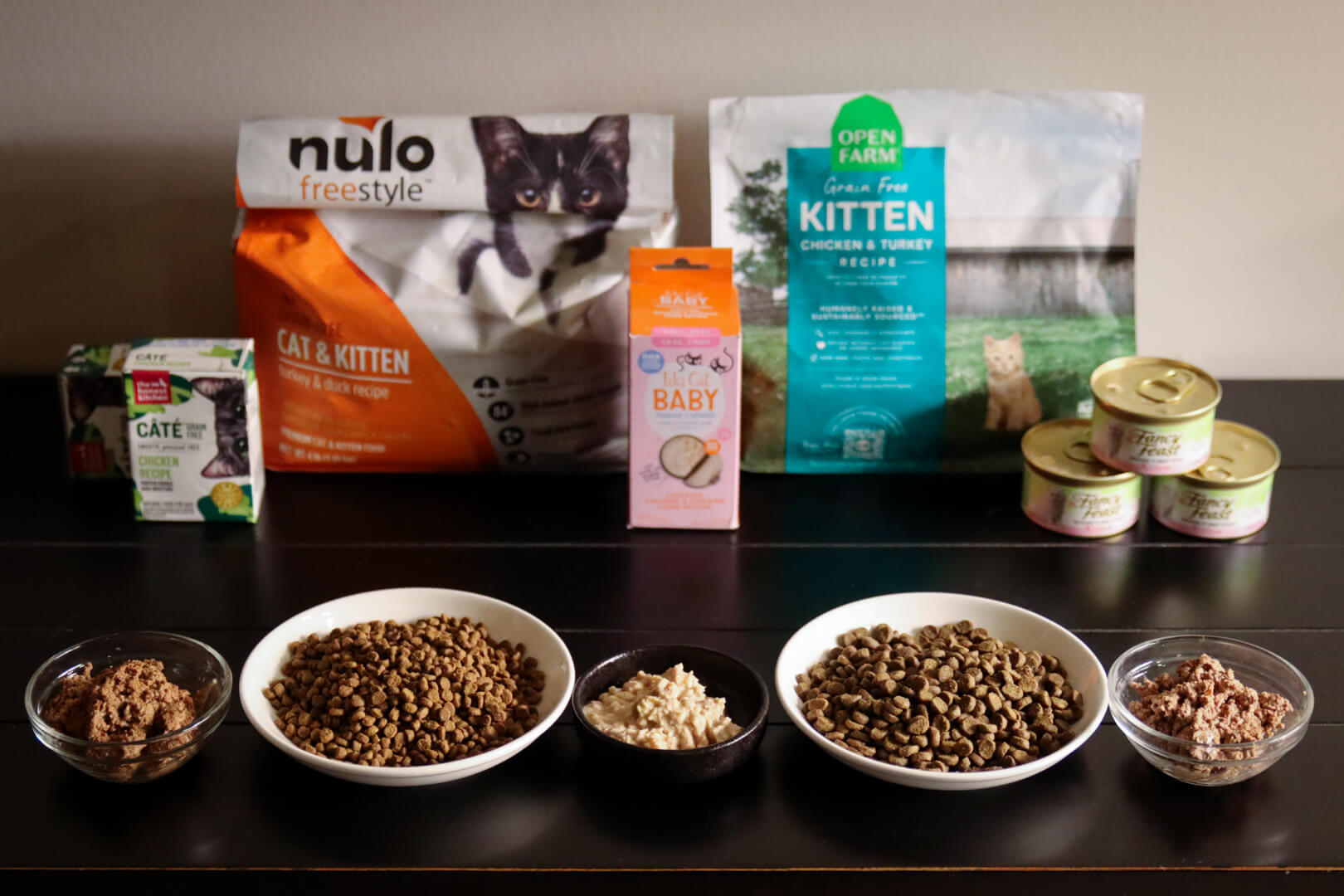
Understanding the nutritional needs of kittens compared to adult cats is crucial before deciding what food to give them. Kittens are growing rapidly and need a diet that supports their development, while adult cats require maintenance nutrition to keep them healthy. Feeding a kitten food to an adult cat without considering these differences can lead to nutritional imbalances, but how exactly do their needs vary?
Calorie Requirements
Kittens burn energy quickly as they grow, so their calorie needs are much higher than adult cats. A kitten may need almost twice the calories per pound of body weight compared to an adult cat. If you feed an adult cat kitten food regularly, the extra calories can lead to unwanted weight gain and obesity.
Think about your own energy needs—if you ate double your usual calories every day without extra activity, you’d gain weight too. So, adult cats eating kitten food might face the same issue. Are you monitoring your cat’s weight closely enough to catch this?
Protein And Fat Differences
Kittens need more protein and fat to build muscles and support brain development. Kitten food typically contains higher levels of these nutrients to meet those needs. Adult cats require less protein and fat, as their growth phase is complete.
Feeding an adult cat kitten food means providing more protein and fat than necessary, which can stress their organs over time. Have you noticed any digestive changes or energy shifts when switching your cat’s food?
Vitamin And Mineral Levels
Vitamins and minerals like calcium, phosphorus, and vitamin D are higher in kitten food to support strong bones and teeth during growth. Adult cat food balances these nutrients to maintain health without overloading the system. Excessive vitamins and minerals from kitten food could harm adult cats, leading to conditions like kidney strain or urinary issues.
Think about how your body reacts to supplements; too much of a good thing can cause problems. Are you aware of the specific nutrient content in the food you choose for your cat?
Credit: cats.com
Potential Risks Of Feeding Kitten Food To Adult Cats
Feeding kitten food to adult cats poses several risks. Kitten food is rich in calories and nutrients. It’s designed for growing kittens. But adult cats have different dietary needs. Consuming kitten food regularly can lead to health issues.
Obesity And Weight Gain
Kitten food has higher calorie content. Adult cats don’t need as many calories. Eating too much can cause weight gain. Obesity leads to other health problems. It can strain your cat’s joints and heart.
Digestive Issues
Adult cats may struggle with kitten food’s richness. It can upset their stomachs. This may lead to vomiting or diarrhea. Their digestive systems adapt to adult cat food. Sudden changes can cause discomfort.
Long-term Health Effects
Long-term use of kitten food affects adult cats’ health. It can cause nutritional imbalances. Adult cats need fewer proteins and fats. Excessive intake may harm organs. Proper nutrition is vital for longevity.
When Kitten Food Might Be Suitable For Adults
Kitten food is specially formulated with higher calories, protein, and fat to support rapid growth and development. But can this nutrient-rich diet be suitable for adult cats? In some cases, feeding adult cats kitten food might actually benefit their health, especially under specific circumstances.
Pregnant Or Nursing Cats
Pregnant and nursing cats have increased nutritional demands. Their bodies work harder to support their kittens, requiring more energy and nutrients. Kitten food provides the extra protein and calories needed during this critical time, helping maintain both the mother’s health and her kittens’ growth.
If your cat is expecting or has recently given birth, switching to kitten food temporarily can be a smart choice. It ensures she gets enough nourishment without you having to supplement with additional treats or meals.
Cats With High Energy Needs
Some adult cats are naturally more active or have higher metabolism rates. Outdoor cats, working cats, or those with playful personalities might burn calories faster than average. Kitten food’s higher calorie content can help meet these energy needs and keep your cat feeling satisfied.
Have you noticed your adult cat always begging for food or losing weight despite eating well? Try kitten food for a short period and observe if their energy and weight stabilize. It could be a simple adjustment that makes a big difference.
Veterinary Recommendations
Always consult your vet before making diet changes. Sometimes, health conditions like recovery from illness, injury, or parasites require extra nutrition. Your vet might suggest kitten food to help your adult cat regain strength and improve recovery.
Veterinarians also recommend kitten food for senior cats showing signs of muscle loss or weight decline. The enhanced nutrient profile supports these cats better than standard adult formulas. Following professional advice ensures your cat’s diet matches their unique health needs.
Credit: companion-vets.com
Signs Of Problems From Improper Diet
Feeding an adult cat kitten food might seem harmless at first, but it can lead to serious health issues over time. Recognizing the signs of an improper diet early can save your cat from discomfort and long-term damage. Keep a close eye on both behavior and physical health to catch any problems before they worsen.
Behavioral Changes
Your cat’s mood and activity levels can reveal a lot about their diet. If your normally energetic cat starts hiding or becomes unusually lethargic, it might indicate nutritional imbalance. Watch for sudden irritability or lack of interest in play, as these shifts often point to underlying health issues caused by poor nutrition.
Have you noticed your cat begging more or showing signs of increased hunger? This could mean their current food isn’t meeting their dietary needs. Conversely, a decrease in appetite may signal digestive discomfort, another warning sign you shouldn’t ignore.
Physical Symptoms
Look closely for changes in your cat’s coat and skin. Dull fur, excessive shedding, or flaky skin can all be clues that their diet lacks essential nutrients. Weight fluctuations, whether gain or loss, are also red flags that require attention.
Digestive problems like vomiting or diarrhea can emerge from feeding kitten food to adult cats. These symptoms shouldn’t be brushed off as occasional issues. Persistent digestive upset often means the food is not suitable for their mature digestive system.
Monitoring And Early Detection
Regularly monitoring your cat’s weight and behavior helps you catch problems early. Keep a journal of any changes you observe, including eating habits and bathroom routines. This record can be invaluable when discussing your cat’s health with a vet.
Scheduling routine vet visits is crucial, especially if you’ve recently changed your cat’s diet. Blood tests and physical exams can detect nutritional deficiencies before they cause severe damage. Staying proactive lets you adjust your cat’s food before problems become serious.
Safe Feeding Practices For Adult Cats
Feeding adult cats properly keeps them healthy and happy. Their nutrition needs differ from kittens. Safe feeding practices avoid risks like obesity, nutrient imbalances, or digestive upset. Careful food choice, smooth diet changes, and expert advice help maintain your cat’s well-being.
Choosing The Right Food
Adult cats need food made for their age and health. Kitten food is richer in calories and nutrients, which may cause weight gain in adult cats. Adult cat food provides balanced proteins, fats, and vitamins for maintenance. Check labels to ensure the food meets AAFCO standards for adult cats. Wet or dry food can work well, depending on your cat’s preference and needs.
Transitioning Diets
Switching foods too fast can upset your cat’s stomach. Gradual changes over 7 to 10 days help avoid problems. Mix small amounts of new food with the old food, increasing the new food each day. Watch for signs like vomiting, diarrhea, or refusal to eat. Patience during transitions helps your cat adjust smoothly.
Consulting A Veterinarian
Veterinarians guide feeding choices based on health and lifestyle. They can recommend special diets for conditions like kidney disease or allergies. Regular check-ups allow diet adjustments as your cat ages. Always ask your vet before making major diet changes or adding supplements.

Credit: www.aol.com
Common Myths About Kitten Food And Adult Cats
Many cat owners worry about feeding their adult cats kitten food, often due to misinformation. Several myths surround this topic, creating confusion about what is safe and healthy for your cat. Let’s clear up some common myths about kitten food and adult cats, so you can make informed choices for your furry friend.
Kitten Food Is Always Better
It’s easy to think kitten food is better because it’s marketed as nutrient-rich. Kitten food does contain higher protein and fat to support growth, but that doesn’t mean it’s suitable for adult cats long-term. Feeding adult cats kitten food regularly can lead to weight gain and digestive issues because their needs are different.
I once fed my adult cat kitten food, thinking it was a treat. Soon, she gained extra pounds and became less active. That experience taught me that “better” depends on your cat’s life stage, not just the label on the bag.
Adult Cats Can Eat Anything
Some believe adult cats can eat whatever they want without consequences. This is risky thinking. Adult cats need a balanced diet tailored to their age, health, and activity level.
Feeding adult cats kitten food, dog food, or human snacks can cause nutritional imbalances and health problems over time. Do you know what’s really in the food you’re giving your cat? Checking the ingredients and nutrient profile is key to keeping your cat healthy.
Frequency Of Feeding
There’s a myth that adult cats should eat less often than kittens. While kittens require multiple small meals daily, adult cats do best with consistent, measured feeding times.
Overfeeding, even with the right food, can cause obesity. Try feeding your cat two meals a day and monitor their weight and energy. What feeding schedule fits your cat’s lifestyle and keeps them at a healthy weight?
Frequently Asked Questions
Can Kitten Food Harm An Adult Cat?
Kitten food is not harmful but lacks balanced nutrients for adults. It contains more protein and fat, which might cause weight gain or digestive upset if fed long-term.
Is Kitten Food Safe For Adult Cats Occasionally?
Yes, adult cats can eat kitten food occasionally without harm. However, it should not replace their regular diet to maintain proper nutrition and health.
Why Is Kitten Food Different From Adult Cat Food?
Kitten food has higher calories, protein, and fat to support growth. Adult cat food focuses on maintenance and balanced nutrition to prevent obesity and health issues.
Can Feeding Kitten Food Cause Adult Cat Obesity?
Feeding kitten food regularly can lead to obesity in adult cats. The extra calories and fat may exceed their energy needs, causing unwanted weight gain.
Conclusion
Feeding adult cats kitten food once in a while won’t harm them. Kitten food has more calories and nutrients, which can cause weight gain if given regularly. Adult cats need balanced nutrition suited to their age and health. Always choose food made for adult cats to keep them healthy and active.
Watch your cat’s weight and energy levels closely. Consult a vet if unsure about diet choices. Proper feeding helps your cat live a long, happy life. Small changes make a big difference. Keep your cat’s needs in mind every day.


Leave a Reply